Buying an Estate in Greenspring Valley: What to Review
May 14, 2026
May 14, 2026
Looking for an estate in Greenspring Valley is exciting, but it also comes with more moving parts than a typical home search. You may be weighing historic charm against easier upkeep, or wondering how land, zoning, wells, septic systems, and taxes affect the purchase. This guide will help you understand the biggest issues to review before you buy so you can move forward with more clarity and confidence. Let’s dive in.
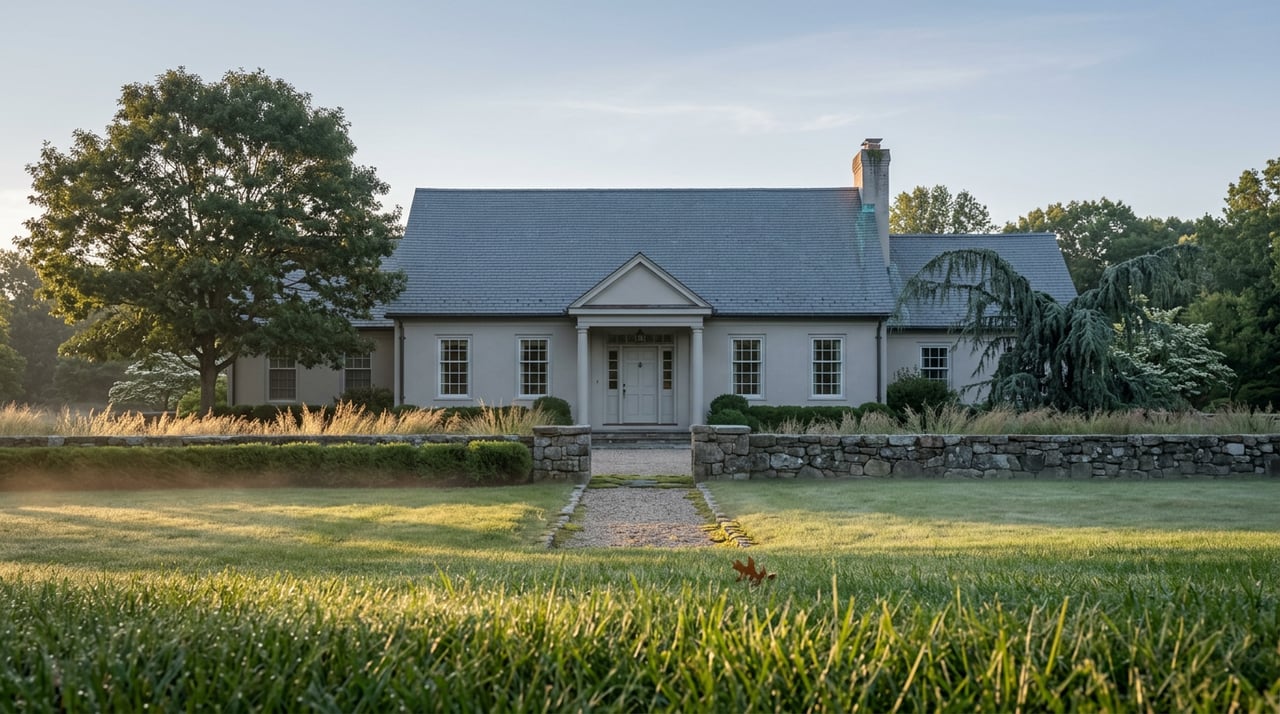
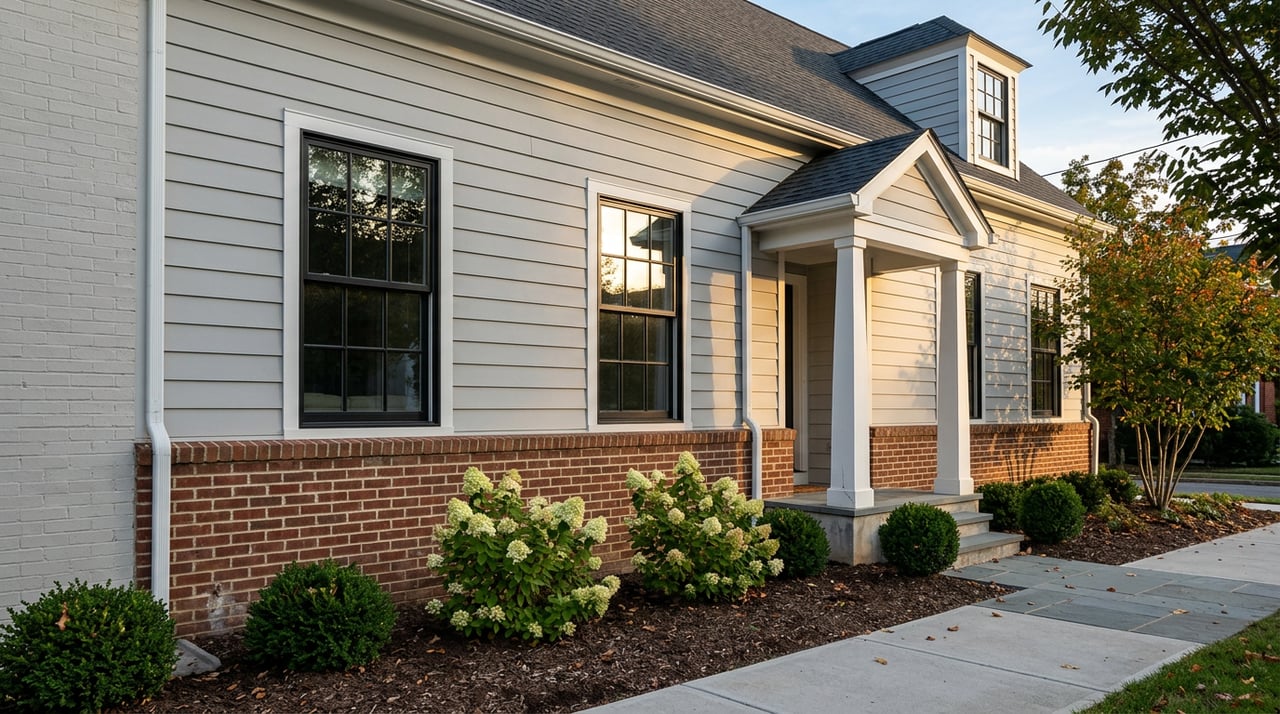
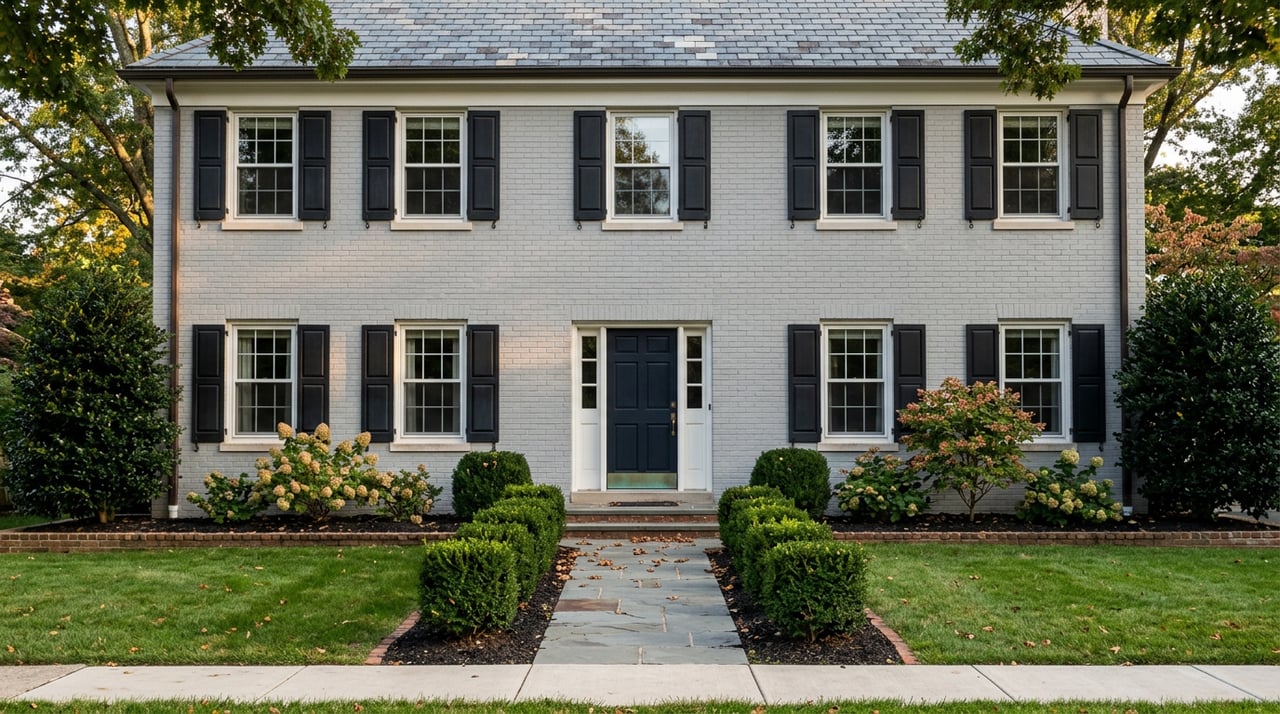
Greenspring Valley sits within an area recognized by the Maryland Historical Trust as the Green Spring Valley Historic District, a landscape known for rolling hills, forested highlands, tree-lined drives, large lots, and homes that span from the 18th century through the early 20th century, along with some postwar additions.
For you as a buyer, that history usually creates two broad paths. You may find an older, architecturally significant home with more preservation and maintenance considerations, or a newer or heavily renovated property that may offer simpler ownership. Neither option is automatically better, but each calls for a different level of due diligence.
In Greenspring Valley, the age and character of a property can shape your entire ownership experience. Older homes may offer craftsmanship, setting, and architectural detail that are hard to replicate. They can also bring more questions about systems, site features, and future renovation approvals.
Newer or substantially renovated homes may reduce some day-to-day maintenance concerns. At the same time, you will still want to confirm how the lot is serviced and what rules apply to the parcel itself.
If you are considering an older estate, focus on:
If you are considering a newer or renovated estate, focus on:
Large-lot properties often require more site-level review than homes on public water and sewer. In Baltimore County, roughly 30,000 properties use private septic systems rather than public sewer, so this is not a minor detail. If the estate you want is served by private systems, understanding them early can save time and reduce surprises.
Baltimore County advises septic owners to know where the system and drainfield are and to keep up with maintenance, pump-outs, and inspections. That means you should not rely on assumptions about a property’s setup just because the house presents well.
A practical first step is to request Baltimore County well and septic records for the specific address. The county maintains a records-request process for individual properties, and these records can help you understand what is already documented for the parcel.
If the home uses an onsite sewage disposal system, Maryland requires property-transfer septic inspections to be performed by a licensed inspector. That inspection is an important part of evaluating a large-lot purchase in this area.
If the property has a private well, you as the owner are responsible for drinking water safety. Maryland guidance says annual sampling should test for total coliform bacteria, nitrates, total dissolved solids, and pH.
For new or replacement wells, Baltimore County requires a Certificate of Potability before the well is put into service after required testing for bacteria, nitrates, turbidity, and sand. If you are buying a property with a newer well, ask for the documentation.
Some buyers purchase an estate with long-term plans in mind, such as building an addition, adding a guest structure, or changing utility infrastructure. In Baltimore County, permission to conduct percolation testing or install a private well or onsite sewage disposal system may not be granted on some parcels unless a variance to the Master Water and Sewer Plan is approved.
That matters if your purchase decision depends on future flexibility. It is wise to investigate these limits before you write an offer based on assumptions about expansion.
Zoning controls how a property can be used and what may be built on it. In Baltimore County, zoning governs permitted uses, density, setbacks, accessory structures, and subdivision potential. For estate buyers, this can affect both lifestyle plans and long-term property value.
An estate-style parcel in this part of Baltimore County is often zoned RC-6, or Rural Conservation and Residential. County zoning materials show that RC-6 permits single-family detached homes, farms, churches with limited impervious area, and roadside stands by right, while some other uses require special exceptions.
If you are thinking about adding features after closing, zoning review should happen early. Baltimore County notes that accessory structures include pools, sheds, pole barns, and fire pits.
A zoning review also matters if you are considering whether the lot could ever be divided. Baltimore County defines a minor residential subdivision as three or fewer parcels, so subdivision conversations should be grounded in the actual rules for that parcel, not general impressions about lot size.
Baltimore County offers tools such as the My Neighborhood map for zoning and aerials, and an official zoning letter that summarizes zoning classification, case history, and code or zoning violations. For a higher-value estate purchase, a zoning letter can provide a clearer baseline than informal assumptions.
This is especially helpful when a property includes barns, outbuildings, long driveways, or site features that may affect how you want to use the estate in the future.
One common source of confusion in Greenspring Valley is the difference between historic recognition and local historic control. They are not the same thing.
Baltimore County says a local Landmark or Historic District is created by county zoning code, and the Landmarks Preservation Commission reviews certain exterior or site changes. By contrast, a National Register listing is largely honorary at the local level and does not create the same local controls.
If a property is locally designated, the Historic Environmental Setting can trigger review for site features such as fences, pools, driveways, grading, and sheds. That means even changes outside the main house may require approval.
For you, the practical takeaway is simple: if future improvements matter, confirm local designation status before closing. A beautiful estate can still be a strong fit, but you will want to understand the review process upfront.
Baltimore County says qualifying rehabilitation work may be eligible for the county’s historic property tax credit. The credit can be used over up to 10 years to reduce annual county property tax payable.
If you are buying an older property with plans for substantial qualifying work, that may be worth exploring as part of your ownership budget.
Estate buyers often focus on purchase price first, but carrying costs matter just as much. Baltimore County lists the real property tax rate at $1.10 per $100 of assessed value.
Maryland also states that real property is assessed at fair market value, reassessed every three years, and increases are phased in over three years. That makes it important to review not just today’s tax bill, but how future assessments may affect your budget.
Maryland’s Homestead Tax Credit limits assessment growth for an owner-occupied principal residence after a one-time application. For relocation buyers and second-home buyers, principal-residence status can have a meaningful effect on long-term tax planning.
If you are moving into the home as your primary residence, this is a key item to discuss during the purchase process.
Closing costs may also include land-record fees and transfer taxes. Maryland Courts notes that deed preparation and recording can be complicated and recommends speaking with a lawyer or title company for exact costs.
As a general reference from the research provided, Maryland recordation tax is $5 per $500, the state transfer tax is 0.5 percent, and it is 0.25 percent for a first-time Maryland homebuyer purchasing a principal residence. Baltimore County also lists a 1.5 percent real property transfer tax, with the first $22,000 of residential transfers excluded.
If school assignment is part of your planning, verify it using the exact property address before closing. Baltimore County Public Schools says a student’s zoned school is determined by the home address, and the district provides a school locator for this purpose.
This is especially important in areas with larger parcels, private drives, or mailing addresses that may not tell the full story. Do not rely on listing remarks or general neighborhood assumptions.
When you are serious about a Greenspring Valley estate, a more detailed pre-offer process can help you make a stronger and more informed decision. In this market, thoughtful preparation is part of protecting both your time and your investment.
A sensible workflow based on the local guidance in the research includes:
Buying an estate in Greenspring Valley is rarely just about bedrooms and square footage. You are often evaluating land, infrastructure, restrictions, tax implications, and long-term ownership fit all at once.
Maryland Courts notes that property transfers can be complicated and may have tax consequences. That is one reason many buyers benefit from working with an agent, title professional, and inspection team that routinely handles large-lot and historic-property purchases.
If you are considering an estate in Greenspring Valley or the surrounding 21093 area, The Batoff Group can help you evaluate the property details that matter before you commit and guide you through a more confident purchase process.
Explore our past transactions.
Sold
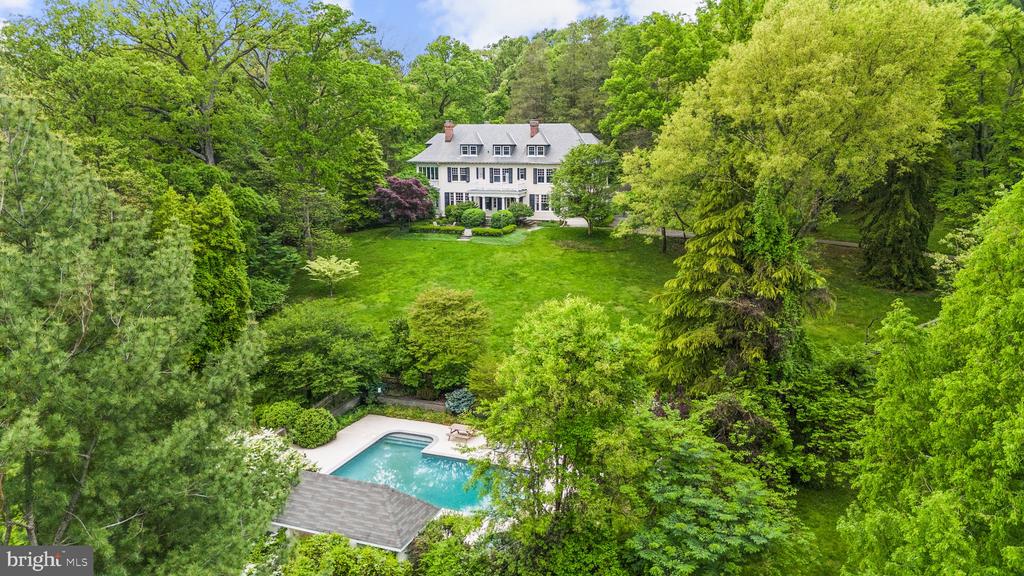
10600 PARK HEIGHTS AVENUE, OWINGS MILLS, MD 21117
Sold
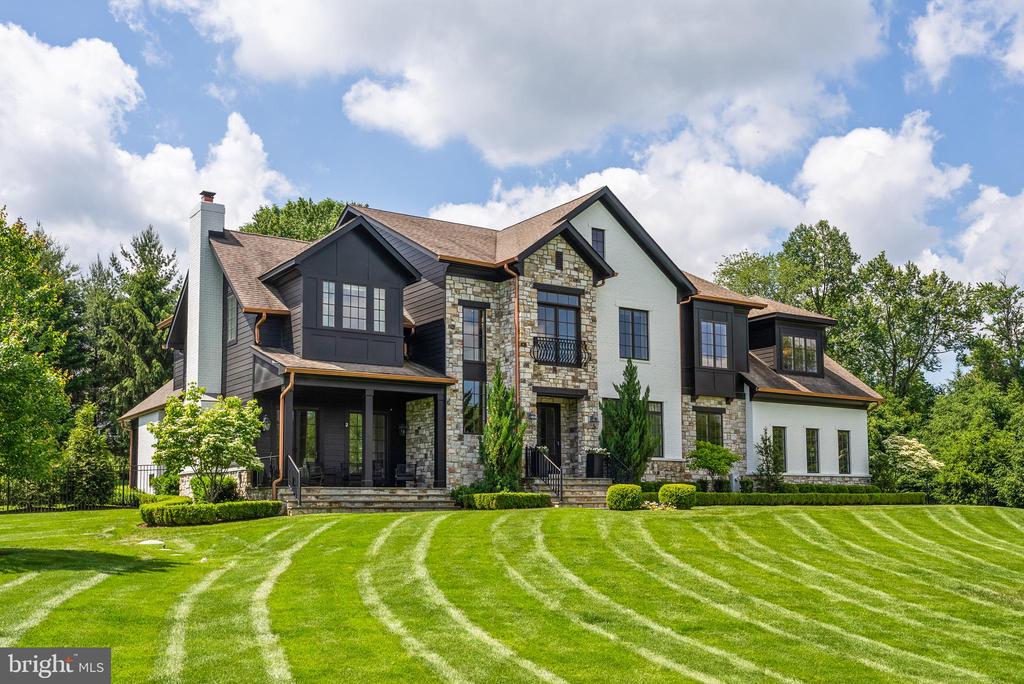
12220 WORTHINGTON ROAD, OWINGS MILLS, MD 21117
Sold
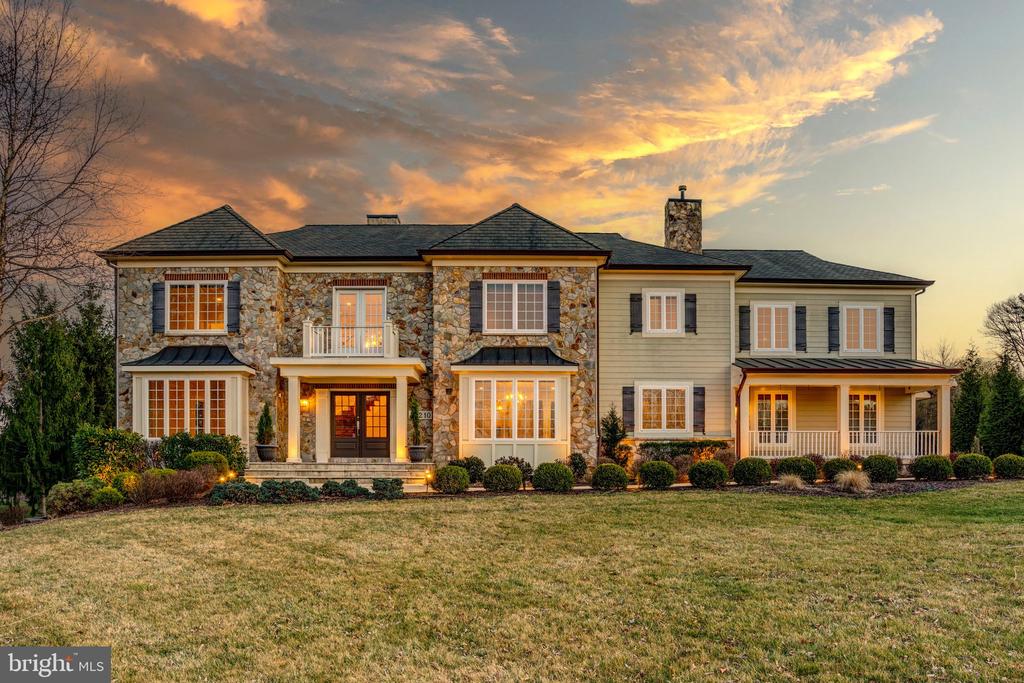
12210 WORTHINGTON, OWINGS MILLS, MD 21117
Sold
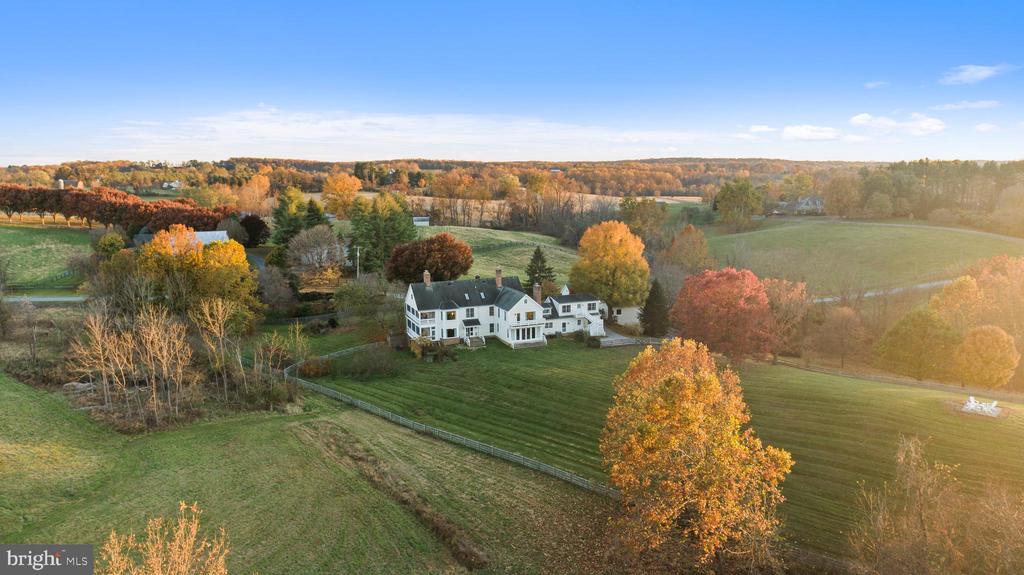
2310 GADD ROAD, COCKEYSVILLE, MD 21030
Sold
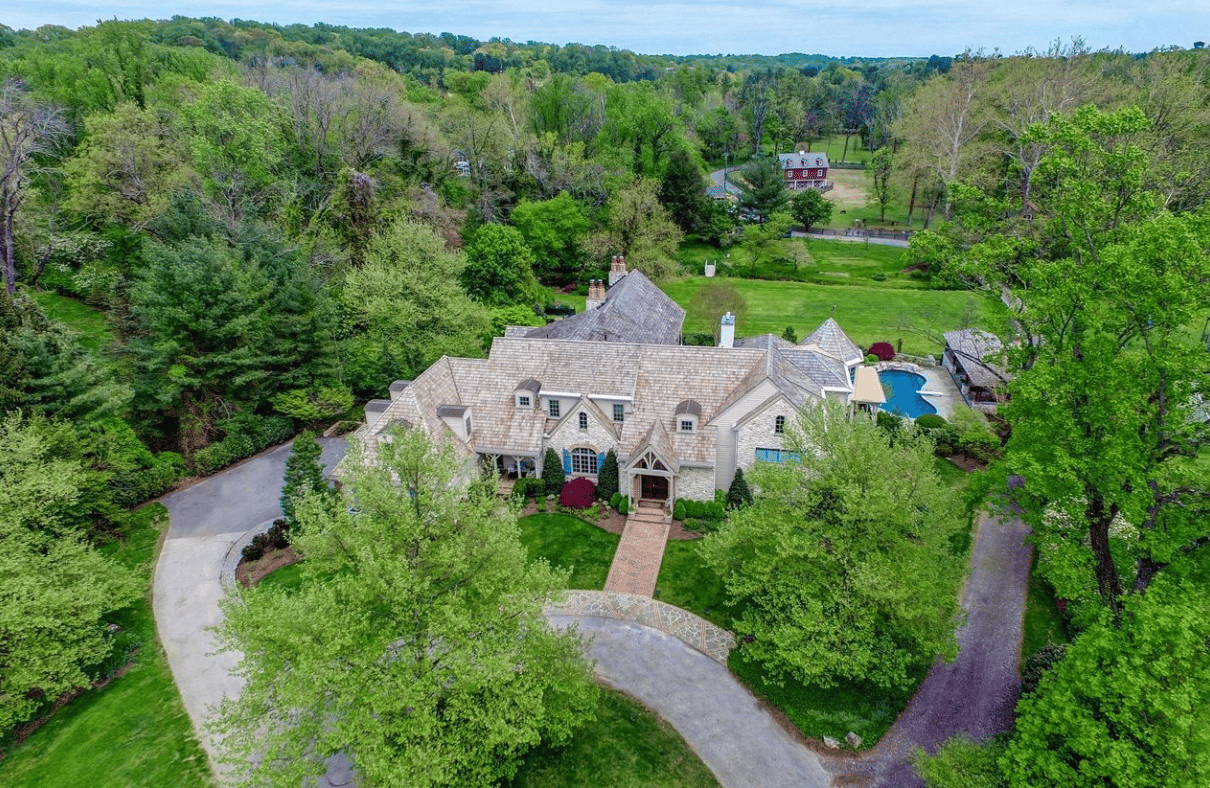
10807 Greenspring Ave, Lutherville-Timonium, MD 21093
Sold
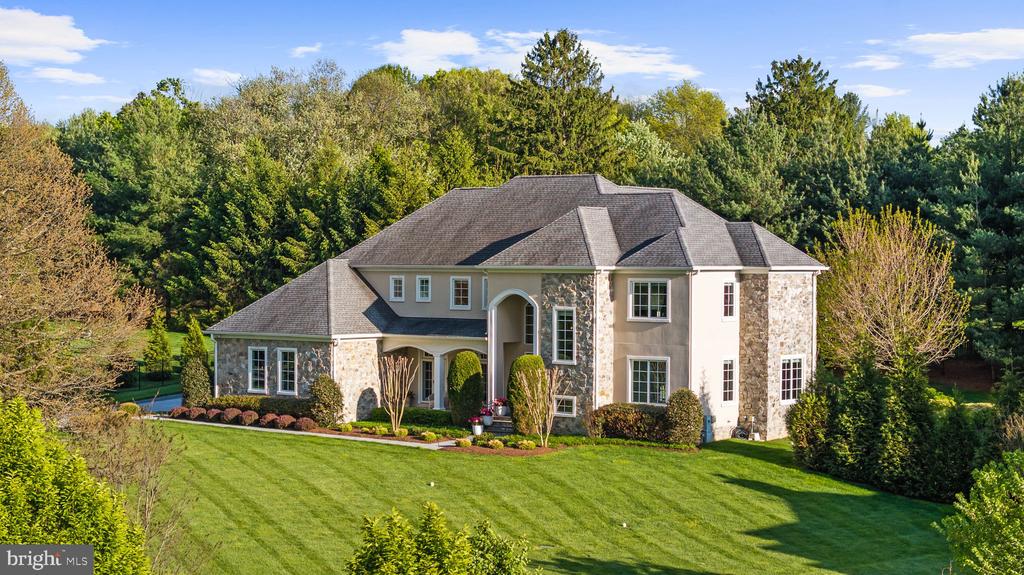
12222 WORTHINGTON ROAD, OWINGS MILLS, MD 21117
Sold
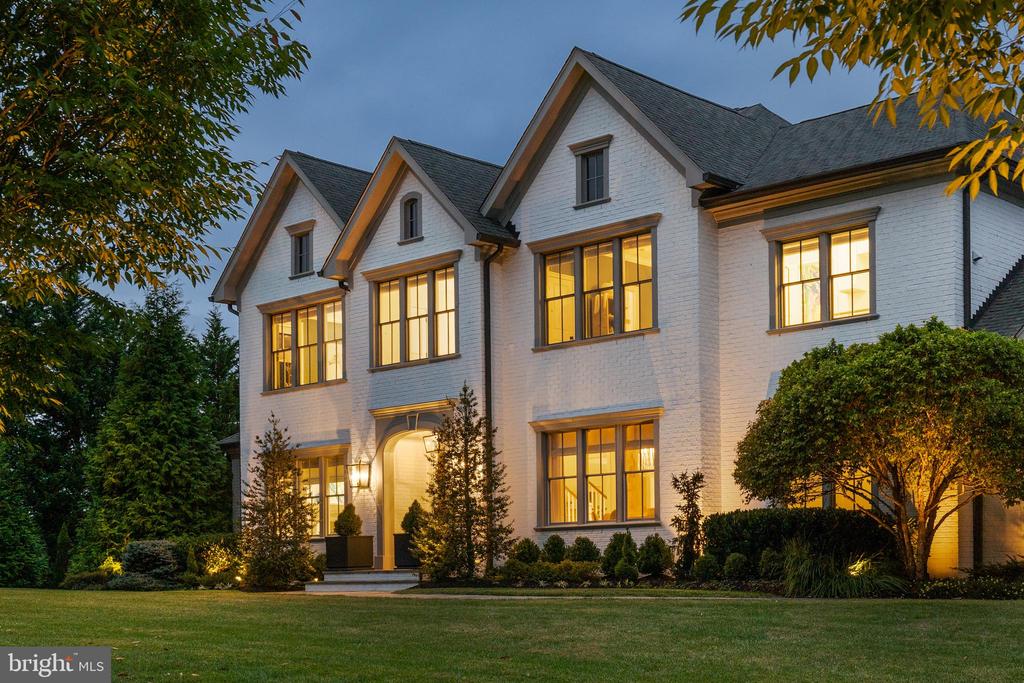
12211 WORTHINGTON ROAD, OWINGS MILLS, MD 21117
Sold

3112 W Golf Course Rd, Owings Mills, MD 21117
Sold

11129 Falls Rd, Lutherville Timonium, MD 21093
Sold

800 HILLSTEAD DRIVE, LUTHERVILLE TIMONIUM, MD 21093
Sold
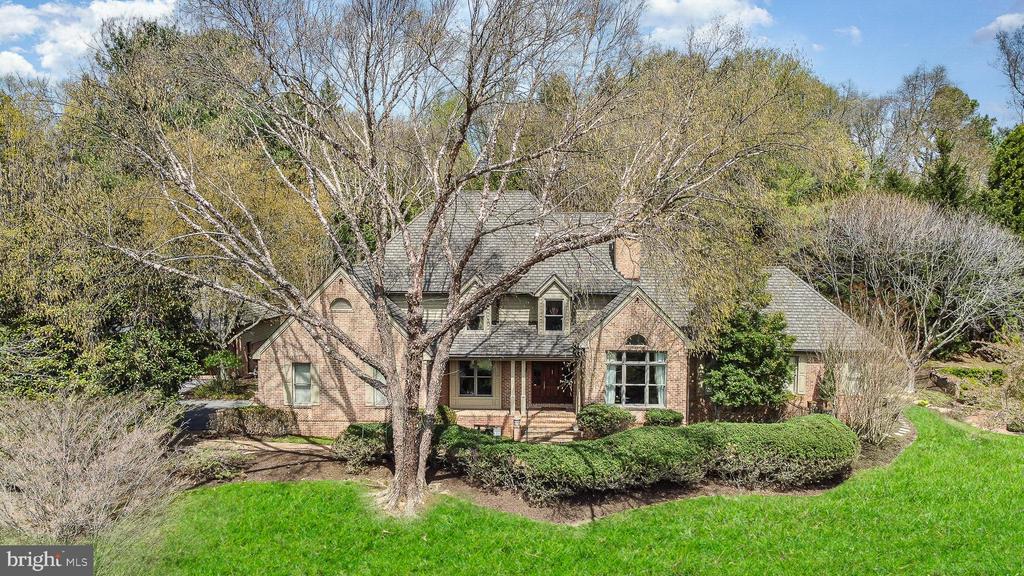
1308 MUSGROVE ROAD, LUTHERVILLE TIMONIUM, MD 21093
Sold
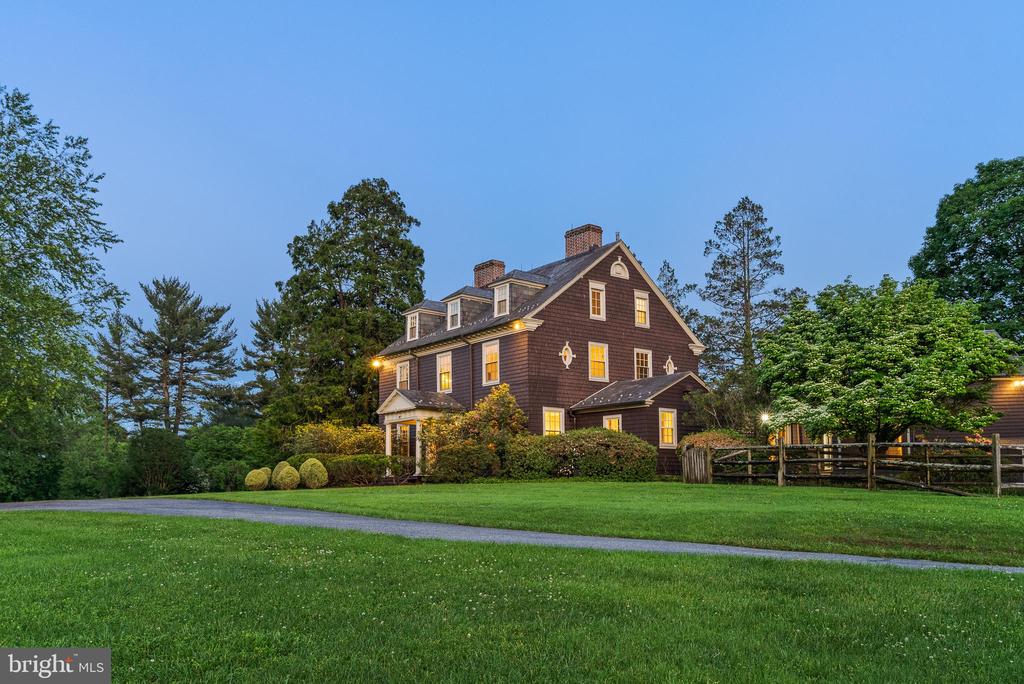
4006 STEWART ROAD, STEVENSON, MD 21153
Sold

15315 Carroll Rd, Monkton, MD 21111
Sold
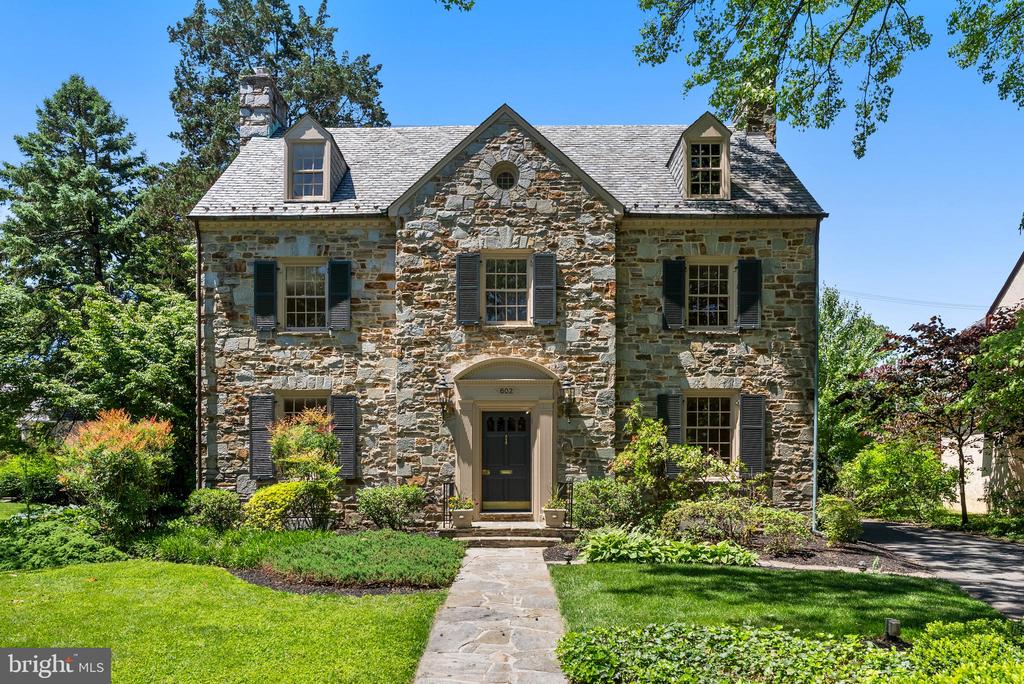
602 STONELEIGH ROAD, BALTIMORE, MD 21212
Sold

6401-A Murray Hill Rd, Baltimore, MD 21212
Sold

303 Goodwood Gdns, Baltimore, MD 21210
Sold
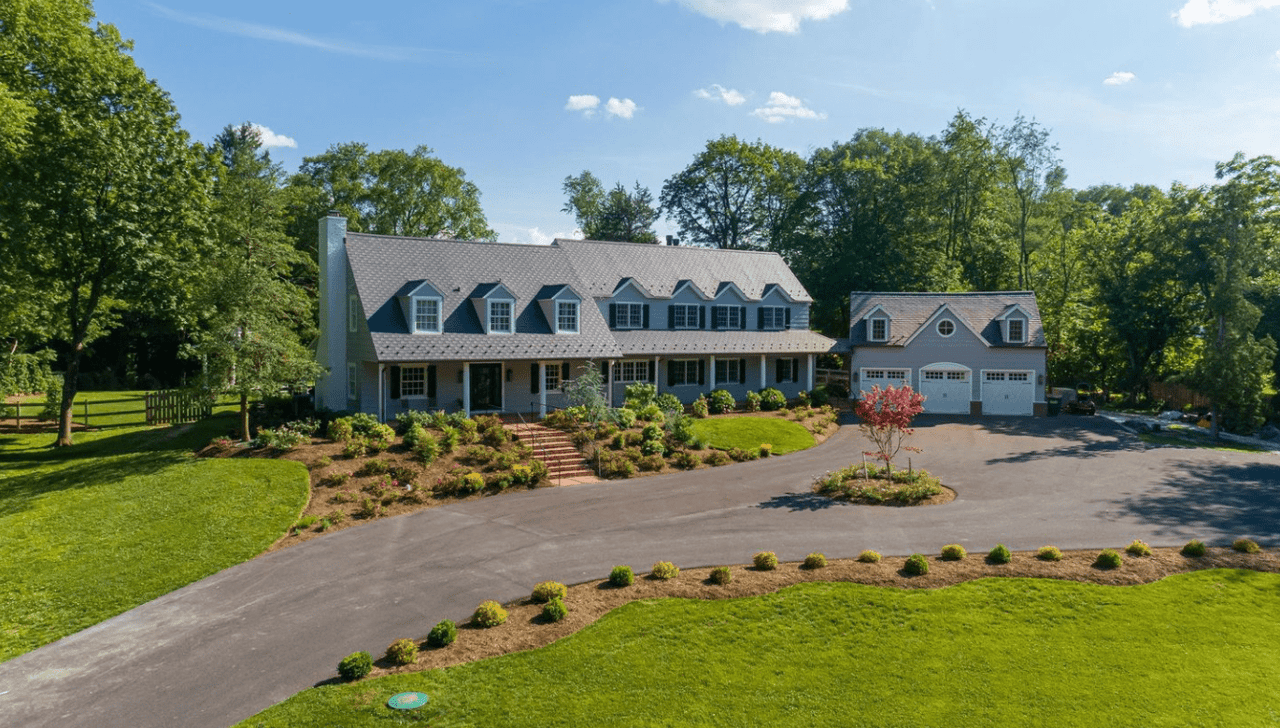
1840 Greenspring Valley Rd , Owings Mills, MD 21117
Sold
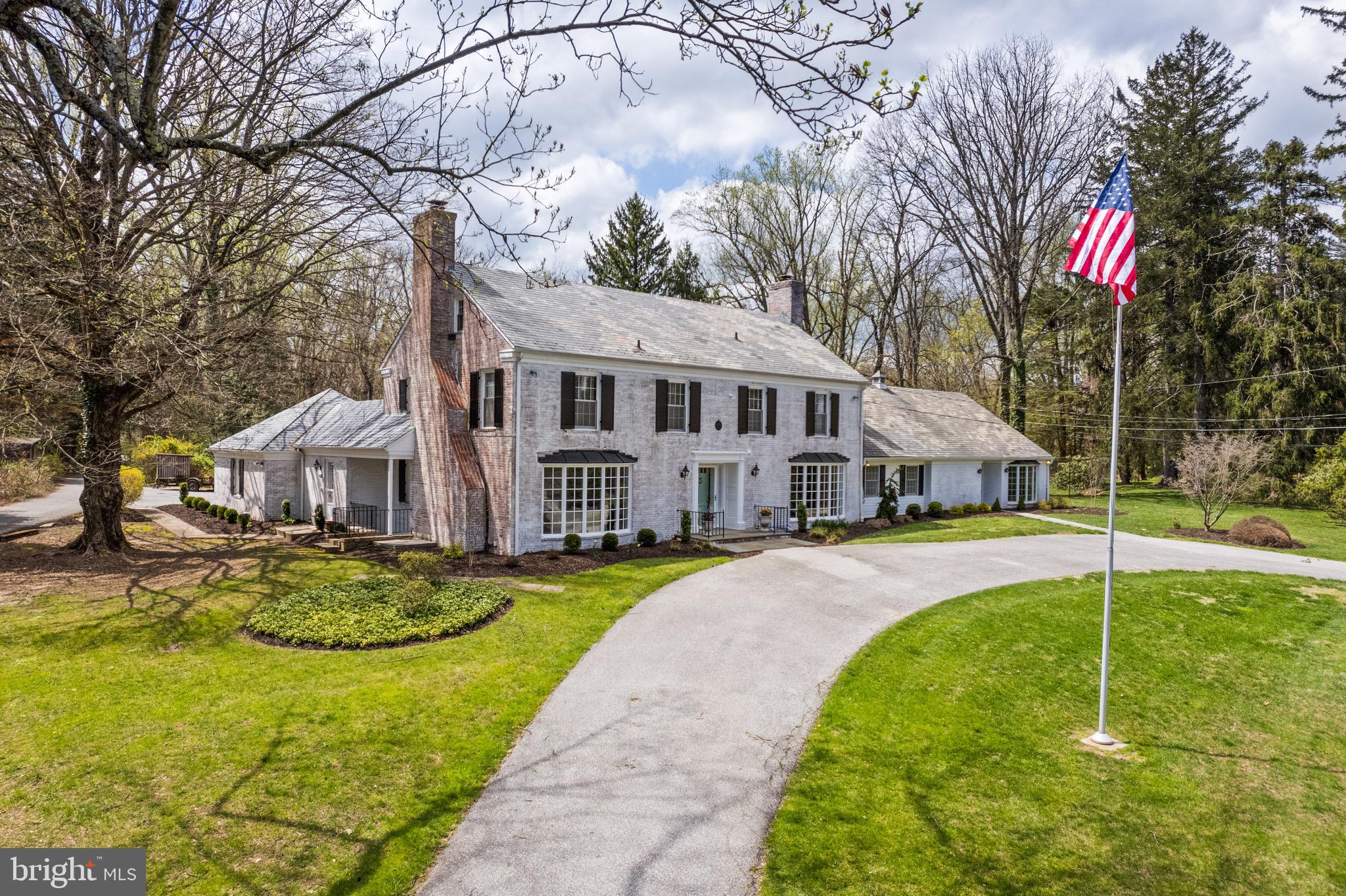
7505 LHIRONDELLE CLUB ROAD, TOWSON, MD 21204
Sold

6510 Chantilly Dr, Sykesville, MD 21784
Sold

1510 SEMINARY AVENUE W, LUTHERVILLE TIMONIUM, MD 21093
Sold

7 BROOKSTONE COURT, LUTHERVILLE TIMONIUM, MD 21093
Sold
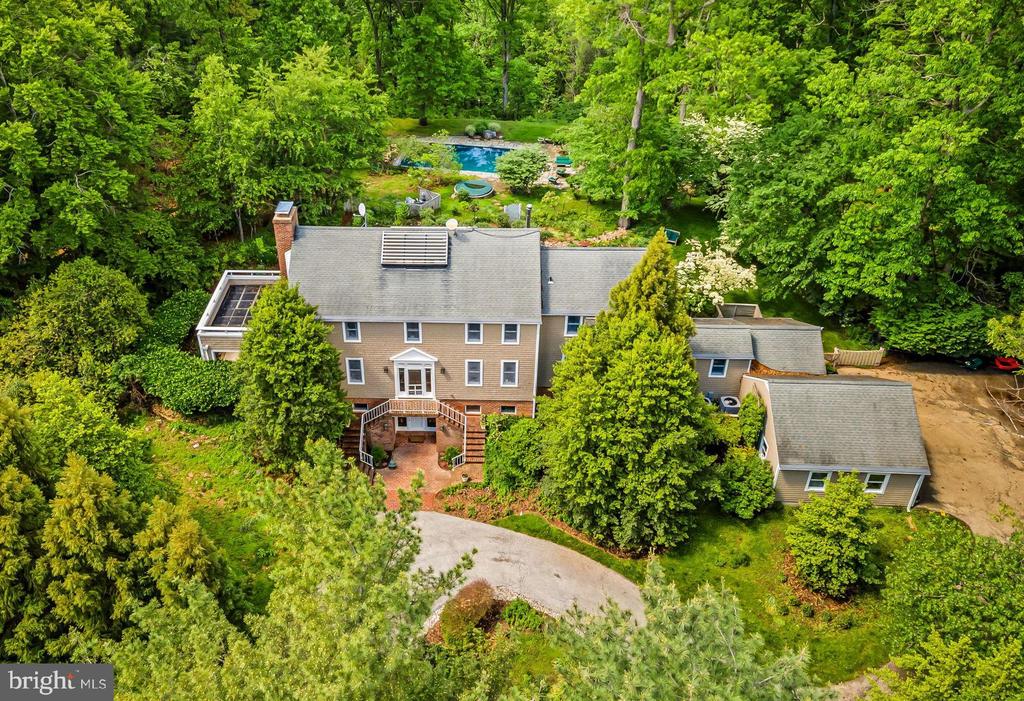
831 HILLSIDE ROAD, LUTHERVILLE TIMONIUM, MD 21093
Sold

714 #2 Western Run Rd, Cockeysville, MD 21030
Sold
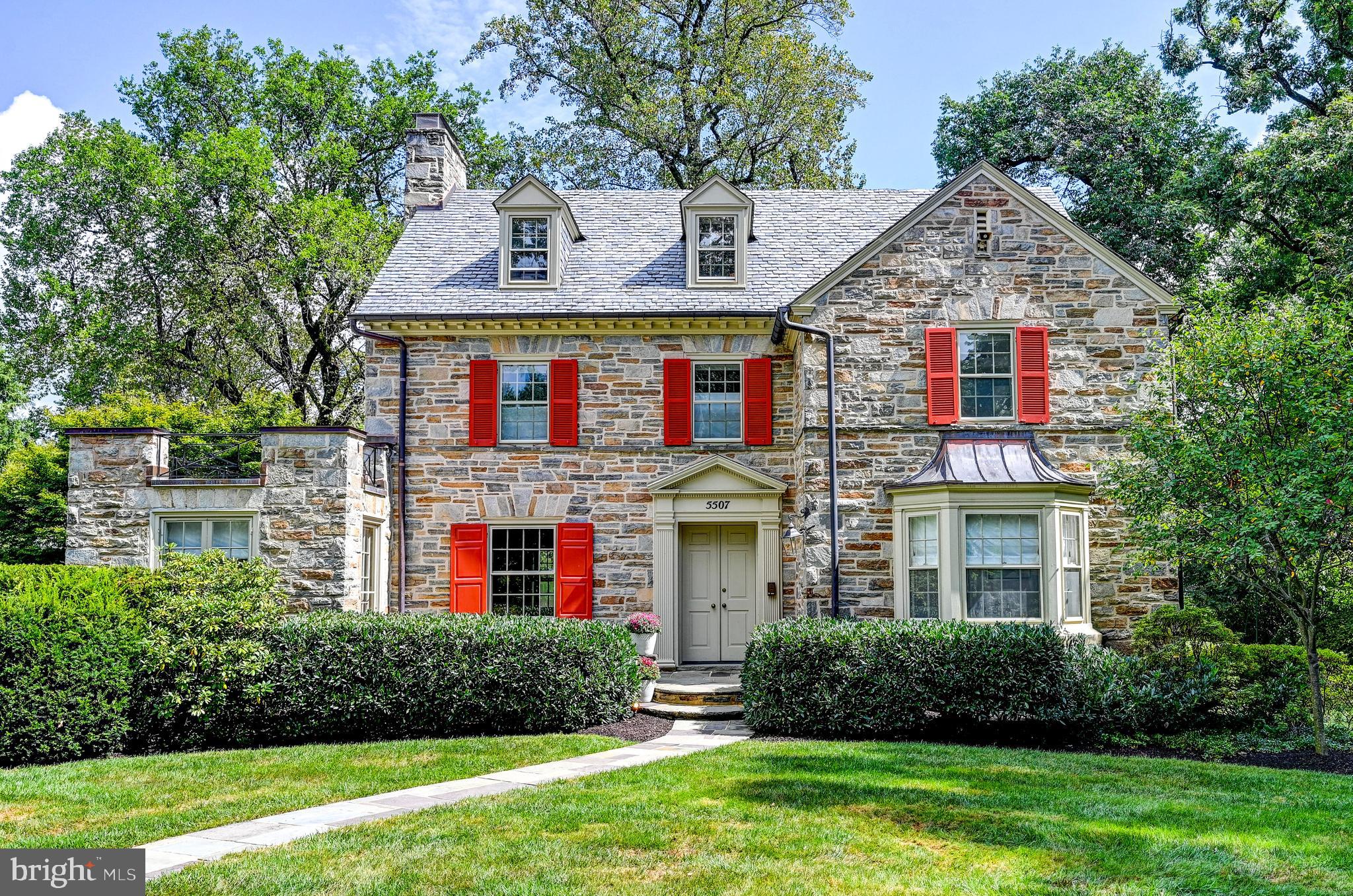
5507 SAINT ALBANS WAY, BALTIMORE, MD 21212
Sold

2919 CAVES ROAD, OWINGS MILLS, MD 21117
Sold
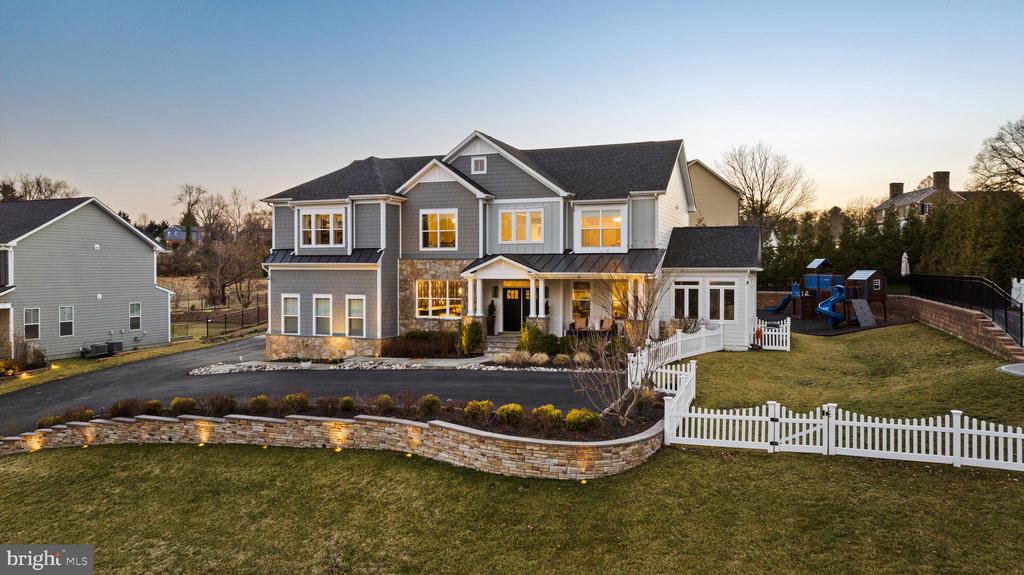
1107 COWPENS AVENUE, TOWSON, MD 21286
Sold
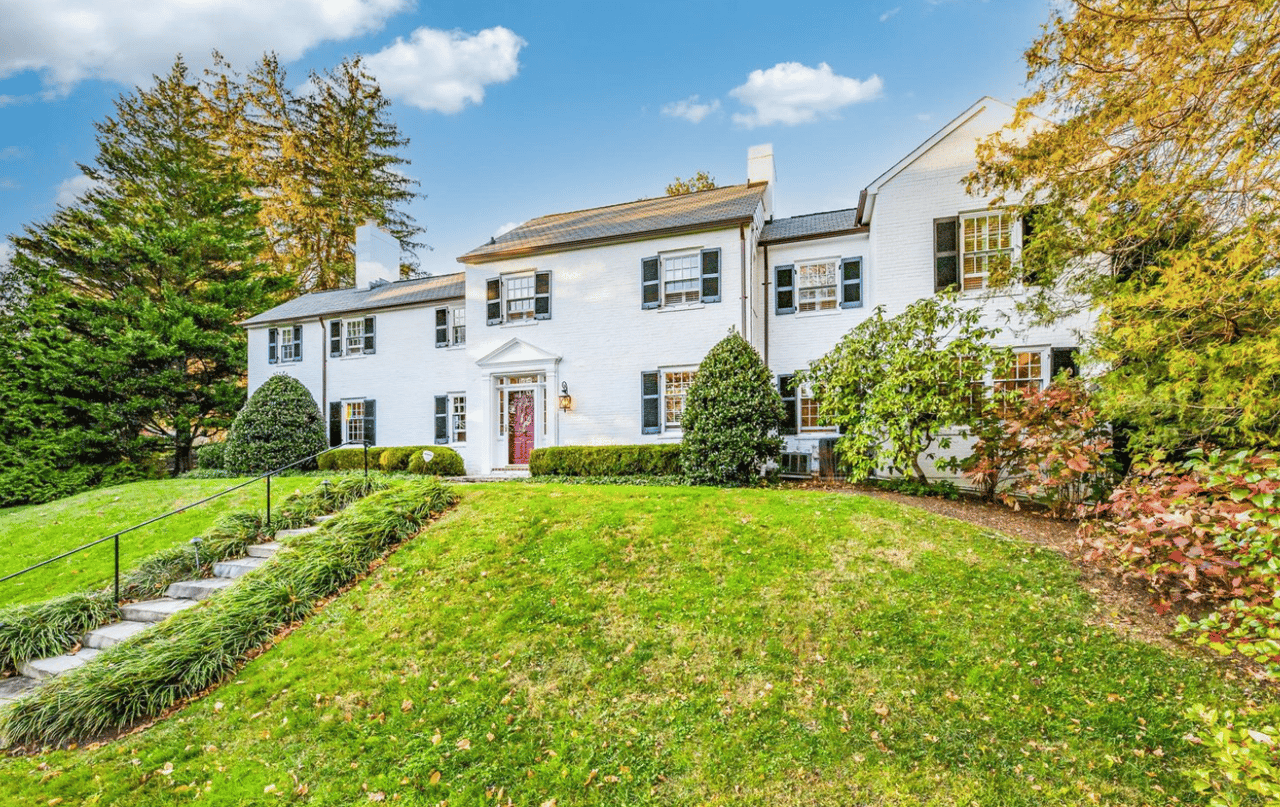
1406 Malvern Ave , Baltimore, MD 21204
Sold
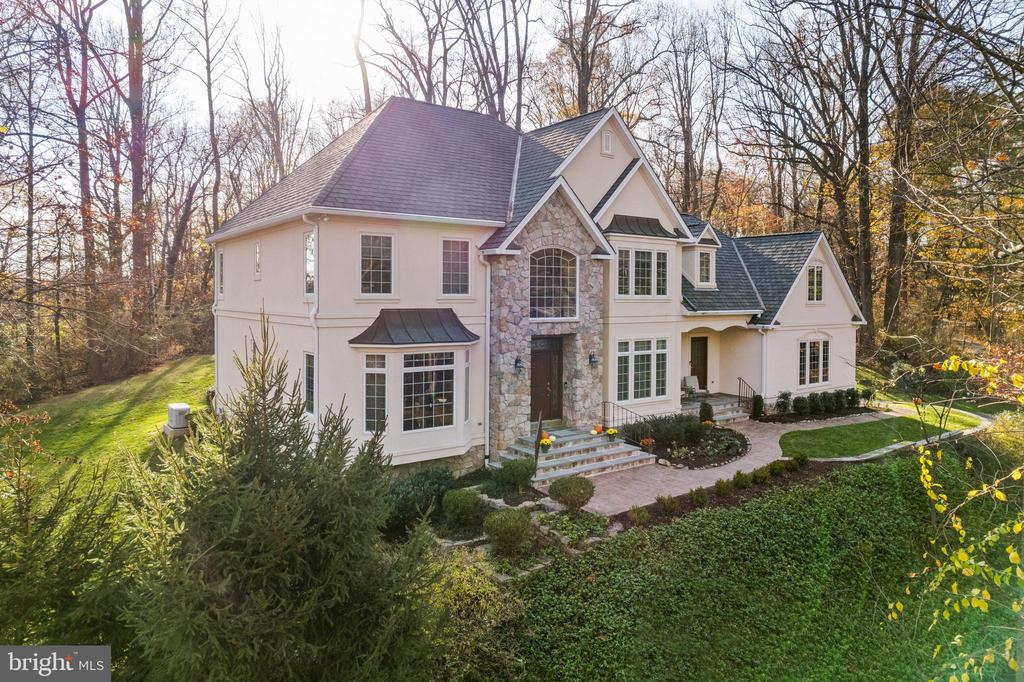
2101 OUR LANE, STEVENSON, MD 21153
Sold
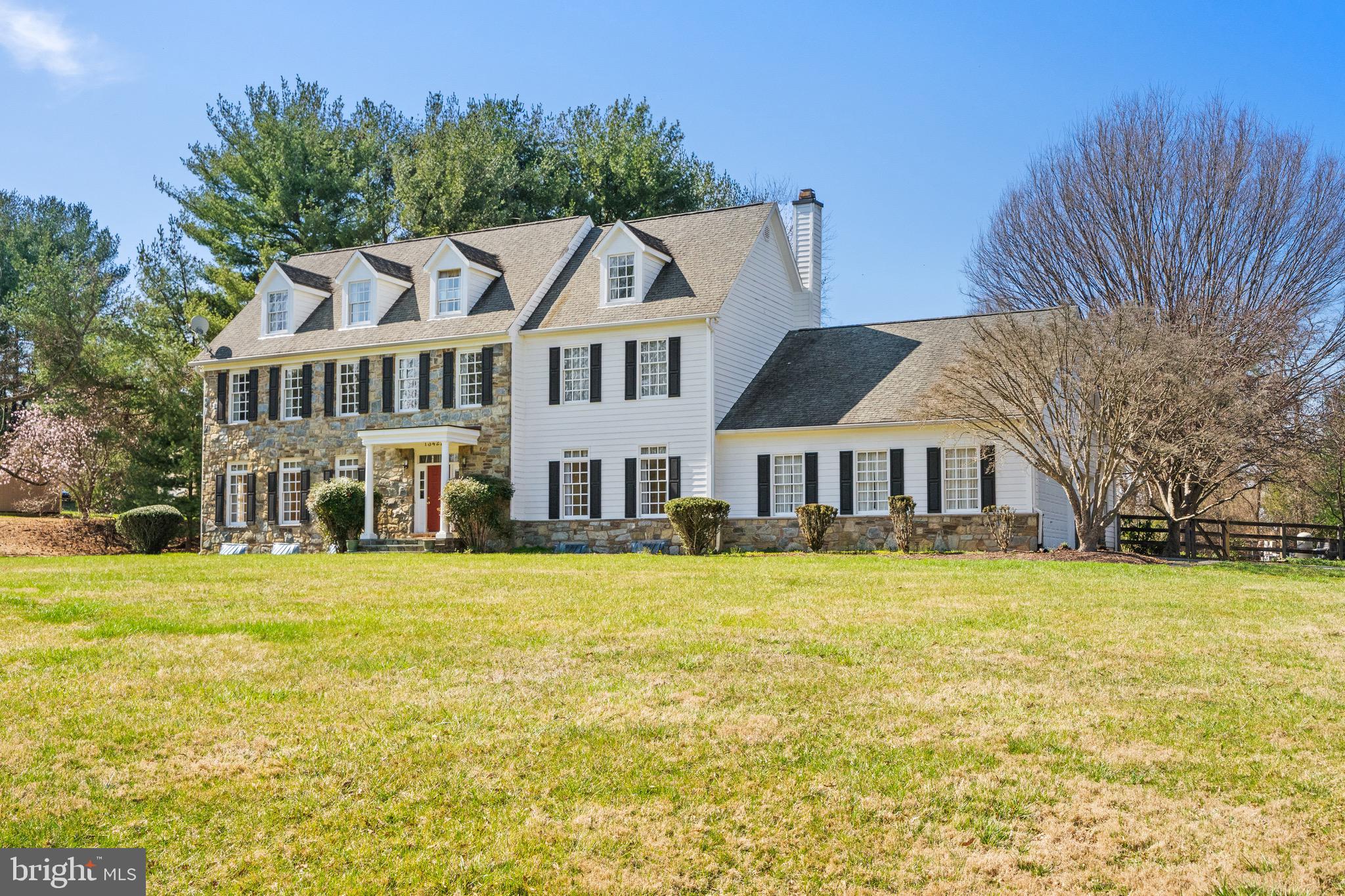
13422 QUERY MILL ROAD, NORTH POTOMAC, MD 20878
Sold

4201 Greenway, Baltimore, MD 21218
Sold

1724 Hillside Rd, Stevenson, MD 21153
Sold

105 Millbrook Rd, Baltimore, MD 21218
Sold
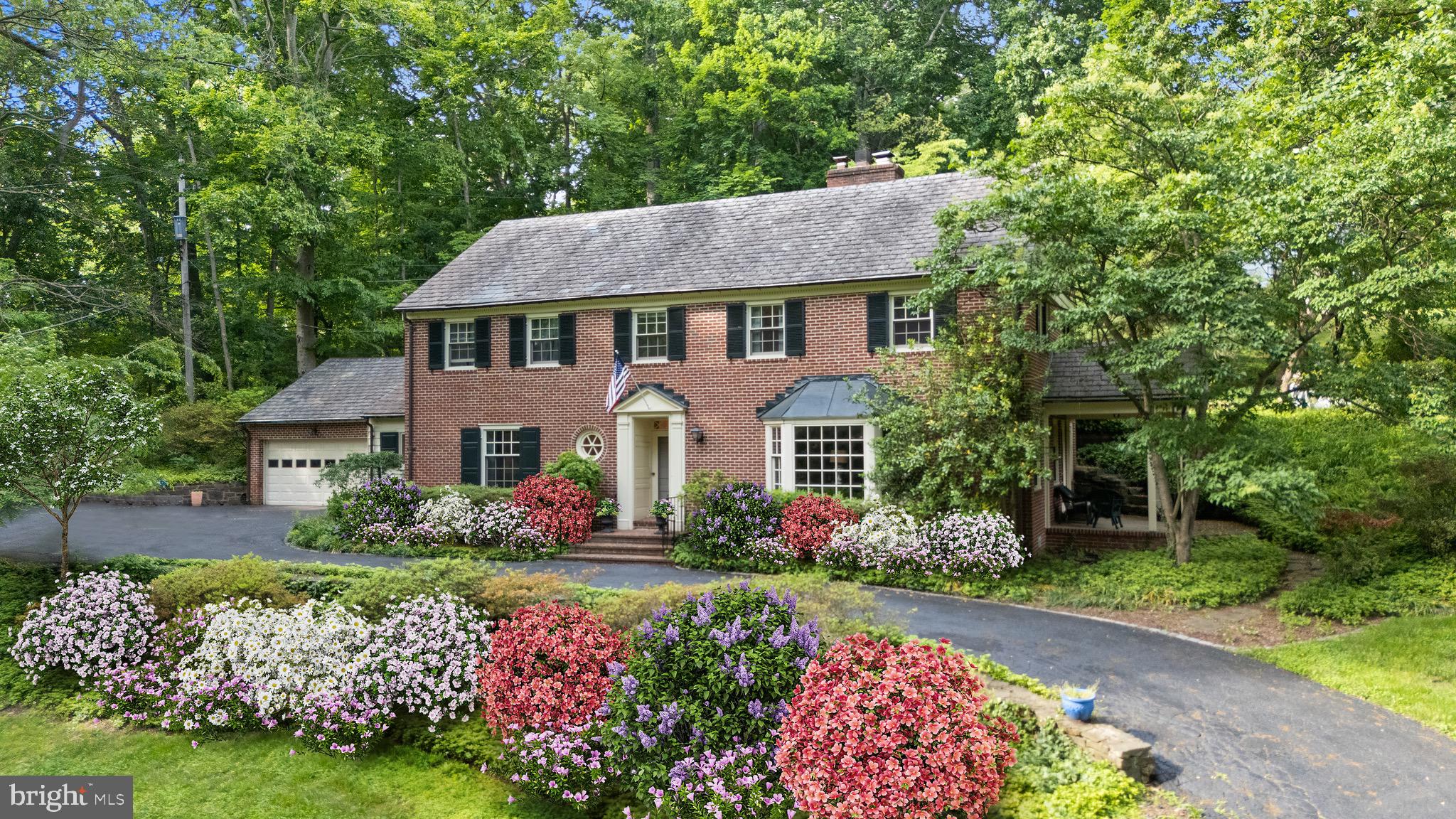
1104 MALVERN AVENUE, RUXTON, MD 21204
Sold
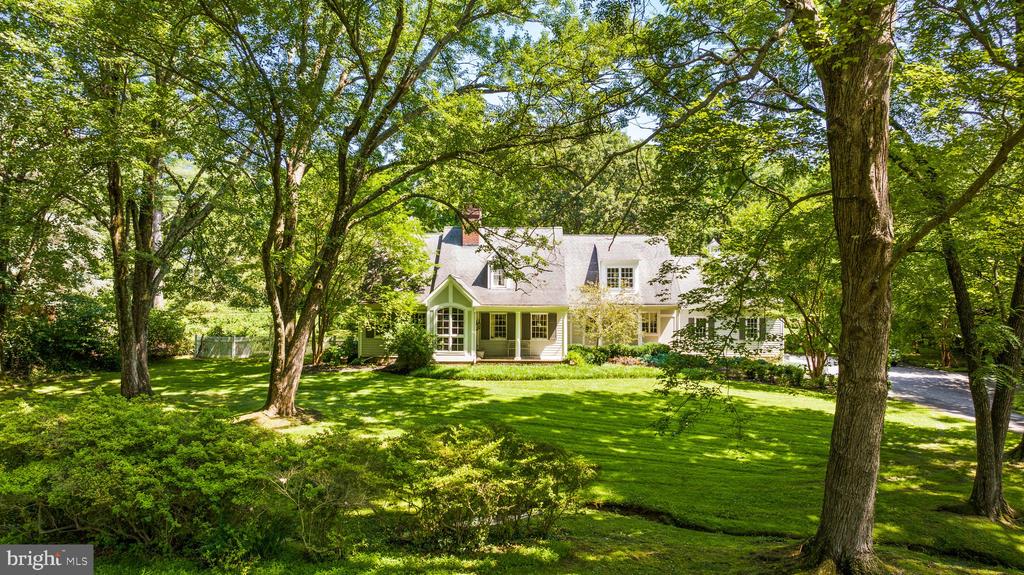
4 CHITTENDEN LANE, OWINGS MILLS, MD 21117
Sold

5 Forwood Ct, Cockeysville, MD 21030
Sold
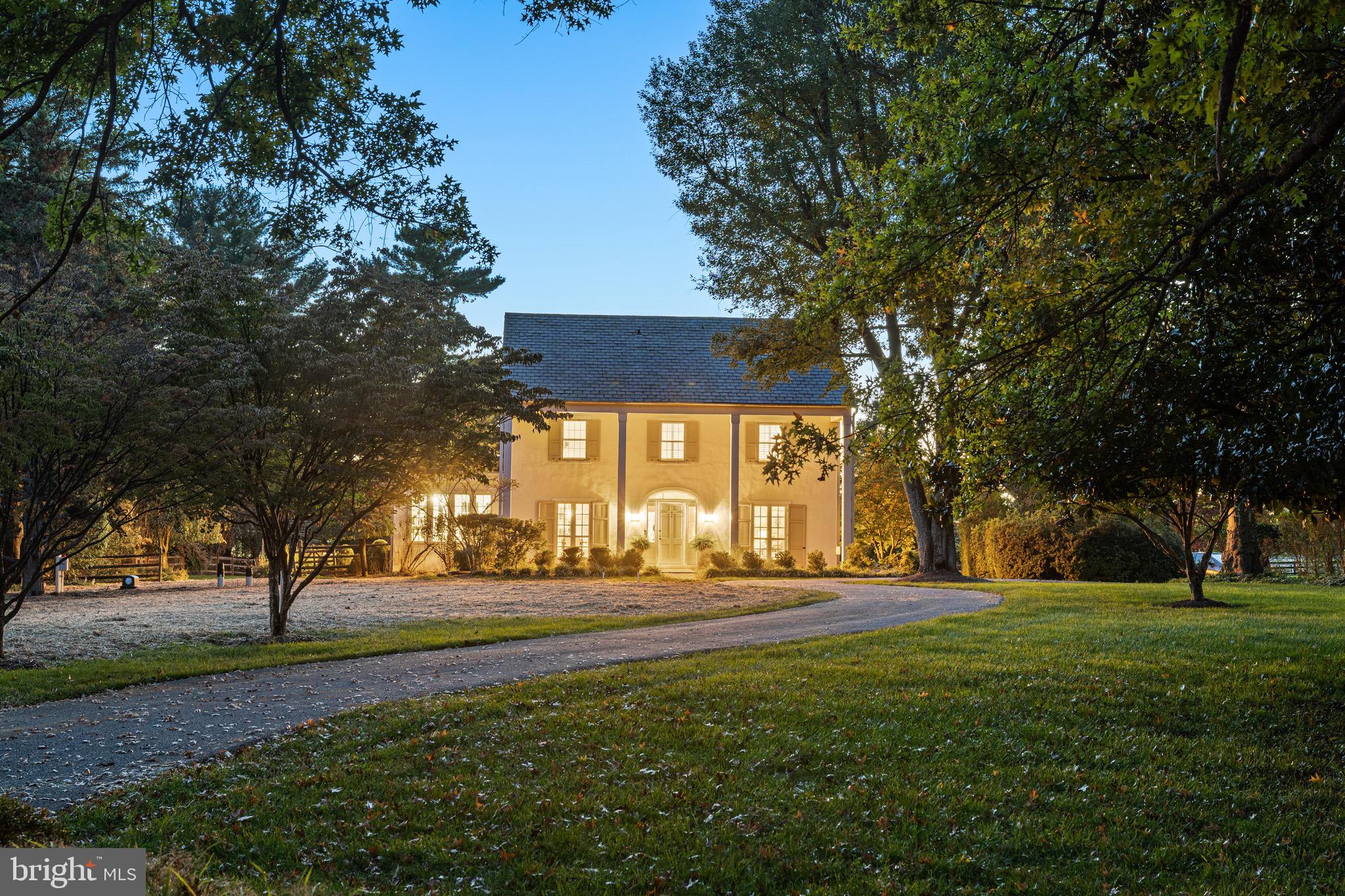
206 GARRISON FOREST ROAD, OWINGS MILLS, MD 21117
Sold

7919 Sherwood Ave, Towson, MD 21204
Sold
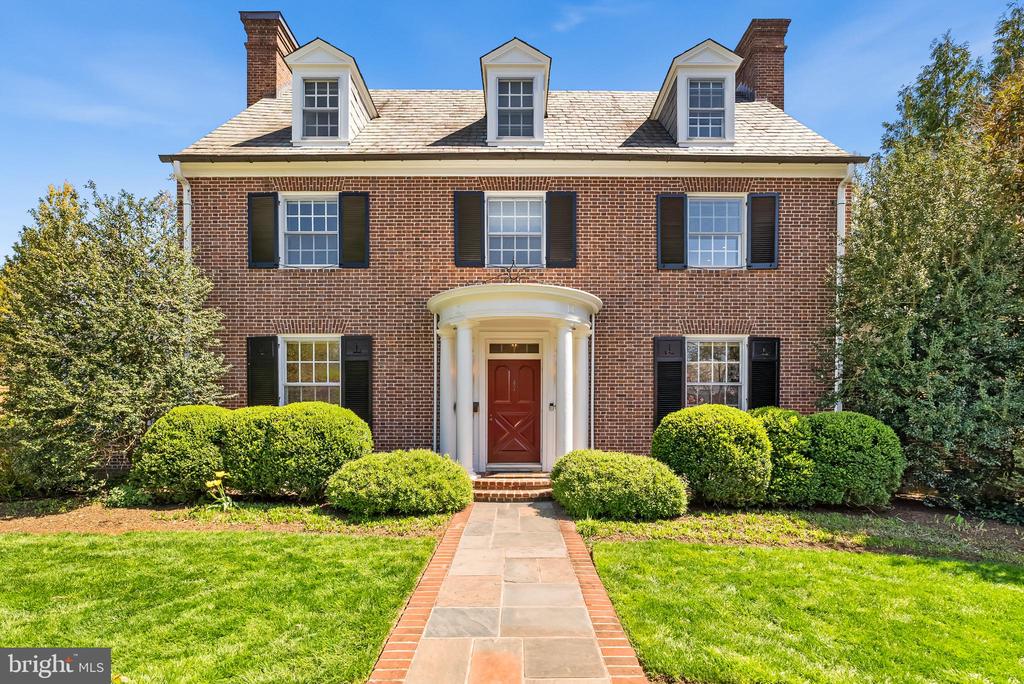
4409 BEDFORD PLACE, BALTIMORE, MD 21218
Sold
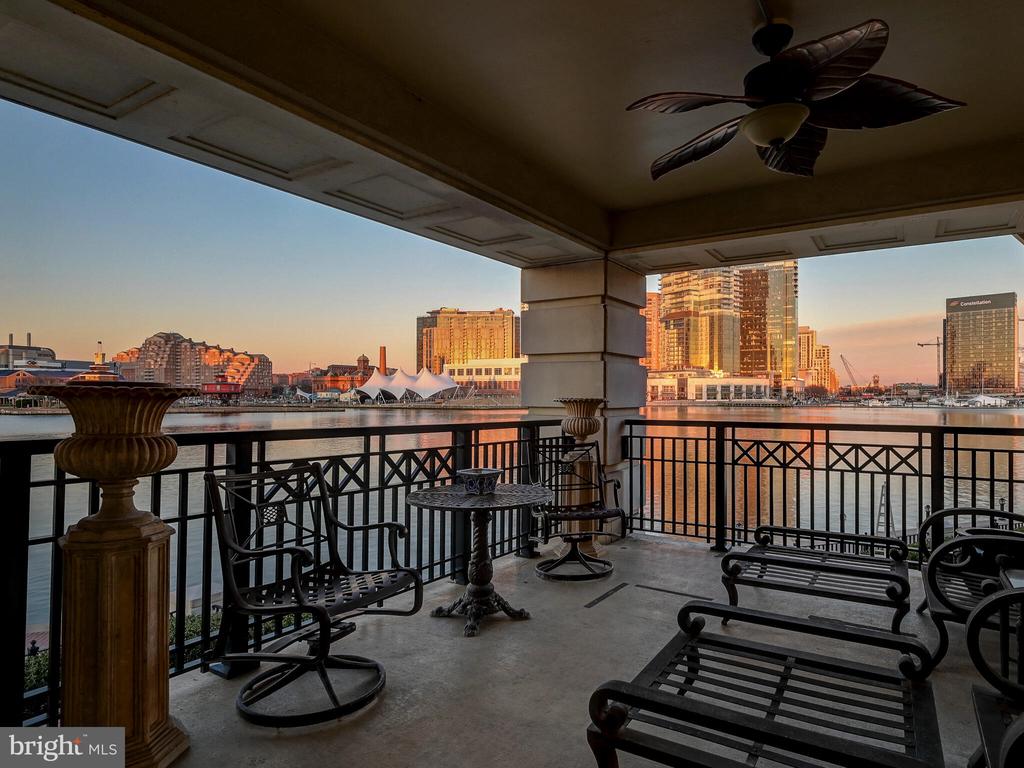
801 KEY HIGHWAY Unit: 210, BALTIMORE, MD 21230
Sold
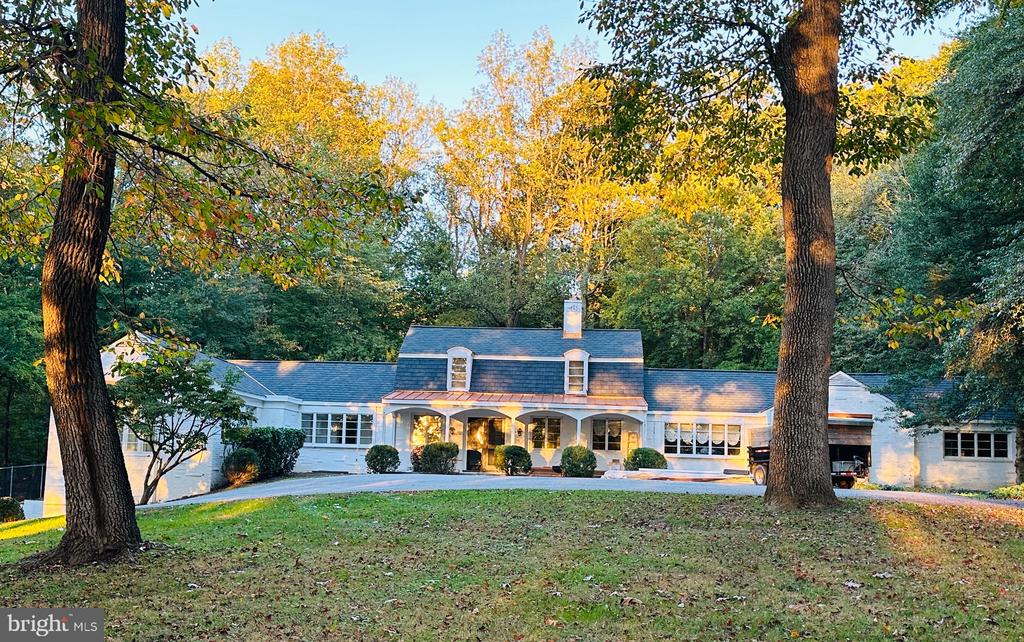
7 CAVESWOOD LANE, OWINGS MILLS, MD 21117
Sold
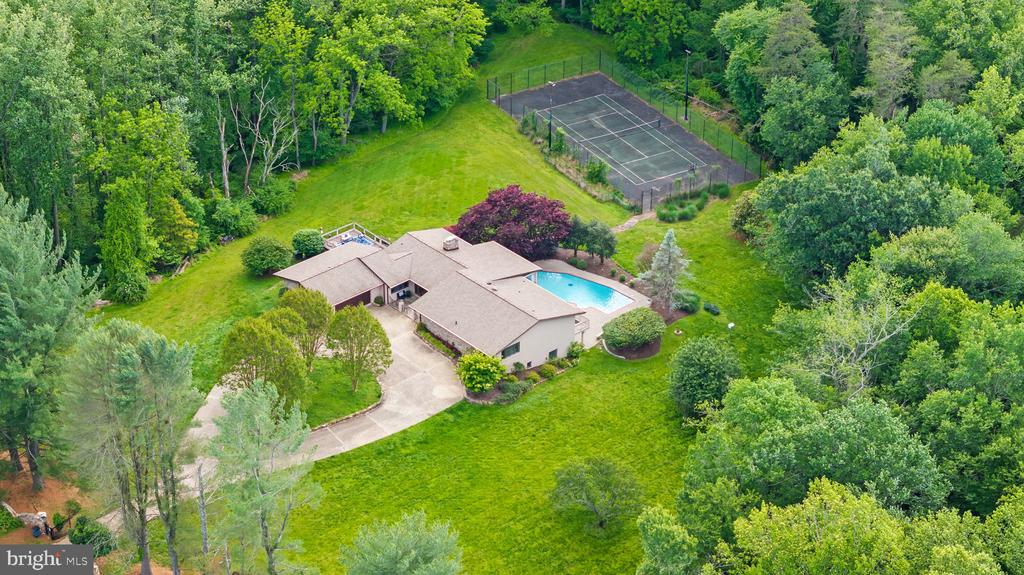
18 MANOR BROOK ROAD, MONKTON, MD 21111
Sold
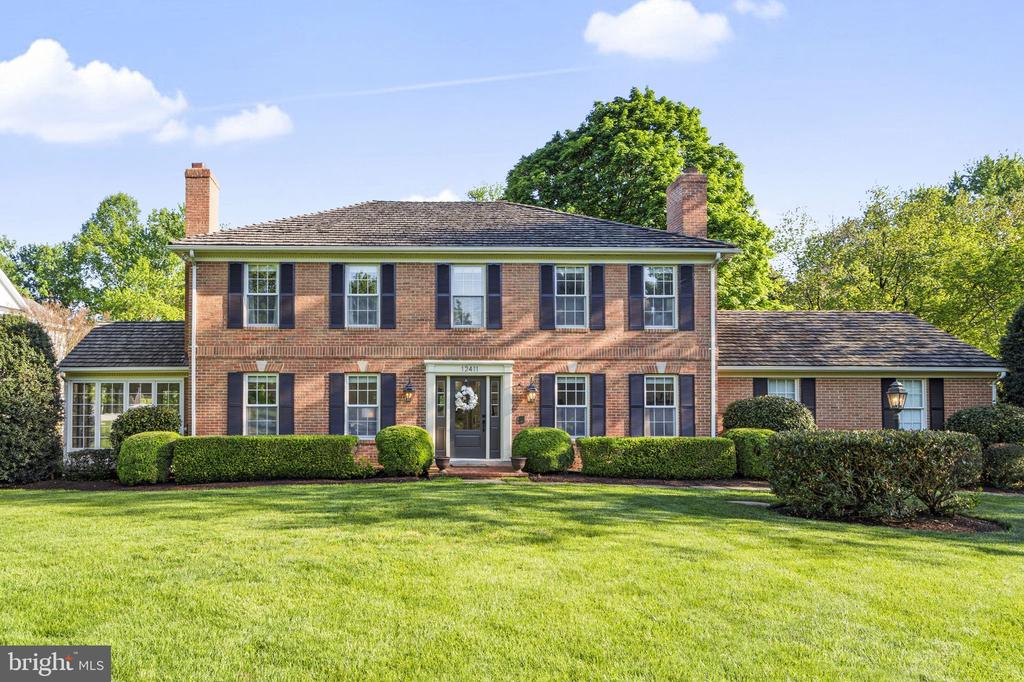
12411 PENELOPE COURT, FULTON, MD 20759
Sold
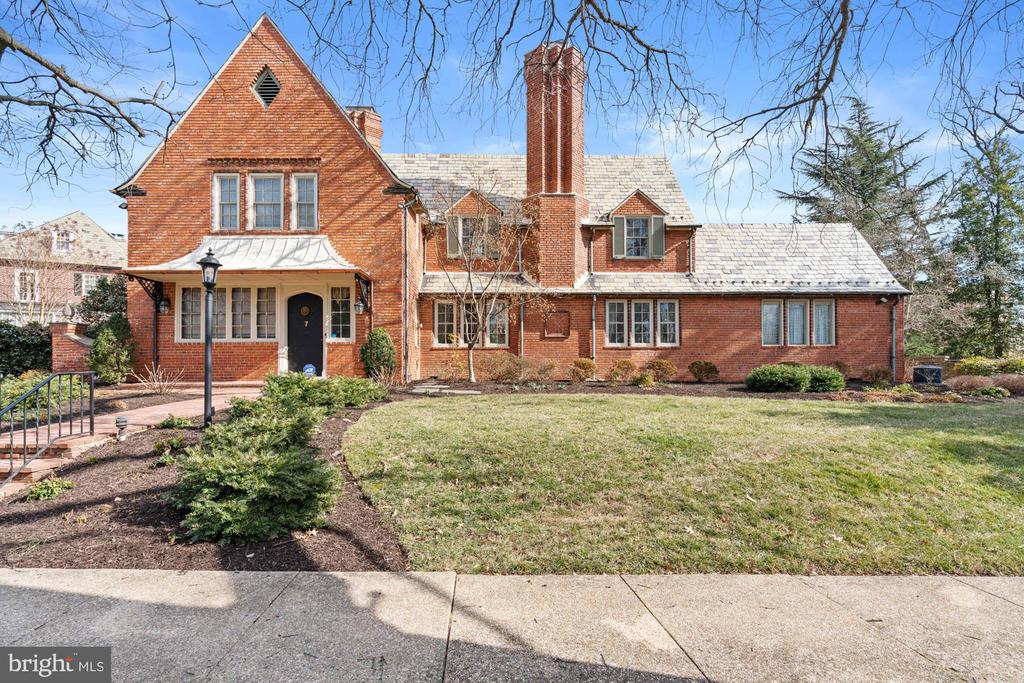
7 CHARLCOTE PLACE, BALTIMORE, MD 21218
Sold
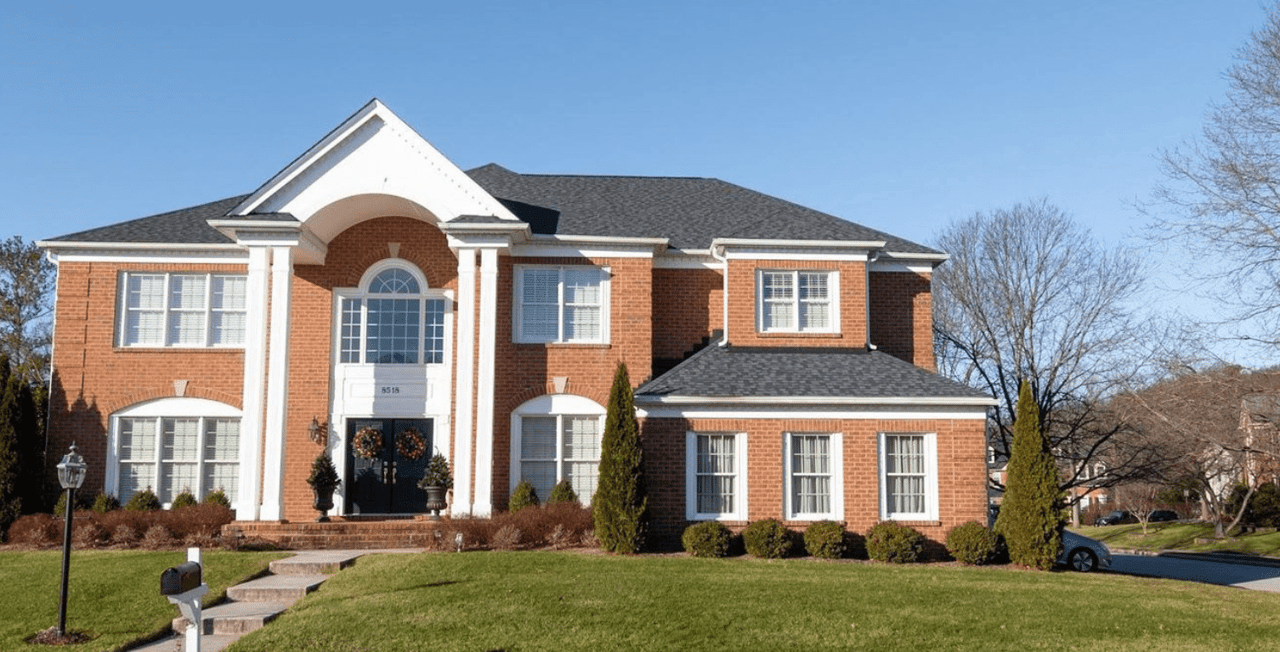
8518 Southfields Cir, Lutherville-Timonium, MD 21093
Sold

101 Market St, Annapolis, MD 21401
Sold

1000 Cold Bottom Rd, Sparks, MD 21152
Sold
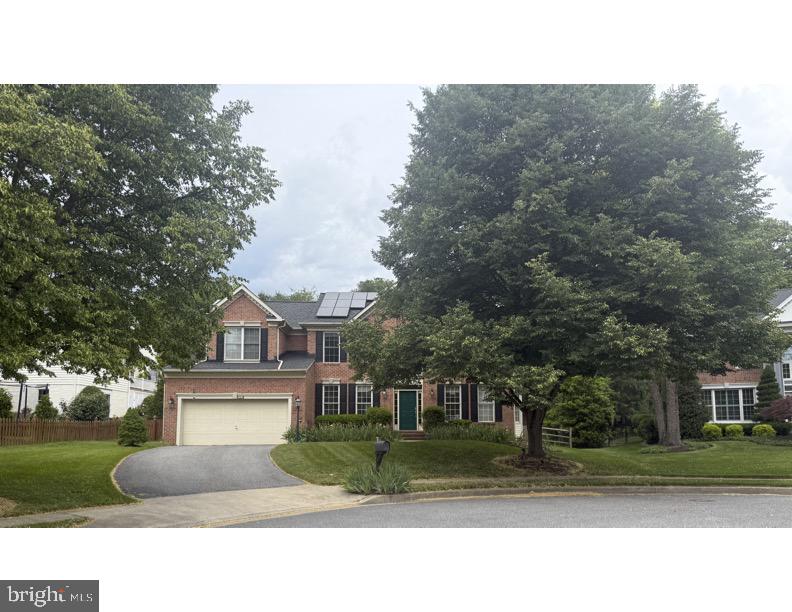
4 CRESTLEIGH PLACE, LUTHERVILLE TIMONIUM, MD 21093
Sold
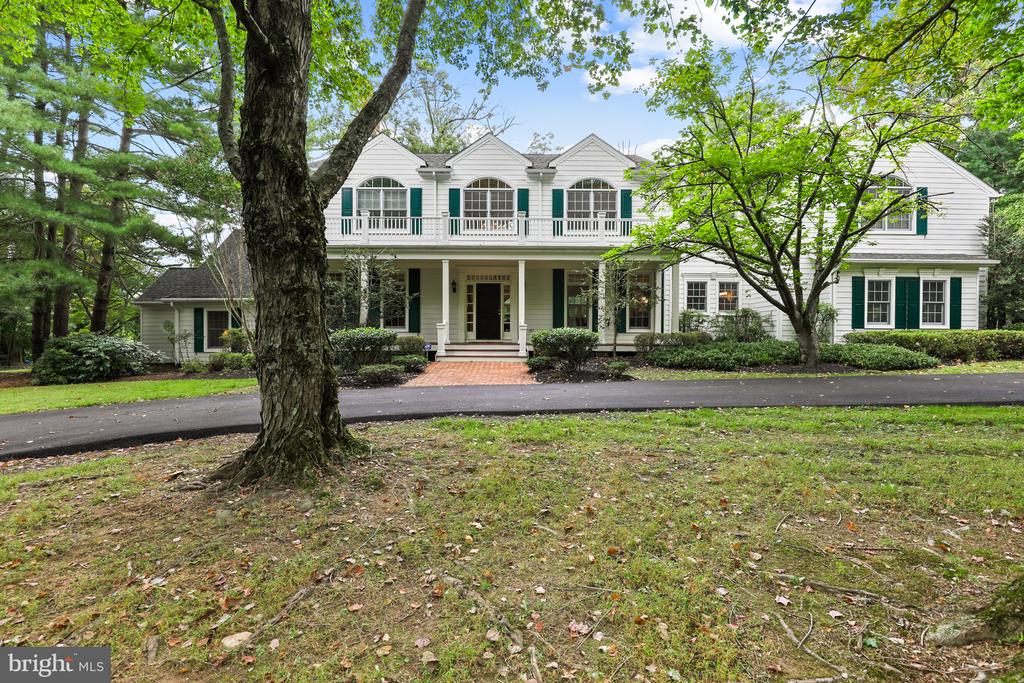
2218 CAVES ROAD, OWINGS MILLS, MD 21117
Sold
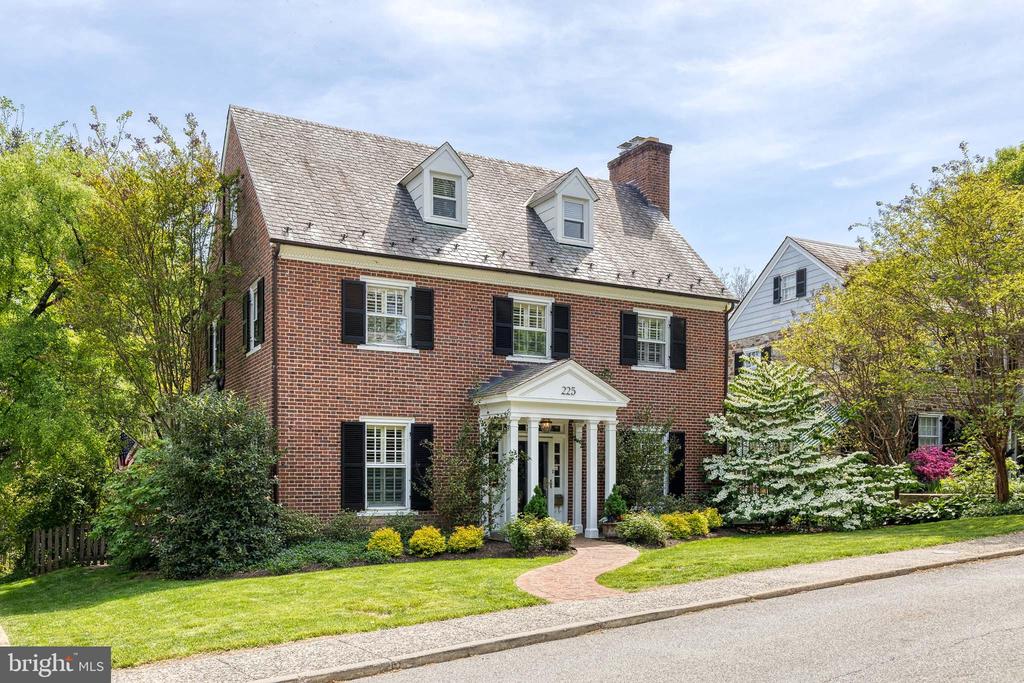
225 TUNBRIDGE ROAD, BALTIMORE, MD 21212
Sold
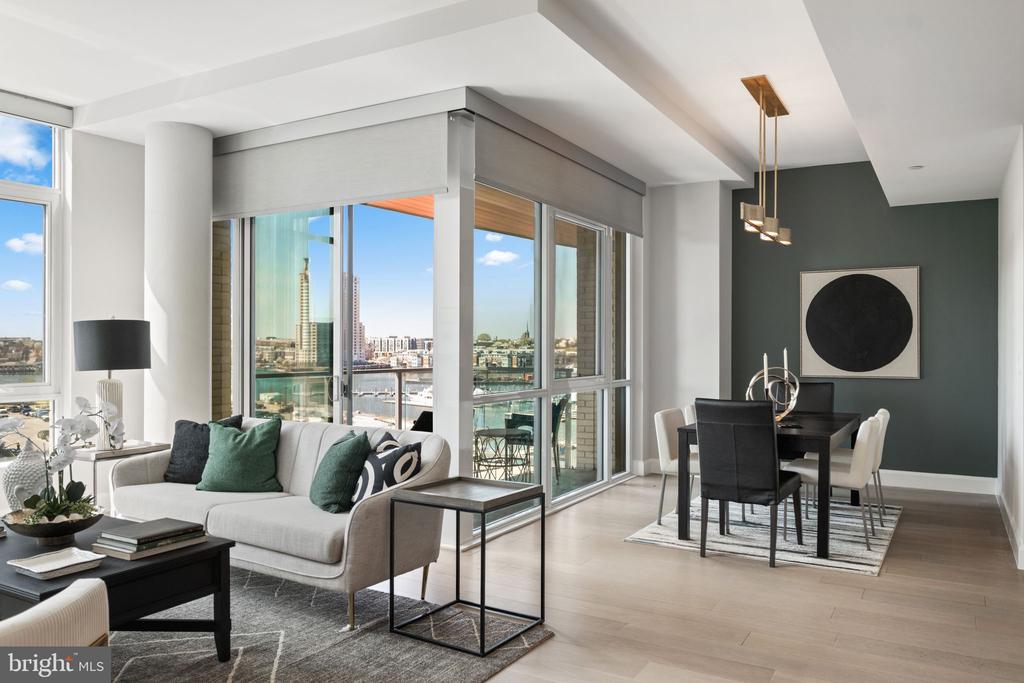
1330 LANCASTER STREET Unit: C603, BALTIMORE, MD 21231
Stay up to date on the latest real estate trends.