Buying Worthington Valley Equestrian Homes With Confidence
April 2, 2026
April 2, 2026
If you are searching for an equestrian or large-lot home in Worthington Valley, you are not just buying a house. You are buying land, use rights, infrastructure, and a rural lifestyle that comes with very different rules than a typical suburban purchase. The good news is that with the right due diligence, you can move forward with far more confidence. Let’s dive in.
Worthington Valley stands out because it sits within one of Baltimore County’s best-known horse-country settings. VisitMaryland’s Horses & Hounds Scenic Byway overview highlights the Green Spring and Worthington Valleys, along with local equestrian landmarks like the Maryland Hunt Cup, Shawan Downs, and Sagamore Farm.
That setting is part of the appeal if you want open space, riding culture, and a more rural feel while staying connected to the Baltimore region. Maryland’s horse presence is also substantial. According to University of Maryland Extension, the state is home to more than 94,000 horses and ranks first in the country for horses per square mile.
Preservation also shapes the area’s character. Baltimore County reports more than 70,000 acres of protected farmland, natural lands, waterfront, and stream valleys, which helps explain why large parcels here often exist within a heavily preserved landscape rather than in a typical low-density subdivision.
One of the biggest mistakes buyers make is assuming every large parcel allows the same activities. In Worthington Valley, zoning can vary from property to property, and that can directly affect how you use the land, where you build, and what kinds of structures may be allowed.
Baltimore County includes several rural zoning categories, such as RC 2 Agricultural, RC 4 Watershed Protection, RC 5 Rural Residential, RC 6 Rural Conservation and Residential, RC 7 Resource Preservation, and RC 8 Environmental Enhancement. The county’s zoning classifications and My Neighborhood tools can help you verify the exact zoning for a specific parcel.
Before you make an offer, confirm:
This is where a large-lot purchase becomes a land-use transaction, not just a home search.
In Worthington Valley, conservation easements are common enough that you should expect them to come up. A conservation easement is a recorded deed agreement that protects farmland, scenic views, and natural resources, and Baltimore County states that these easements run with the property in perpetuity.
That means future owners remain bound by the same recorded restrictions. The county also makes clear that an easement does not automatically grant public access, which is an important point for buyers who worry that preserved land means open access to others. You can review Baltimore County’s land preservation guidance for the county’s explanation.
If a property is subject to an easement, read the deed carefully and contact the easement holder before planning changes. That matters if you are thinking about adding a structure, adjusting the layout of the property, or making other site modifications.
There may also be a tax angle. Baltimore County notes that qualifying properties subject to a perpetual conservation easement may be eligible for a Conservation Land Tax Credit, which can equal 100 percent of the annual county property tax obligation for five years, subject to the county’s requirements.
Some large-lot and estate properties in this area may also have historic considerations. Baltimore County says properties in a county historic district or on the Landmarks List may be subject to Historic Review for certain exterior alterations and site modifications.
That can include work on fences, pools, sheds, grading, and driveways. If you are buying with renovation plans in mind, you will want to understand that review process before closing, not after. The county also notes that some properties listed on the National Register of Historic Places, or contributing resources within a National Register Historic District, may qualify for historic rehabilitation tax credits.
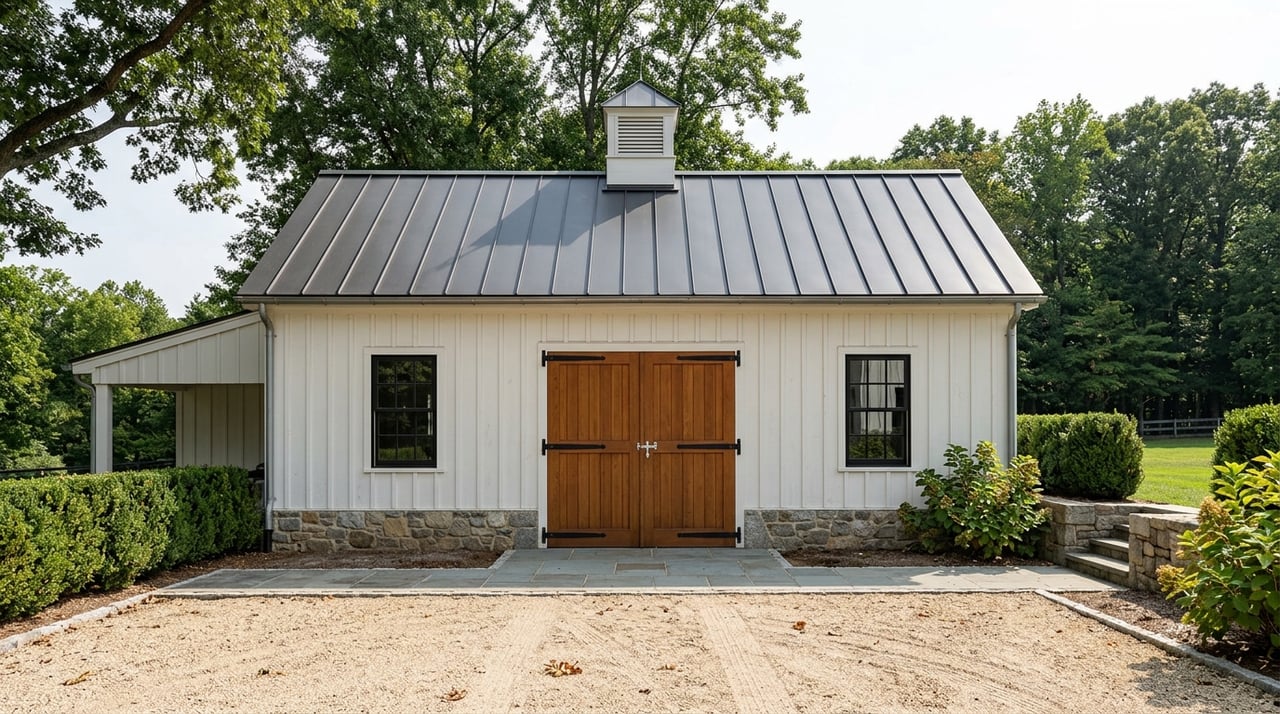
On horse property, the outbuildings matter almost as much as the house. A barn, run-in shed, equipment building, or detached garage may involve different rules depending on how the property is used.
Baltimore County explains that agricultural verification can affect how certain farm-related structures are reviewed. For example, some agricultural structures, such as barns used to store hay, may be exempt from certain code requirements through that process.
For non-agricultural accessory structures, the county’s zoning guidance says accessory buildings generally require minimum setbacks from rear and side property lines and have height limits unless a variance is granted. The county also states that permits are required for accessory structures over 120 square feet and for structures in places like floodplains, historic districts, Landmarks List properties, or the Chesapeake Bay Critical Area.
If the property is served by well and septic, site-plan requirements can also come into play. In practical terms, you should confirm whether every existing structure was properly permitted and whether your future plans are realistic under current rules.
Pasture quality is not just a visual issue. It is a management and cost issue that can affect how usable the property really is.
University of Maryland Extension’s horse pasture management guidance warns that improper grazing can lead to loss of vegetative cover, soil erosion, and nutrient runoff into nearby water sources. Extension also recommends routine pasture soil sampling, which shows why pasture condition deserves serious review during your home search.
When you walk a property, pay attention to:
A beautiful house on poorly functioning horse land can become an expensive fix.
If you plan to board horses or operate the property in a way that creates income, there may be additional regulatory considerations. According to University of Maryland Extension’s nutrient management guidance for Maryland horse farms, horse farms must have a nutrient management plan if the operation grosses $2,500 per year or more or has eight or more animal units.
Boarding income counts toward that threshold. The plan is written for the specific operation and addresses the amount, placement, and timing of manure and fertilizer application.
This is one of those issues that can surprise buyers who think they are purchasing a simple residence with acreage. If your intended use goes beyond casual personal enjoyment, ask questions early.
Many rural and large-lot properties are not served by public water and sewer, which means you need to think like a landowner as well as a homeowner. The Maryland Department of the Environment says homeowners with wells are responsible for the safety and maintenance of their own drinking water.
MDE recommends annual testing for total coliform bacteria, nitrates, total dissolved solids, and pH. The agency also advises homeowners to contact the county health department if water changes in odor, taste, or appearance.
Septic is just as important. MDE states that anyone performing a property transfer inspection of an on-site sewage disposal system must be licensed, and the inspection must use the department’s standard form. You can review those rules through the state’s on-site wastewater professionals information.
For buyers, that usually means:
Insurance for an equestrian or large-lot property is often more nuanced than buyers expect. The Maryland Insurance Administration’s farm insurance guidance notes that agricultural operations can create different liability exposures and insurance needs.
That means you should not assume a standard homeowners policy will fully reflect the way the property is actually used. If barns, fencing, paddocks, or horse activity are part of the purchase, ask whether the insurer is underwriting the property as a standard residence, a hobby farm, or a farm risk.
The Maryland Insurance Administration’s homeowners insurance tips also explain that policy terms control coverage, certain detached structures may be covered, and homeowners policies typically exclude flood losses. FEMA likewise states that most homeowners insurance does not cover flood damage, so flood coverage is a separate issue to review where relevant.
Trail access is often part of the dream, but you will want to verify the details. The Maryland Department of Natural Resources equestrian access information confirms that horseback riders are welcome on the Torrey C. Brown Rail Trail, but it also notes that parking is very limited, the park is open sunrise to sunset, and not all nearby trails are appropriate for horseback riding.
That does not make trail access a negative. It simply means you should test your assumptions. If regular trailer-in riding or convenient public access is part of your plan, confirm the logistics before you finalize the purchase.
When you are evaluating an equestrian or large-lot home in Worthington Valley, keep your due diligence focused on both the home and the land.
Use this checklist as a starting point:
In other words, the right purchase is not just the prettiest property. It is the one that matches how you plan to live on the land.
Worthington Valley can offer a rare combination of scenery, acreage, and equestrian appeal in Baltimore County, but the best outcomes usually come from disciplined, property-specific research. If you want experienced guidance on evaluating large-lot and estate purchases in this market, connect with The Batoff Group to request a complimentary market consultation.
Explore our past transactions.
Sold
10600 PARK HEIGHTS AVENUE, OWINGS MILLS, MD 21117
Sold
12220 WORTHINGTON ROAD, OWINGS MILLS, MD 21117
Sold
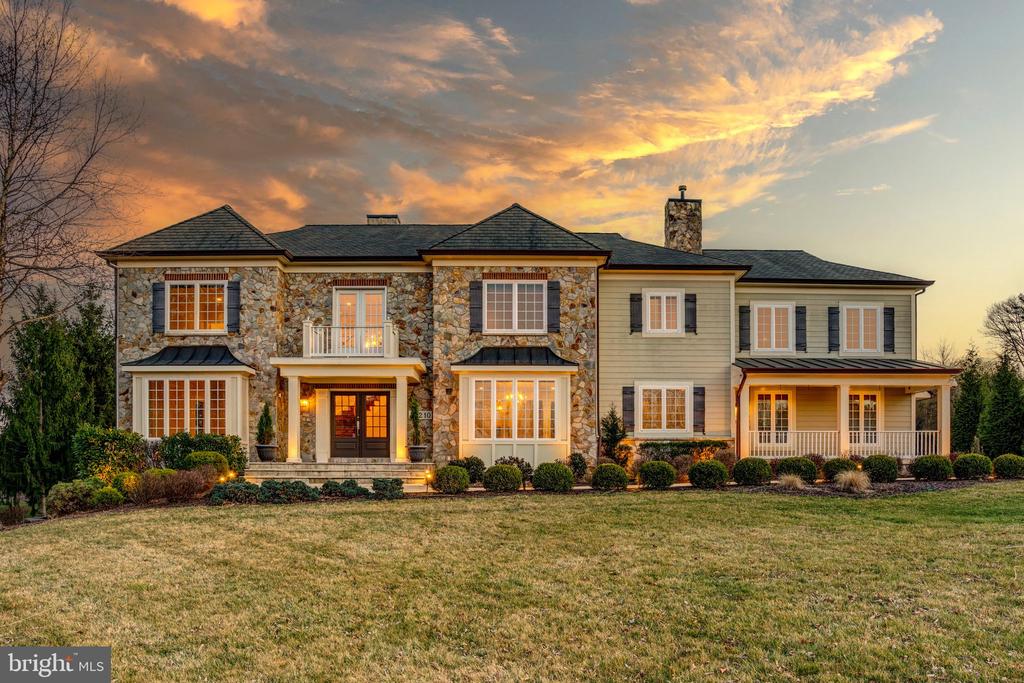
12210 WORTHINGTON, OWINGS MILLS, MD 21117
Sold
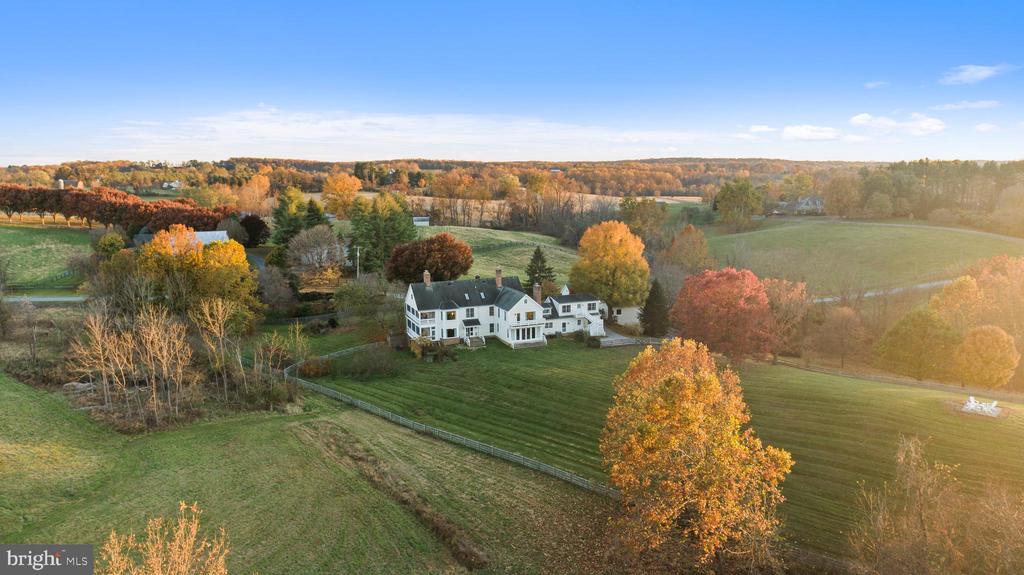
2310 GADD ROAD, COCKEYSVILLE, MD 21030
Sold
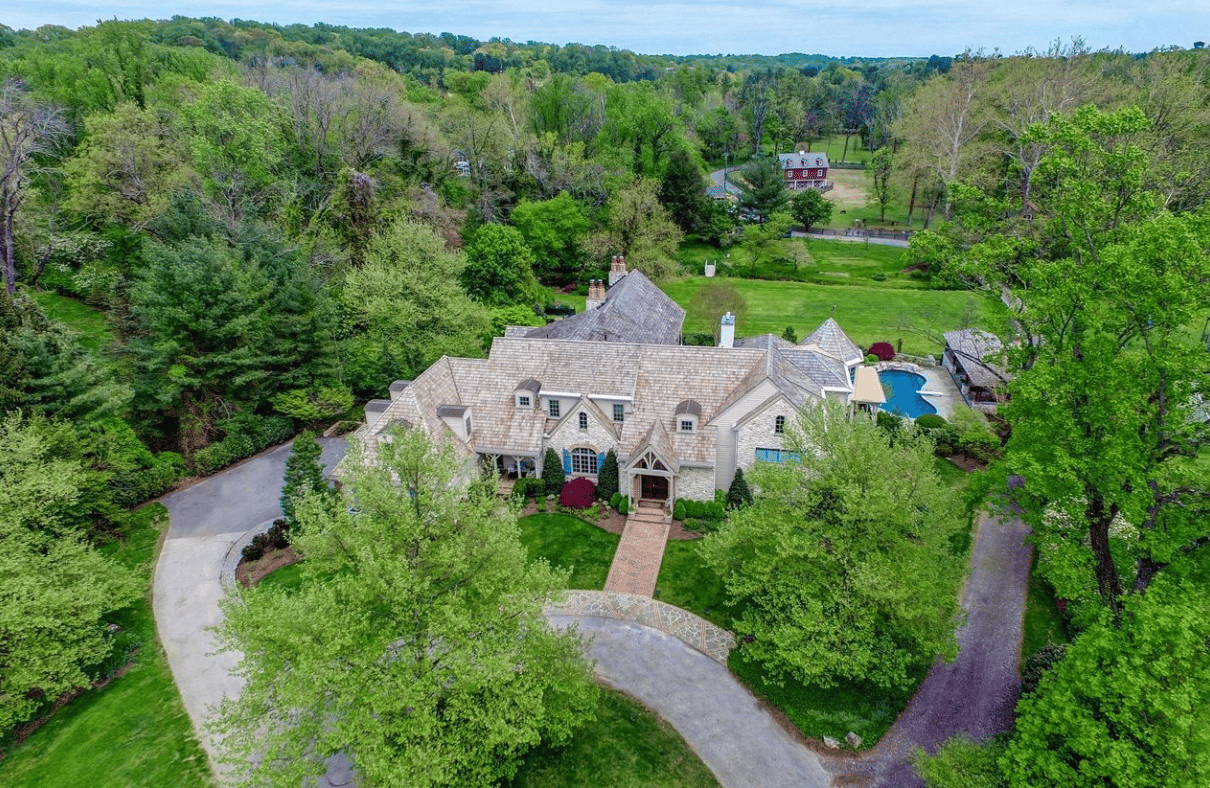
10807 Greenspring Ave, Lutherville-Timonium, MD 21093
Sold
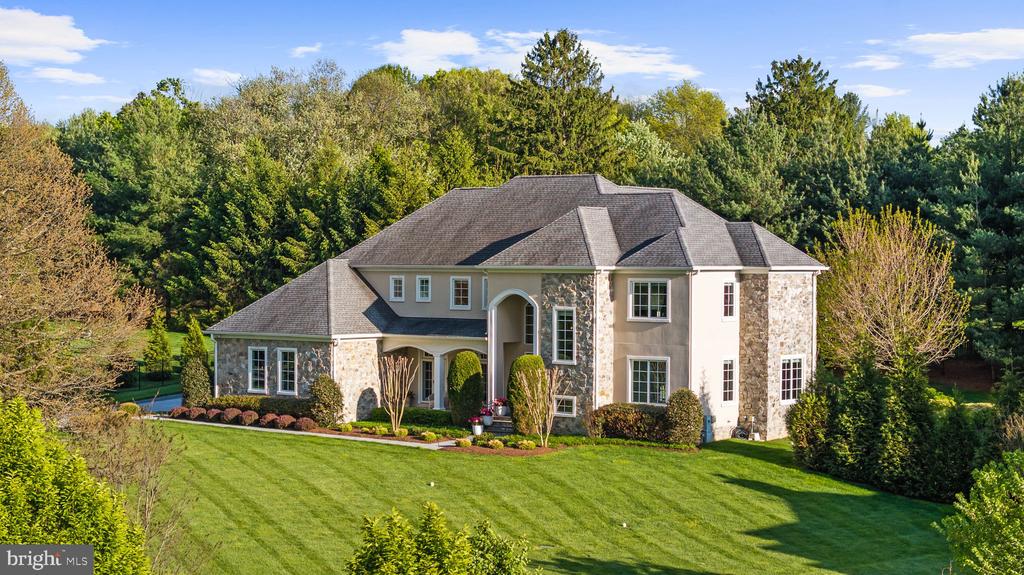
12222 WORTHINGTON ROAD, OWINGS MILLS, MD 21117
Sold
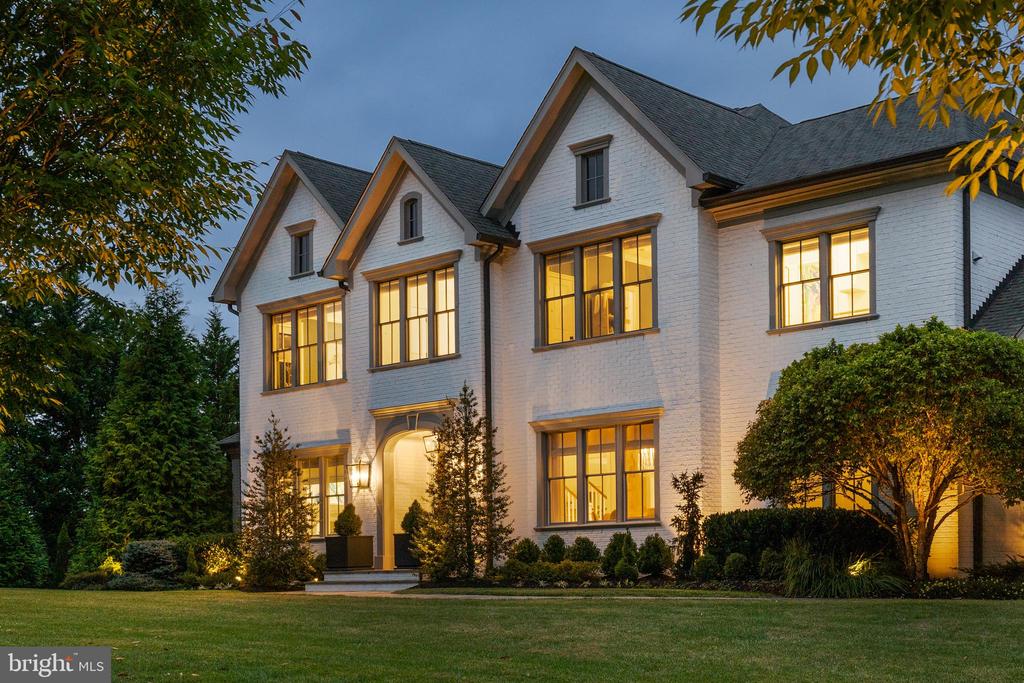
12211 WORTHINGTON ROAD, OWINGS MILLS, MD 21117
Sold

3112 W Golf Course Rd, Owings Mills, MD 21117
Sold

11129 Falls Rd, Lutherville Timonium, MD 21093
Sold

800 HILLSTEAD DRIVE, LUTHERVILLE TIMONIUM, MD 21093
Sold
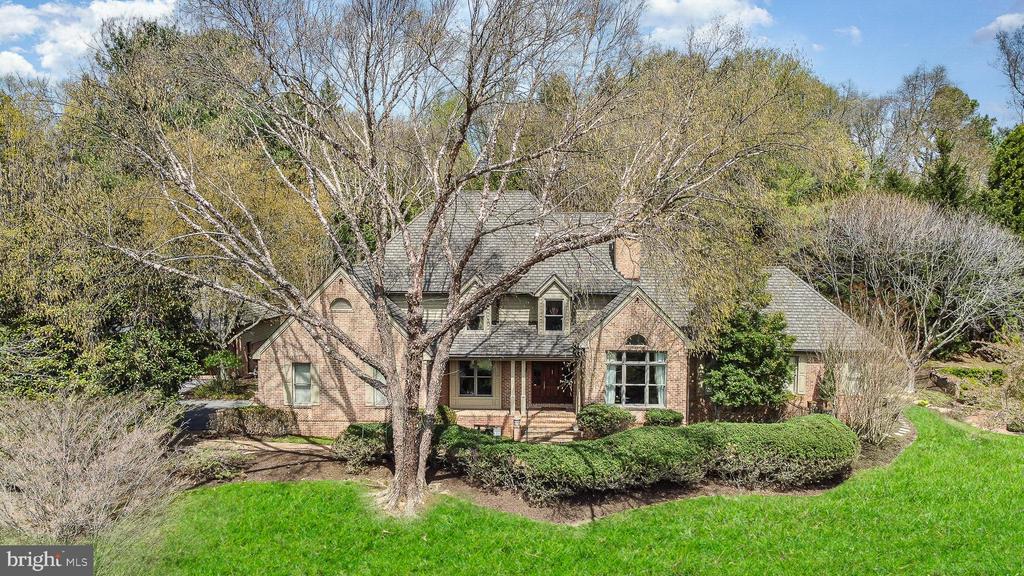
1308 MUSGROVE ROAD, LUTHERVILLE TIMONIUM, MD 21093
Sold
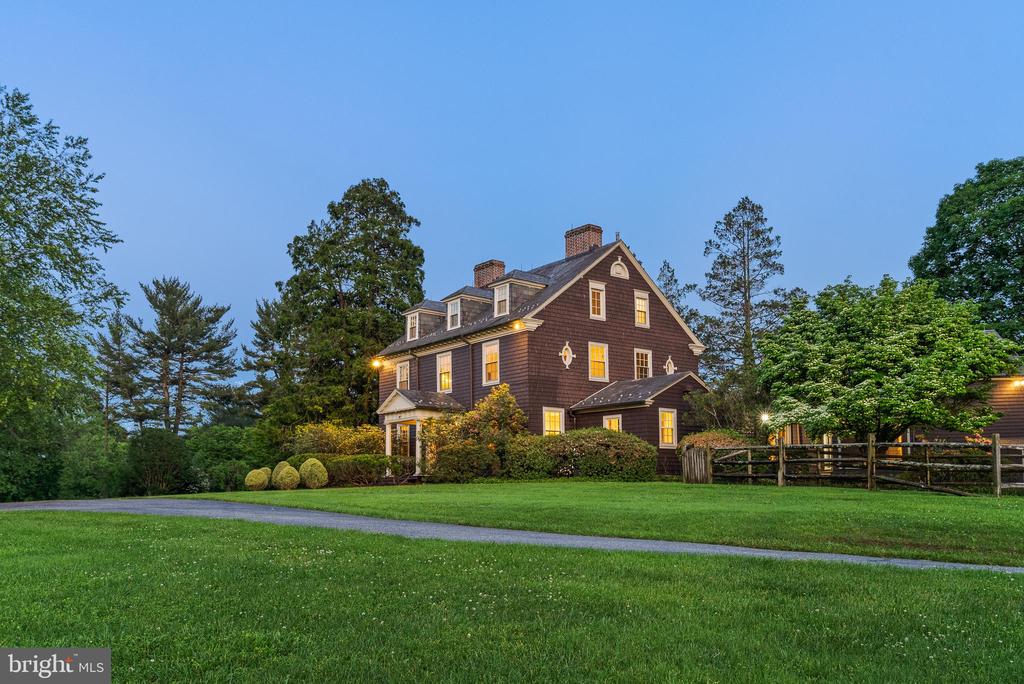
4006 STEWART ROAD, STEVENSON, MD 21153
Sold

15315 Carroll Rd, Monkton, MD 21111
Sold
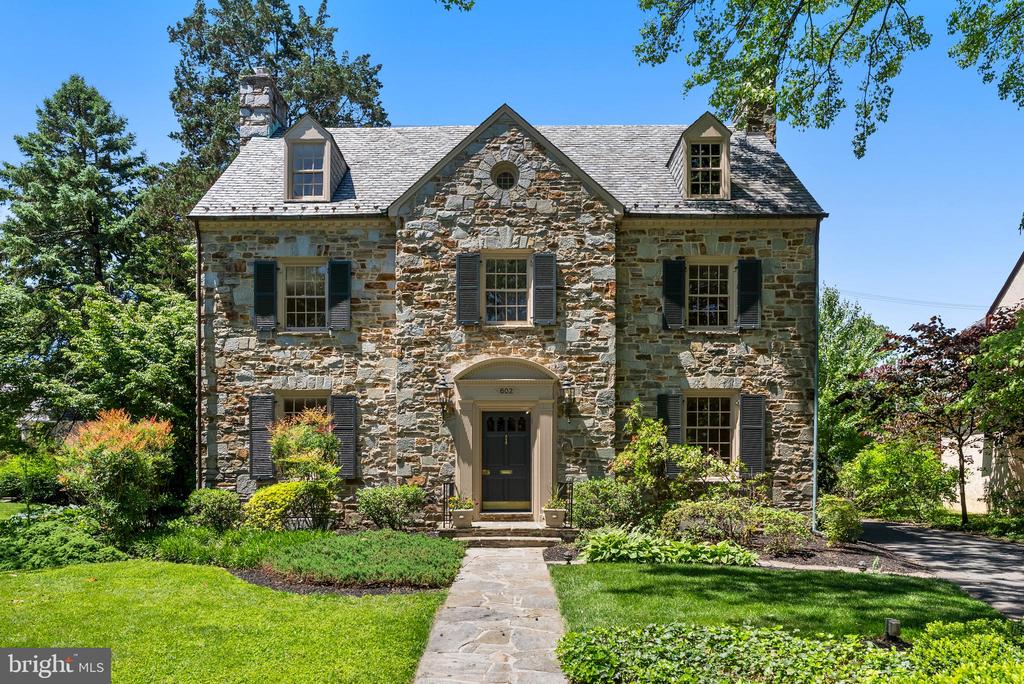
602 STONELEIGH ROAD, BALTIMORE, MD 21212
Sold

6401-A Murray Hill Rd, Baltimore, MD 21212
Sold

303 Goodwood Gdns, Baltimore, MD 21210
Sold
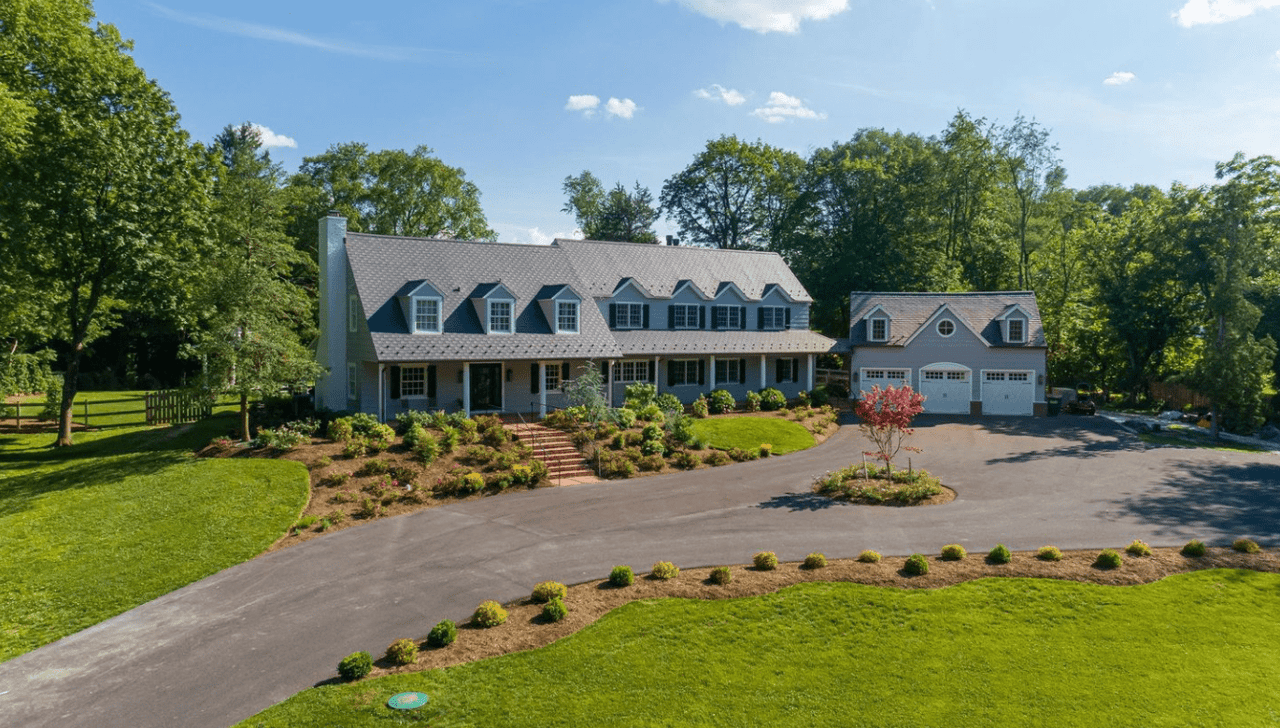
1840 Greenspring Valley Rd , Owings Mills, MD 21117
Sold
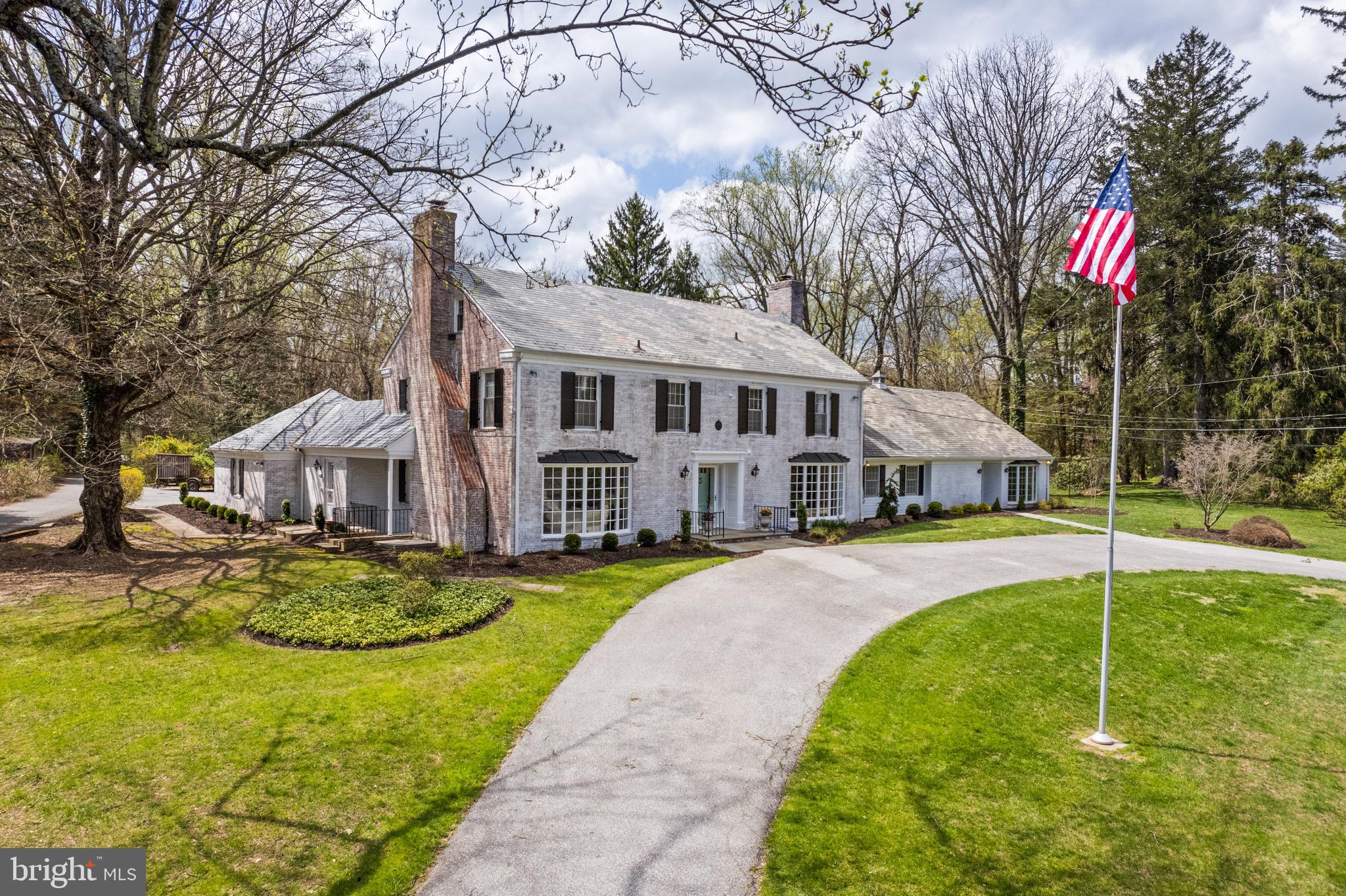
7505 LHIRONDELLE CLUB ROAD, TOWSON, MD 21204
Sold

6510 Chantilly Dr, Sykesville, MD 21784
Sold

1510 SEMINARY AVENUE W, LUTHERVILLE TIMONIUM, MD 21093
Sold

7 BROOKSTONE COURT, LUTHERVILLE TIMONIUM, MD 21093
Sold
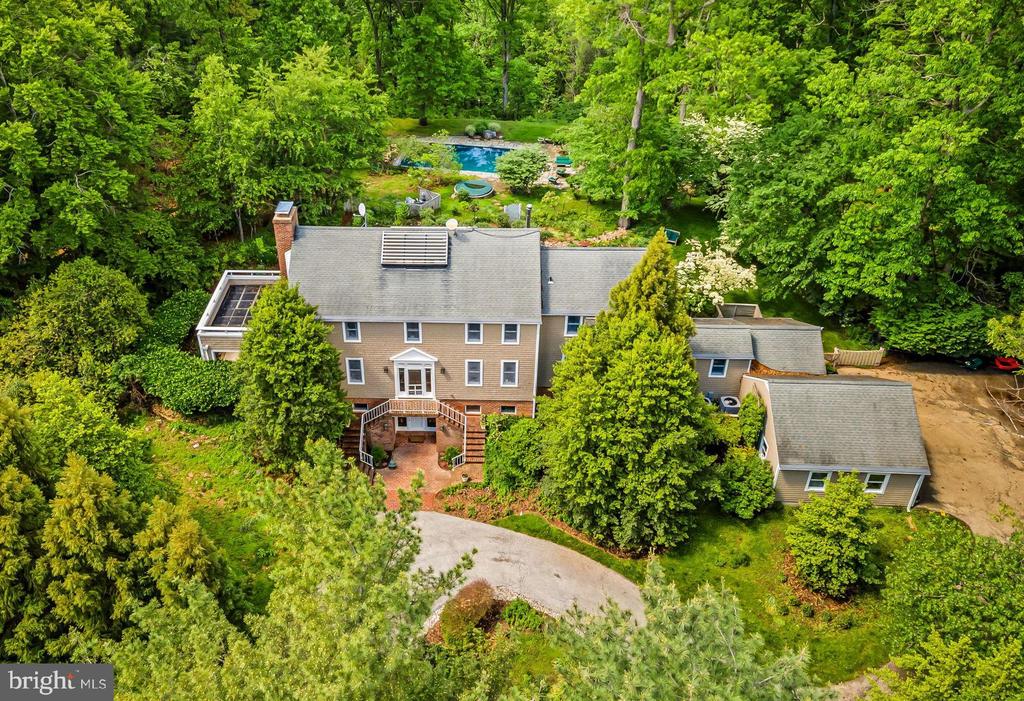
831 HILLSIDE ROAD, LUTHERVILLE TIMONIUM, MD 21093
Sold

714 #2 Western Run Rd, Cockeysville, MD 21030
Sold
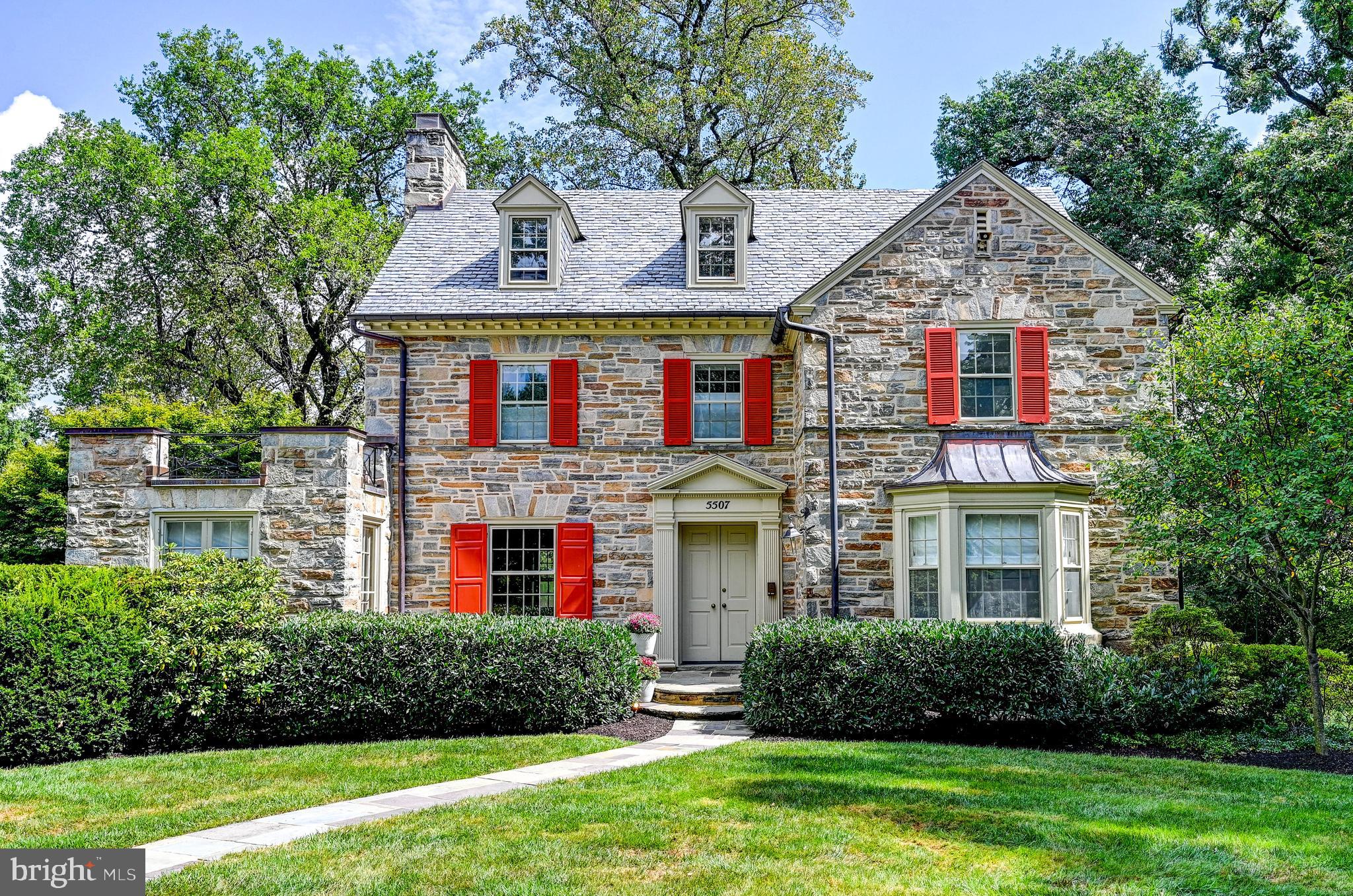
5507 SAINT ALBANS WAY, BALTIMORE, MD 21212
Sold

2919 CAVES ROAD, OWINGS MILLS, MD 21117
Sold
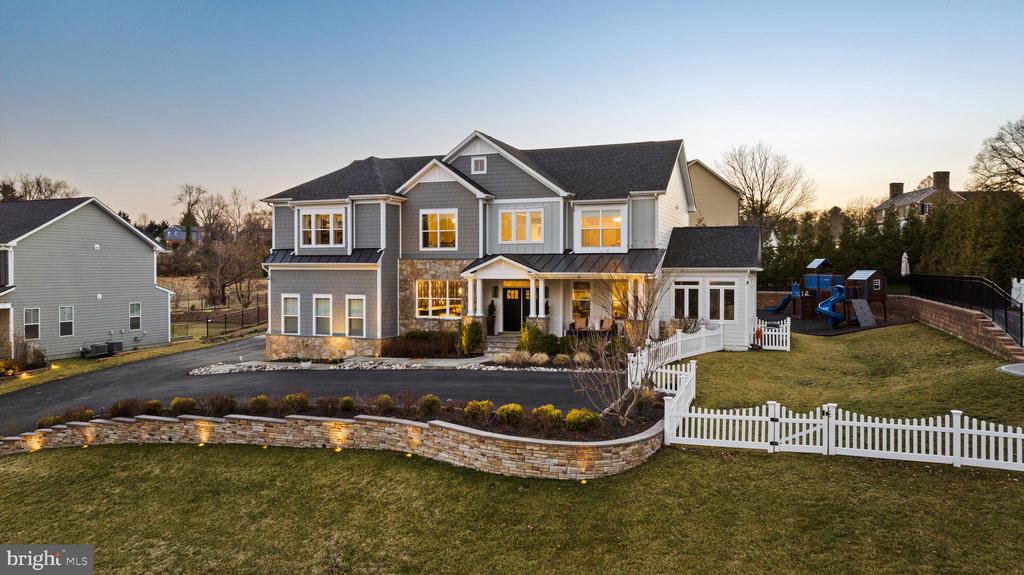
1107 COWPENS AVENUE, TOWSON, MD 21286
Sold
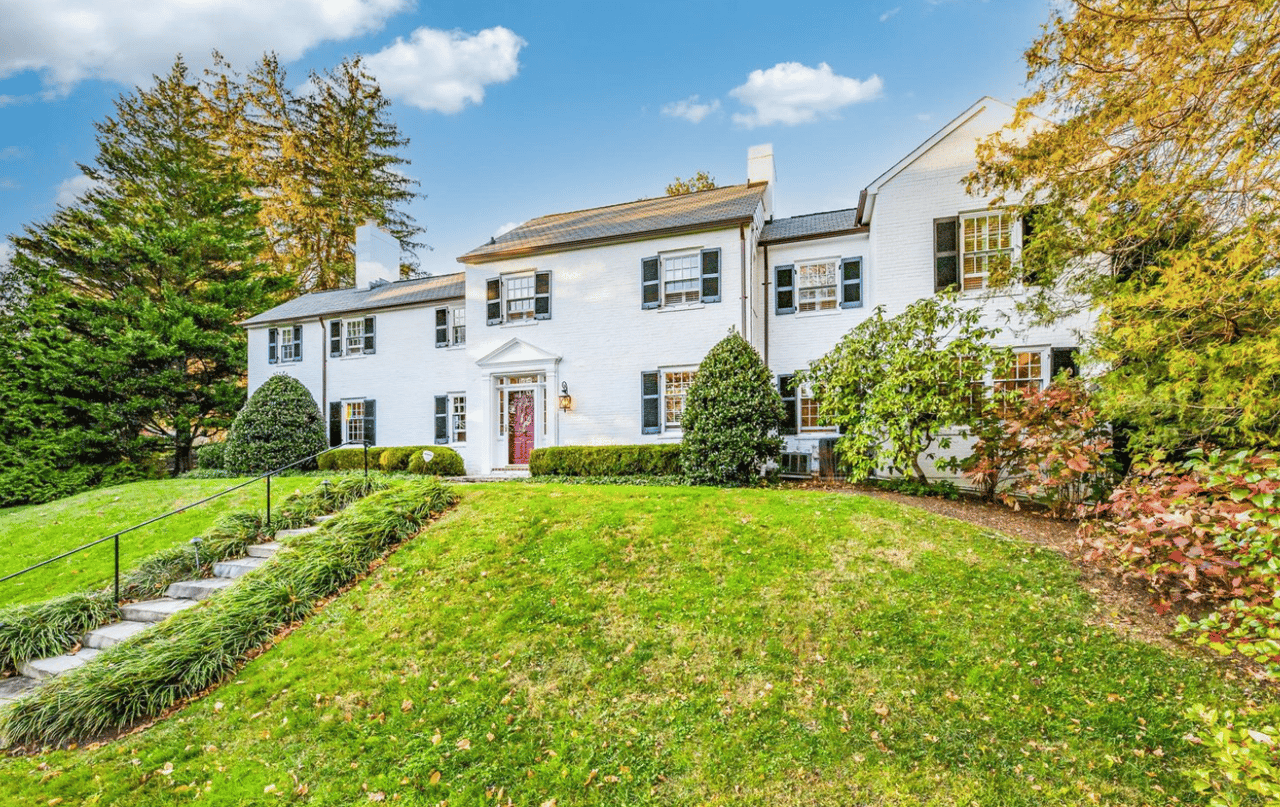
1406 Malvern Ave , Baltimore, MD 21204
Sold
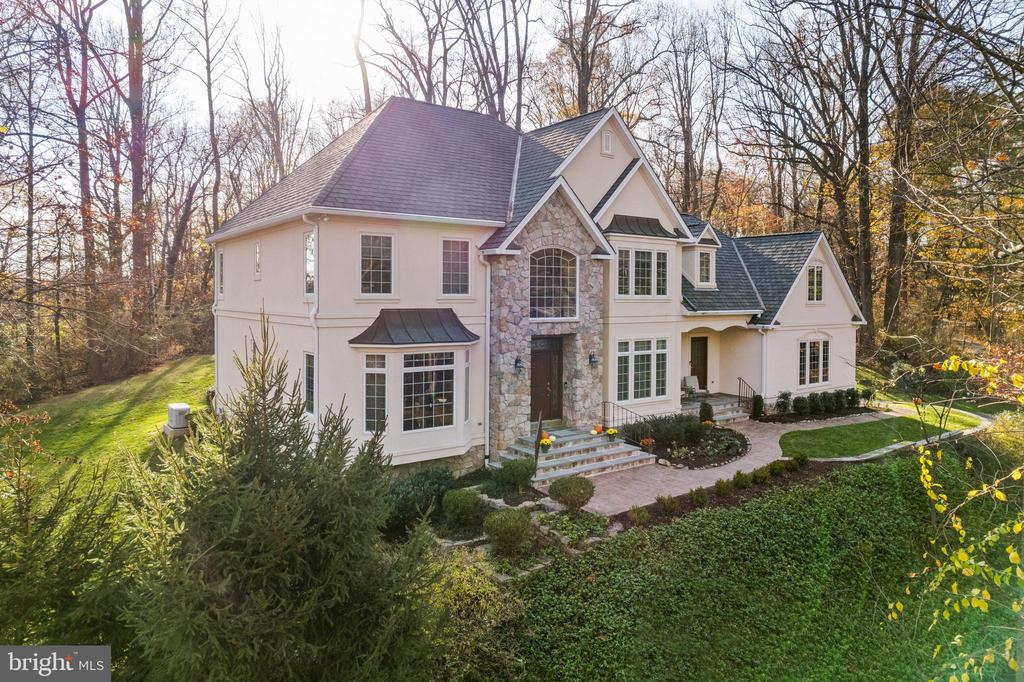
2101 OUR LANE, STEVENSON, MD 21153
Sold
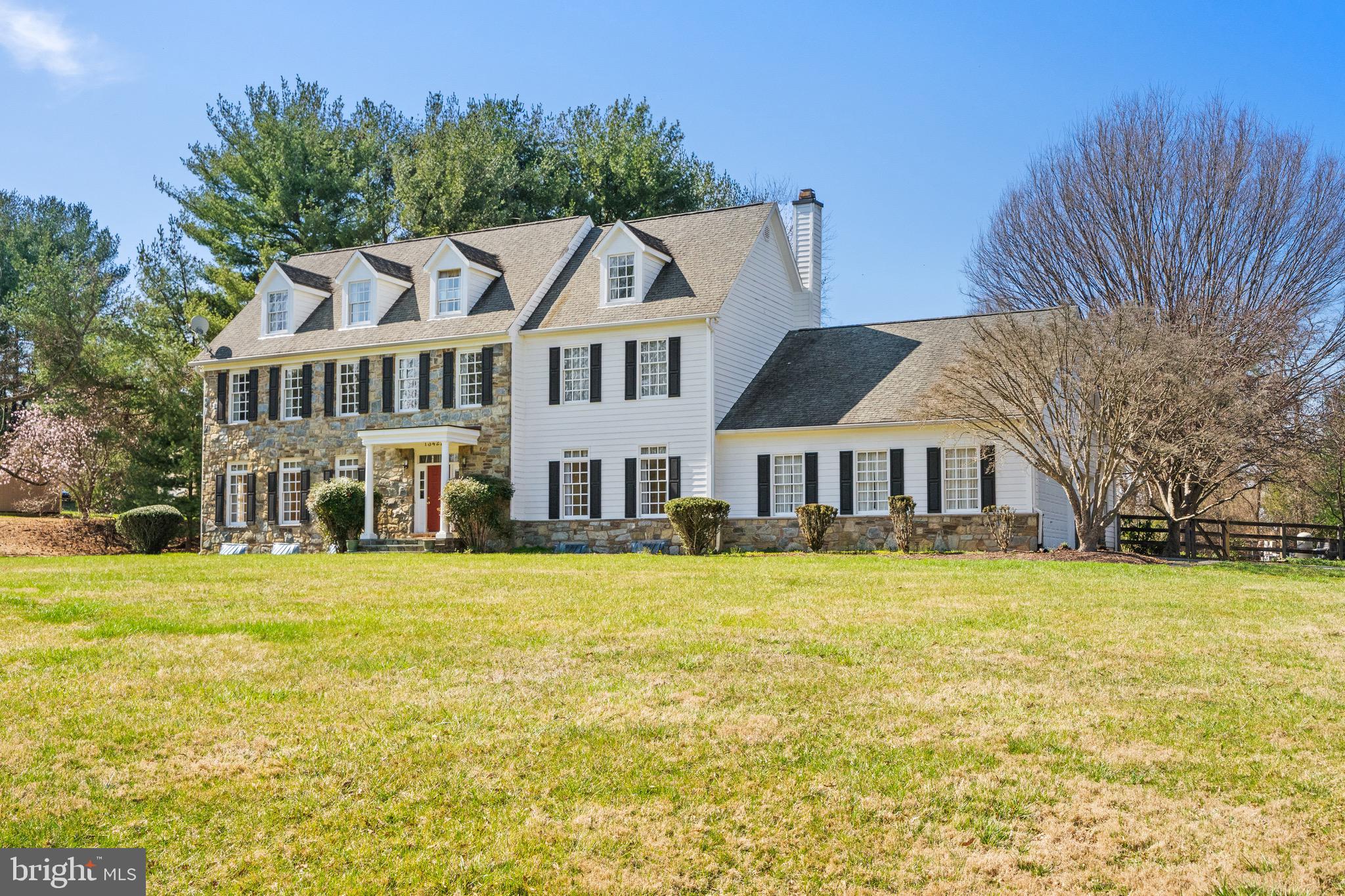
13422 QUERY MILL ROAD, NORTH POTOMAC, MD 20878
Sold

4201 Greenway, Baltimore, MD 21218
Sold

1724 Hillside Rd, Stevenson, MD 21153
Sold

105 Millbrook Rd, Baltimore, MD 21218
Sold
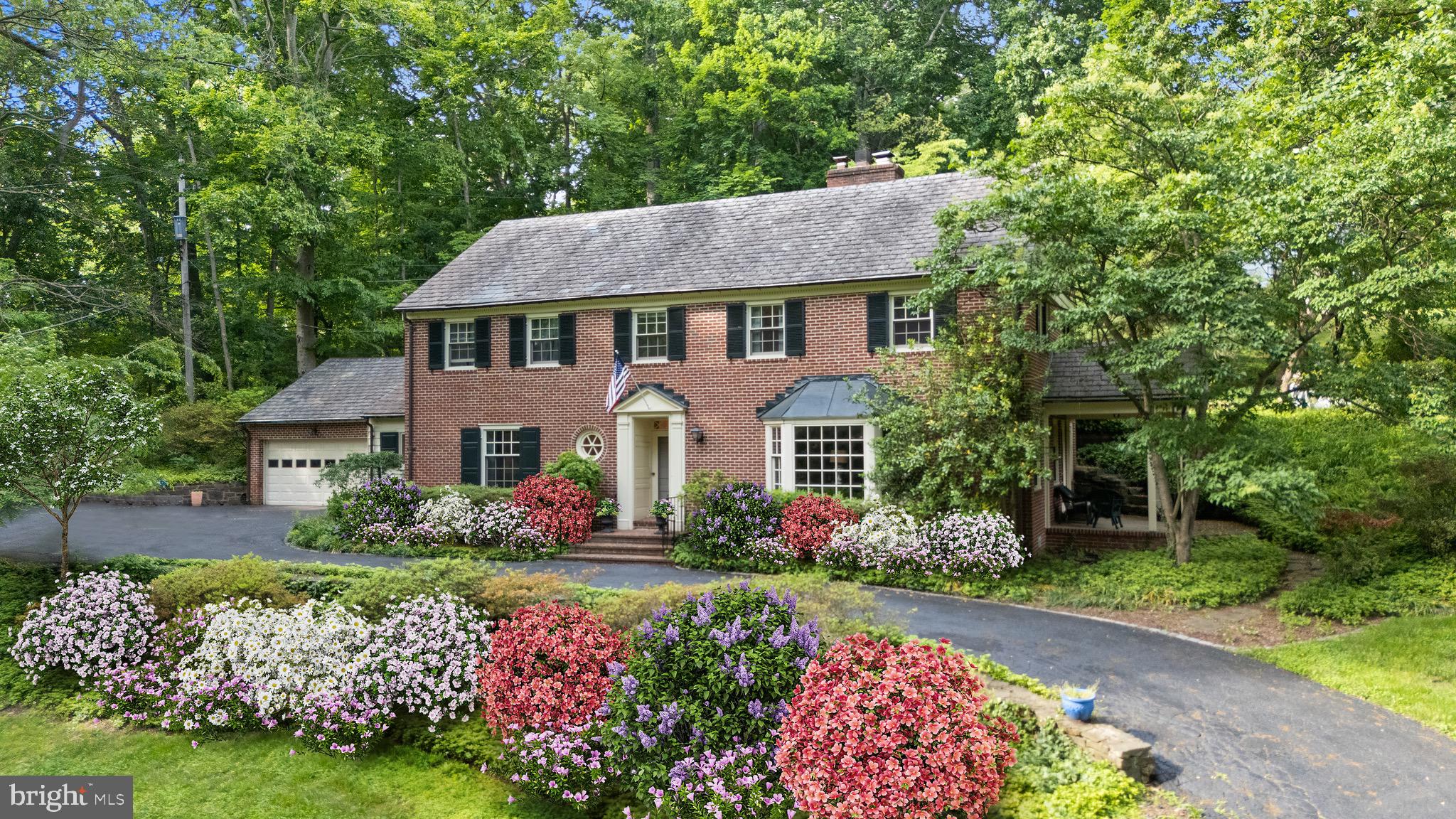
1104 MALVERN AVENUE, RUXTON, MD 21204
Sold
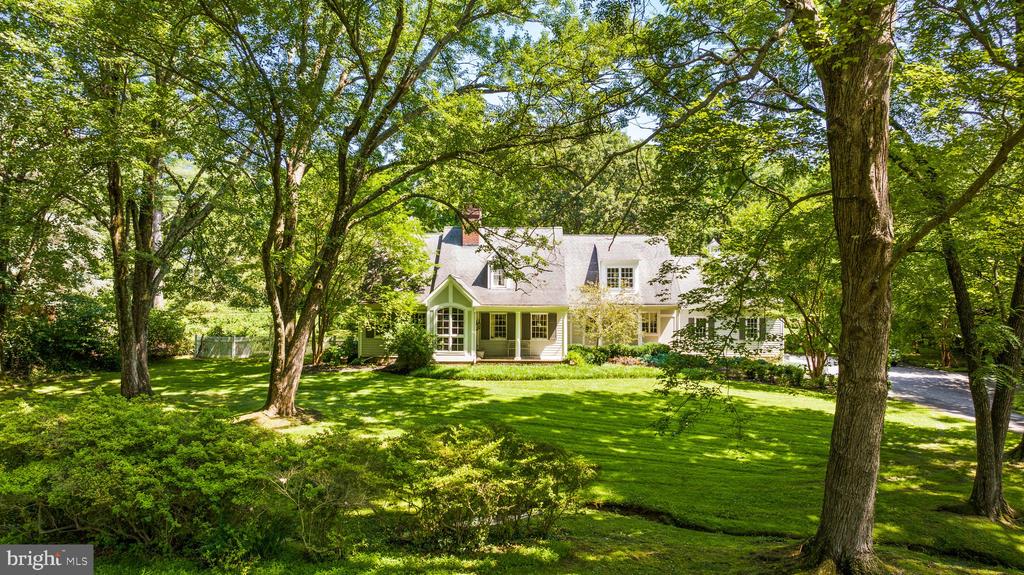
4 CHITTENDEN LANE, OWINGS MILLS, MD 21117
Sold

5 Forwood Ct, Cockeysville, MD 21030
Sold
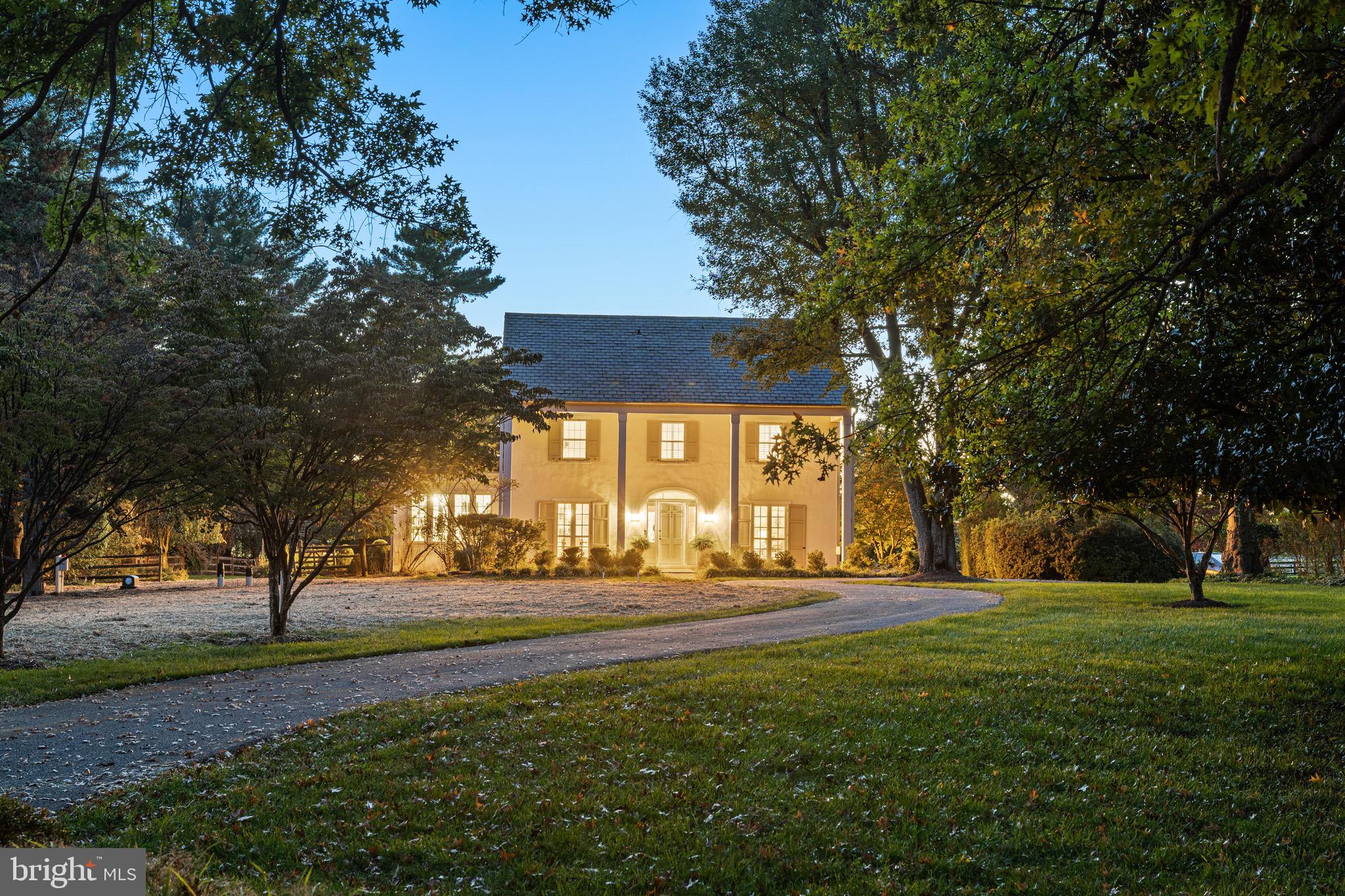
206 GARRISON FOREST ROAD, OWINGS MILLS, MD 21117
Sold

7919 Sherwood Ave, Towson, MD 21204
Sold
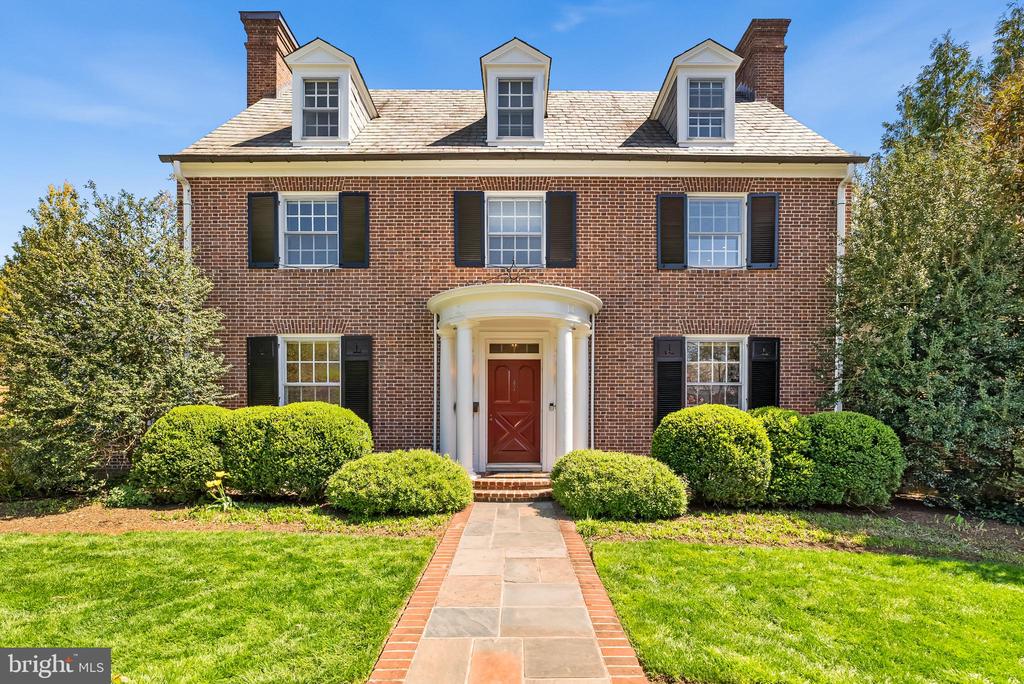
4409 BEDFORD PLACE, BALTIMORE, MD 21218
Sold
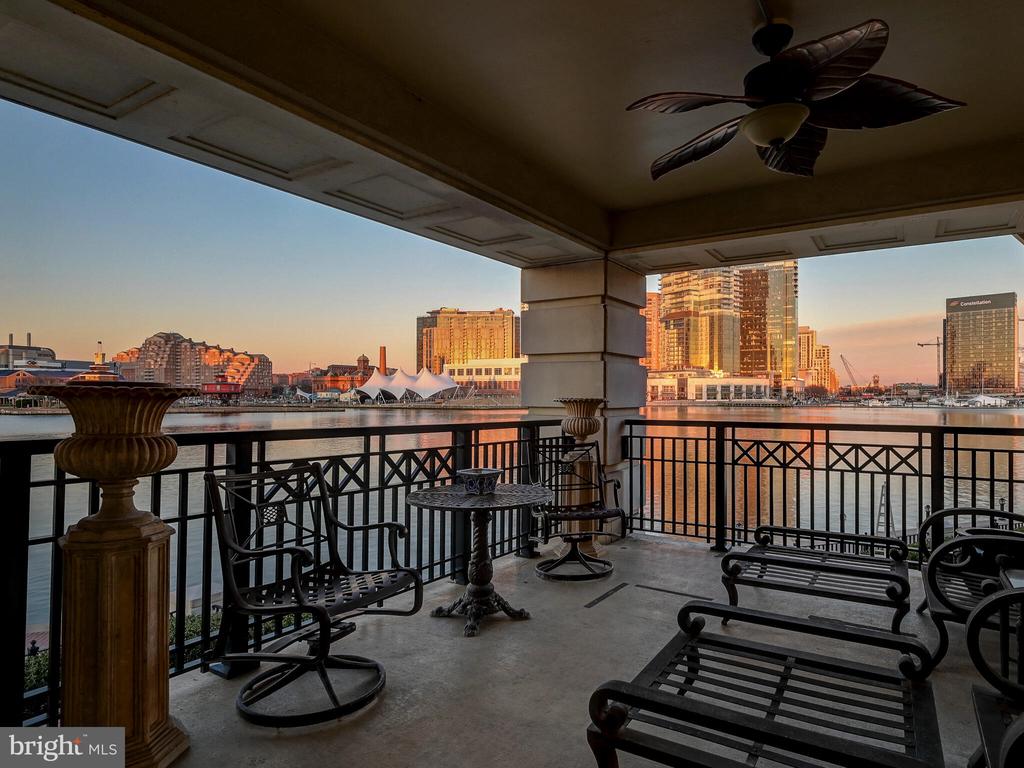
801 KEY HIGHWAY Unit: 210, BALTIMORE, MD 21230
Sold
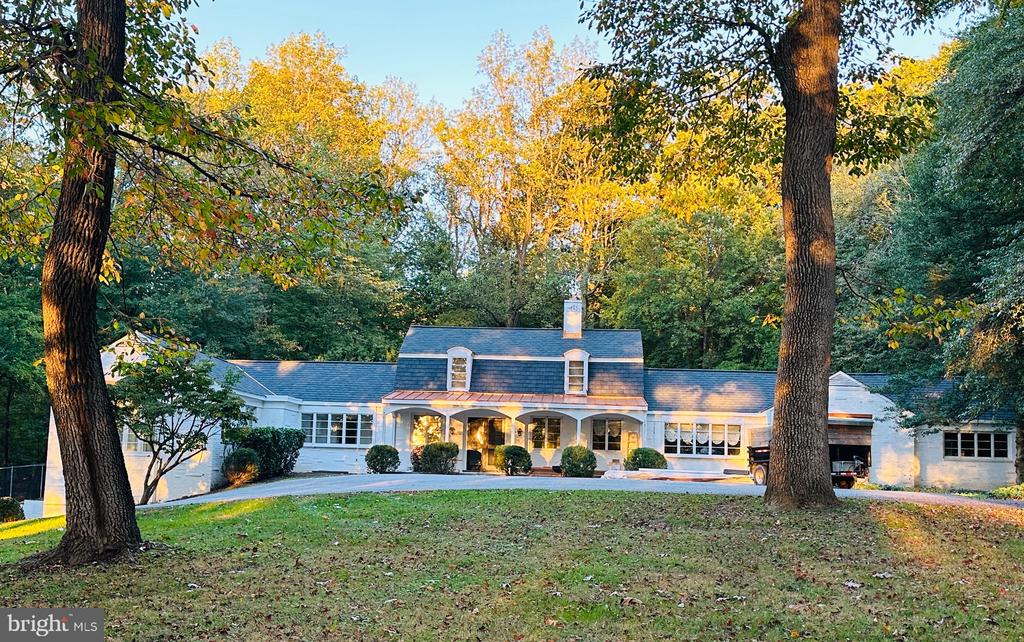
7 CAVESWOOD LANE, OWINGS MILLS, MD 21117
Sold
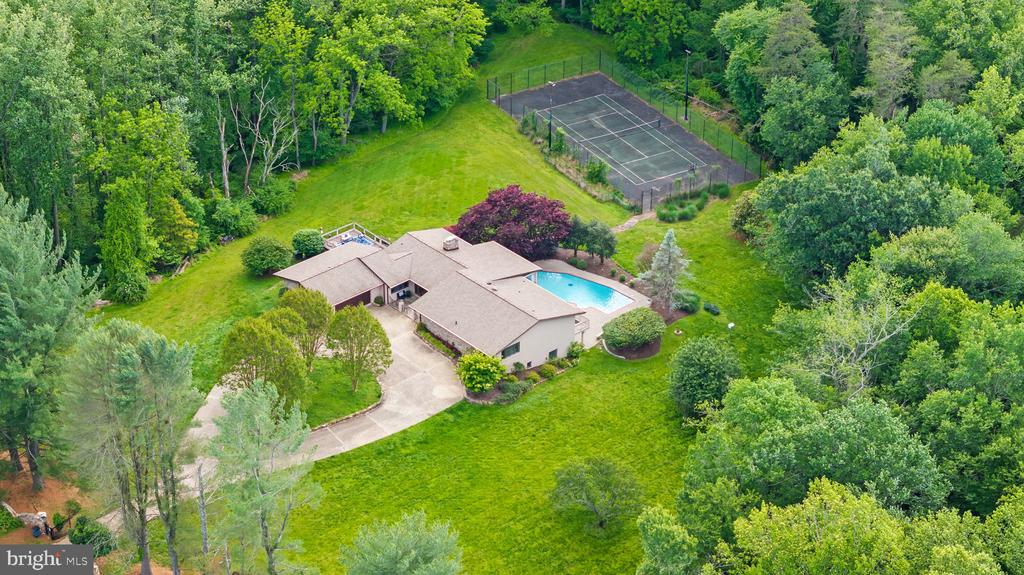
18 MANOR BROOK ROAD, MONKTON, MD 21111
Sold
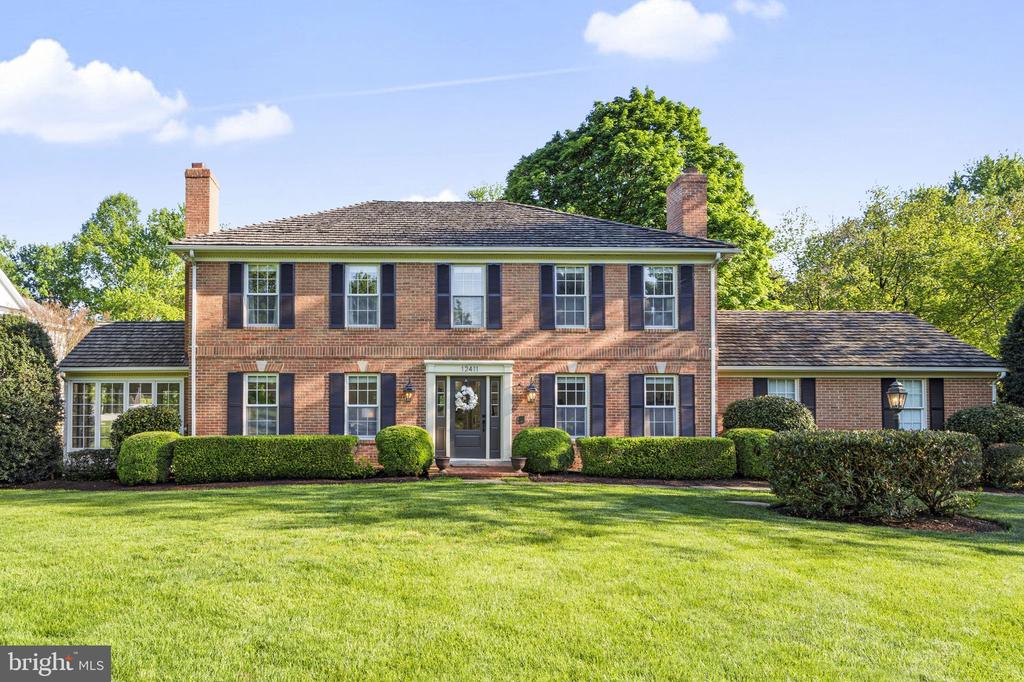
12411 PENELOPE COURT, FULTON, MD 20759
Sold
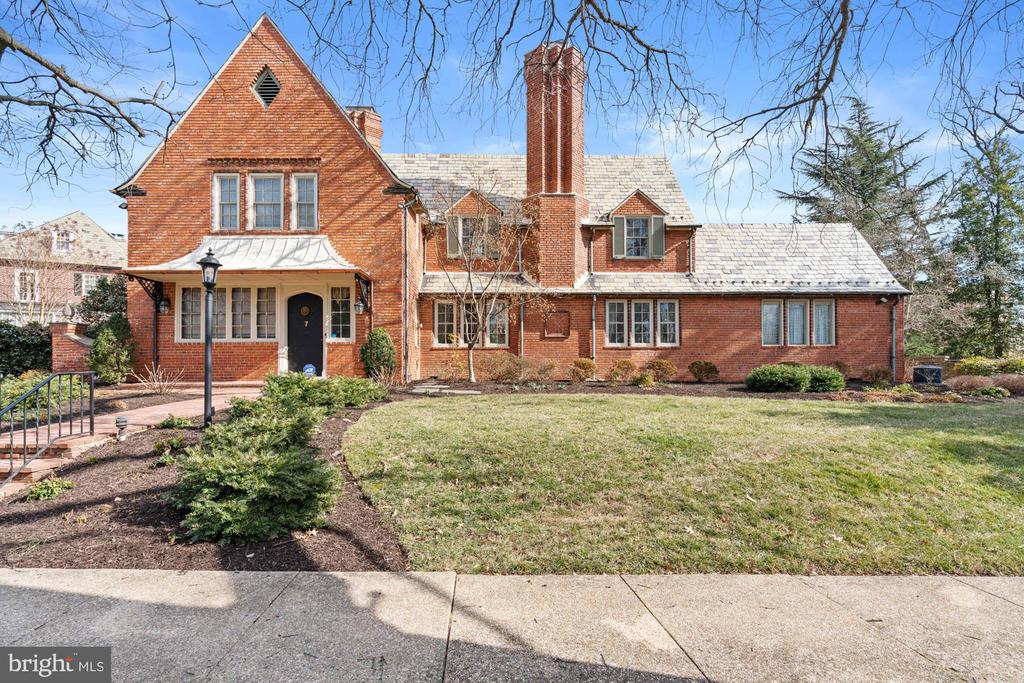
7 CHARLCOTE PLACE, BALTIMORE, MD 21218
Sold
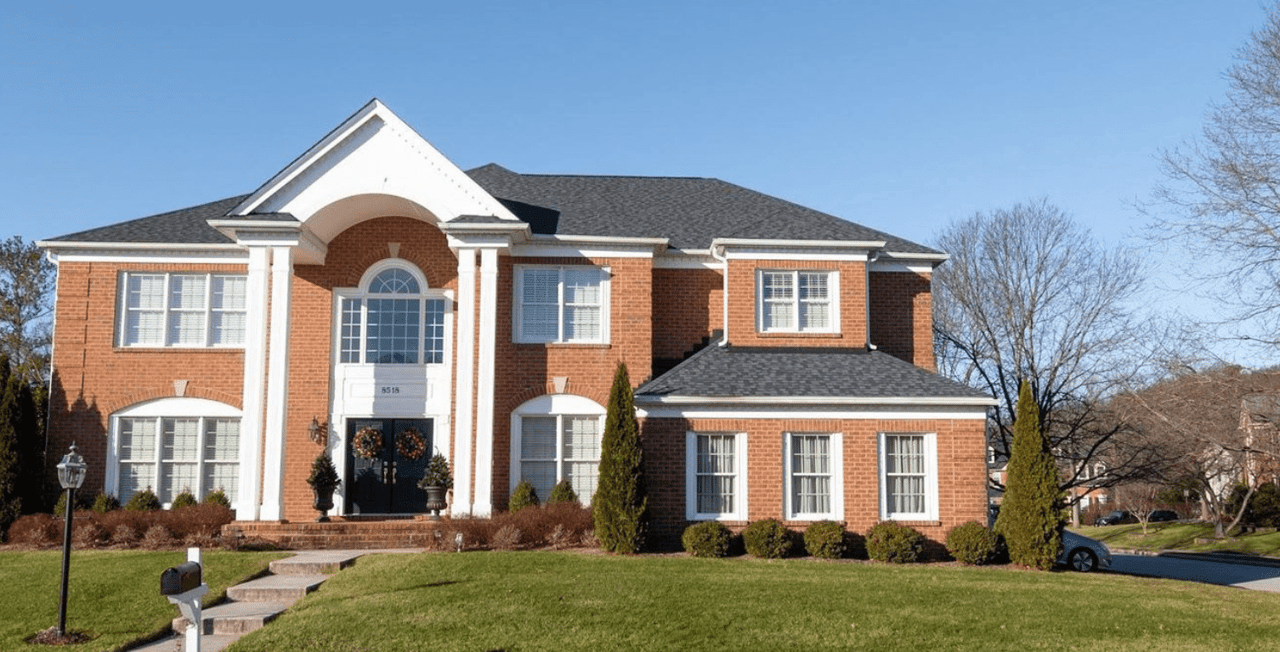
8518 Southfields Cir, Lutherville-Timonium, MD 21093
Sold

101 Market St, Annapolis, MD 21401
Sold

1000 Cold Bottom Rd, Sparks, MD 21152
Sold
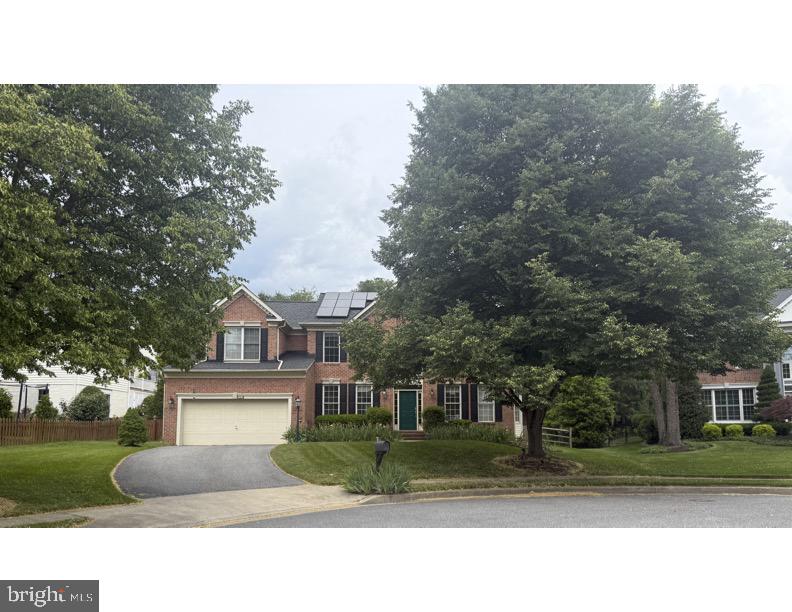
4 CRESTLEIGH PLACE, LUTHERVILLE TIMONIUM, MD 21093
Sold
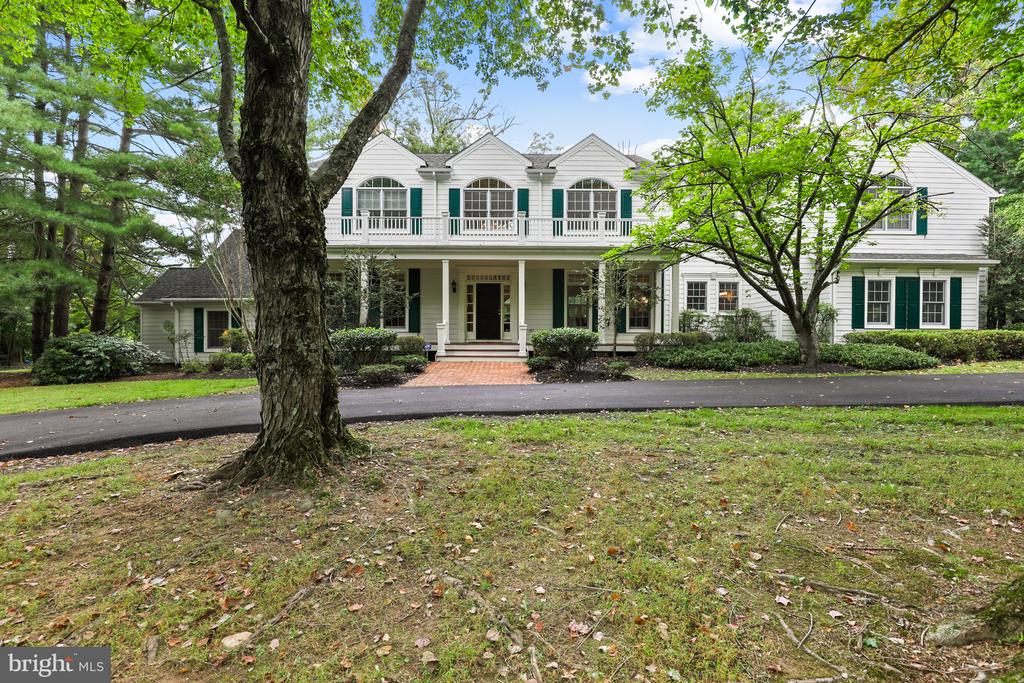
2218 CAVES ROAD, OWINGS MILLS, MD 21117
Sold
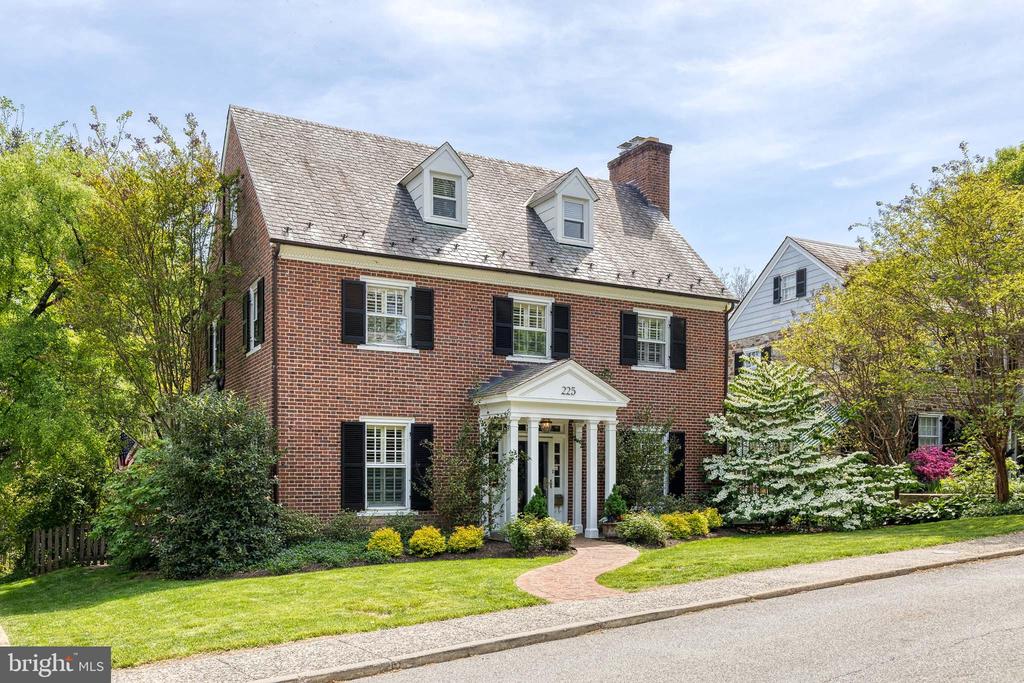
225 TUNBRIDGE ROAD, BALTIMORE, MD 21212
Sold
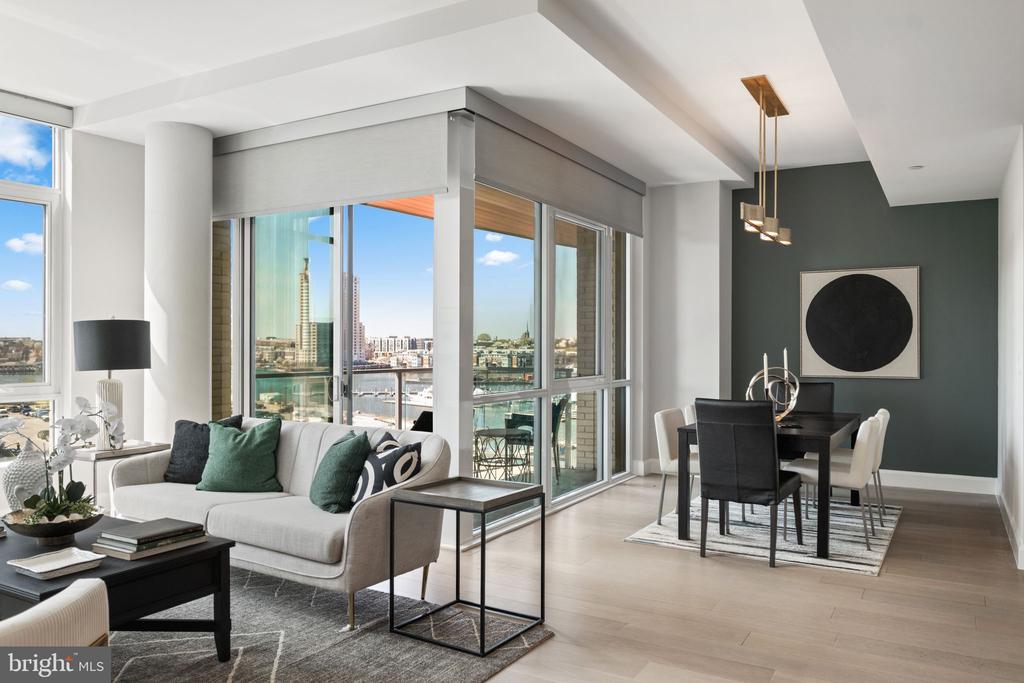
1330 LANCASTER STREET Unit: C603, BALTIMORE, MD 21231
Stay up to date on the latest real estate trends.