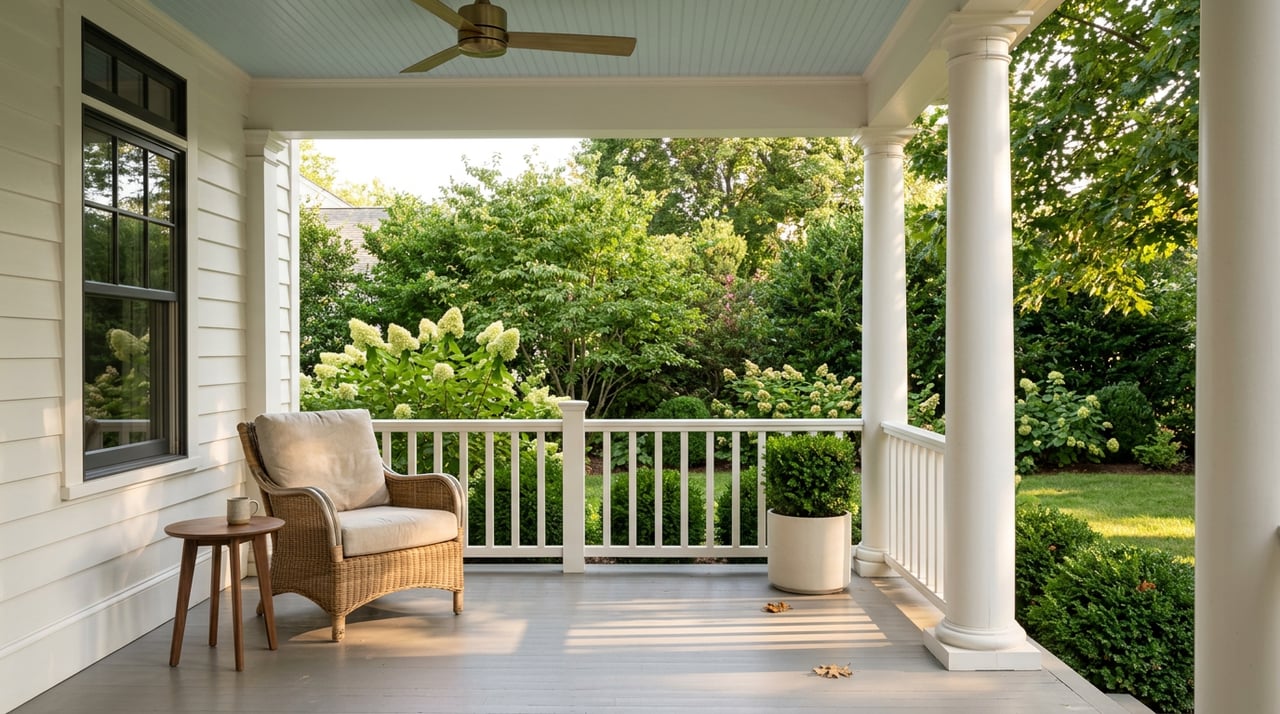
From Starter Home To Estate: A Hunt Valley Move-Up Guide
June 11, 2026
June 11, 2026
Moving up in Hunt Valley can feel exciting and complicated at the same time. You may be selling the home that helped you build equity while trying to secure a very different property, whether that means more land, more square footage, or a true estate setting. In 21030, where homes often move quickly and competition stays strong, a clear plan matters. This guide will help you understand the market, time your move, and make smarter decisions before you take the next step. Let’s dive in.
A move-up purchase in 21030 is not always a simple version of your first home search. In this ZIP code, buyers may be comparing condos, townhomes, and detached homes at very different price points, including estate properties on one-acre-plus lots in the multimillion-dollar range.
That wide range matters because the jump from a starter home to an estate can be significant. Your timing, financing, and sale strategy all need to match the kind of property you want to buy next, not just the home you are leaving behind.
The latest market signals point to a fast, competitive environment. Realtor.com reported 54 homes for sale in 21030, a median list price of $724,450, median days on market of 19, and a 100% sale-to-list ratio as of April 2026.
Other data sources show slightly different price figures, but the overall pattern is the same. Redfin described 21030 as very competitive, with about three offers on average and homes selling in roughly 18 days, while Zillow showed homes going pending in about seven days.
For you as a move-up buyer, the big takeaway is simple: Hunt Valley is still moving fast. If you need to sell one home and buy another, delays can get expensive and missed opportunities can happen quickly.
If you are trying to choose when to list your current home, spring remains important. Realtor.com’s spring 2026 housing update noted that new listings and contract activity reached their highest levels since 2022, with mid-April identified as the best time-to-sell window.
That does not mean you can only move in spring. It does mean that if you want peak buyer attention, you should prepare your home before that traffic builds. In a market like Hunt Valley, early preparation can give you more leverage when you start shopping for your next property.
Local corridor data for Hunt Valley, Phoenix, and Timonium showed 126 active listings, 2.3 months of supply, 19 days on market, and a 100.9% sale-to-list ratio in September 2025. Supply was better than the year before, but it was still limited.
That is important because a move-up plan depends on both sides of the transaction. You may have a solid chance of attracting strong interest on your current home, but you still need enough options on the buy side to make the move work.
For many homeowners, selling first is the cleaner path. It can help you understand exactly how much equity you have available and reduce the risk of carrying two housing payments at once.
That approach can also make your next purchase feel more grounded. Instead of guessing what your home might sell for, you can make decisions based on actual numbers and a clearer budget.
In a competitive market like 21030, though, selling first can create pressure if you have not already mapped out where you will go next. That is why the best answer is usually not just “sell first” or “buy first.” It is to build a strategy around your cash position, tolerance for risk, and the type of home you want.
This is one of the biggest concerns for move-up buyers. If your new home closes before your current one sells, you may need extra funds to bridge the gap.
Possible tools can include a bridge loan or a home equity line of credit secured by your current property. These options can help you access equity before your sale closes, but they also add risk. If your current home takes longer to sell, you could be dealing with two mortgage payments or added debt at the same time.
Because 30-year fixed mortgage rates averaged 6.48% as of June 4, 2026, payment math matters. A larger home, a higher rate environment, and a short-term financing tool can change your monthly costs quickly.
In competitive pockets of Hunt Valley, price is not the only thing sellers notice. Redfin noted that some 21030 homes receive multiple offers and waived contingencies, which means financing strength and flexible terms can carry real weight.
For you, that means early preparation is critical. If you are serious about moving from a starter home into a higher-end property, you want your financing lined up before the right listing appears.
It is easy to focus on the purchase price and forget the rest. But moving up often means a larger full-cost ownership picture that includes taxes, insurance, repairs, maintenance, and possible HOA dues.
You also need to account for transaction costs on the sale side. Baltimore County’s adopted budget lists a county title transfer tax rate of 1.5% of consideration, with the first $22,000 of consideration on an owner-occupied dwelling exempt.
That cost comes into play before your next purchase is fully settled. If you are stretching into a larger home, building a real cash cushion is not optional. It is part of protecting your move.
Before you start writing offers, make sure you have a plan for:
This kind of planning is especially important in Hunt Valley, where the jump into estate-scale housing can be dramatic.
Yes, and it can be very useful. A rent-back, sometimes called a use-and-occupancy arrangement, allows you to stay in your home for a short period after closing.
For move-up sellers, that can reduce a lot of stress. It may give you time to complete your second settlement, coordinate movers, or avoid a rushed temporary move.
In a market where buyers value flexible terms, rent-back can also be part of a practical negotiation strategy. It will not fit every deal, but in the right situation, it can create breathing room when the sale and purchase timelines do not line up neatly.
If you do need housing between closings, your local options may be tighter than you expect. Realtor.com’s spring 2026 summary showed 24 rentals in 21030 and a median rent of $2,325 per month.
That does not mean a short-term rental is impossible. It does mean you should not treat temporary housing as an unlimited fallback. In Hunt Valley, careful settlement coordination may be more valuable than trying to find a last-minute rental.
A strong sale can make the whole move-up process easier. In a fast market, presentation still matters because buyers are comparing your home against other well-positioned listings.
Thoughtful prep can help you create momentum early, especially during the strongest seasonal windows. For sellers who want to maximize presentation before hitting the market, The Batoff Group offers high-impact photography, 360 virtual tours, social amplification, and Compass Concierge staging support as part of a full-service strategy.
Before you tour homes, get specific about what “move-up” really means to you. In 21030, that could mean more square footage, more privacy, a larger lot, updated finishes, or space for long-term lifestyle needs.
Current single-family inventory in the area includes detached homes with more than 5,500 square feet and asking prices in the multimillion-dollar range. If your target is at the upper end of the market, being precise about must-haves versus nice-to-haves can help you act quickly when the right property appears.
The move from a starter home to an estate is not just a bigger purchase. It is a more layered transaction with more timing decisions, more financial variables, and more pressure to get both sides right.
That is where advisor-level planning can make a real difference. In a market like Hunt Valley, you need a strategy that accounts for pricing, preparation, negotiation strength, and the practical details between one closing and the next.
If you are considering a move in 21030, The Batoff Group can help you evaluate your current home, map out the numbers, and build a move-up plan that fits your goals.
Explore our past transactions.
Sold
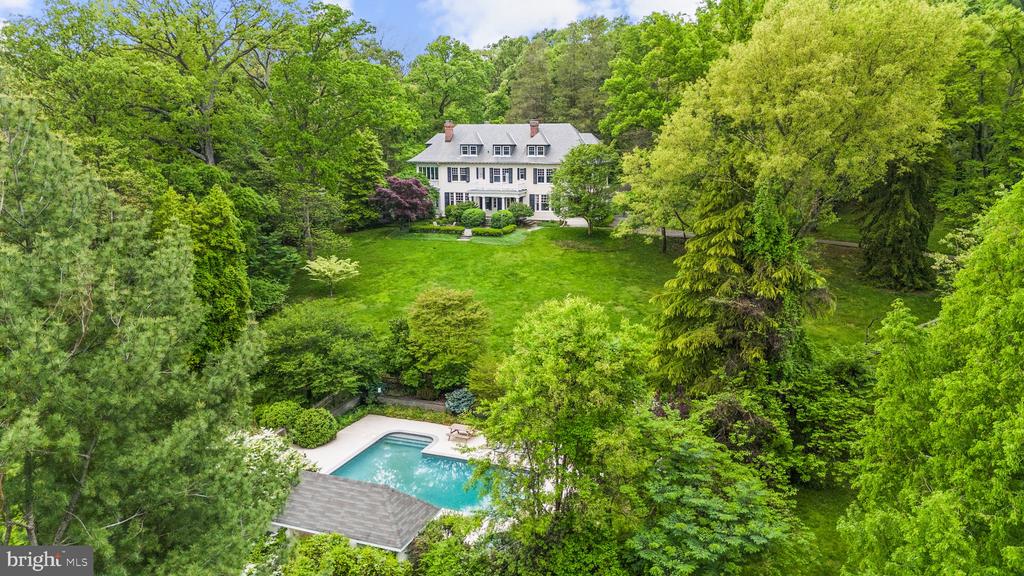
10600 PARK HEIGHTS AVENUE, OWINGS MILLS, MD 21117
Sold
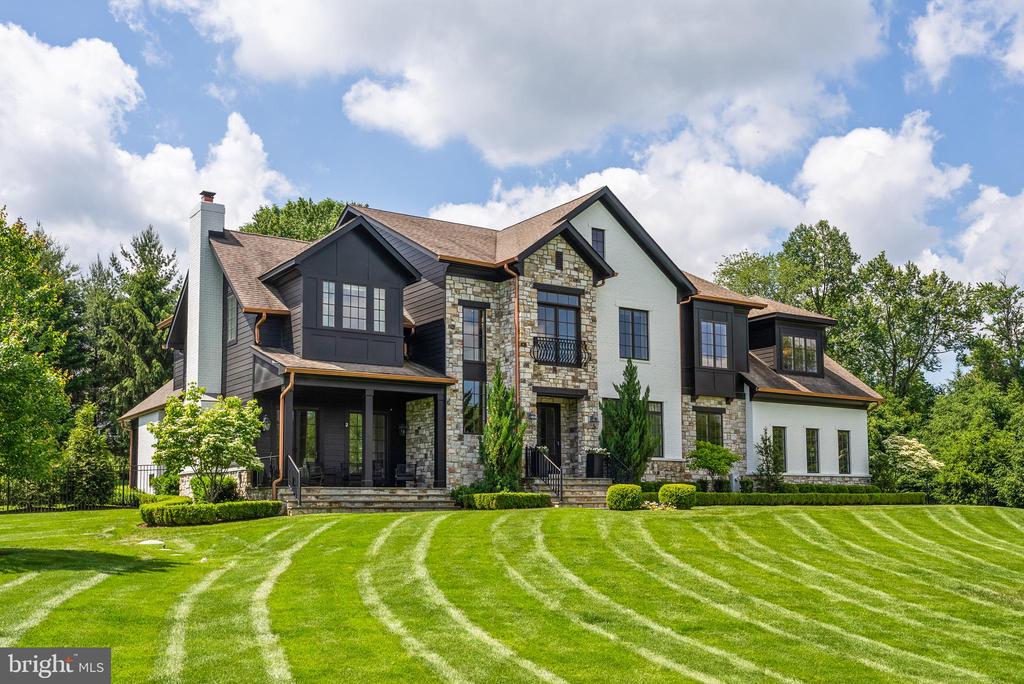
12220 WORTHINGTON ROAD, OWINGS MILLS, MD 21117
Sold
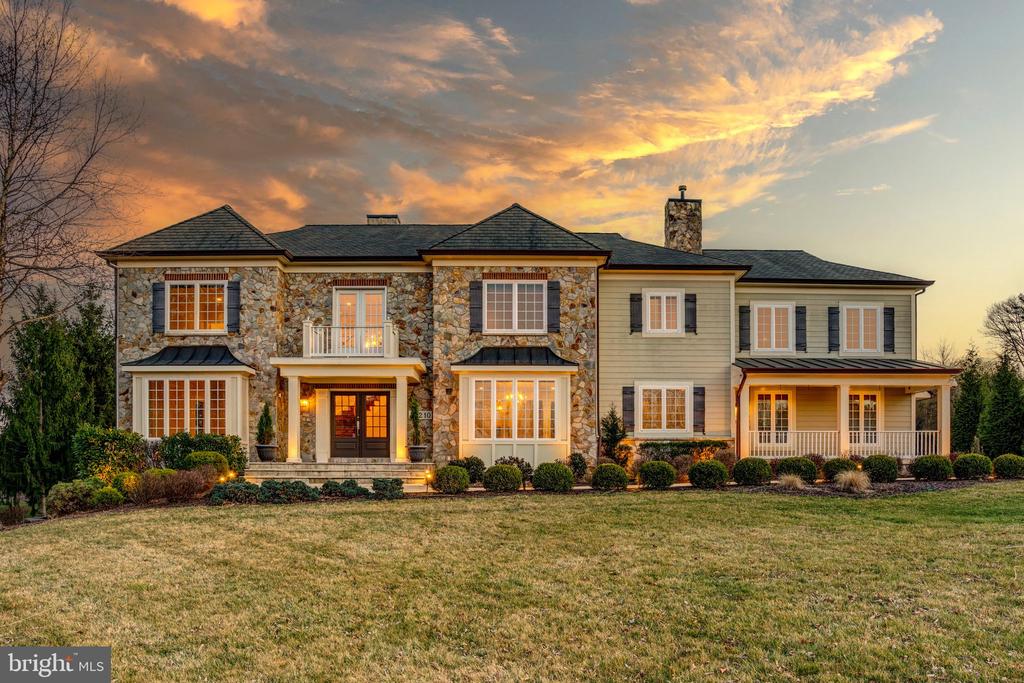
12210 WORTHINGTON, OWINGS MILLS, MD 21117
Sold
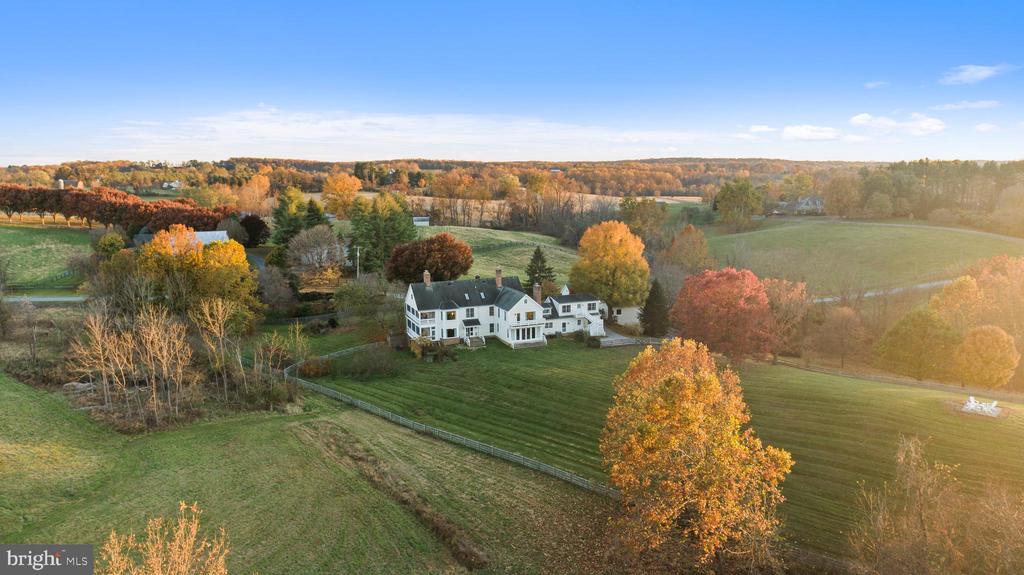
2310 GADD ROAD, COCKEYSVILLE, MD 21030
Sold
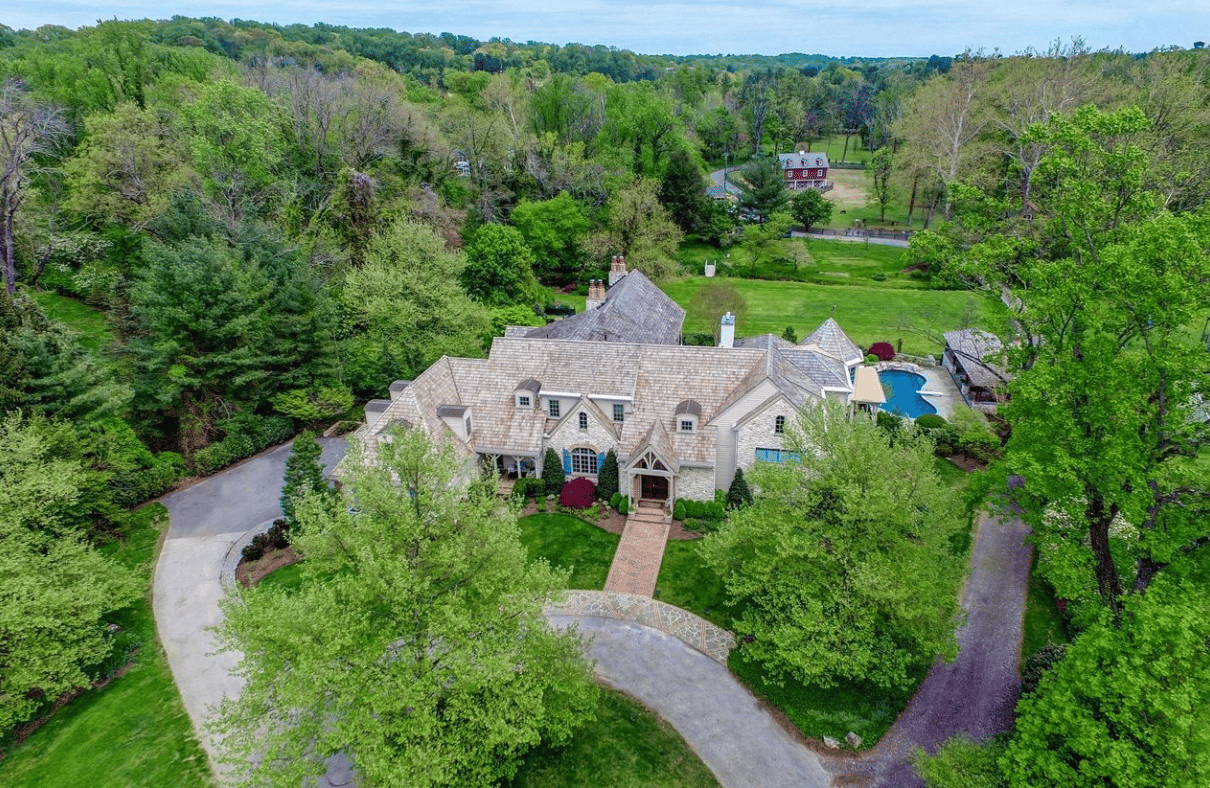
10807 Greenspring Ave, Lutherville-Timonium, MD 21093
Sold
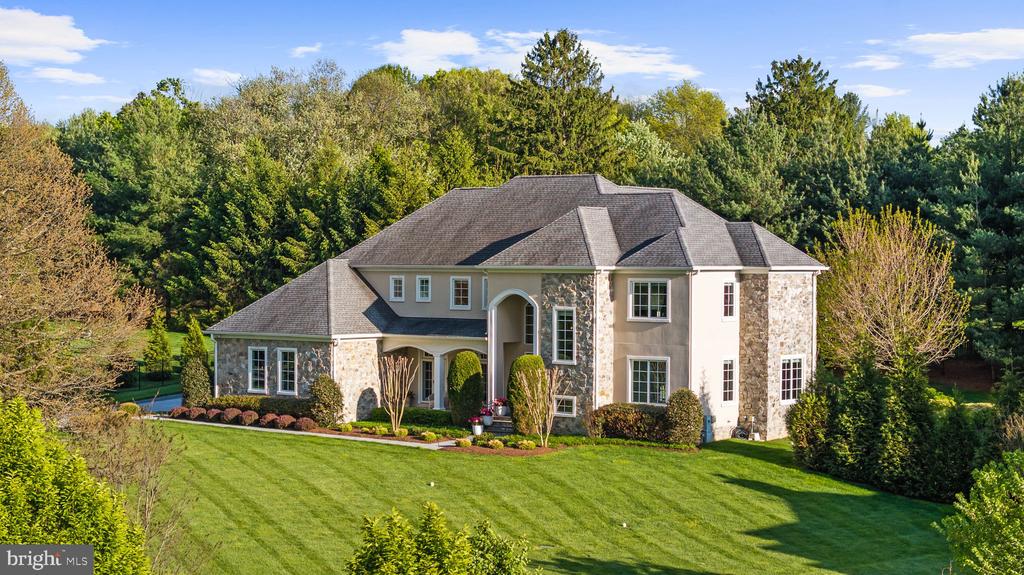
12222 WORTHINGTON ROAD, OWINGS MILLS, MD 21117
Sold
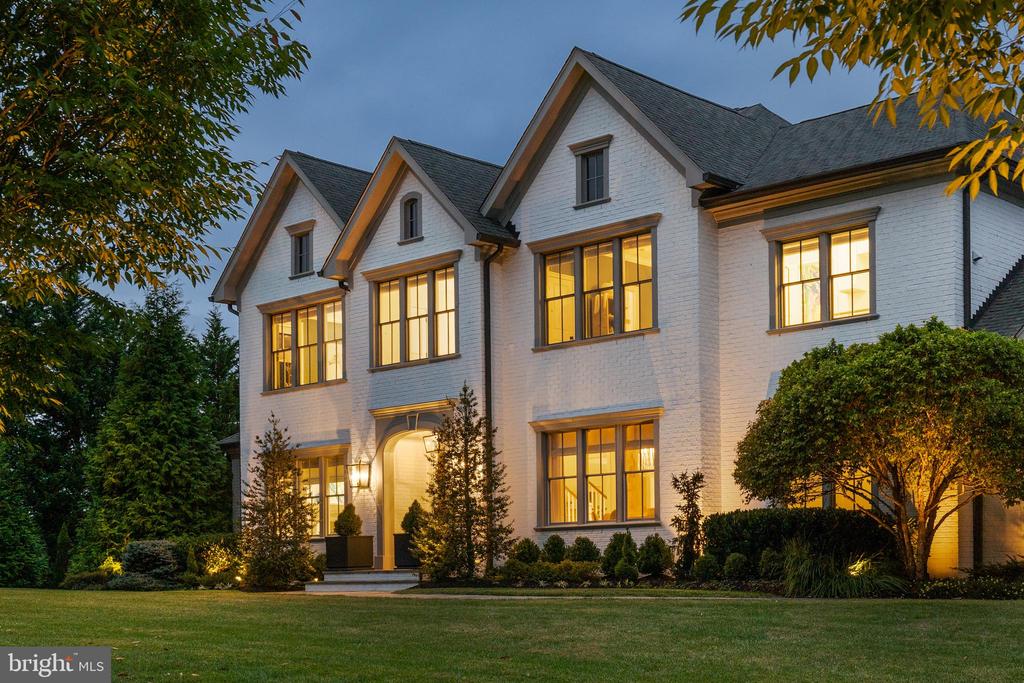
12211 WORTHINGTON ROAD, OWINGS MILLS, MD 21117
Sold

3112 W Golf Course Rd, Owings Mills, MD 21117
Sold

11129 Falls Rd, Lutherville Timonium, MD 21093
Sold

800 HILLSTEAD DRIVE, LUTHERVILLE TIMONIUM, MD 21093
Sold
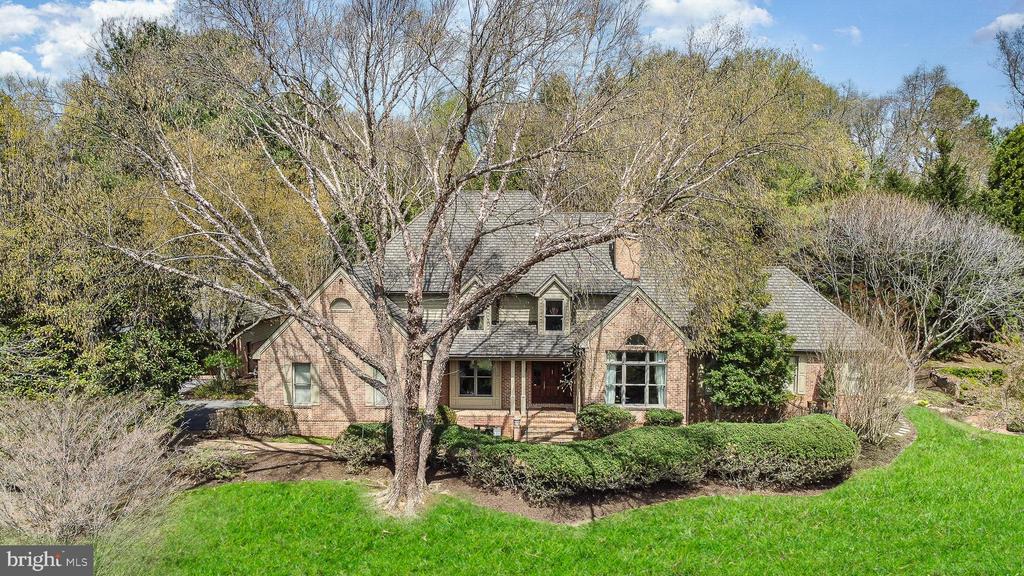
1308 MUSGROVE ROAD, LUTHERVILLE TIMONIUM, MD 21093
Sold
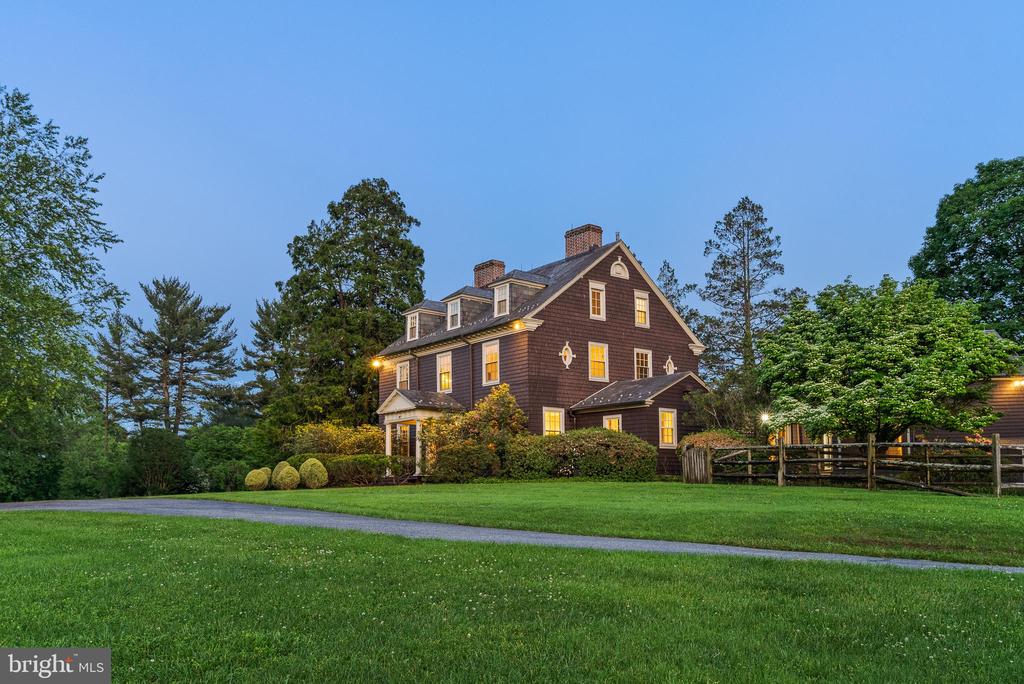
4006 STEWART ROAD, STEVENSON, MD 21153
Sold

15315 Carroll Rd, Monkton, MD 21111
Sold
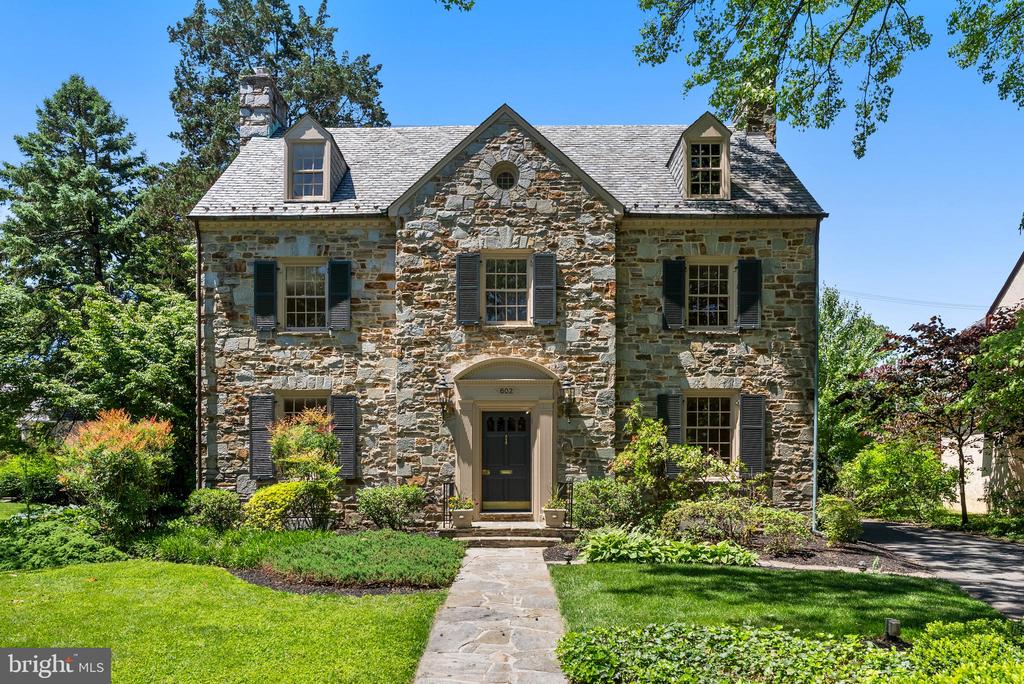
602 STONELEIGH ROAD, BALTIMORE, MD 21212
Sold

6401-A Murray Hill Rd, Baltimore, MD 21212
Sold

303 Goodwood Gdns, Baltimore, MD 21210
Sold
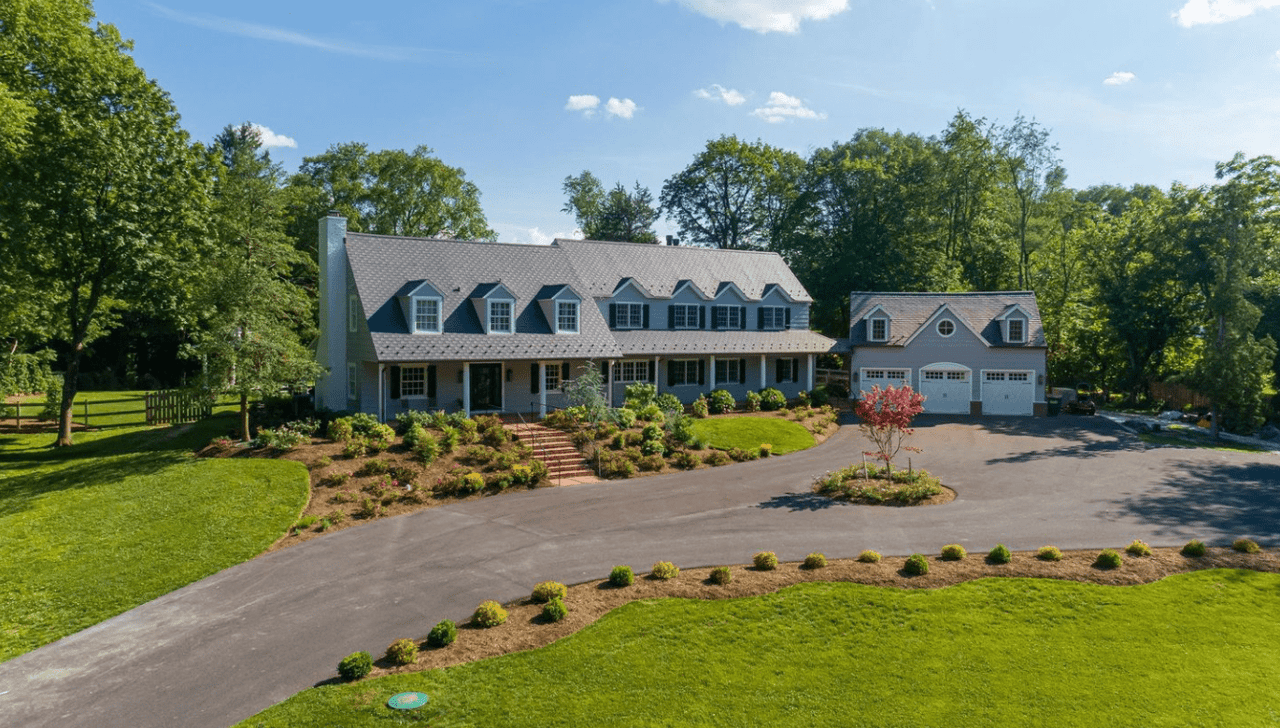
1840 Greenspring Valley Rd , Owings Mills, MD 21117
Sold
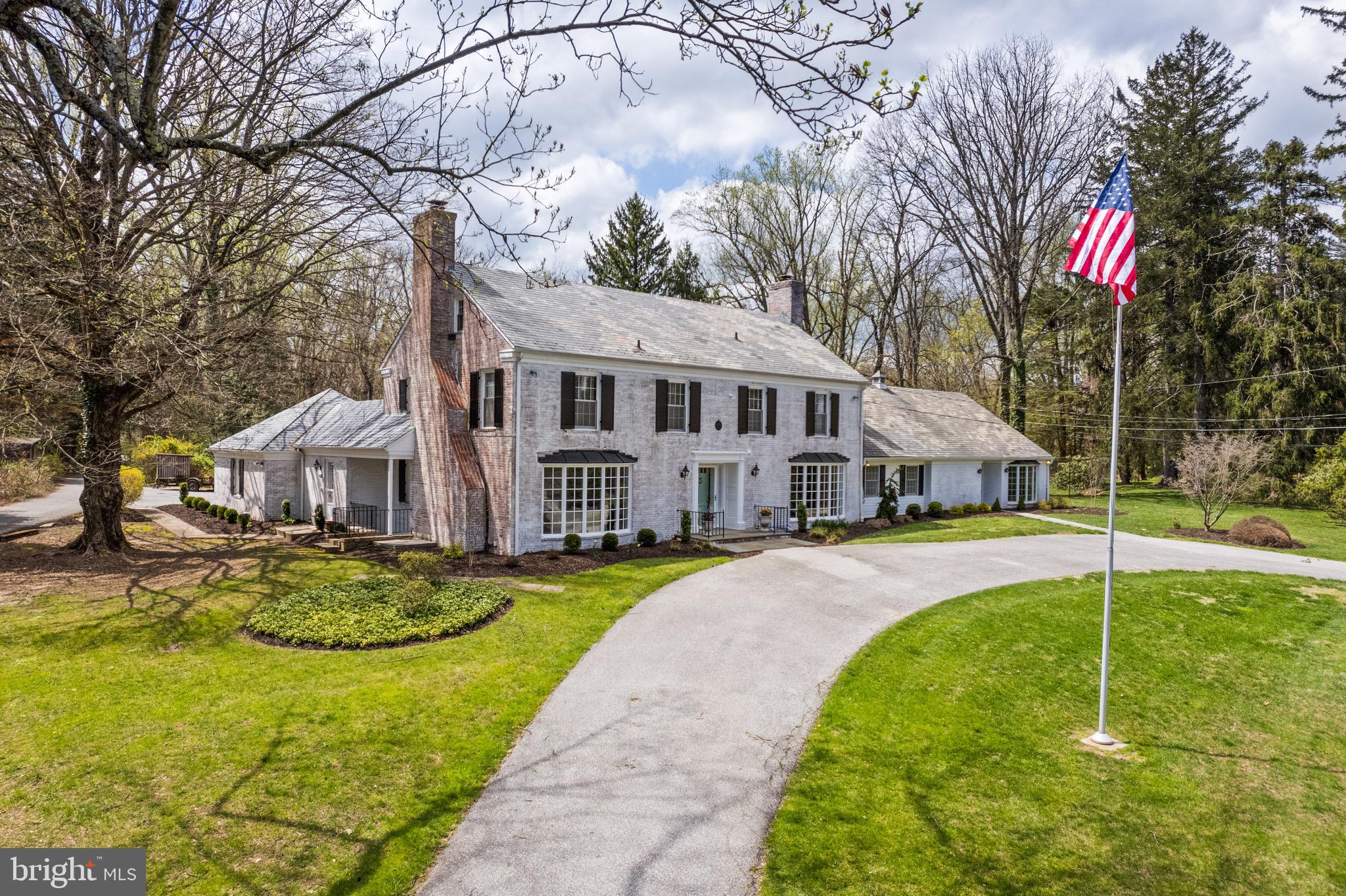
7505 LHIRONDELLE CLUB ROAD, TOWSON, MD 21204
Sold

6510 Chantilly Dr, Sykesville, MD 21784
Sold

1510 SEMINARY AVENUE W, LUTHERVILLE TIMONIUM, MD 21093
Sold

7 BROOKSTONE COURT, LUTHERVILLE TIMONIUM, MD 21093
Sold
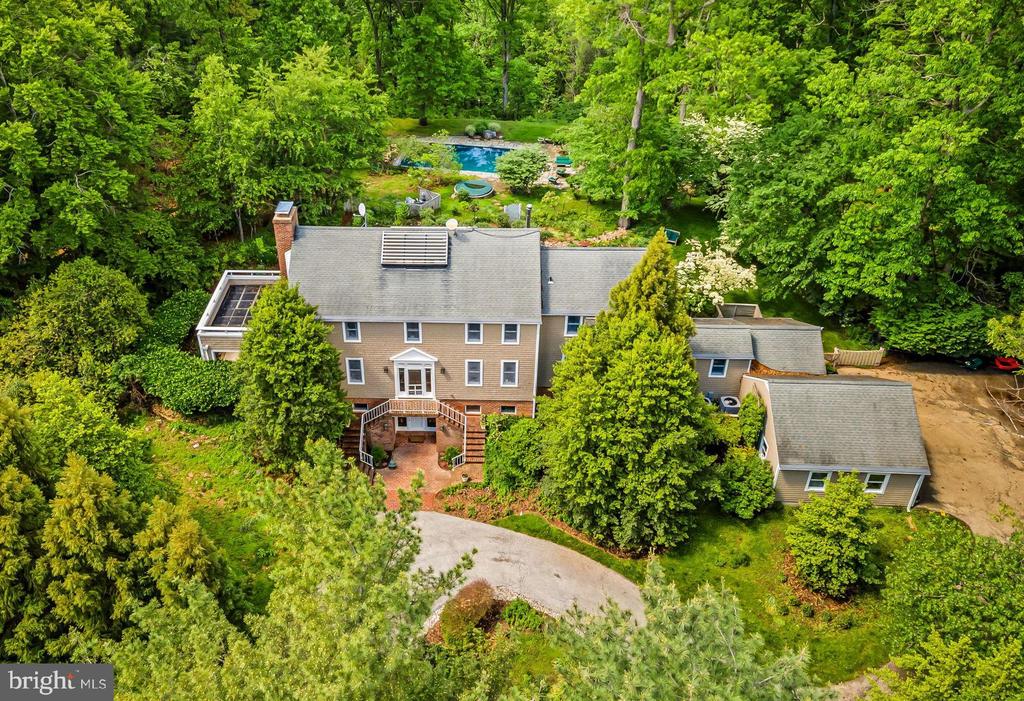
831 HILLSIDE ROAD, LUTHERVILLE TIMONIUM, MD 21093
Sold

714 #2 Western Run Rd, Cockeysville, MD 21030
Sold
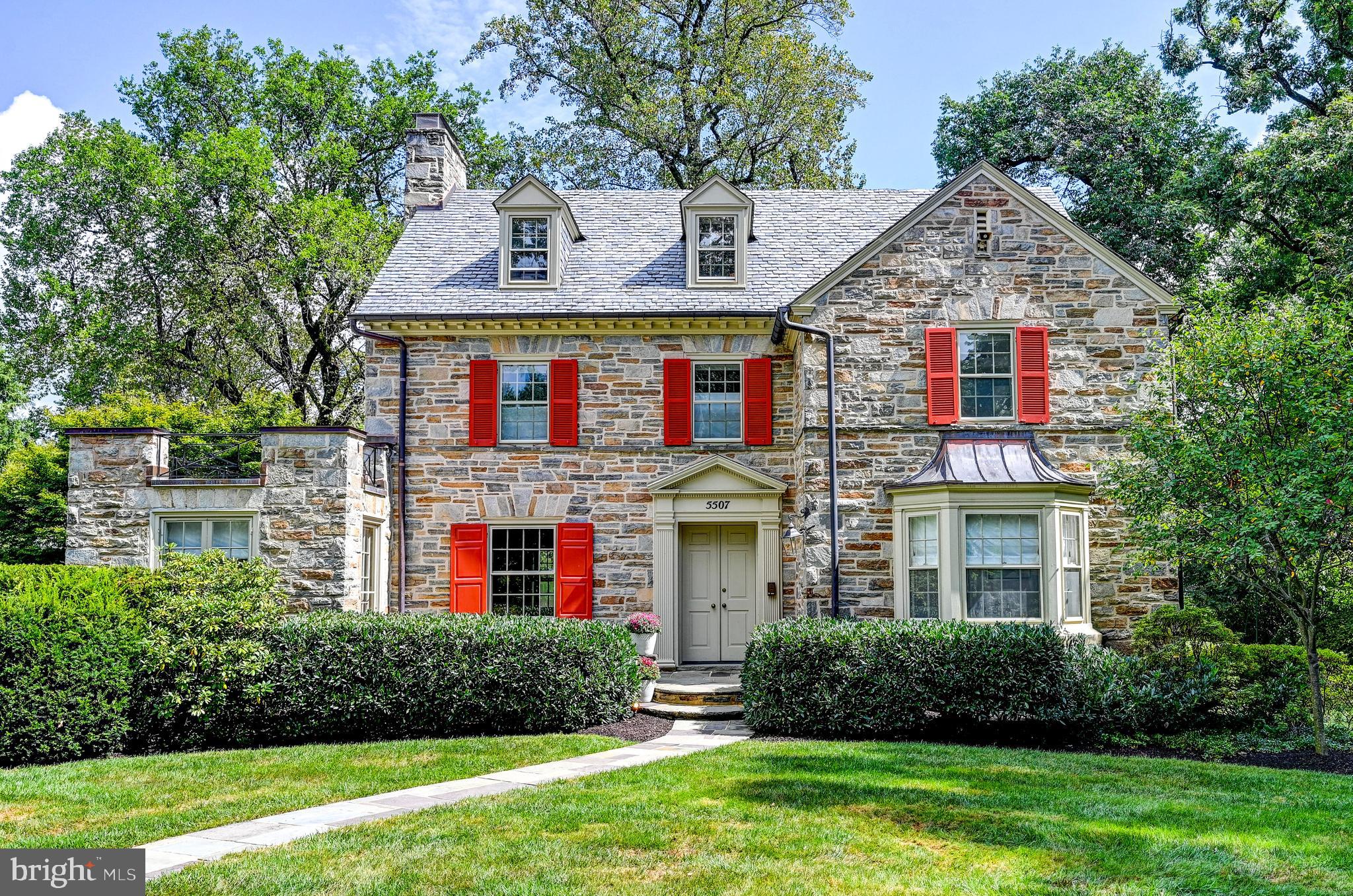
5507 SAINT ALBANS WAY, BALTIMORE, MD 21212
Sold

2919 CAVES ROAD, OWINGS MILLS, MD 21117
Sold
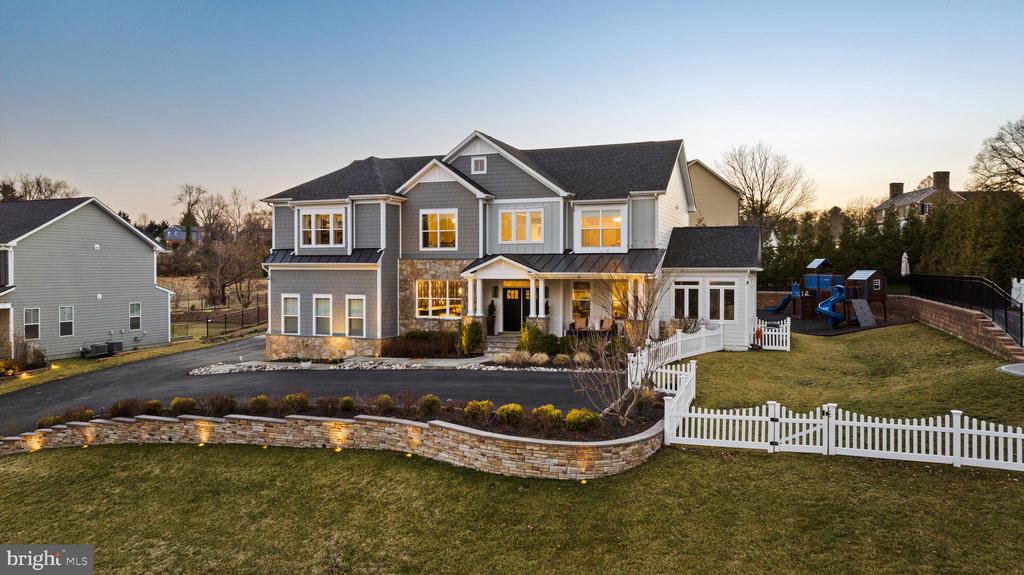
1107 COWPENS AVENUE, TOWSON, MD 21286
Sold
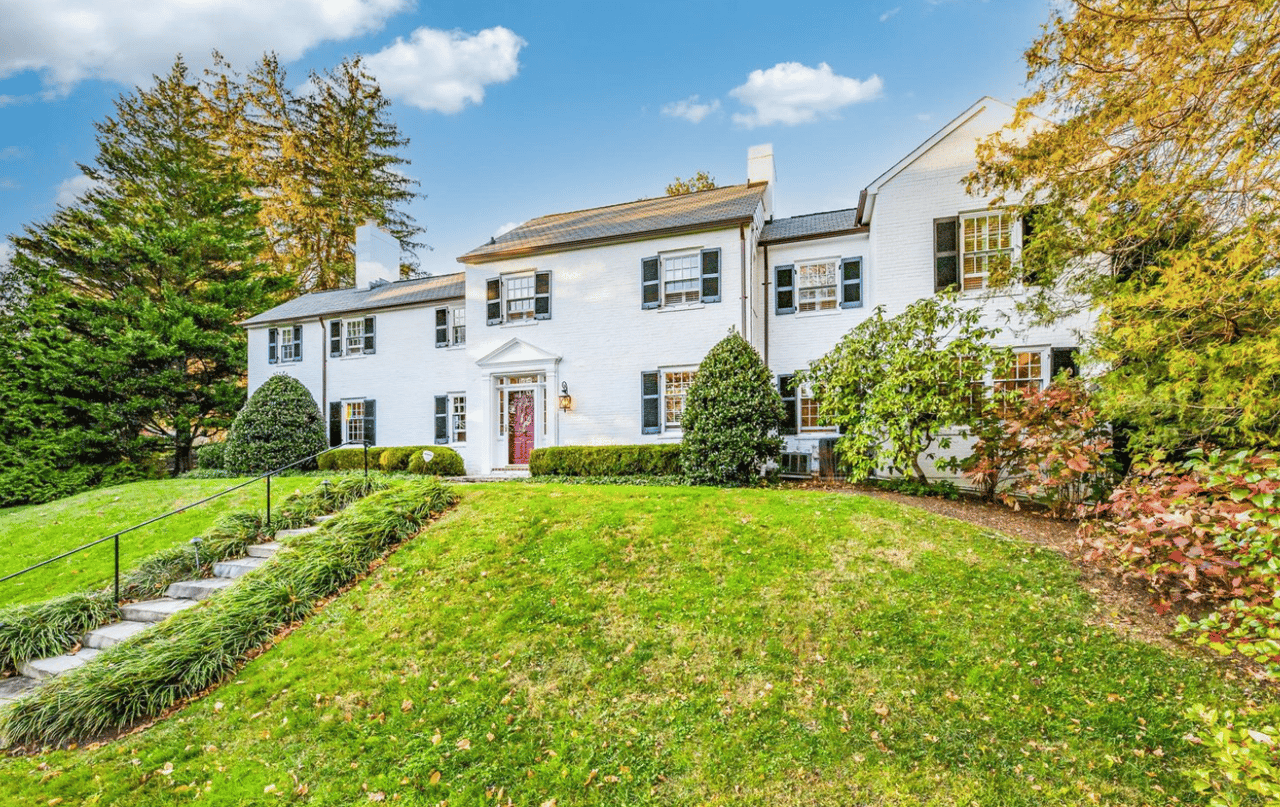
1406 Malvern Ave , Baltimore, MD 21204
Sold
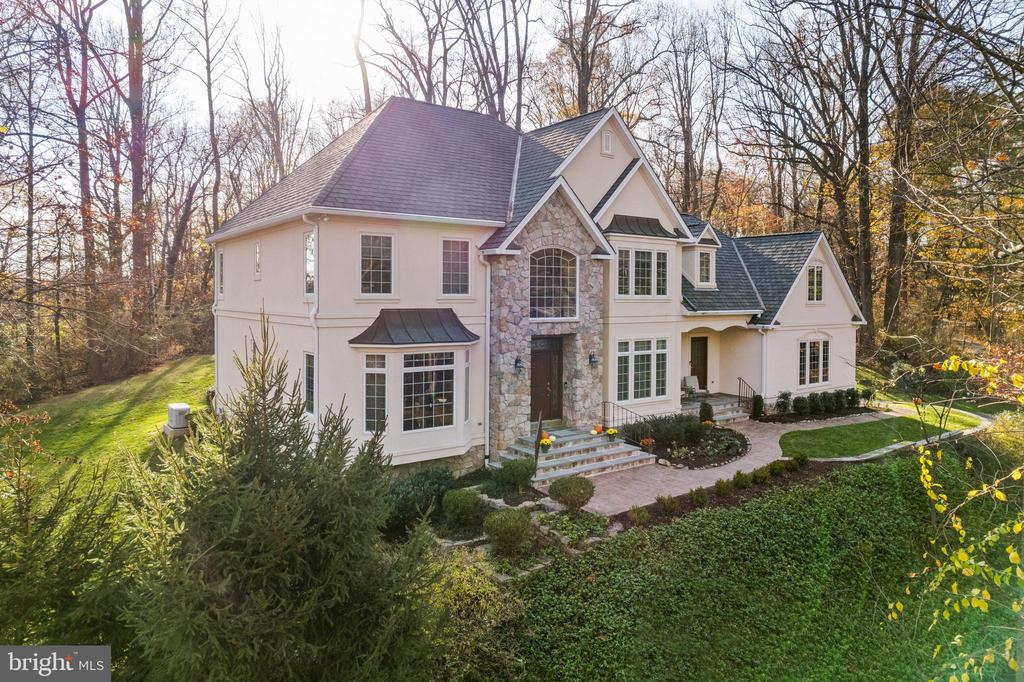
2101 OUR LANE, STEVENSON, MD 21153
Sold
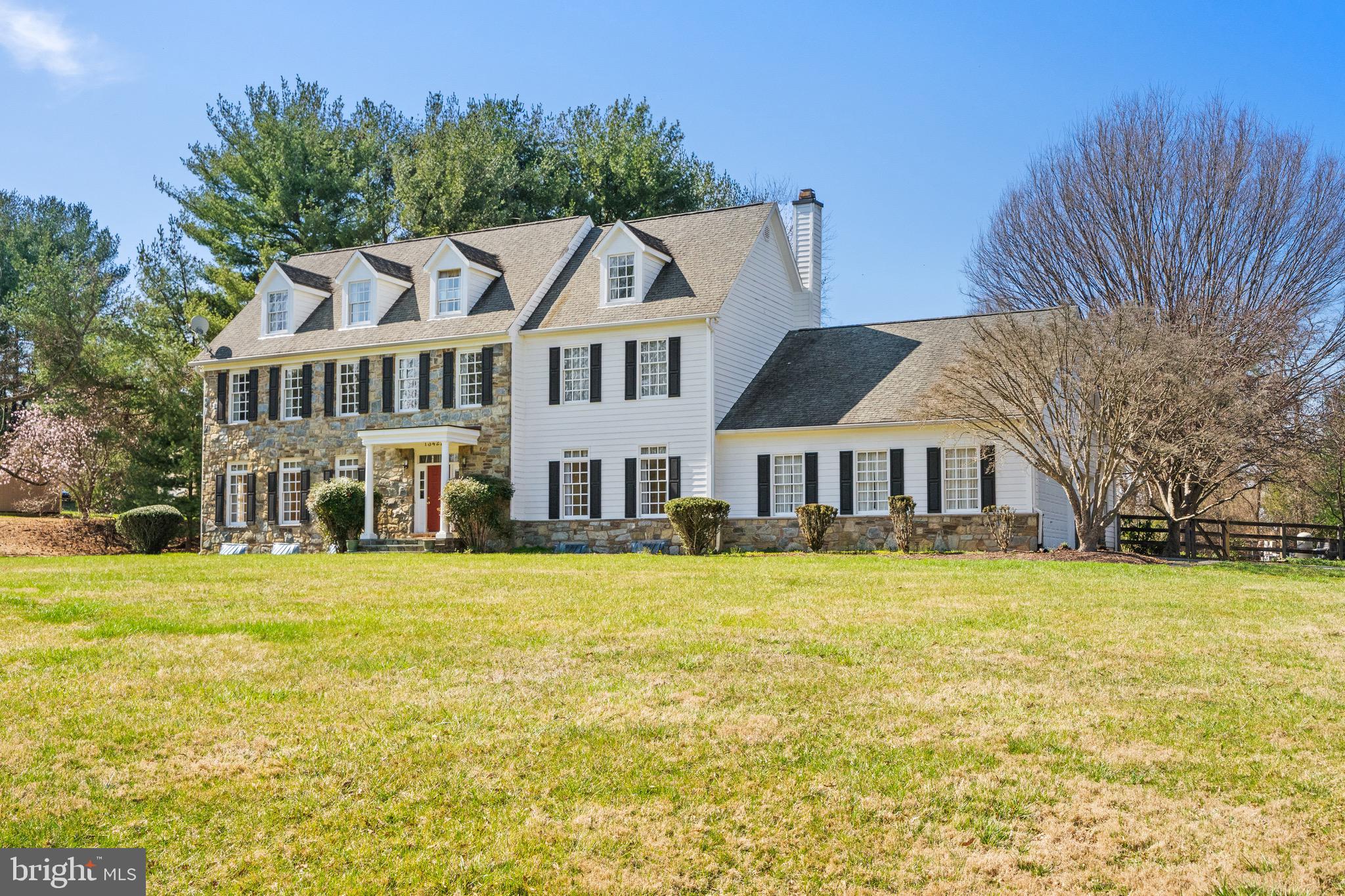
13422 QUERY MILL ROAD, NORTH POTOMAC, MD 20878
Sold

4201 Greenway, Baltimore, MD 21218
Sold

1724 Hillside Rd, Stevenson, MD 21153
Sold

105 Millbrook Rd, Baltimore, MD 21218
Sold
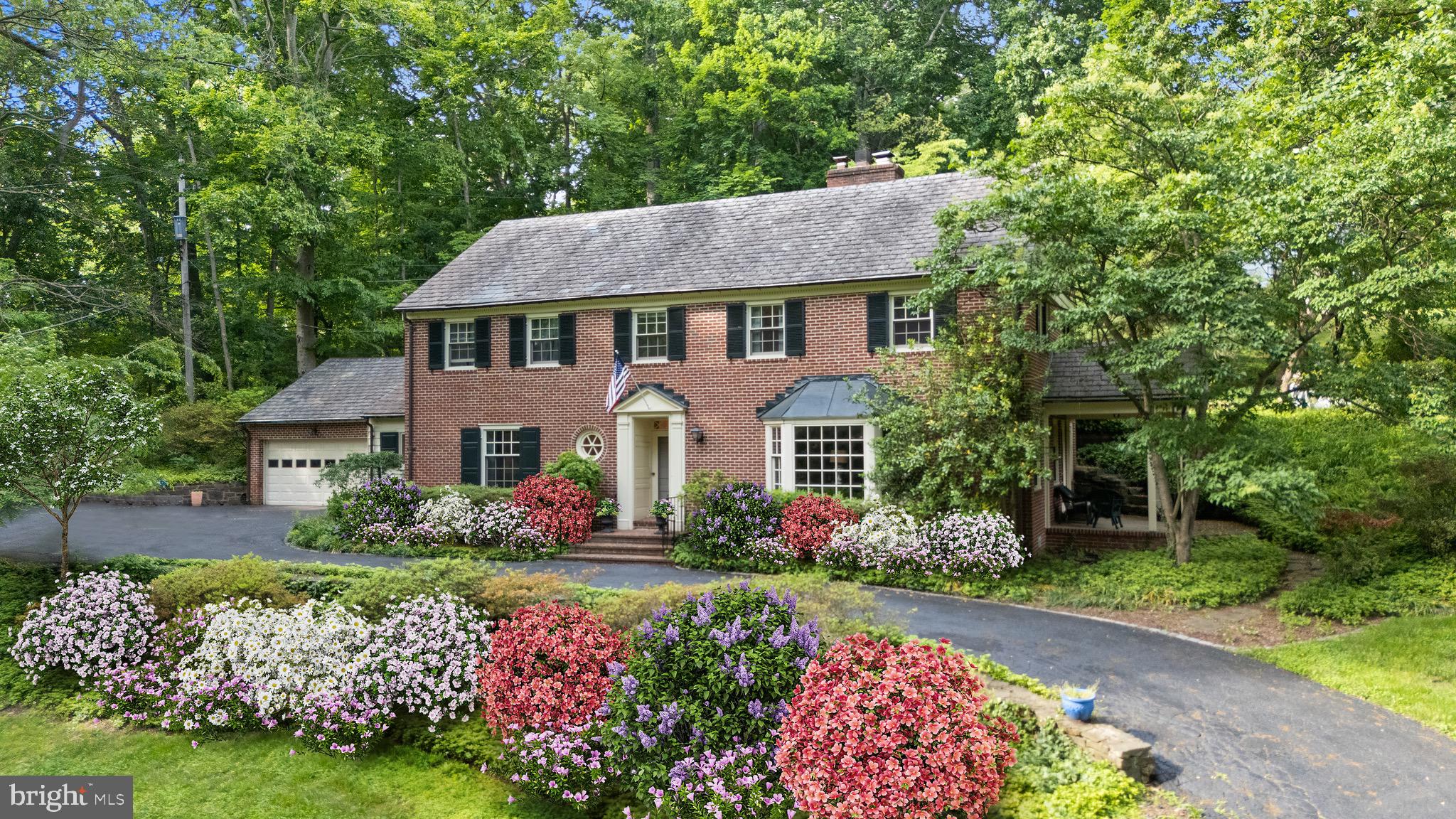
1104 MALVERN AVENUE, RUXTON, MD 21204
Sold
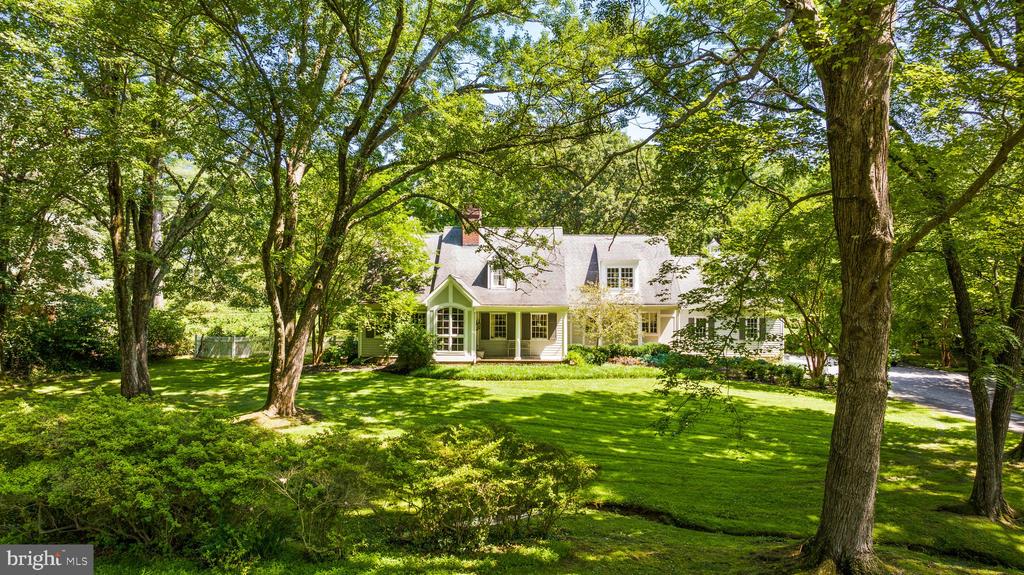
4 CHITTENDEN LANE, OWINGS MILLS, MD 21117
Sold

5 Forwood Ct, Cockeysville, MD 21030
Sold
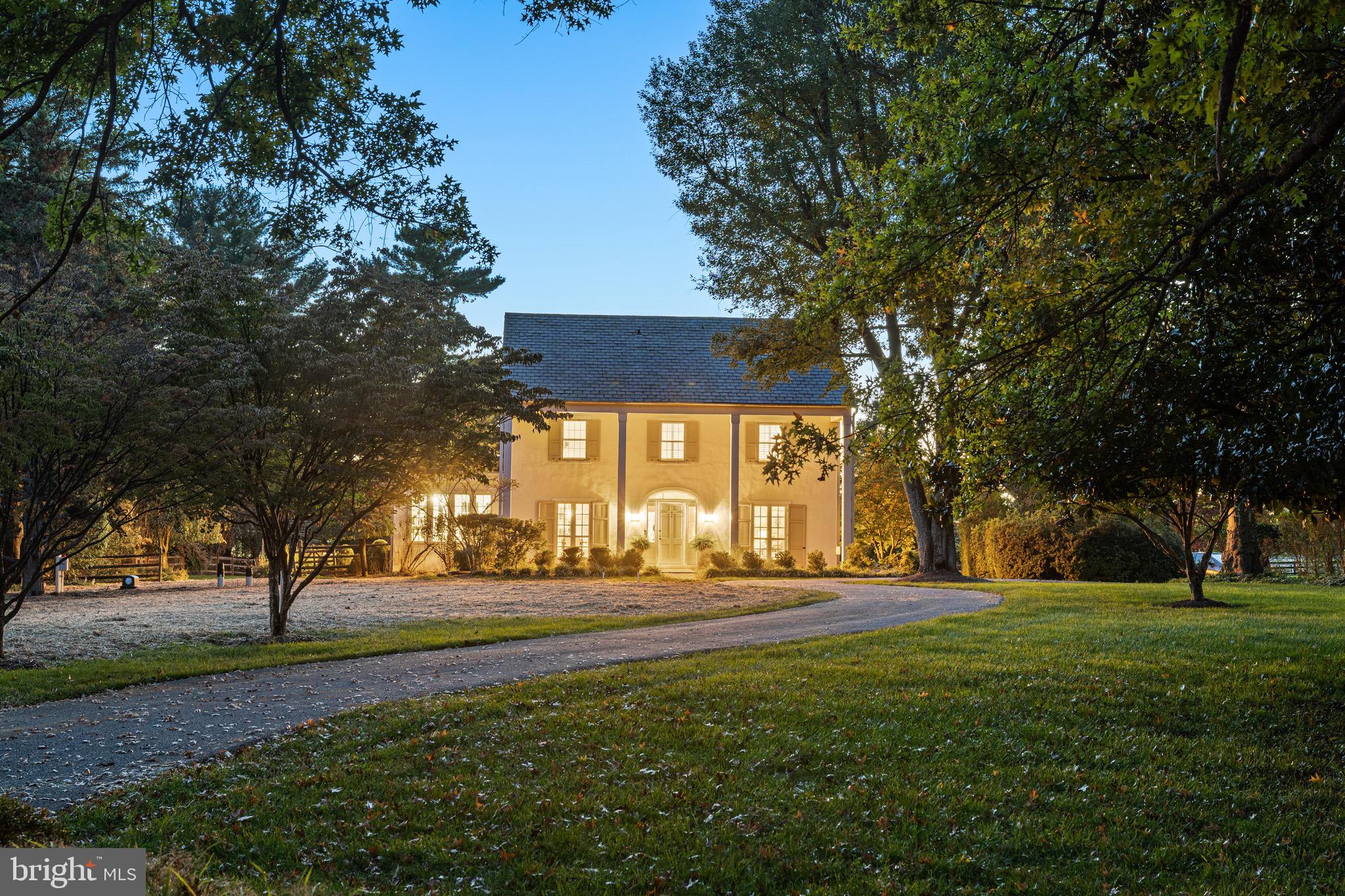
206 GARRISON FOREST ROAD, OWINGS MILLS, MD 21117
Sold

7919 Sherwood Ave, Towson, MD 21204
Sold
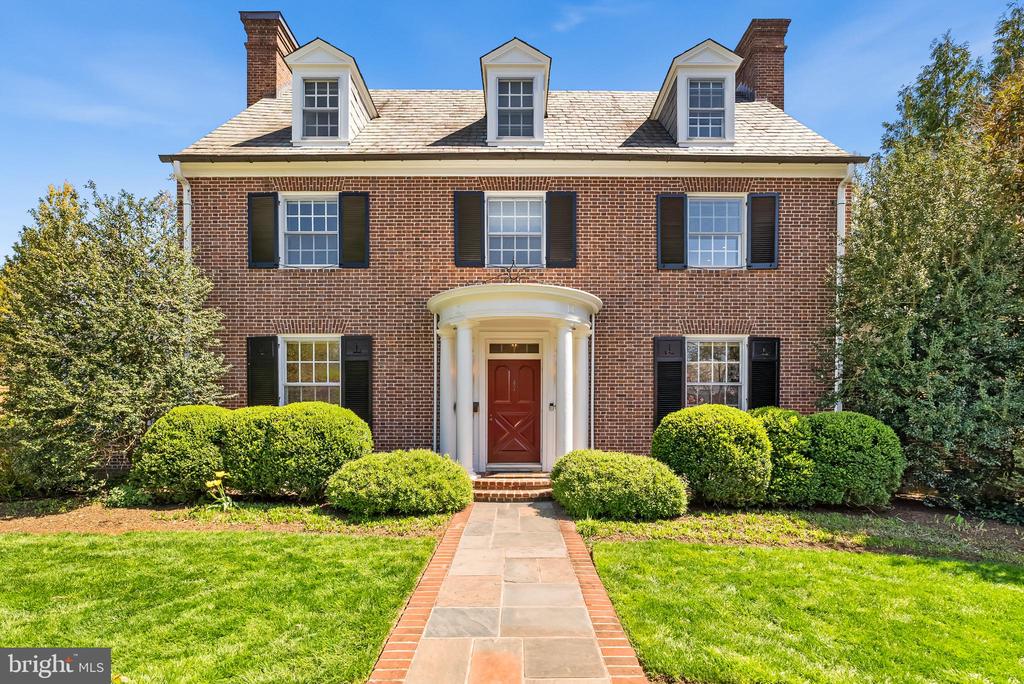
4409 BEDFORD PLACE, BALTIMORE, MD 21218
Sold
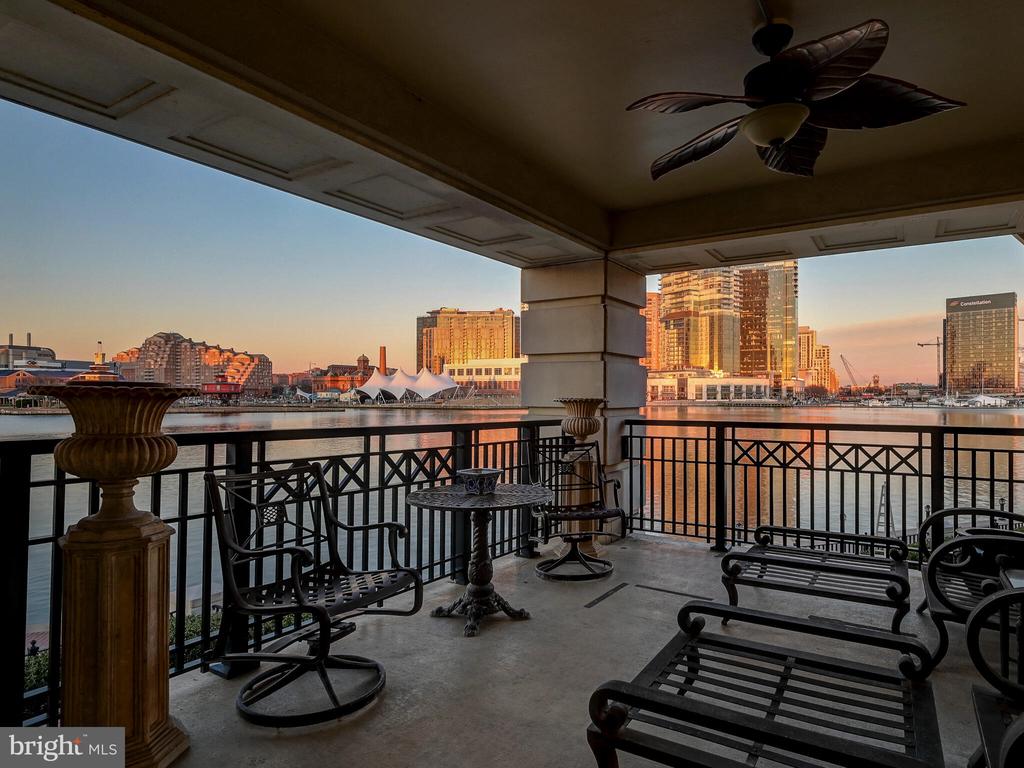
801 KEY HIGHWAY Unit: 210, BALTIMORE, MD 21230
Sold
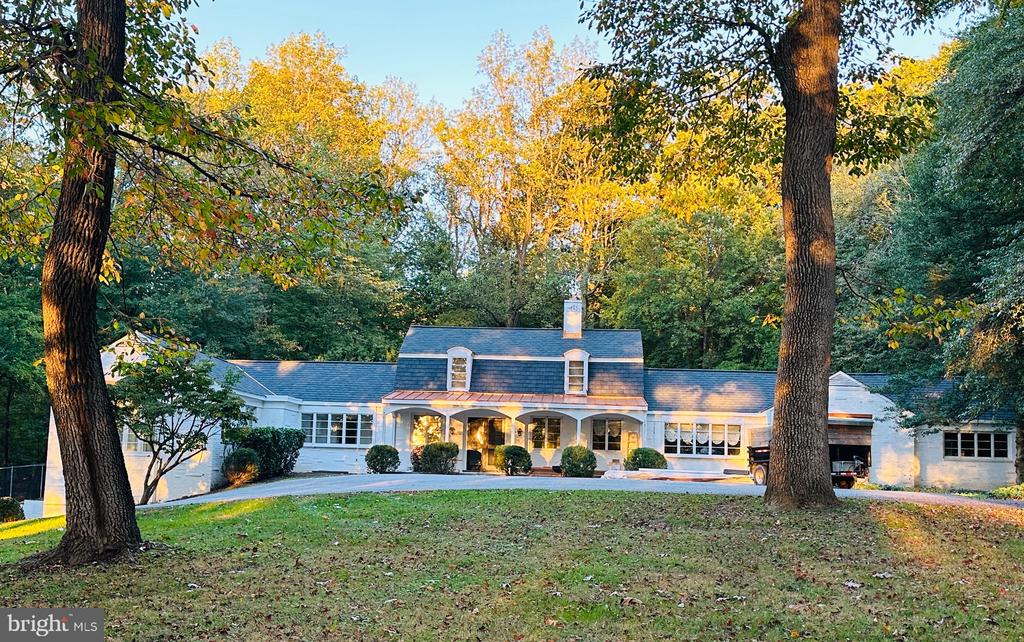
7 CAVESWOOD LANE, OWINGS MILLS, MD 21117
Sold
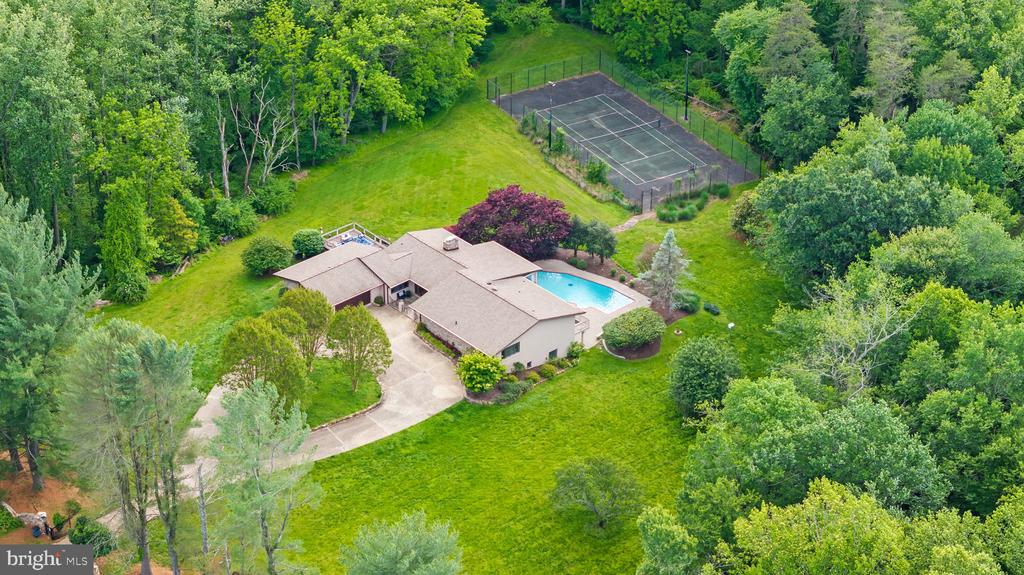
18 MANOR BROOK ROAD, MONKTON, MD 21111
Sold
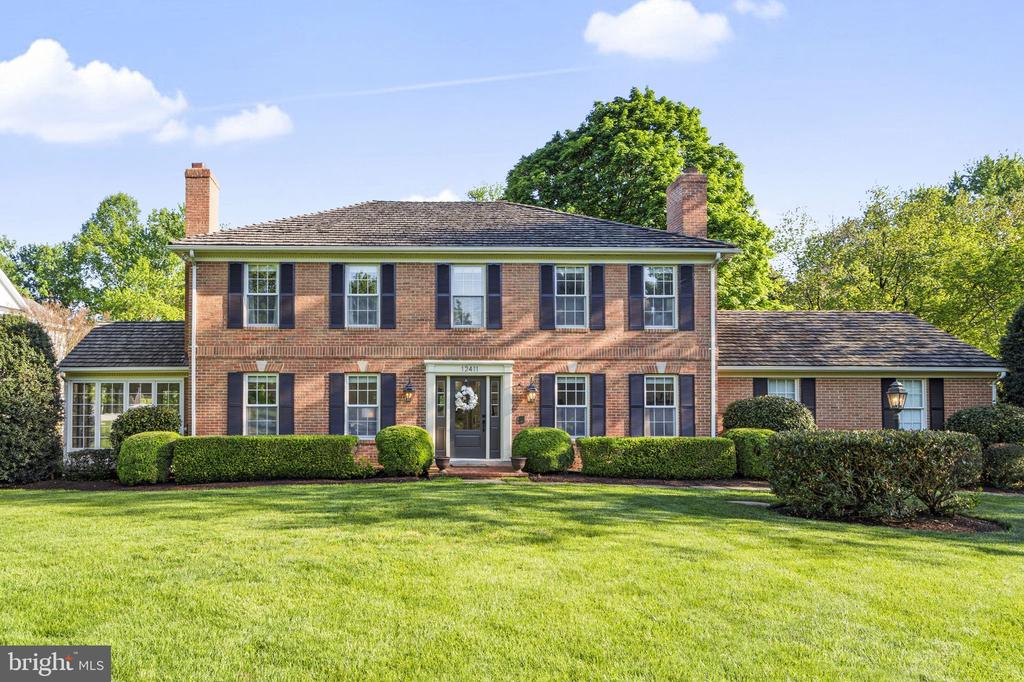
12411 PENELOPE COURT, FULTON, MD 20759
Sold
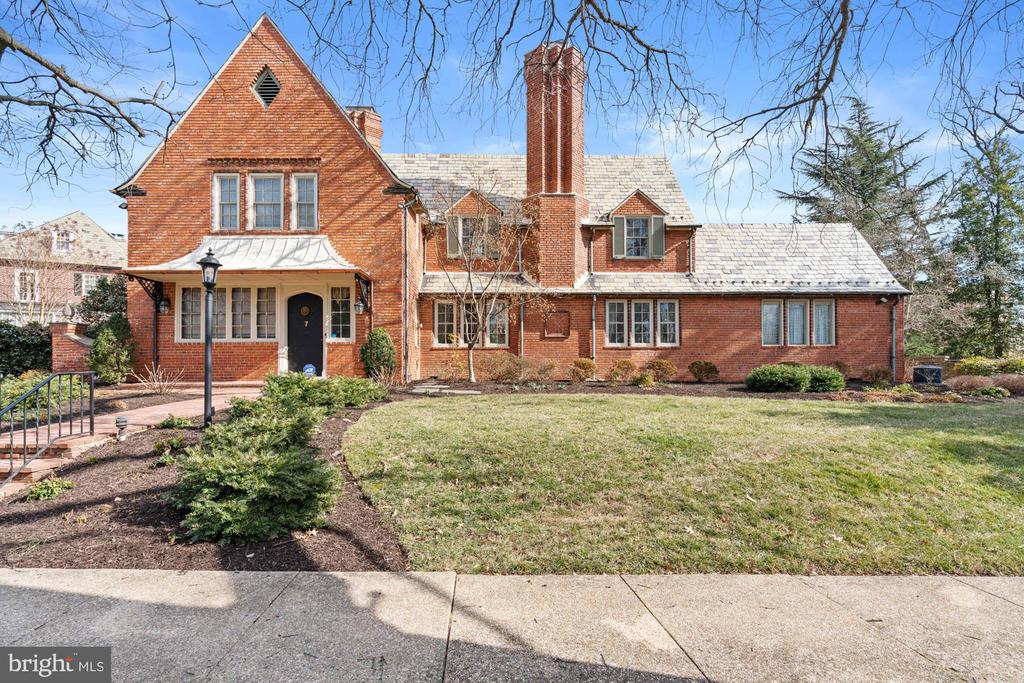
7 CHARLCOTE PLACE, BALTIMORE, MD 21218
Sold
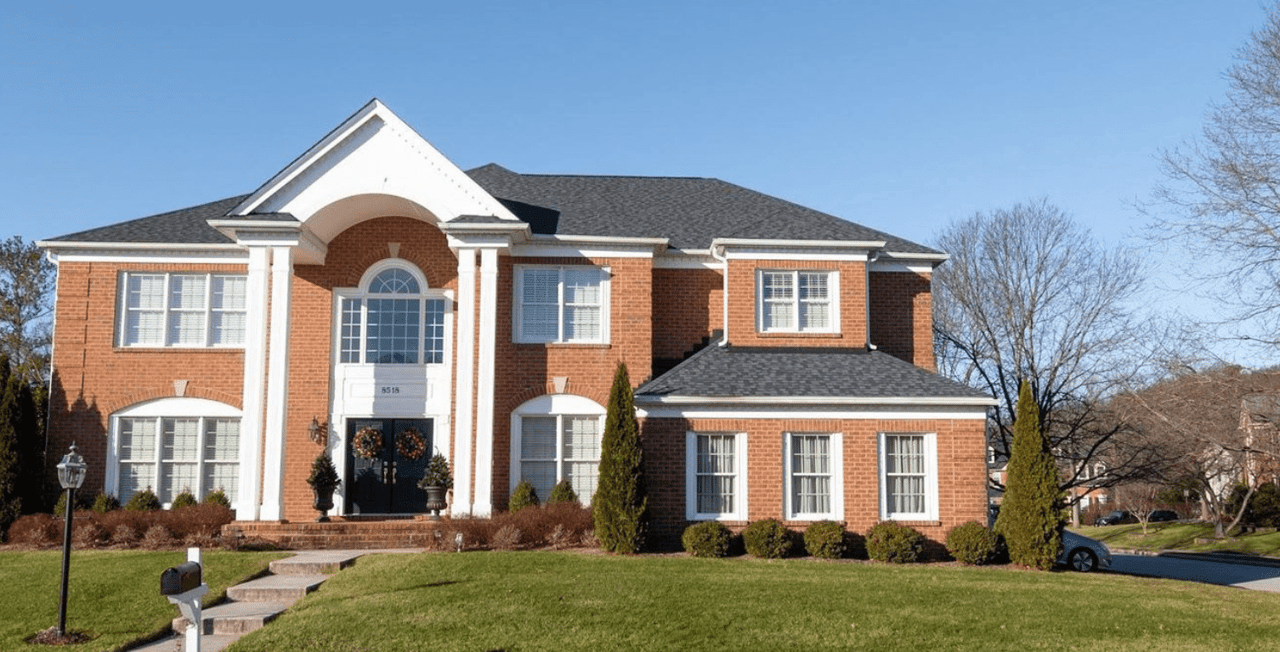
8518 Southfields Cir, Lutherville-Timonium, MD 21093
Sold

101 Market St, Annapolis, MD 21401
Sold

1000 Cold Bottom Rd, Sparks, MD 21152
Sold
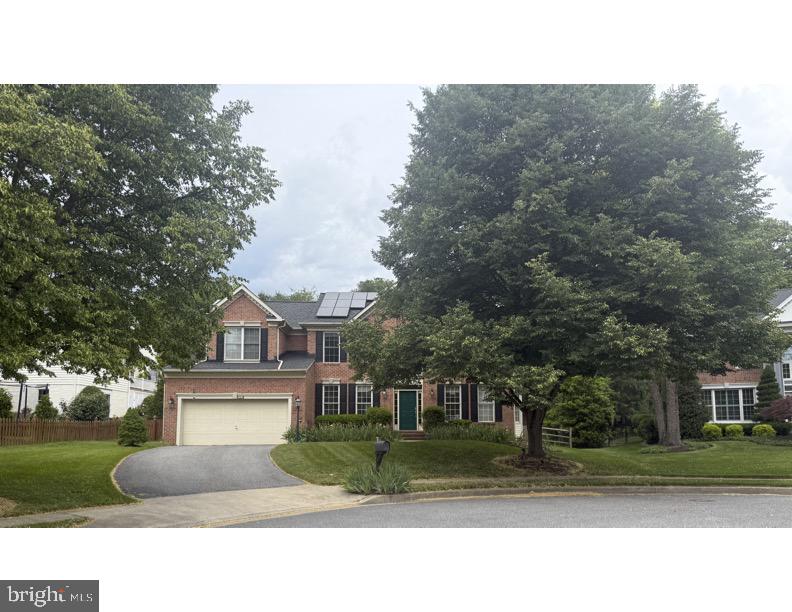
4 CRESTLEIGH PLACE, LUTHERVILLE TIMONIUM, MD 21093
Sold
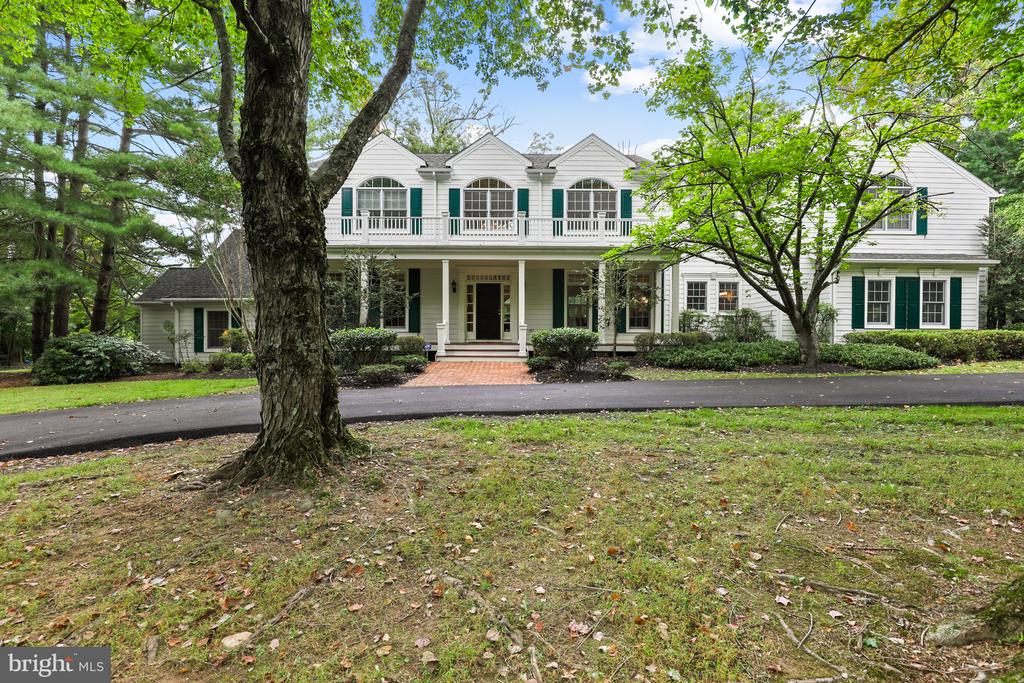
2218 CAVES ROAD, OWINGS MILLS, MD 21117
Sold
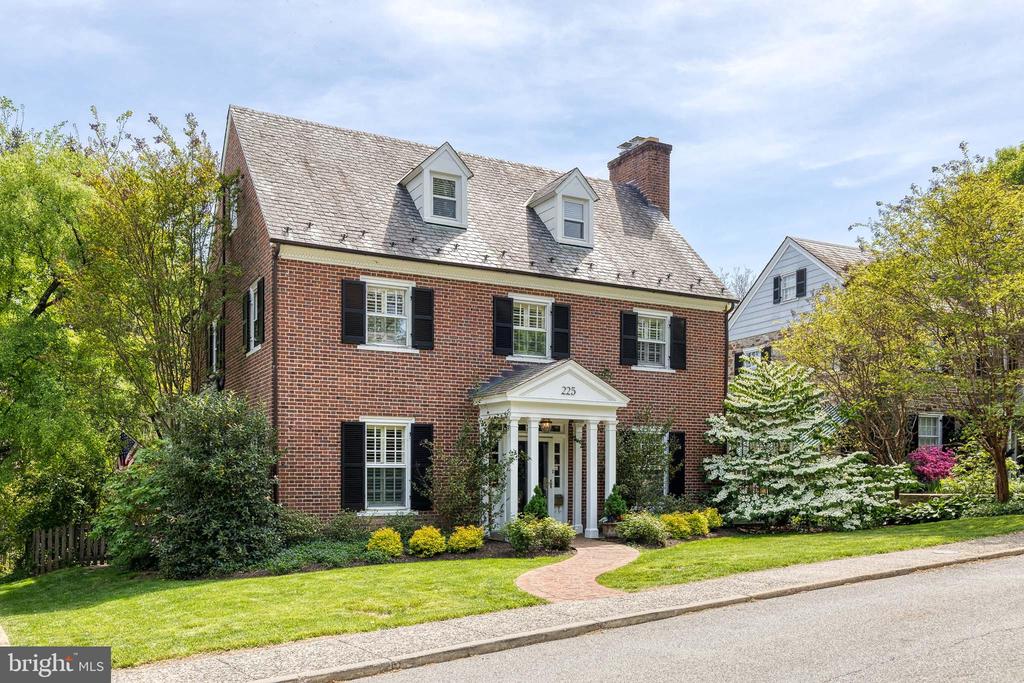
225 TUNBRIDGE ROAD, BALTIMORE, MD 21212
Sold
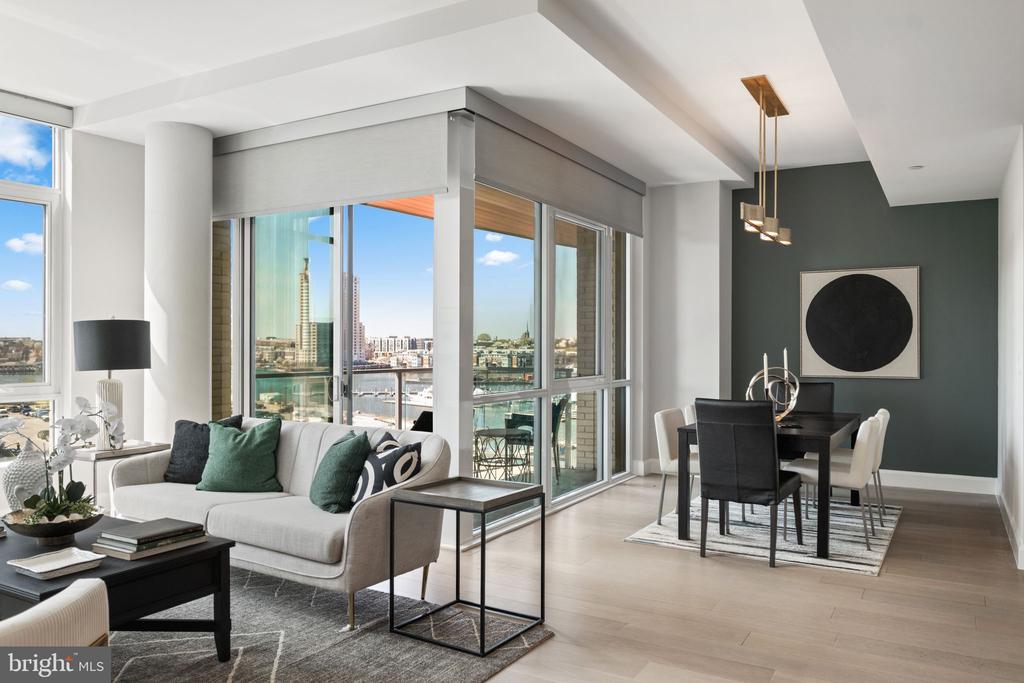
1330 LANCASTER STREET Unit: C603, BALTIMORE, MD 21231
Stay up to date on the latest real estate trends.