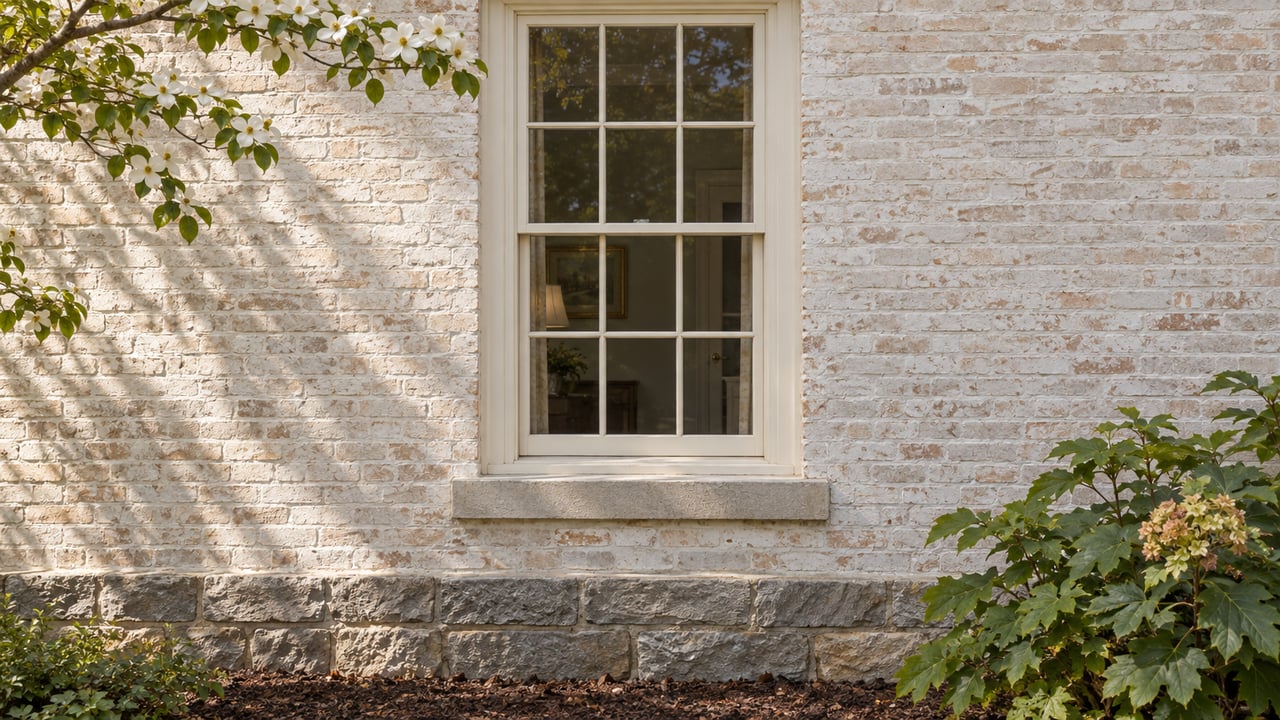
Ruxton Historic Home Renovation Risks to Check Before Closing
October 1, 2026
October 1, 2026
As The Baltimore Banner reported, Cassandra London bought the chartreuse Queen Anne at the corner of Ruxton Road and L'Hirondelle Club Road planning a straightforward renovation. She runs The London Group, a firm that buys historic homes and resells them, and she had done this before. She budgeted for new sash windows at roughly $250 each, standard pricing for a house with 40 window openings. A neighbor had already filed paperwork, months earlier, to put the house on the Baltimore County Landmarks List, a process that requires historic-style replacement windows priced closer to $4,000 apiece. That would have meant a substantially higher window budget.
That's the part worth sitting with if you're looking at an older home in Ruxton right now. The nomination that could have reshaped her renovation was filed while the house was still in foreclosure, under the previous owner, by a neighbor and local historian who cares about the neighborhood's heritage. Baltimore County's process lets any member of the public start a nomination, so it does not depend on the owner's consent or awareness.
The neighbor was Joseph Coale, a Ruxton resident since 1970 and founder of the Greater Ruxton Area Foundation. He'd tried twice before to nominate the property, known as Maroney House, and finally completed the paperwork in the summer of 2025, while the home sat in foreclosure. That September, the Baltimore County Landmarks Preservation Commission voted unanimously to add it to the county's preliminary landmarks list, citing its Queen Anne architecture and its past owners, among them Dennis F. Maroney, a B&O Railroad executive who built the house in the late 1880s, and later Frank D. Sanger, a University of Maryland School of Medicine specialist known for his work on tuberculosis treatment, and his wife Grace, an illustrator.
London bought the house without knowing any of this was in motion. By the time she found out, she was already the owner of a property whose renovation scope had just expanded by six figures, and the decision about whether that scope would become mandatory sat with the Baltimore County Council, not with her.
It's easy to assume a house is either historic or it isn't, and that the label carries one meaning. Baltimore County's system draws a sharper line than that. Listing on the National Register of Historic Places is honorary. It documents a property's significance and can open the door to certain tax credits, but it places no restriction on what an owner does to the exterior. Baltimore County's own Landmarks List works differently. To actually bind a property, meaning to require specific materials, dictate what can be changed on the exterior, and protect it from demolition, a home has to be on the county's final list of local landmarks, a designation the Landmarks Preservation Commission reviews and the county council votes on.
Coale made this distinction himself while defending the nomination, pointing out that Maroney House sits outside any formal historic district. In a place like Dickeyville, homeowners know before they ever make an offer that exterior paint is limited to a handful of approved shades. Ruxton carries no such blanket overlay. There's no historic district here dictating what an owner can do to a porch or a window before they buy. In Ruxton, the process is property-specific rather than a blanket neighborhood overlay, and a nomination can be filed at any point in a property's ownership, including shortly before a purchase.
The nomination moved to a final hearing in December 2025, and the county council members closest to the decision were visibly uneasy about it. Councilman Izzy Patoka, whose district includes Ruxton and who would cast the deciding vote under the council's custom of deferring to the local representative, told Coale he wasn't inclined to support the designation once London testified that the nomination had surprised her and that she hadn't budgeted for the historic renovation requirements it carried. As The Baltimore Banner reported, Councilman Julian Jones described the stakes in terms of how a future buyer might respond to the restrictions.
"That somebody can just decide to put your home on a historical landmark list? It is problematic. And it will affect her property value far beyond the windows. When you put stipulations on the property, people will take into consideration whether or not to buy it with those restrictions."
Coale withdrew the nomination in late January 2026. Maroney House was not added to the final landmarks list. London said she plans to move forward with what she called thoughtful work that respects the architecture while keeping the home livable for its next owner. The house came out the other side unrestricted, but only after several months of hearings, a councilman's testimony, and a homeowner absorbing the uncertainty of not knowing which way the vote would go.
A similar situation played out at the McGrain House in downtown Towson in 2024, where the owners bought the property intending to preserve it, and later encountered landmark-related renovation costs. Two cases within two years of each other, both involving buyers who intended to restore the homes they'd bought, both facing a designation process that moved on its own timeline, separate from their purchase.
The current version of this law is about a year old, following the Choate House demolition. As The Baltimore Banner reported, in March 2025, a developer demolished Choate House, a 215-year-old tavern on Liberty Road in Randallstown that had been on the National Register since 1989. Being on the National Register wasn't enough to stop it. The property had also been on the county's preliminary landmarks list since 2019, but the council had a 90-day window to hold a final vote after a public hearing, and when that window closed without action, the preliminary protection lapsed and a demolition permit followed.
As The Baltimore Banner reported, the county council responded in October 2025 with legislation requiring itself to actually vote within that window and giving the public a path to appeal if the Landmarks Preservation Commission declines to protect a structure. Maroney House became the first property considered under the new rule, which means the process now moves with more certainty than it did before Choate House came down. That cuts both ways for a buyer. A nomination is less likely to quietly expire on a missed deadline, but it's also more likely to reach a real vote once someone files it.
If you're evaluating a home with real architectural pedigree, whether it's one of the Queen Annes and Colonial Revivals scattered through the neighborhood or an early estate with the kind of woodwork and window craftsmanship this area is known for, the Maroney House case is worth treating as a checklist rather than a cautionary tale. Ask whether the property currently sits on the county's preliminary landmarks list. Ask whether any nomination has been filed, even an inactive or withdrawn one, since that history can resurface. Build renovation estimates around two scenarios, standard materials and historic-compliant materials, to account for potential designation-related costs before work begins. And recognize that the absence of a historic district in Ruxton doesn't rule out a nomination for an individual house; the process is property-specific, not block-wide.
None of this makes an older Ruxton home a bad purchase. The same craftsmanship that makes these houses landmark candidates is exactly what buyers come here looking for, and a landmark designation, when an owner pursues it knowingly, can add real value and protection to a property that deserves it. The cases illustrate how a nomination may proceed separately from a purchase. Anyone shopping this segment of the market, or preparing to sell into it, can check for pending or past nominations as part of due diligence.
If you're weighing an older home in Ruxton, whether you're the one buying it or the one preparing to list it, The Batoff Group can walk through what a landmark check actually involves before you write an offer or set a renovation budget. Request a complimentary market consultation and we'll help you separate the house you're buying from the paperwork attached to it.
This article is general information, not legal, tax or financial advice. Consult a qualified professional about your situation.
Explore our past transactions.
Sold
10600 PARK HEIGHTS AVENUE, OWINGS MILLS, MD 21117
Sold
12220 WORTHINGTON ROAD, OWINGS MILLS, MD 21117
Sold
12210 WORTHINGTON, OWINGS MILLS, MD 21117
Sold
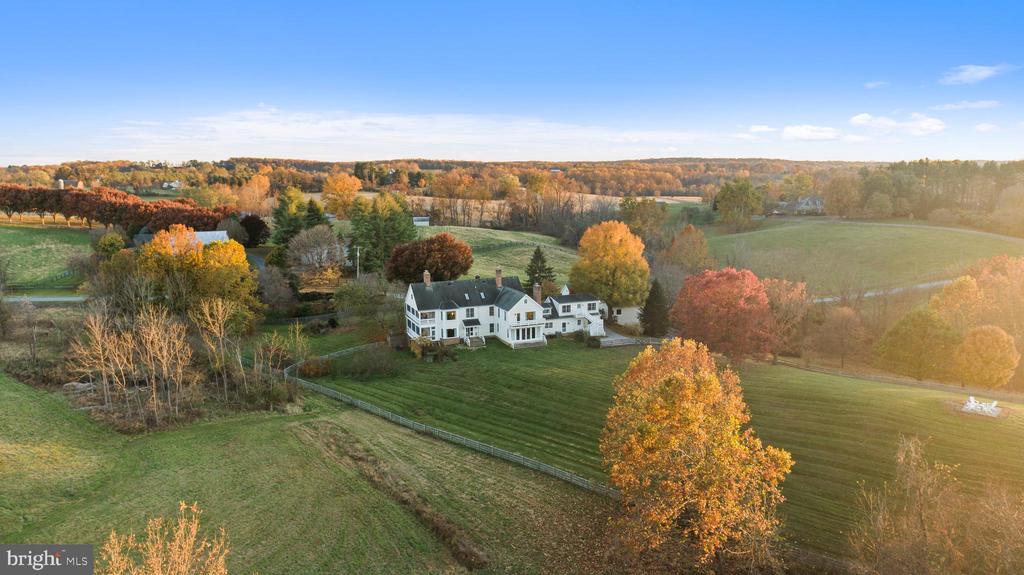
2310 GADD ROAD, COCKEYSVILLE, MD 21030
Sold
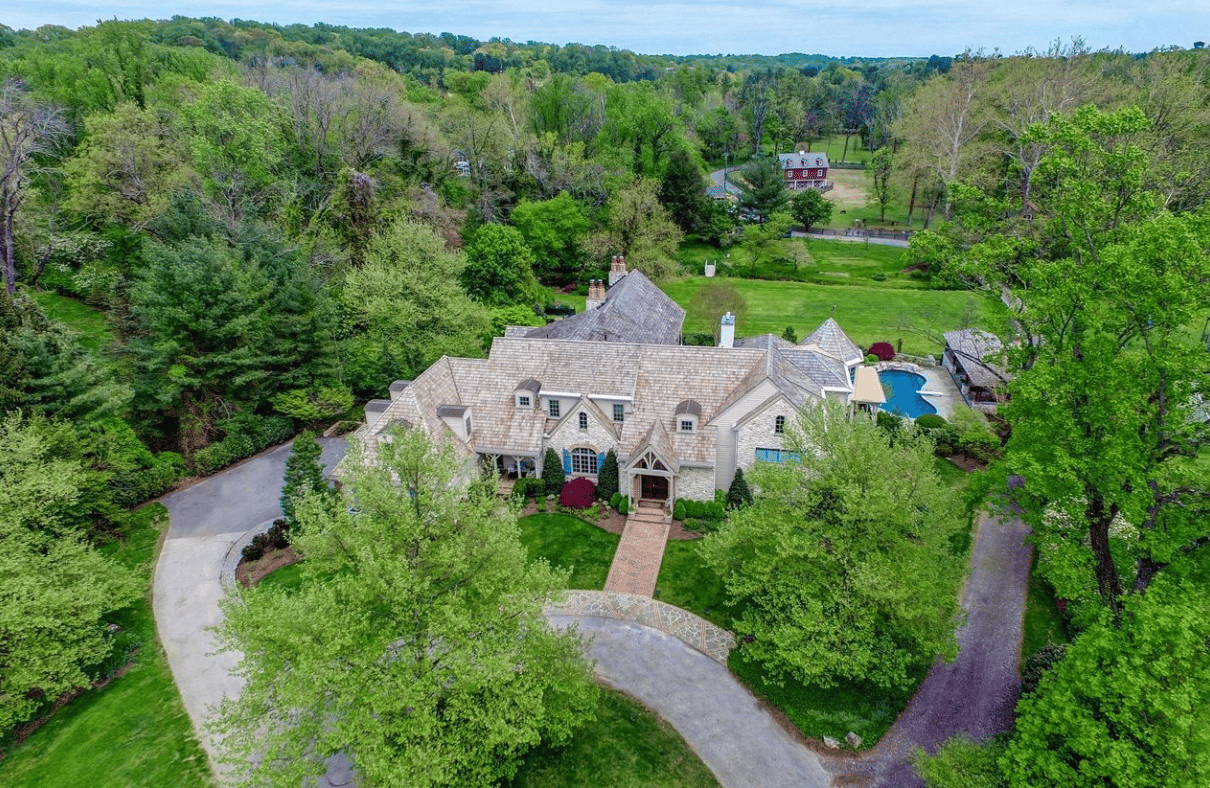
10807 Greenspring Ave, Lutherville-Timonium, MD 21093
Sold
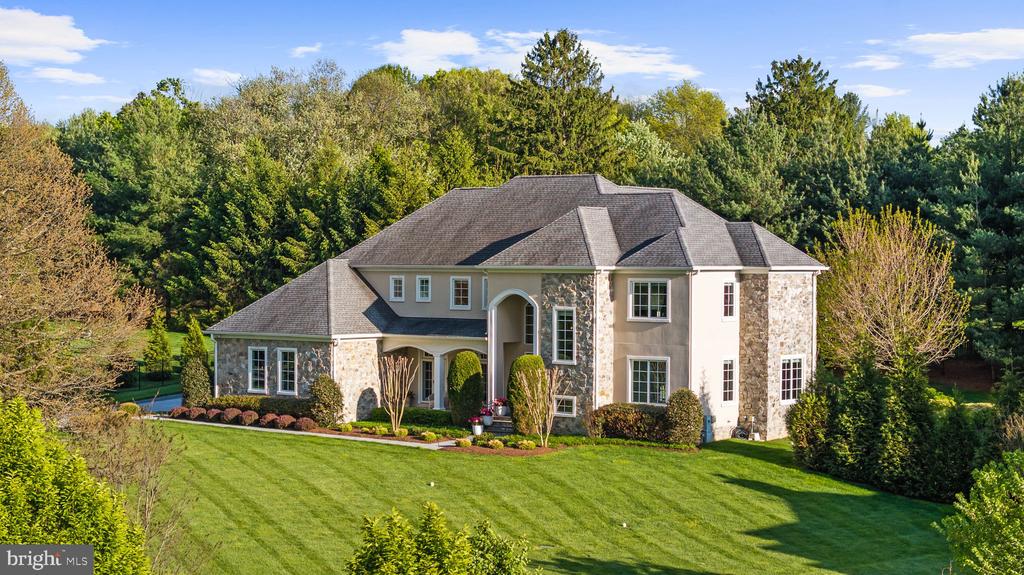
12222 WORTHINGTON ROAD, OWINGS MILLS, MD 21117
Sold
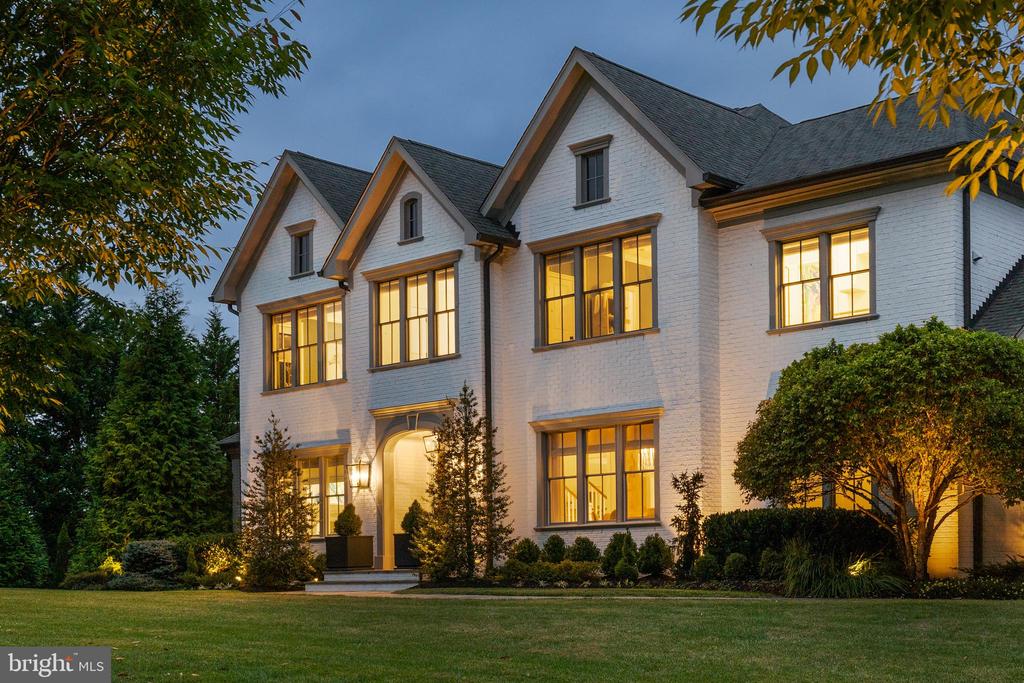
12211 WORTHINGTON ROAD, OWINGS MILLS, MD 21117
Sold

3112 W Golf Course Rd, Owings Mills, MD 21117
Sold

11129 Falls Rd, Lutherville Timonium, MD 21093
Sold

800 HILLSTEAD DRIVE, LUTHERVILLE TIMONIUM, MD 21093
Sold
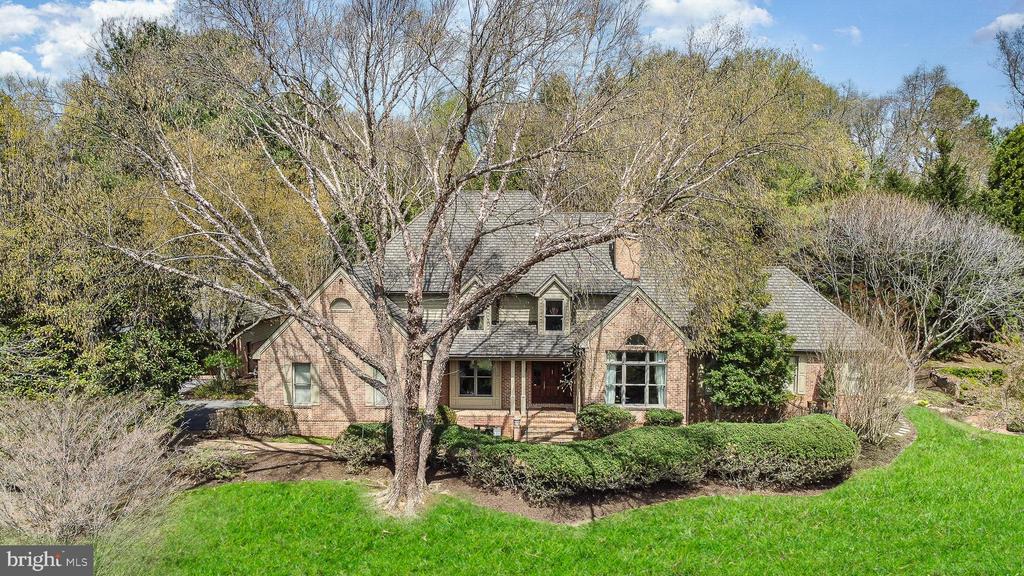
1308 MUSGROVE ROAD, LUTHERVILLE TIMONIUM, MD 21093
Sold
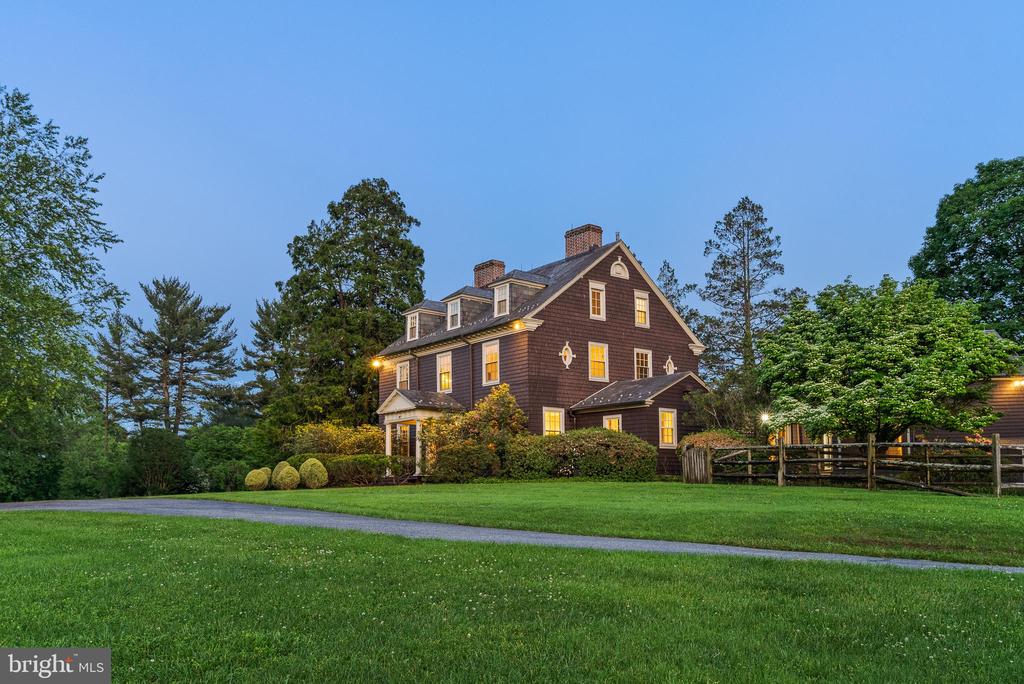
4006 STEWART ROAD, STEVENSON, MD 21153
Sold

15315 Carroll Rd, Monkton, MD 21111
Sold
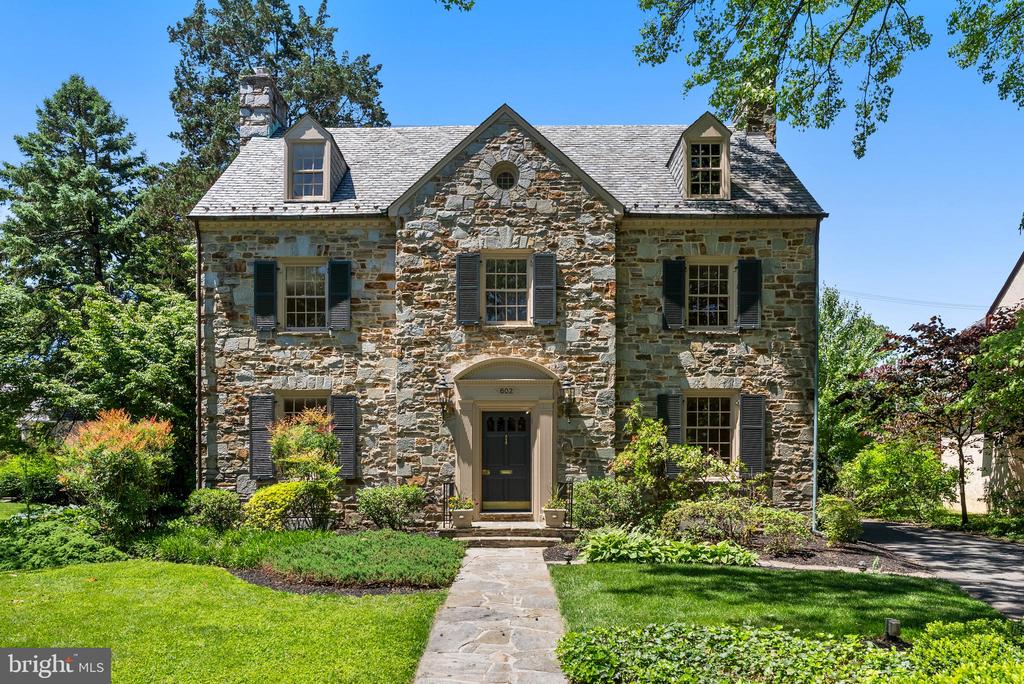
602 STONELEIGH ROAD, BALTIMORE, MD 21212
Sold

6401-A Murray Hill Rd, Baltimore, MD 21212
Sold

303 Goodwood Gdns, Baltimore, MD 21210
Sold
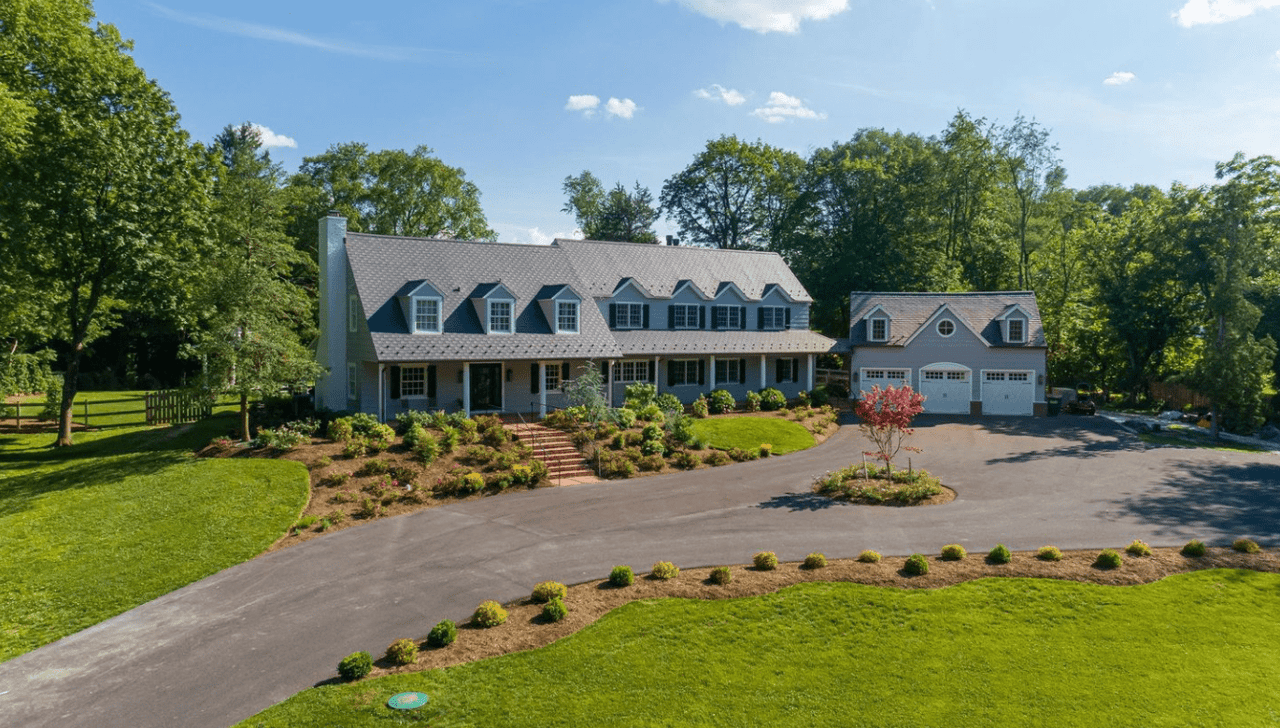
1840 Greenspring Valley Rd , Owings Mills, MD 21117
Sold
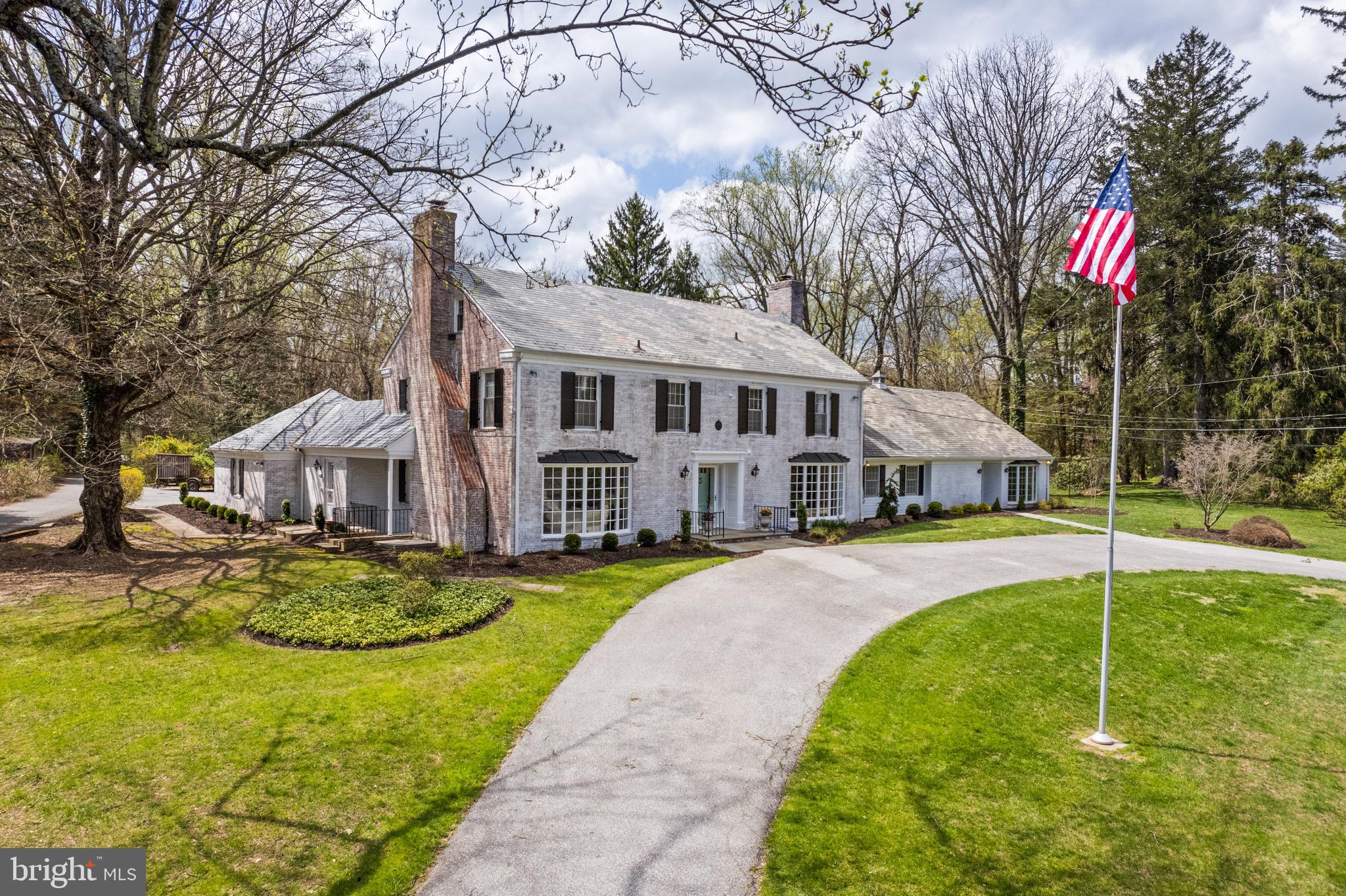
7505 LHIRONDELLE CLUB ROAD, TOWSON, MD 21204
Sold

6510 Chantilly Dr, Sykesville, MD 21784
Sold

1510 SEMINARY AVENUE W, LUTHERVILLE TIMONIUM, MD 21093
Sold

7 BROOKSTONE COURT, LUTHERVILLE TIMONIUM, MD 21093
Sold
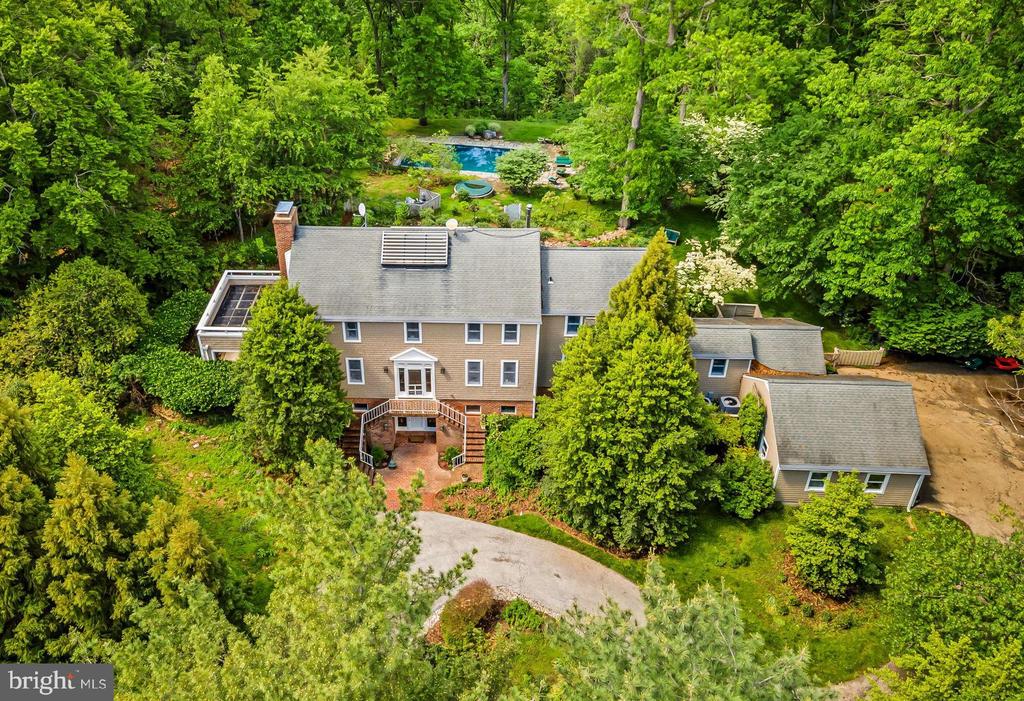
831 HILLSIDE ROAD, LUTHERVILLE TIMONIUM, MD 21093
Sold

714 #2 Western Run Rd, Cockeysville, MD 21030
Sold
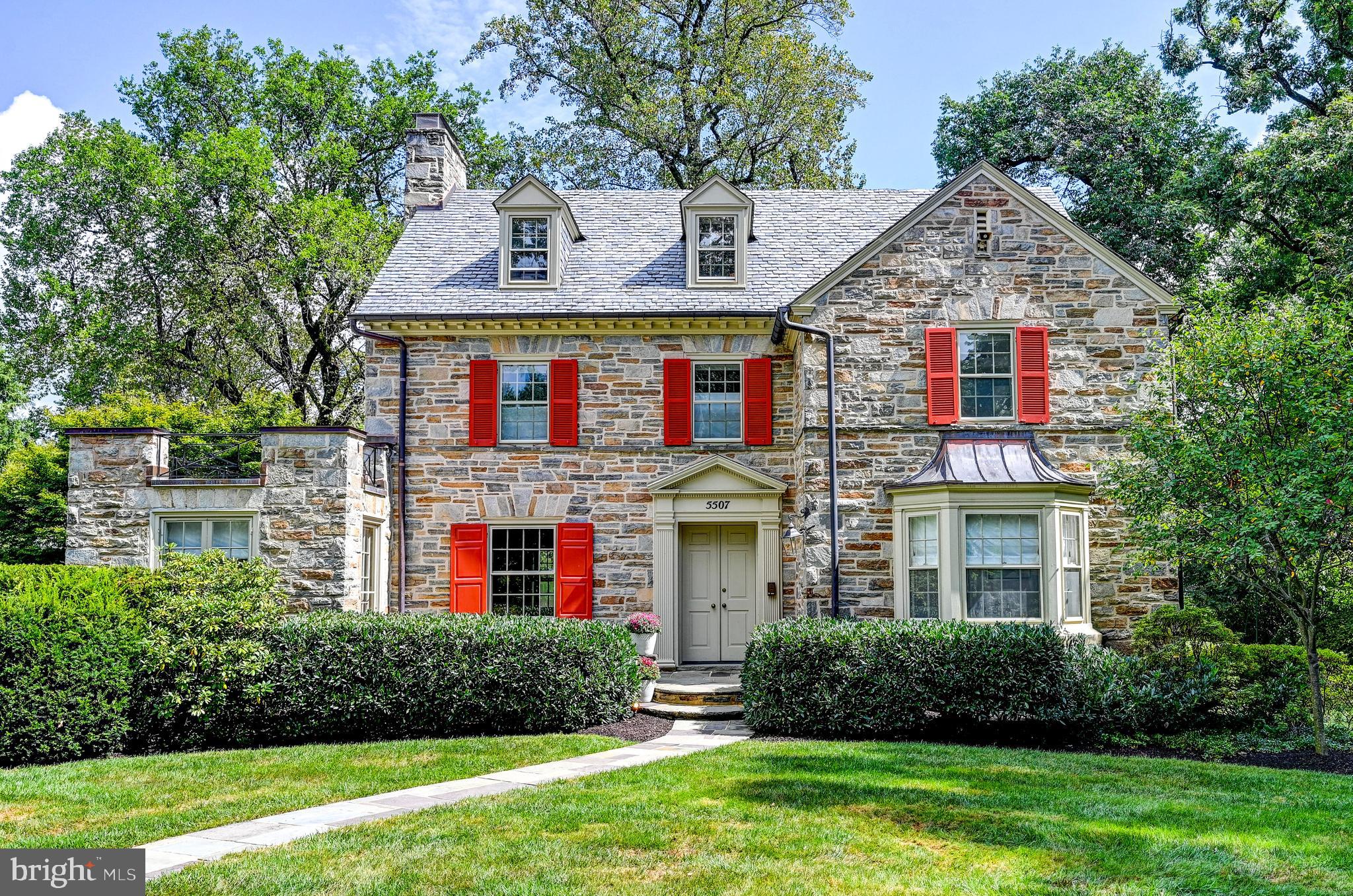
5507 SAINT ALBANS WAY, BALTIMORE, MD 21212
Sold

2919 CAVES ROAD, OWINGS MILLS, MD 21117
Sold
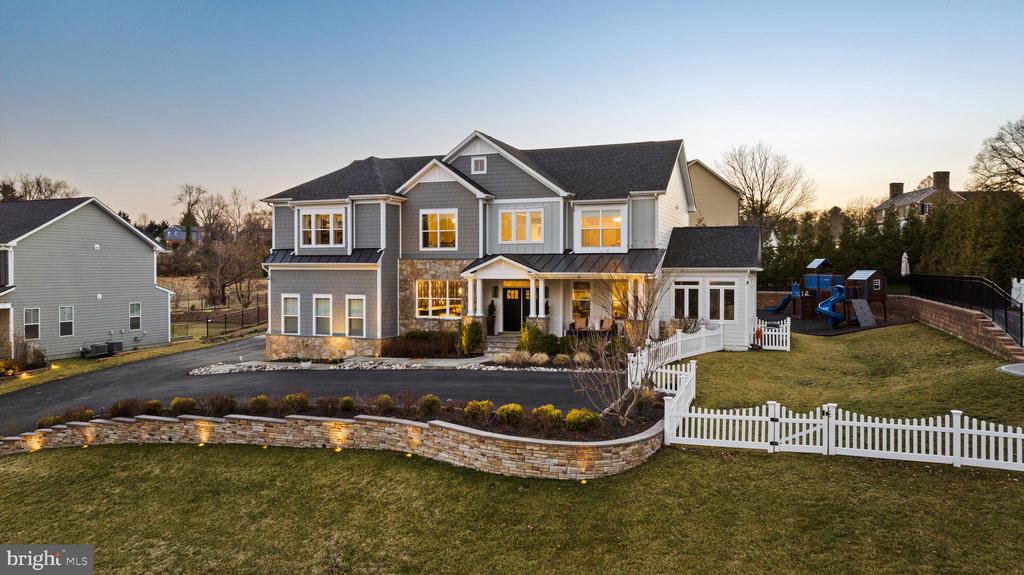
1107 COWPENS AVENUE, TOWSON, MD 21286
Sold
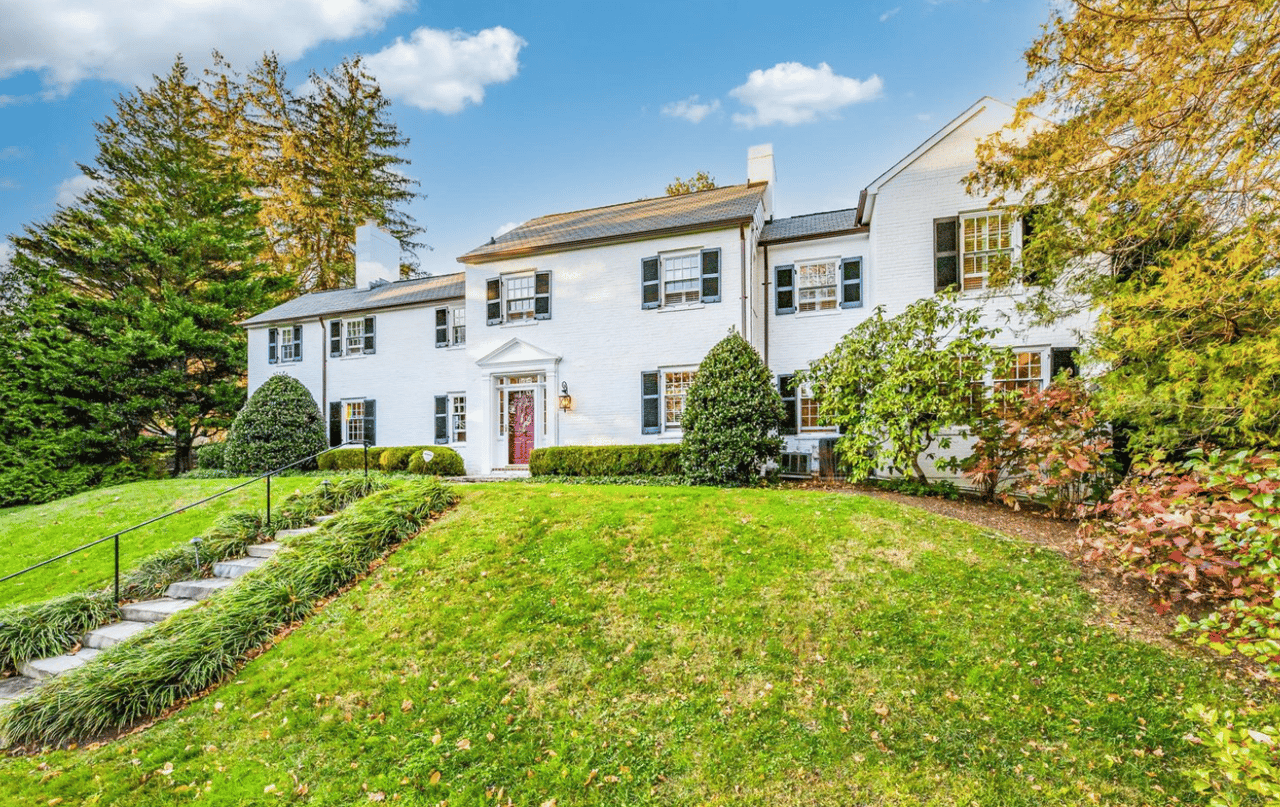
1406 Malvern Ave , Baltimore, MD 21204
Sold
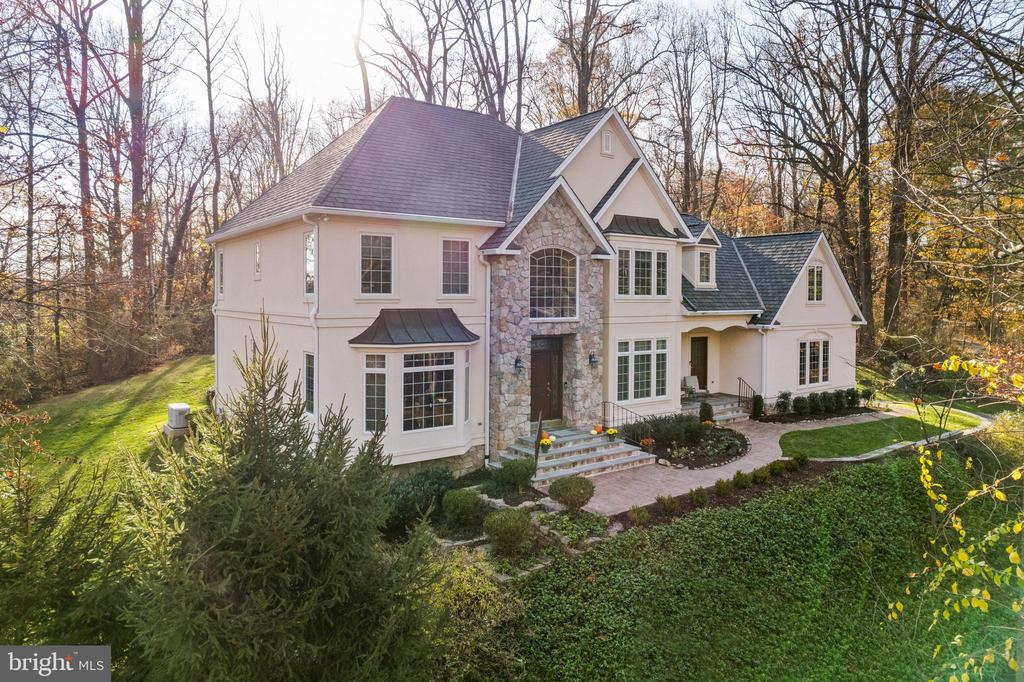
2101 OUR LANE, STEVENSON, MD 21153
Sold
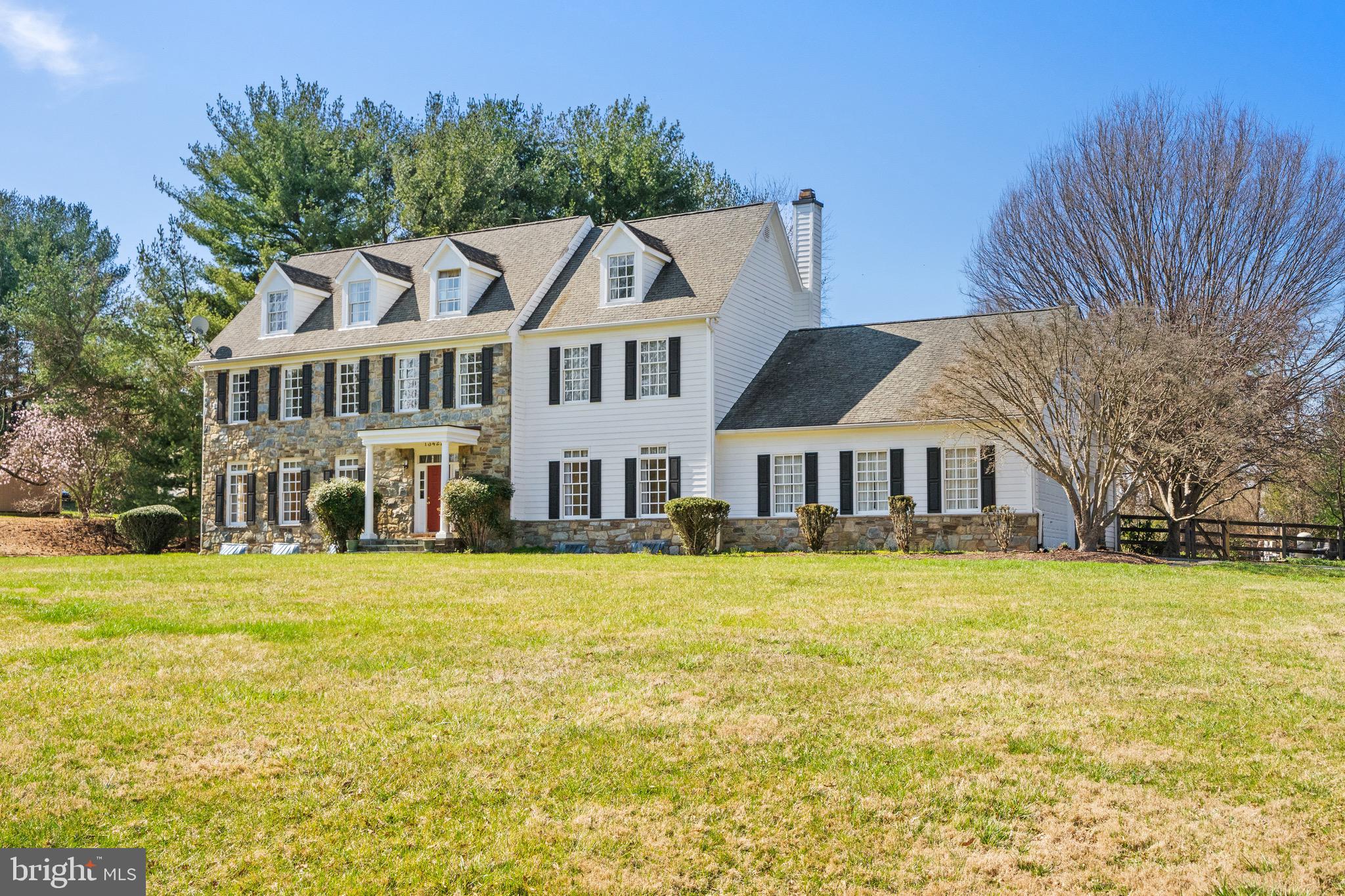
13422 QUERY MILL ROAD, NORTH POTOMAC, MD 20878
Sold

4201 Greenway, Baltimore, MD 21218
Sold

1724 Hillside Rd, Stevenson, MD 21153
Sold

105 Millbrook Rd, Baltimore, MD 21218
Sold
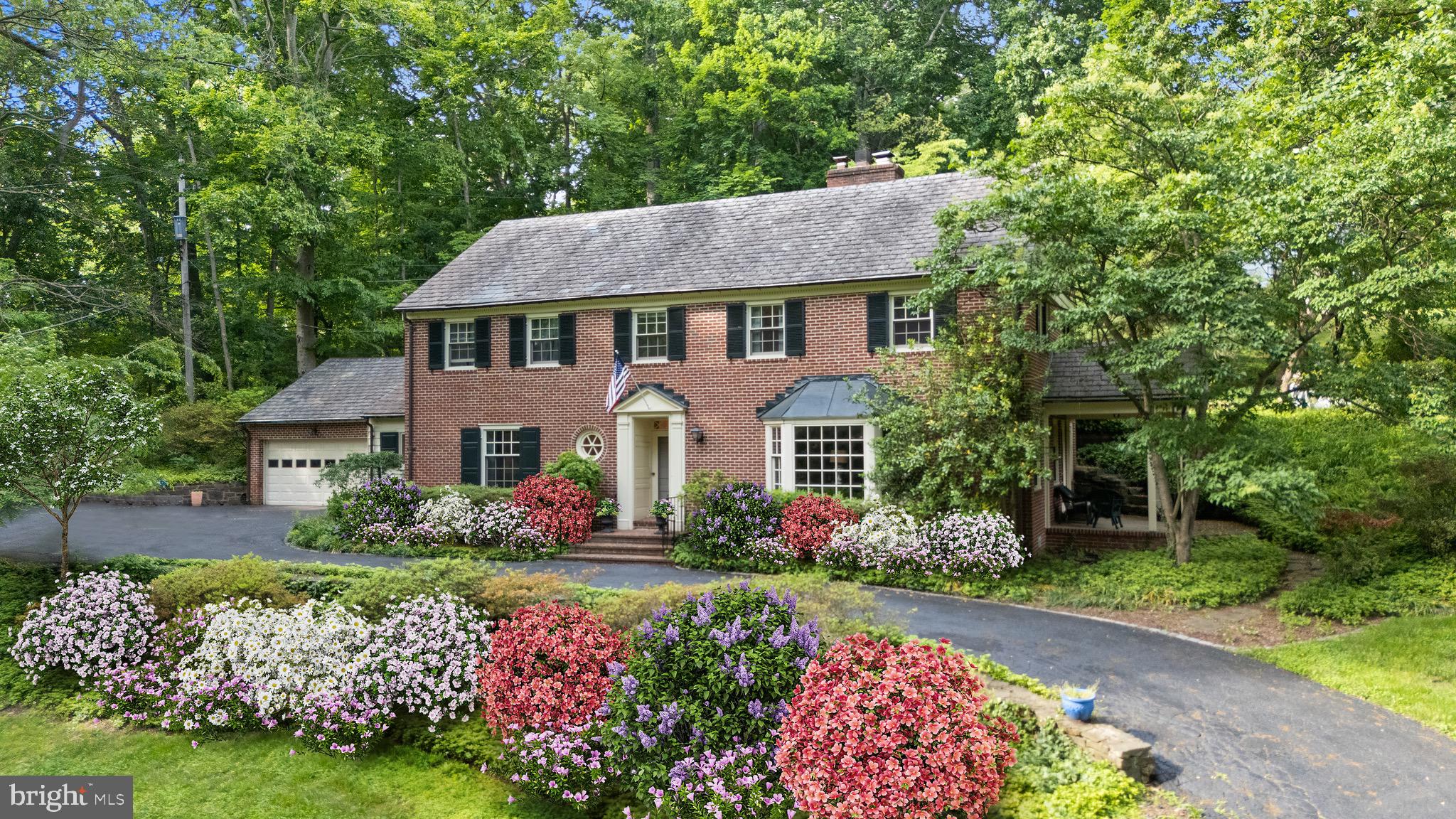
1104 MALVERN AVENUE, RUXTON, MD 21204
Sold
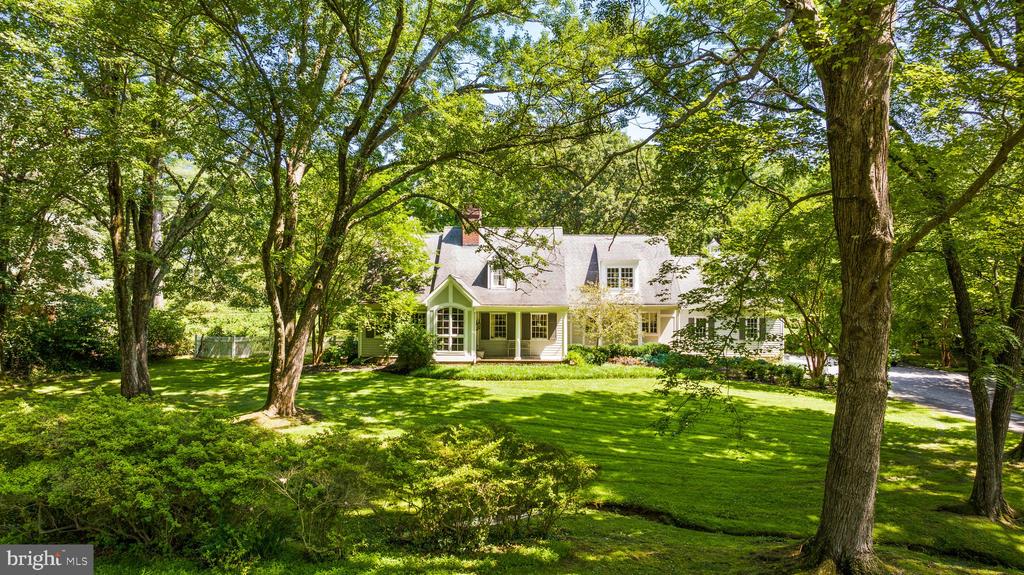
4 CHITTENDEN LANE, OWINGS MILLS, MD 21117
Sold

5 Forwood Ct, Cockeysville, MD 21030
Sold
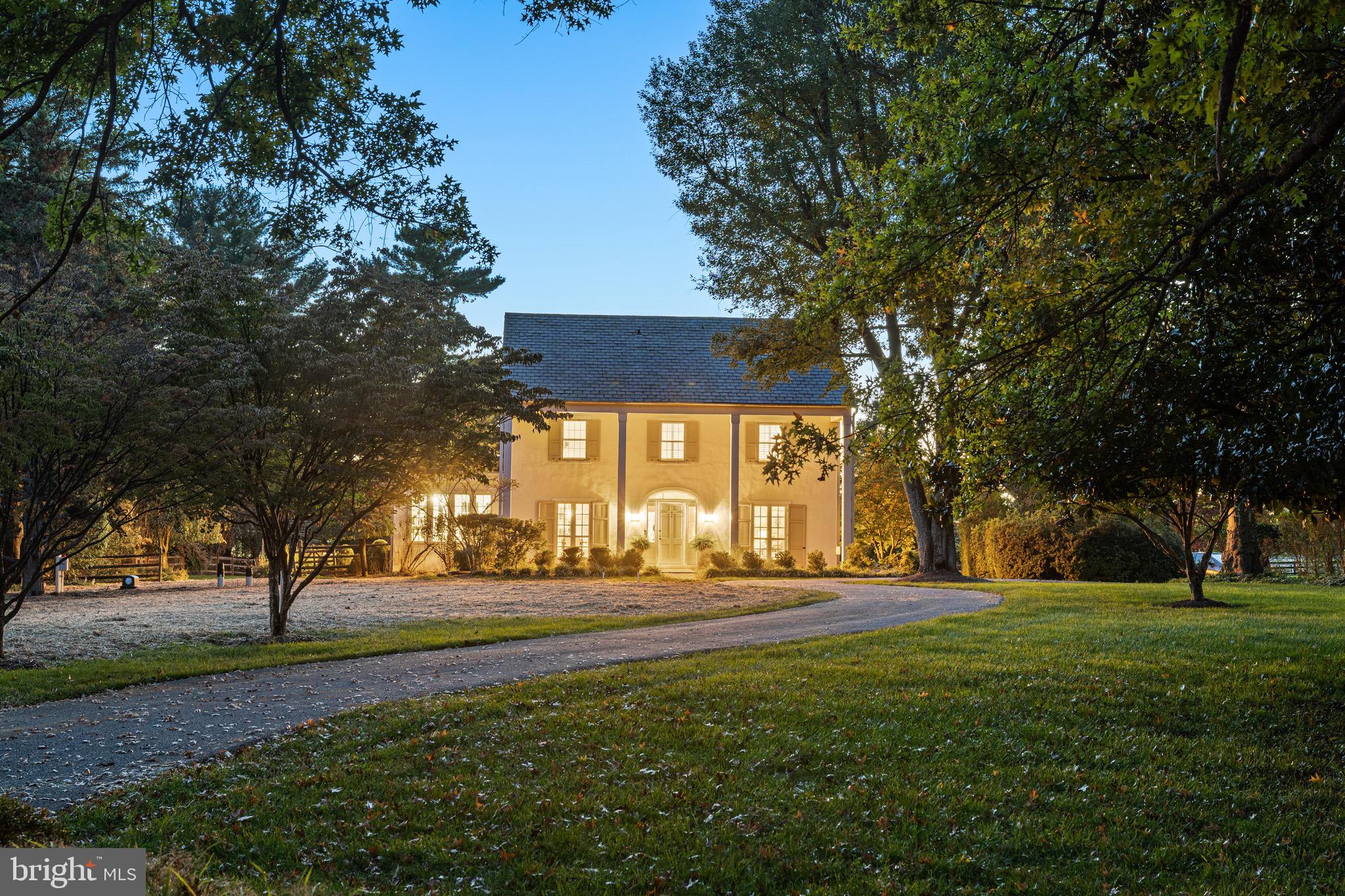
206 GARRISON FOREST ROAD, OWINGS MILLS, MD 21117
Sold

7919 Sherwood Ave, Towson, MD 21204
Sold
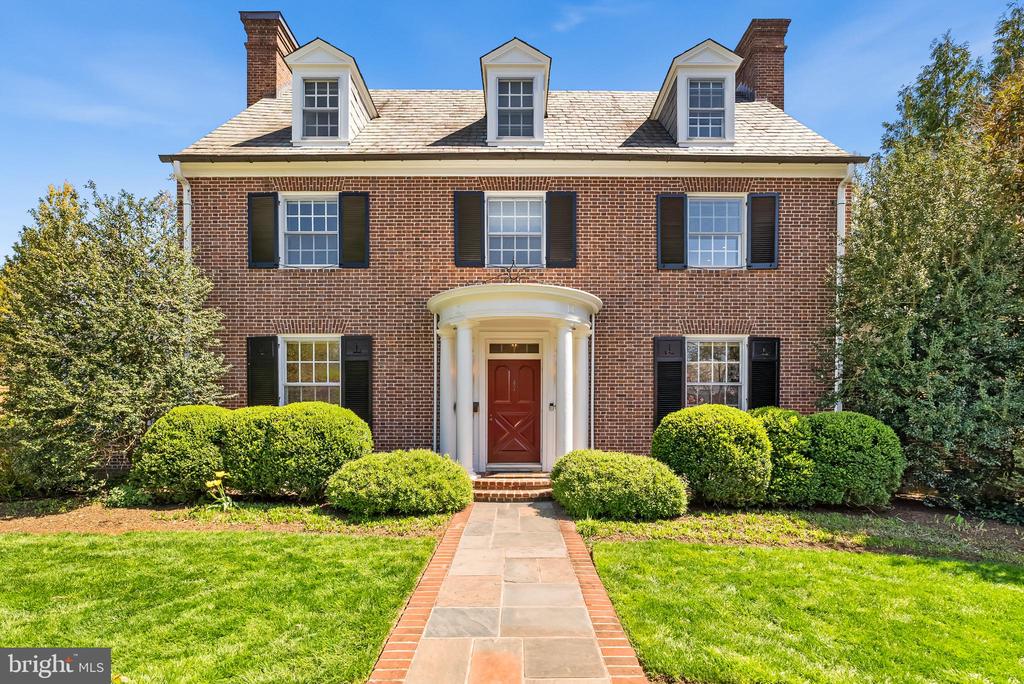
4409 BEDFORD PLACE, BALTIMORE, MD 21218
Sold
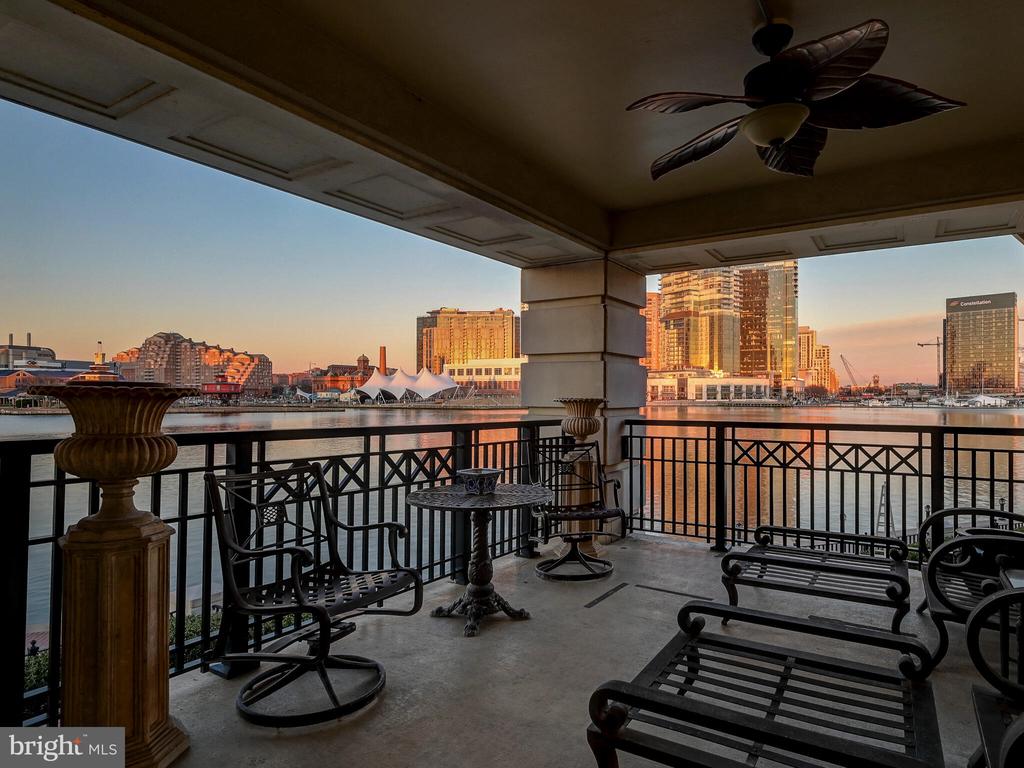
801 KEY HIGHWAY Unit: 210, BALTIMORE, MD 21230
Sold
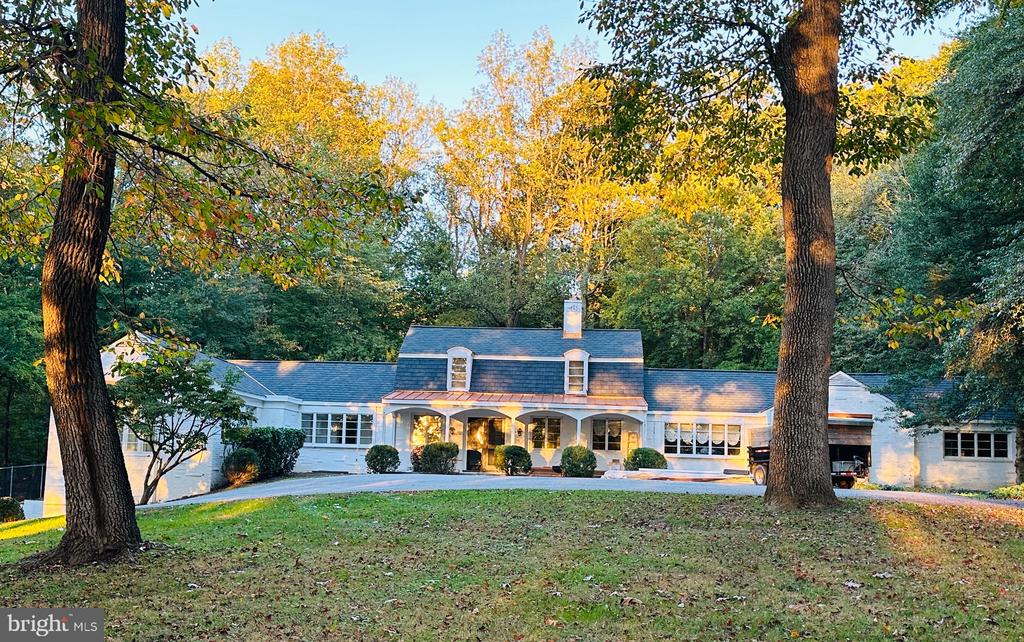
7 CAVESWOOD LANE, OWINGS MILLS, MD 21117
Sold
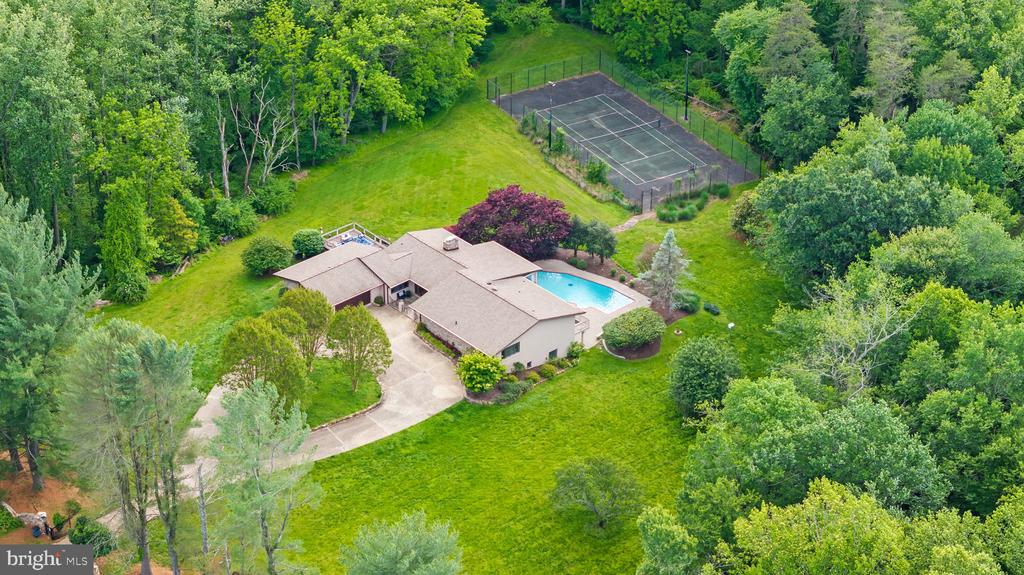
18 MANOR BROOK ROAD, MONKTON, MD 21111
Sold
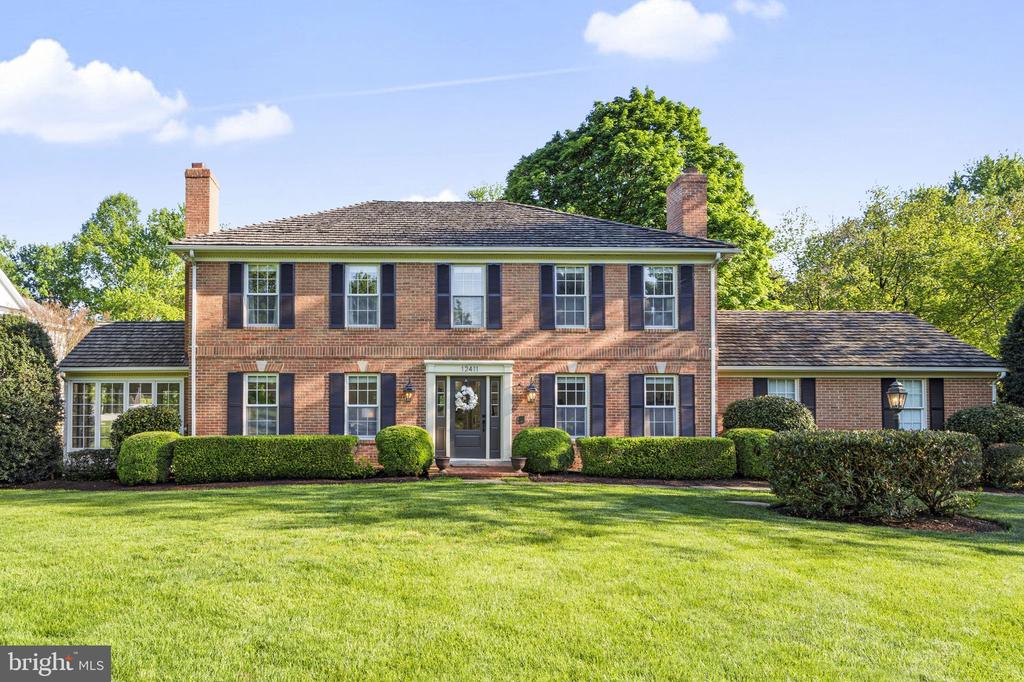
12411 PENELOPE COURT, FULTON, MD 20759
Sold
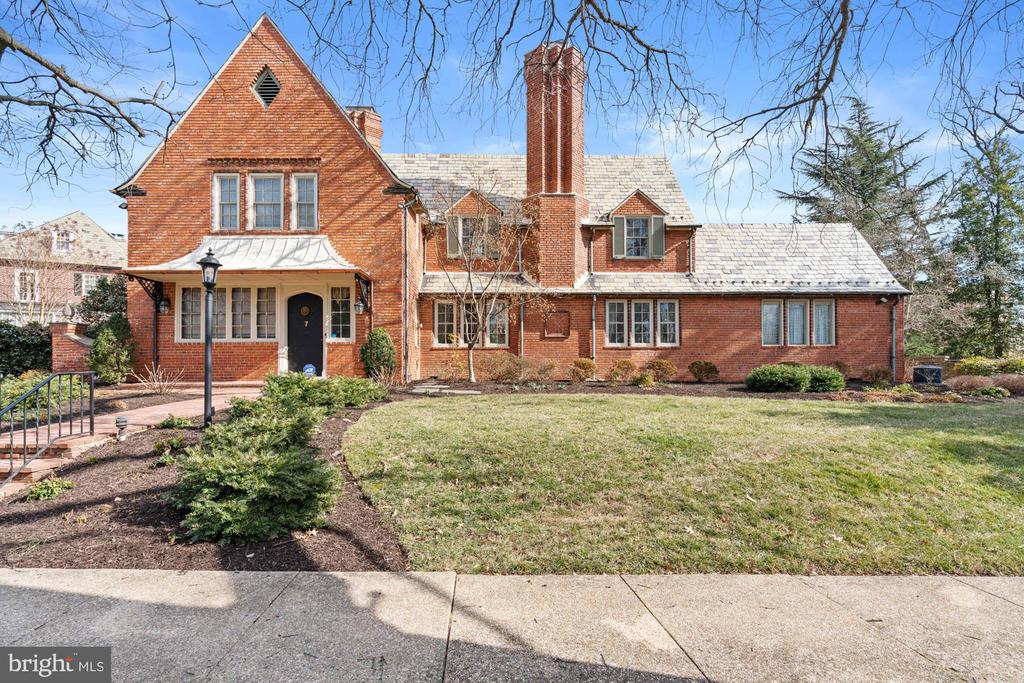
7 CHARLCOTE PLACE, BALTIMORE, MD 21218
Sold
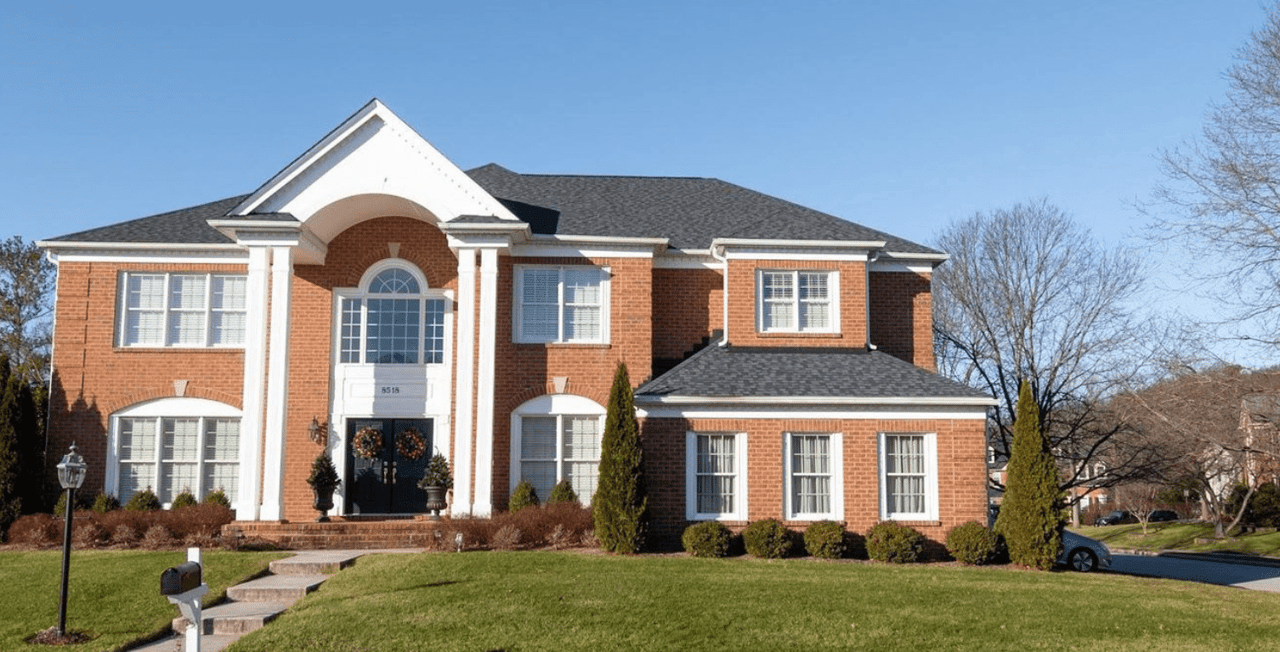
8518 Southfields Cir, Lutherville-Timonium, MD 21093
Sold

101 Market St, Annapolis, MD 21401
Sold

1000 Cold Bottom Rd, Sparks, MD 21152
Sold
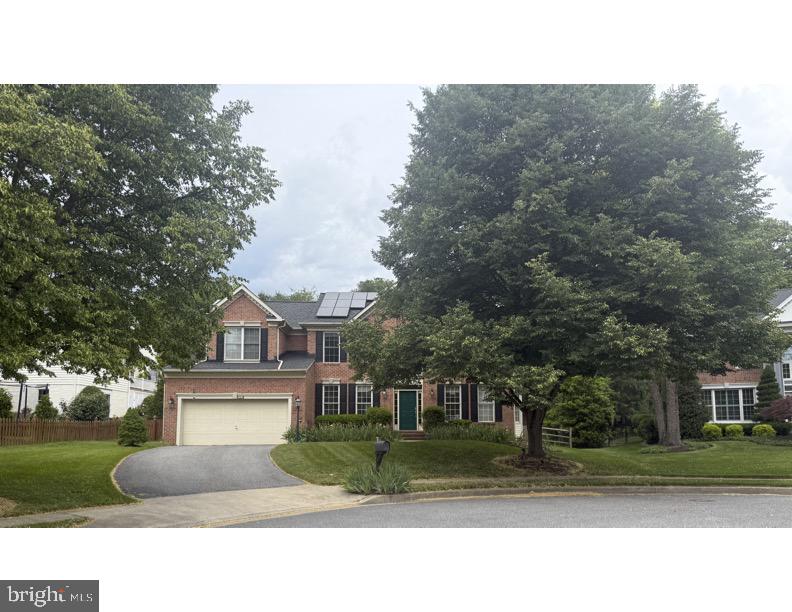
4 CRESTLEIGH PLACE, LUTHERVILLE TIMONIUM, MD 21093
Sold
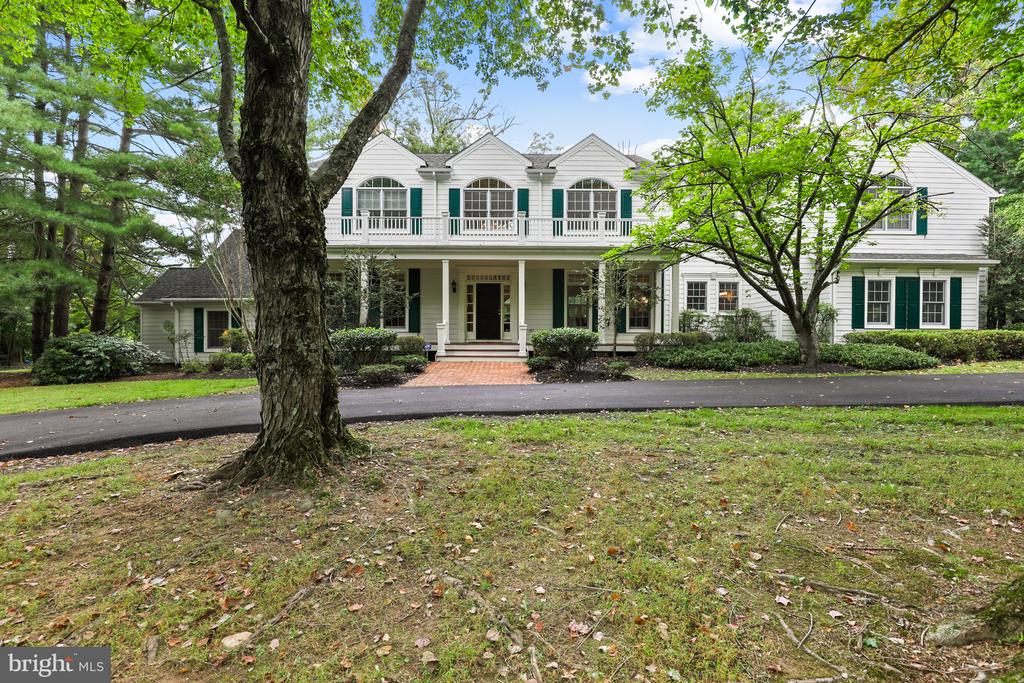
2218 CAVES ROAD, OWINGS MILLS, MD 21117
Sold
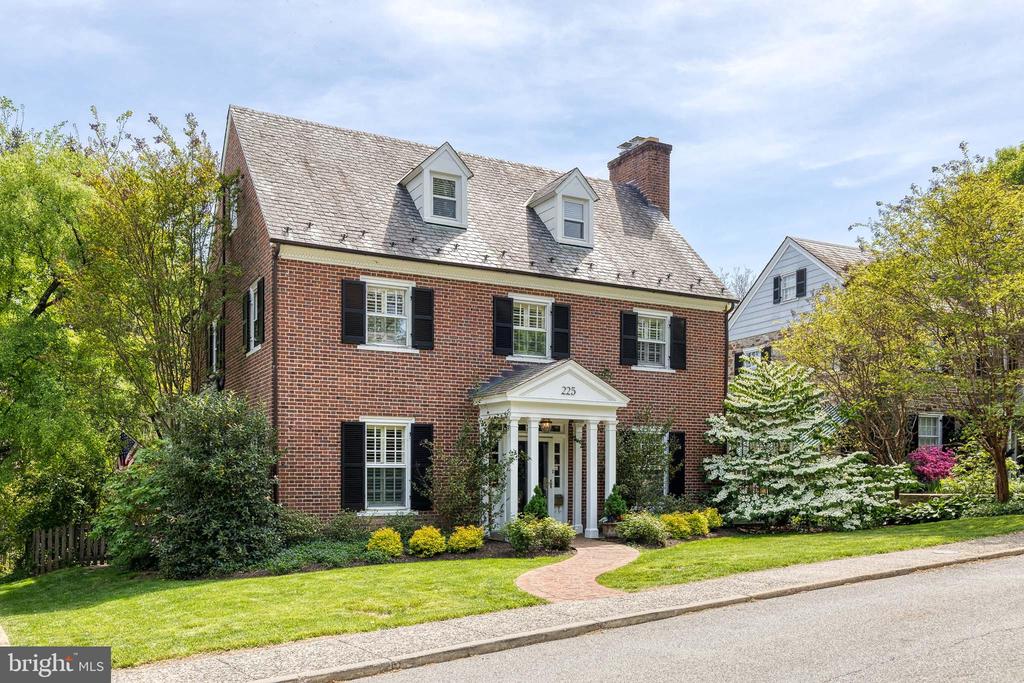
225 TUNBRIDGE ROAD, BALTIMORE, MD 21212
Sold
1330 LANCASTER STREET Unit: C603, BALTIMORE, MD 21231
Stay up to date on the latest real estate trends.