Selling a Greenspring Valley Estate: Well and Septic Timing
August 6, 2026
August 6, 2026
Two estates on either side of Falls Road can list at similar numbers, market to the same buyer pool, and still close six weeks apart. The address on public utilities moves on the buyer's schedule. The one drawing from a private well and disposing through a drain field moves on the schedule of the Baltimore County Department of Environmental Protection and Sustainability, a licensed Master Well Driller, and a state statute that quietly shifted the sequencing of estate sales in 2024.
If you own along Greenspring Valley Road, Caves Road, Park Heights Avenue north of the Beltway, or the lanes around the Green Spring Valley Hunt Club, your listing is almost certainly the second kind. That is the working thesis of this piece: at this end of Baltimore County, the well and septic file, not the finish work, is what determines whether your closing date holds.
Since October 1, 2024, Maryland Real Property §10-713 has required sellers of properties served by a private water system to test the water for quality before finalizing a sale and to provide the results to the buyer before settlement. A buyer may waive the requirement, but the waiver must be in writing, and settlement cannot occur unless both parties have certified in writing that they have reviewed the results or the buyer has expressly waived.
The practical consequence is subtle. Before this law, a Greenspring Valley seller could reasonably wait for the buyer's inspection contingency to trigger the water sampling. Now the seller is the party ordering the lab work, and doing it late means either delaying the ratification-to-settlement window or fighting a contamination finding under time pressure with a ratified contract already in hand. The testing itself covers bacteria, nitrates, and other hazardous substances, and per Baltimore County's Certificate of Potability standard, water on a new well must be analyzed for bacteria, nitrates, turbidity, and sand.
Order the sampling before you list. If a coliform result comes back positive, a chlorination cycle and re-sample can add a week or more, and you would rather absorb that quietly during pre-market prep than during a 21-day inspection window.
The buyer's flow-and-yield expectations are not a matter of taste. They are written down.
For a transfer of property, Baltimore County requires a yield of at least 1.0 gallon per minute, and the transfer yield test is conducted over roughly three to six hours in accordance with county methodology. The test itself must be performed under the direct supervision of a Master Well Driller or Pump Installer licensed by the Maryland State Board of Well Drillers, or a Master Plumber licensed in Baltimore County, following the COMAR 26.04.04.07Q(2) methodology with water level and flow rate recorded every fifteen minutes.
For any new well brought into service, the threshold sits higher. The Baltimore County Ground Water Management framework, applied under Baltimore County Code 34-2, requires new systems to deliver 500 gallons in two hours, once per day, before a Certificate of Potability is issued.
Those two thresholds create the room where negotiations happen. An older Greenspring Valley well pulling 2 gpm passes a transfer test cleanly. The same well would never satisfy a new-construction standard, and a buyer planning a pool, a guest cottage, or a significant addition will figure that out during their own diligence. If your estate is on a marginal well, the person most exposed to that fact is the seller who has not yet had the conversation with their own inspector.
Baltimore County treats its well and septic records as a real service, not a rumor. The Ground Water Management section maintains permit applications, septic complaints, reserve-area notes, and a dedicated online form to request records for a specific parcel. Requests are typically returned within two business days, though activity processed in the prior two months may not yet appear.
Pull that file before you list. What you want in hand:
Reserve-area gaps are the single most common source of surprise on estate parcels. A pool built in 1998, a tennis court, or a driveway extension can sit on top of the reserve area the county has on file. The house passes inspection. The lot fails a permitting question the buyer's due diligence attorney raises three days before closing. That is not a hypothetical, and it is the kind of file friction that a records request in week one of pre-listing eliminates in week one, not week ten.
Maryland's onsite code requires specific separation distances between wells and septic components. If the septic system sits in an unconfined aquifer, the minimum separation from the well is 100 feet. In a confined aquifer, the minimum is 50 feet. On a two-acre Stevenson lot, that math is easy. On a heavily improved four-acre parcel where two generations of owners added a pool house, a paddock, and a detached garage, the buildable footprint has already been consumed, and any buyer planning meaningful changes will price that constraint into their offer.
Maryland law also requires property-transfer septic inspections to be performed by professionals who have completed state-approved training. The inspection process includes a file search with the county, an occupant interview, a physical evaluation, and a written report with a system sketch. Dye testing on its own does not satisfy the requirement. For estates that have been lightly occupied — a second home, an inherited property, a house that sat empty during a slow marketing cycle — a hydraulic load test is the honest way to know whether the drain field is functional or merely rested.
The broader neighborhood umbrella includes both Greenspring Valley and Lutherville-Timonium, but the transaction mechanics diverge sharply. Most of Lutherville-Timonium sits on public water and sewer, meaning §10-713 does not attach and the county's yield rules never enter the conversation. Two listings within the same ZIP code can therefore run on completely different pre-market checklists. If you are pricing your estate against comparable sales that sit on public utilities, you are pricing against a shorter, cleaner diligence path, and that gap deserves to be reflected in either your list price, your inspection response strategy, or the calendar you offer the buyer.
For a Greenspring Valley estate targeting a spring or early-summer contract:
By the time an offer is ratified, the seller has a complete file to hand the buyer, a passing transfer yield already documented, and no unknowns waiting for a 21-day inspection window to expose.
Over the three months ending May 2026, Baltimore County home prices sold at a median near $378,000 with an average of 27 days on market. Greenspring Valley estate sales run well above that median in both dollars and complexity. Days on market at the upper end are driven less by buyer hesitation and more by diligence throughput, which is the single strongest argument for front-loading the well and septic work before the listing photograph is ever taken.
If the buyer waives the water test in writing, do I still need to sample? The statute allows a written waiver, which means the seller is not compelled to produce results the buyer has declined. Most estate-tier buyers do not waive. Prepare as if the results will be required, and treat a waiver as an unexpected efficiency rather than a plan.
What happens if the well fails the 1.0 gpm transfer threshold? Options include hydrofracturing to increase yield, deepening the existing well, drilling a replacement well, or installing storage that satisfies performance criteria. Each has a cost and a timeline. None of them is compatible with a two-week rush to settlement.
Do these rules apply if I am selling to a cash buyer with no lender? Yes. §10-713 is a state law tied to the property transfer, not to the financing. Cash buyers can waive in writing at the same threshold as financed buyers, but the seller's obligation to test does not disappear absent that waiver.
If you are considering a listing along Greenspring Valley Road, in the lanes around Stevenson, or on any estate parcel served by a private well and drain field, the diligence work should begin before the photographer does. The Batoff Group coordinates the records requests, the licensed inspection scope, and the pre-market repairs alongside our seller preparation process, so your listing arrives on market with the file already closed. Request a Complimentary Market Consultation to walk your property and map the sequence.
Explore our past transactions.
Sold
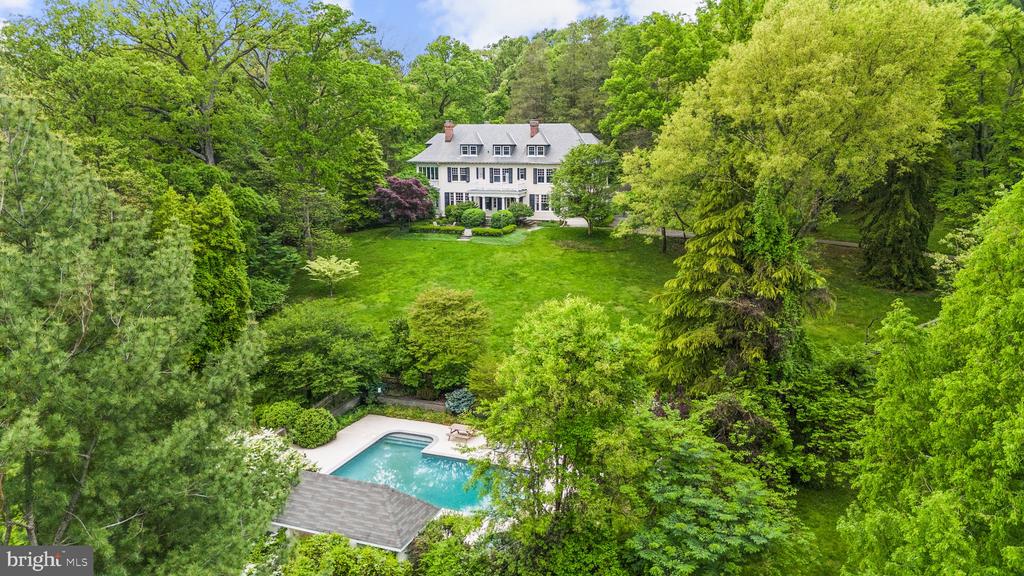
10600 PARK HEIGHTS AVENUE, OWINGS MILLS, MD 21117
Sold
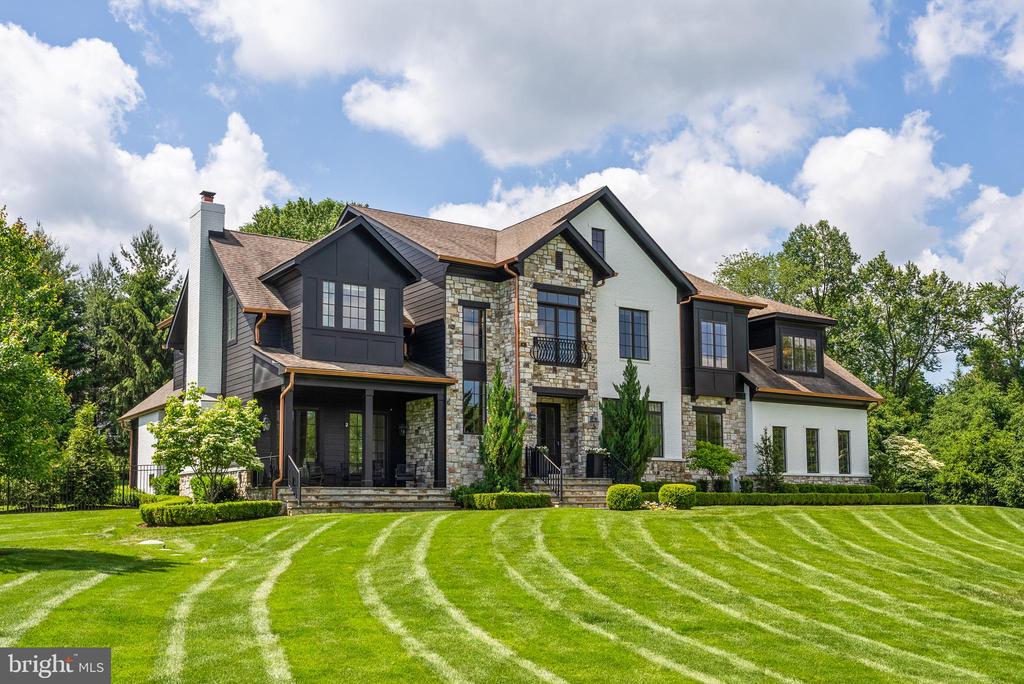
12220 WORTHINGTON ROAD, OWINGS MILLS, MD 21117
Sold
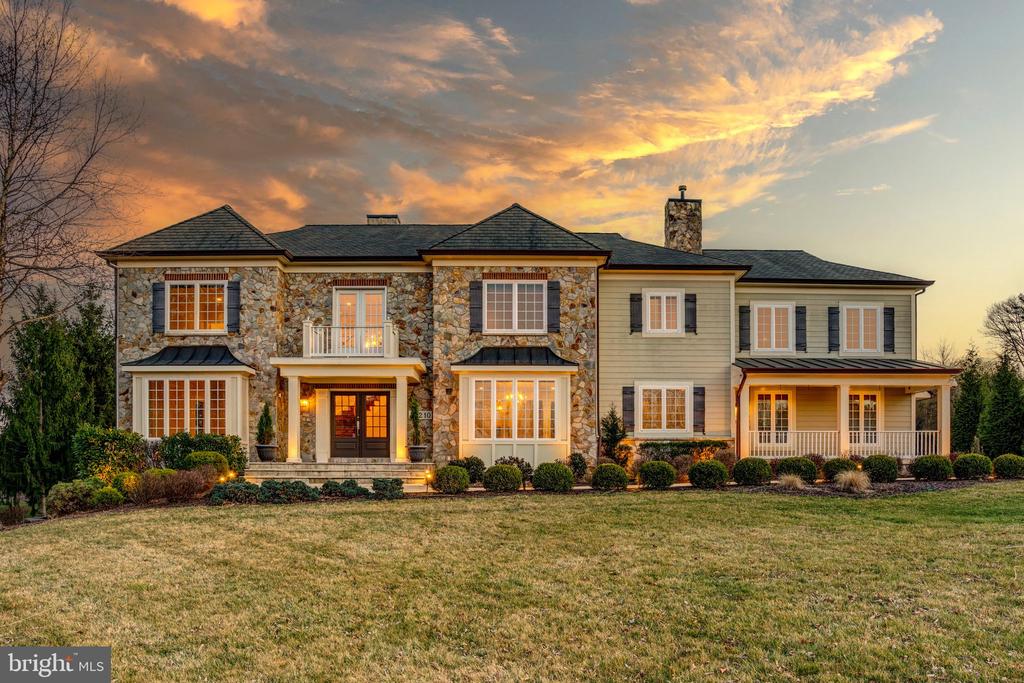
12210 WORTHINGTON, OWINGS MILLS, MD 21117
Sold
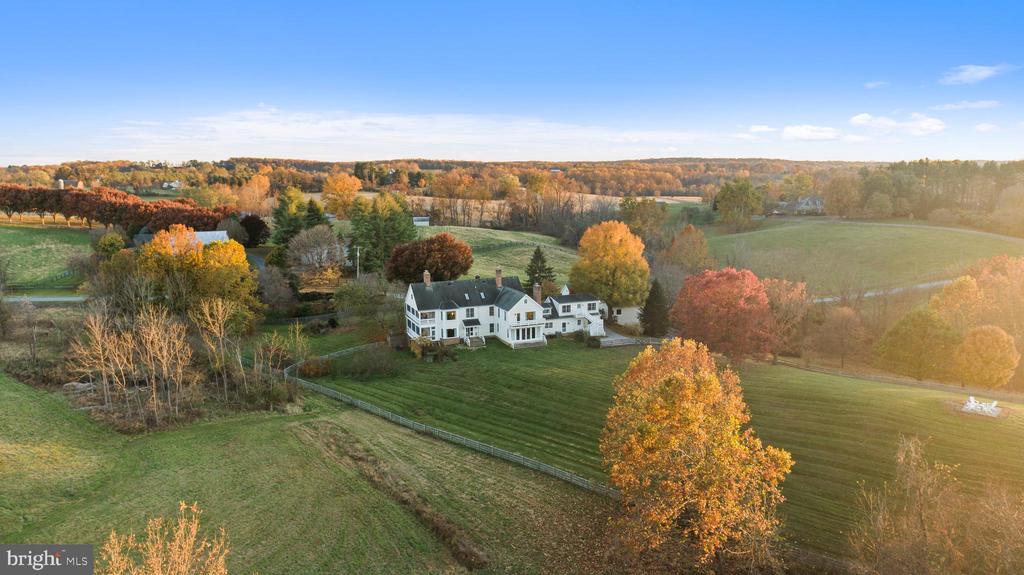
2310 GADD ROAD, COCKEYSVILLE, MD 21030
Sold
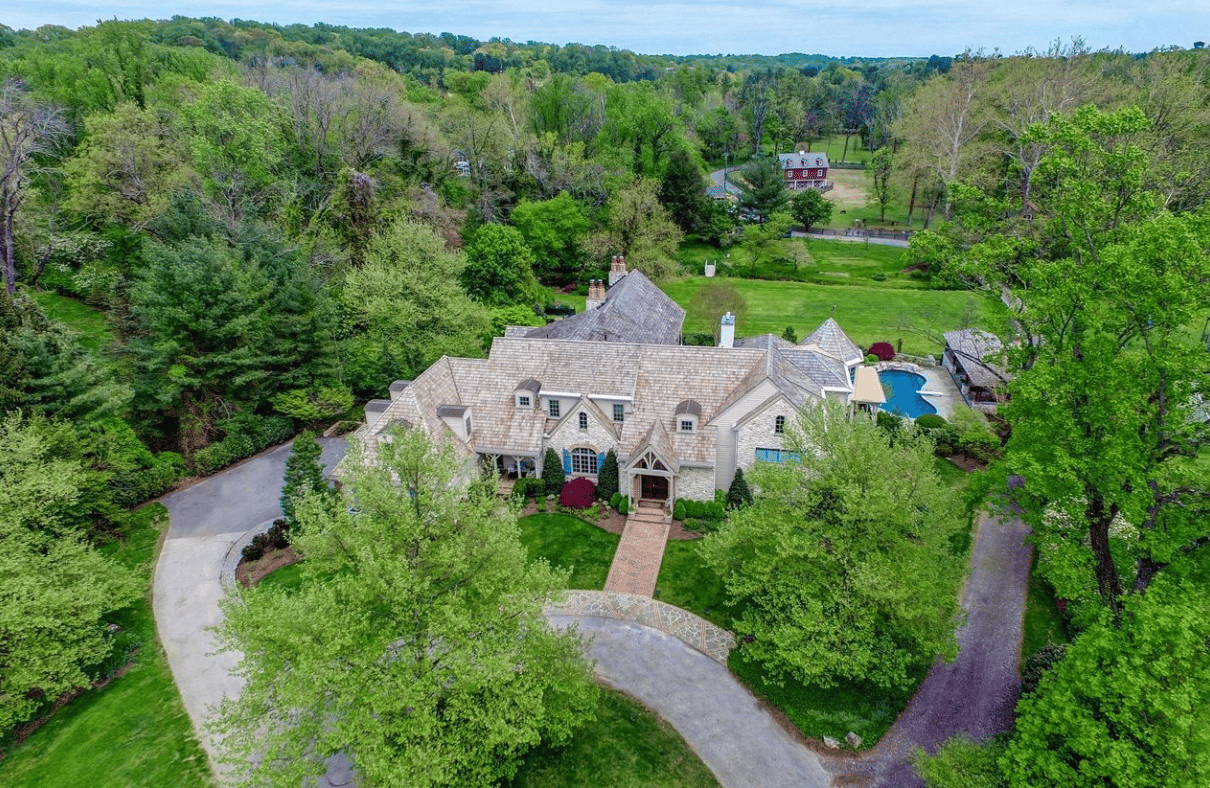
10807 Greenspring Ave, Lutherville-Timonium, MD 21093
Sold
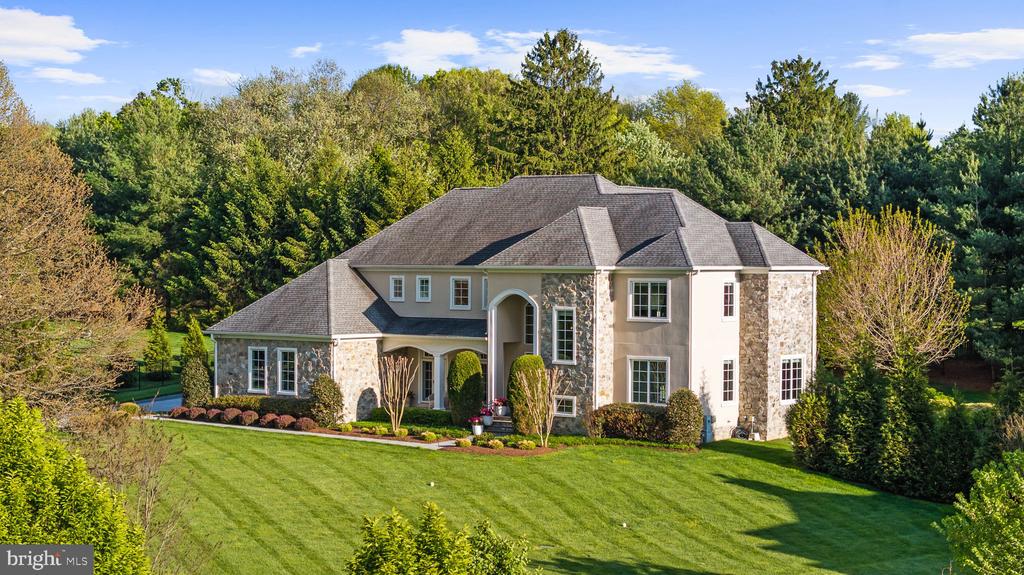
12222 WORTHINGTON ROAD, OWINGS MILLS, MD 21117
Sold
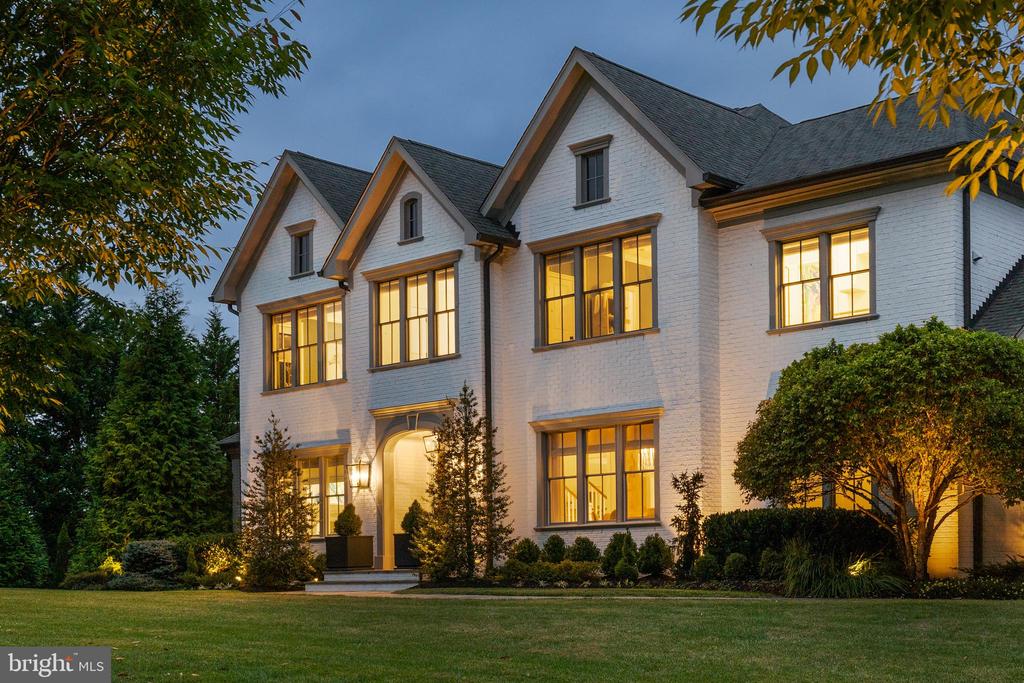
12211 WORTHINGTON ROAD, OWINGS MILLS, MD 21117
Sold

3112 W Golf Course Rd, Owings Mills, MD 21117
Sold

11129 Falls Rd, Lutherville Timonium, MD 21093
Sold

800 HILLSTEAD DRIVE, LUTHERVILLE TIMONIUM, MD 21093
Sold
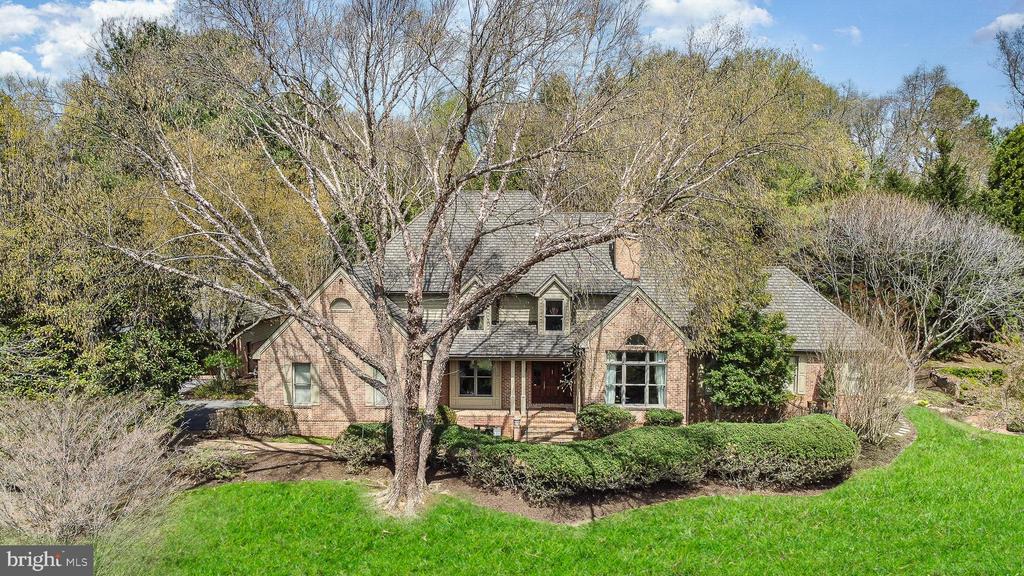
1308 MUSGROVE ROAD, LUTHERVILLE TIMONIUM, MD 21093
Sold
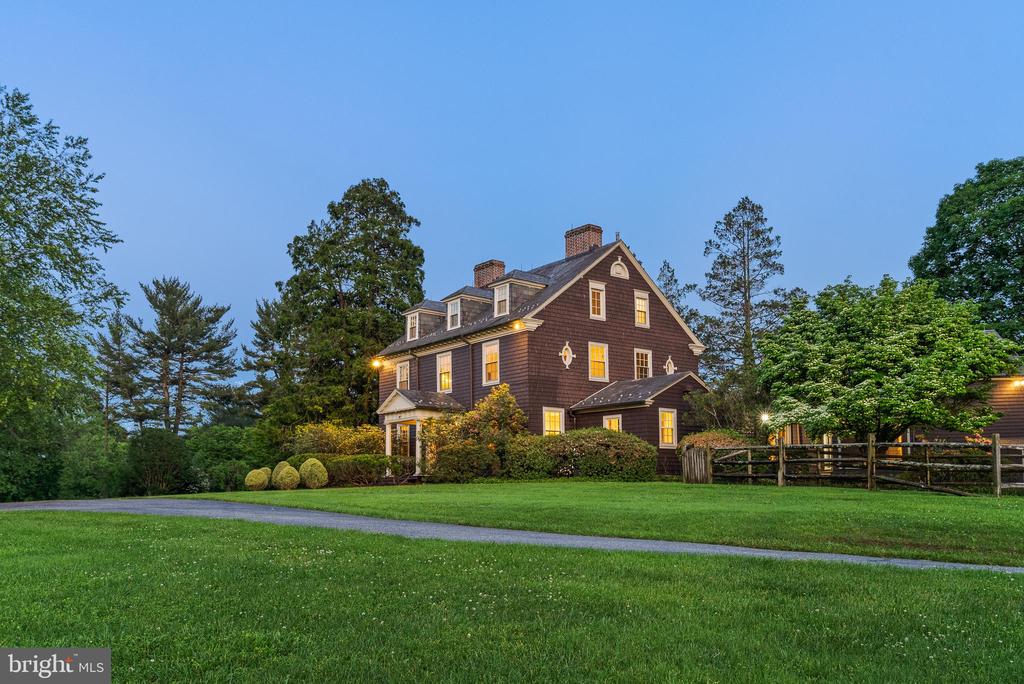
4006 STEWART ROAD, STEVENSON, MD 21153
Sold

15315 Carroll Rd, Monkton, MD 21111
Sold
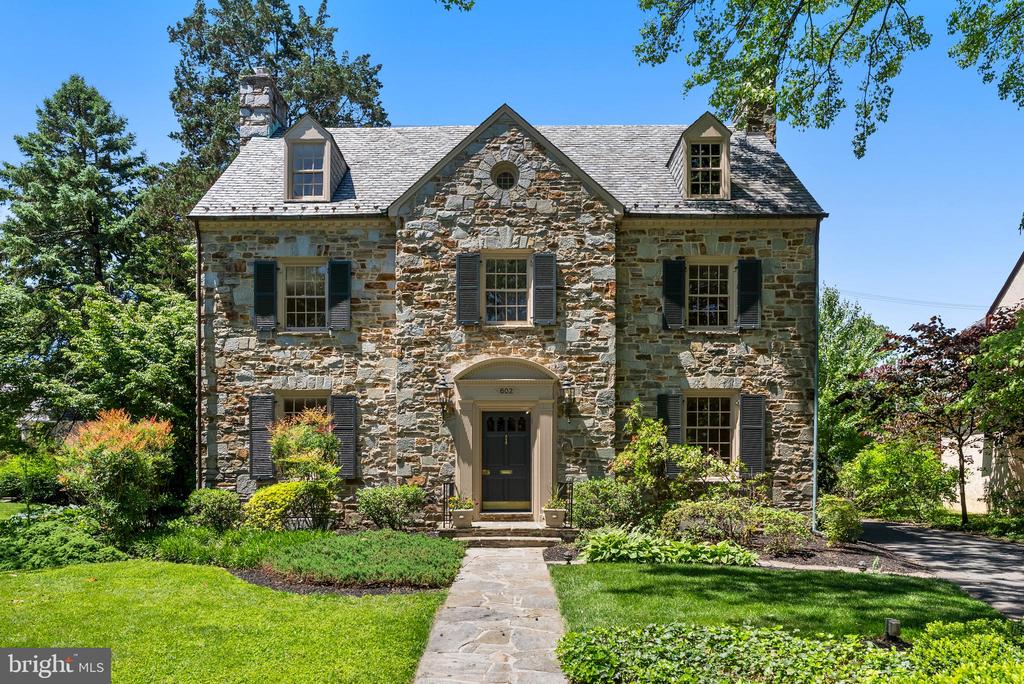
602 STONELEIGH ROAD, BALTIMORE, MD 21212
Sold

6401-A Murray Hill Rd, Baltimore, MD 21212
Sold

303 Goodwood Gdns, Baltimore, MD 21210
Sold
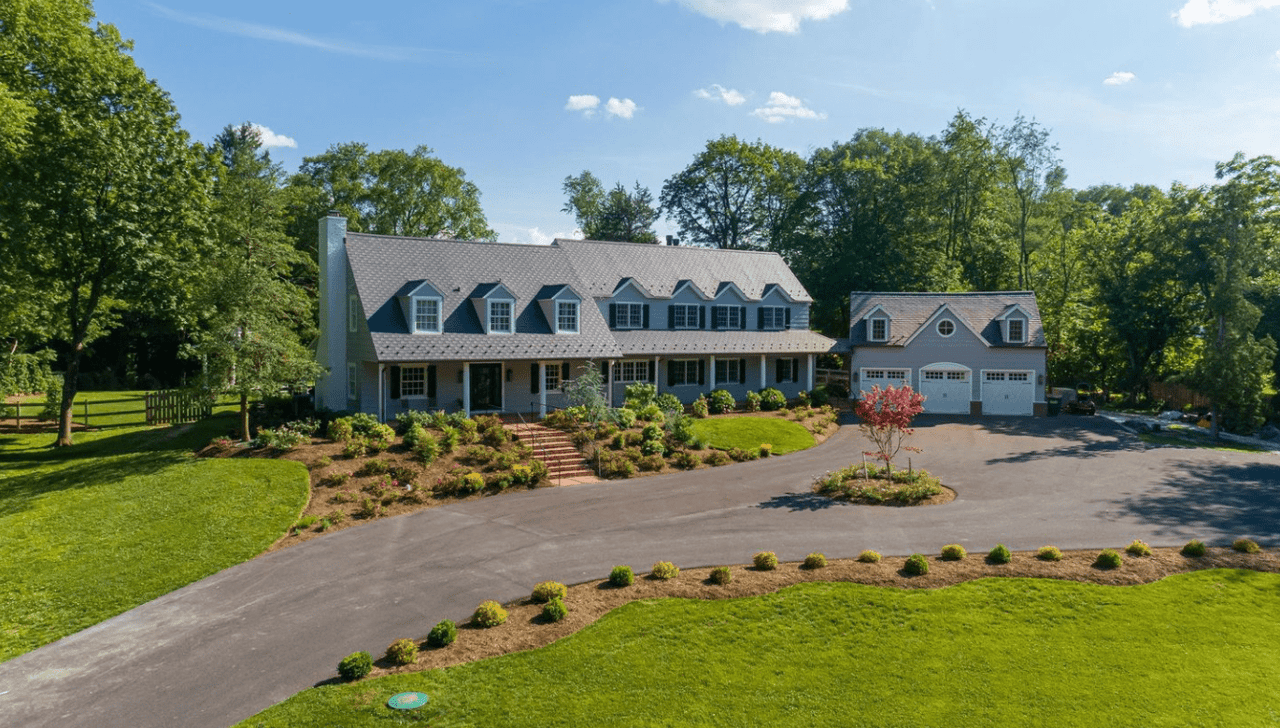
1840 Greenspring Valley Rd , Owings Mills, MD 21117
Sold
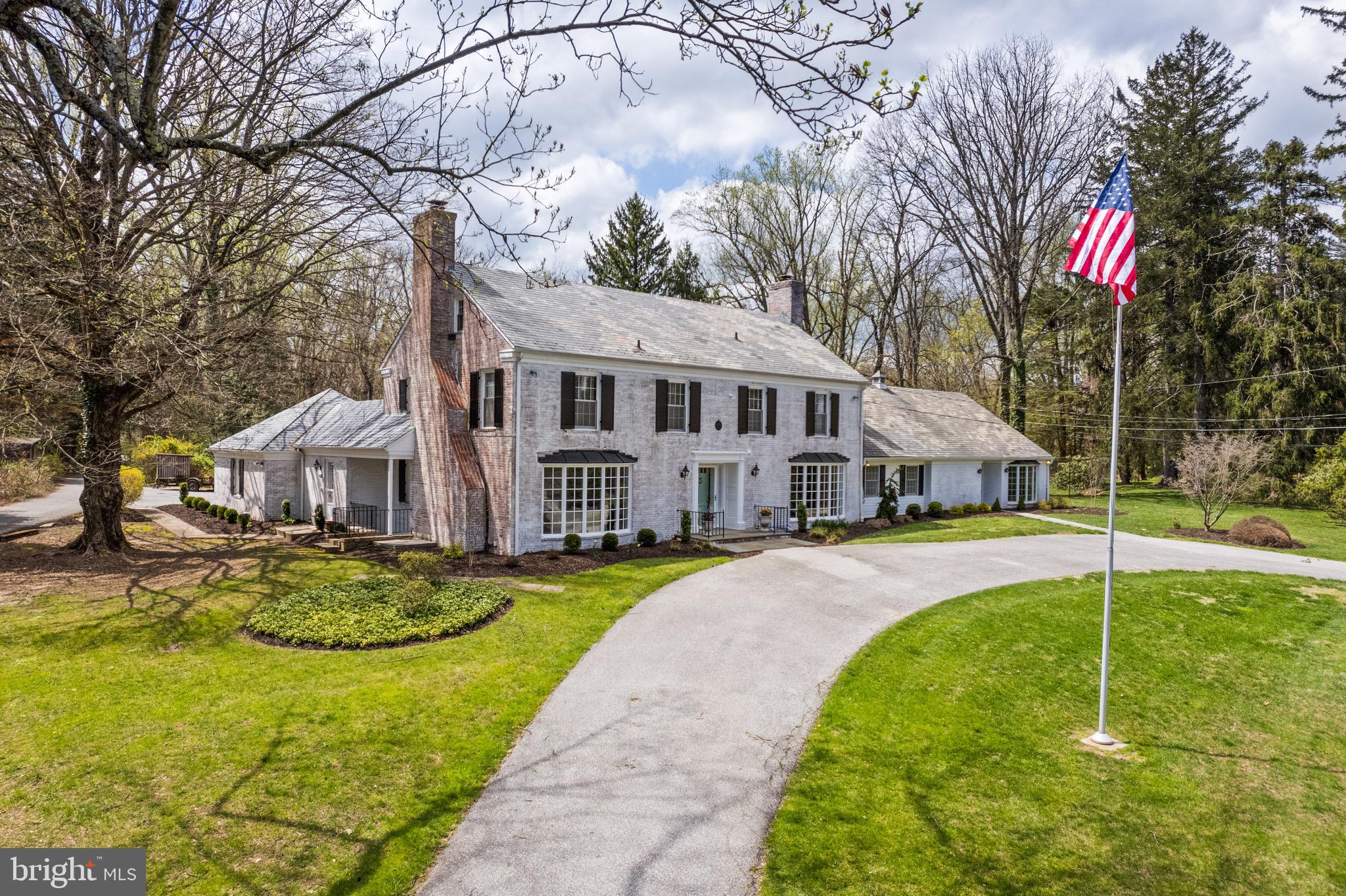
7505 LHIRONDELLE CLUB ROAD, TOWSON, MD 21204
Sold

6510 Chantilly Dr, Sykesville, MD 21784
Sold

1510 SEMINARY AVENUE W, LUTHERVILLE TIMONIUM, MD 21093
Sold

7 BROOKSTONE COURT, LUTHERVILLE TIMONIUM, MD 21093
Sold
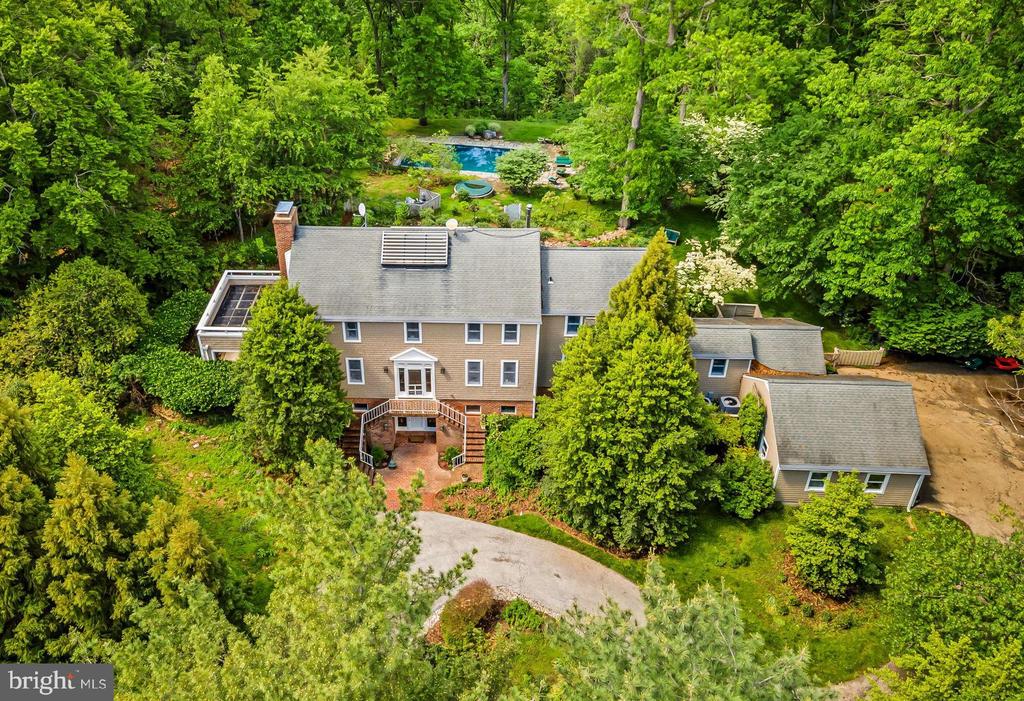
831 HILLSIDE ROAD, LUTHERVILLE TIMONIUM, MD 21093
Sold

714 #2 Western Run Rd, Cockeysville, MD 21030
Sold
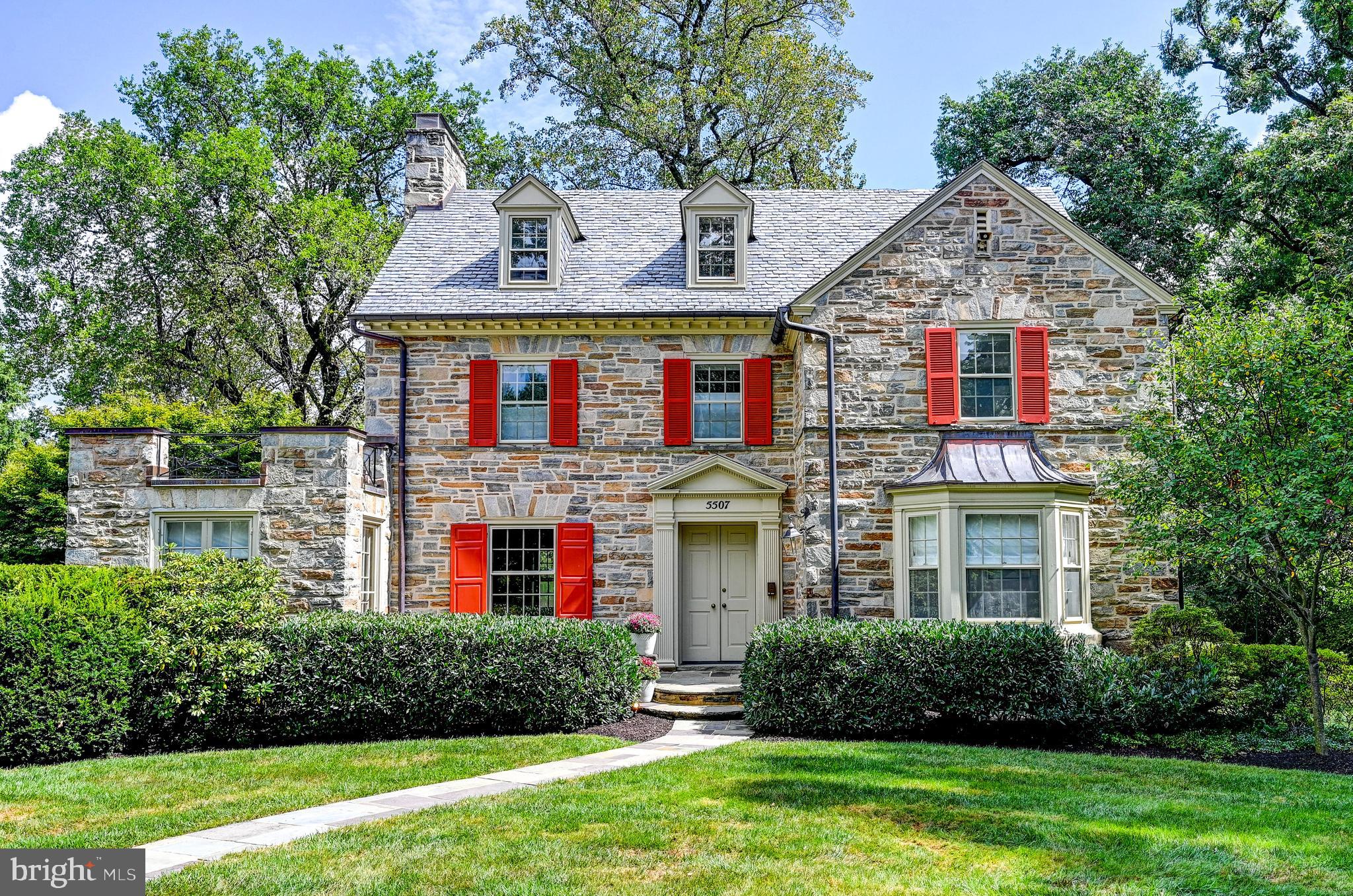
5507 SAINT ALBANS WAY, BALTIMORE, MD 21212
Sold

2919 CAVES ROAD, OWINGS MILLS, MD 21117
Sold
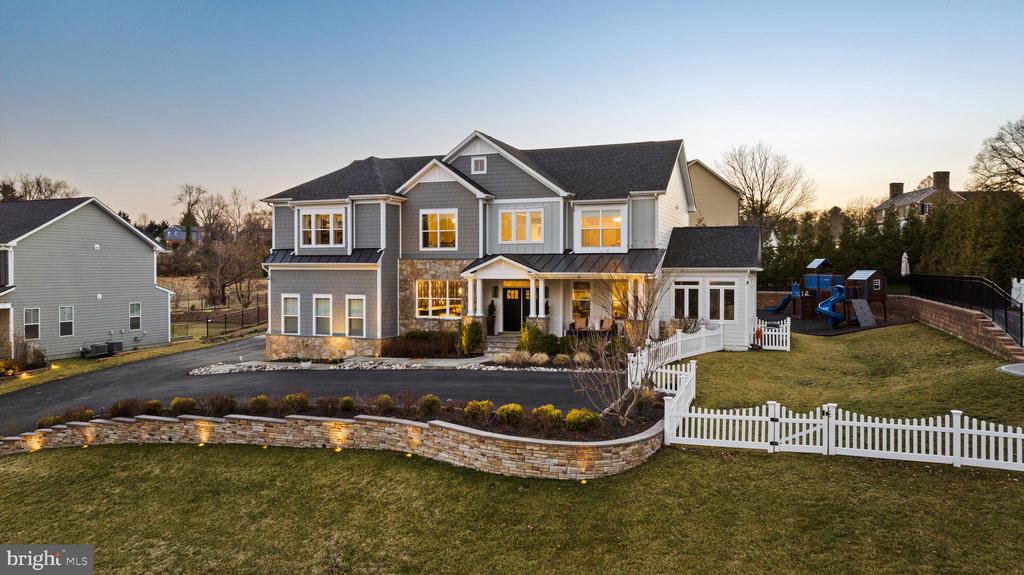
1107 COWPENS AVENUE, TOWSON, MD 21286
Sold
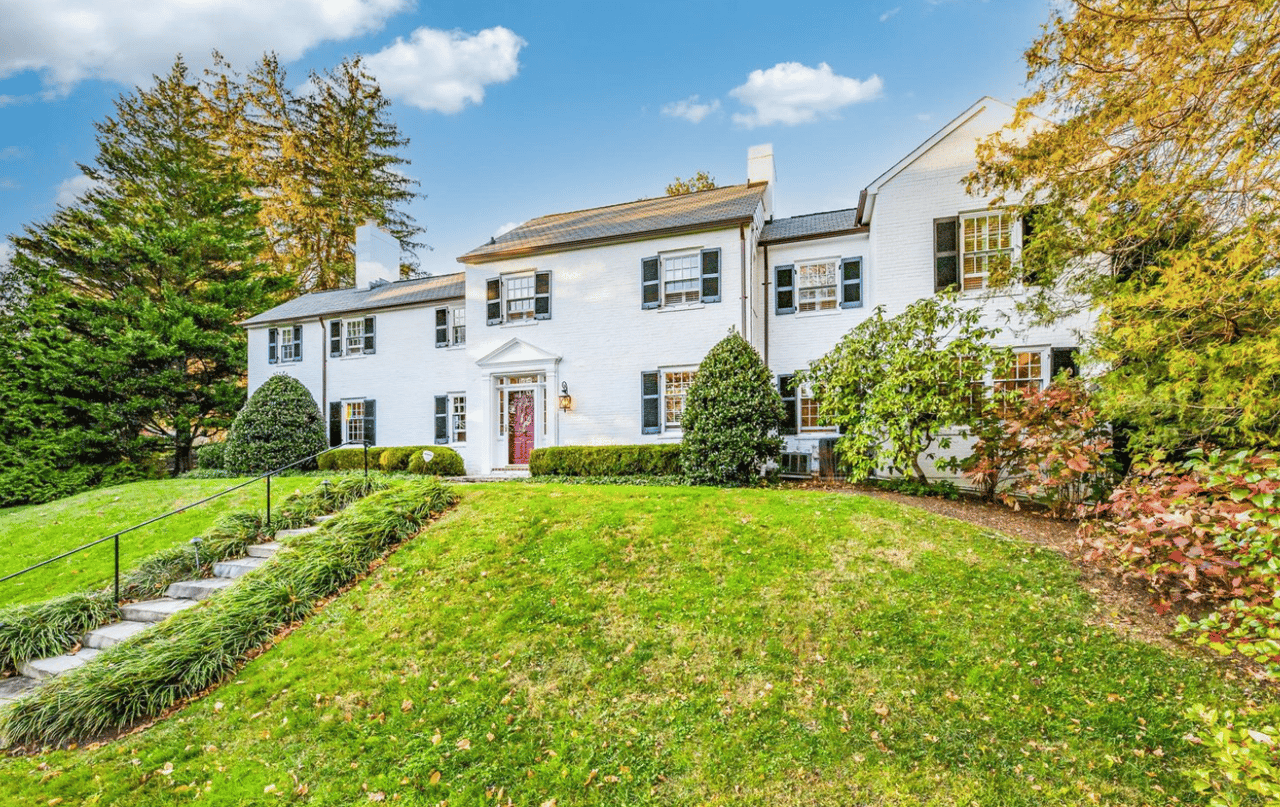
1406 Malvern Ave , Baltimore, MD 21204
Sold
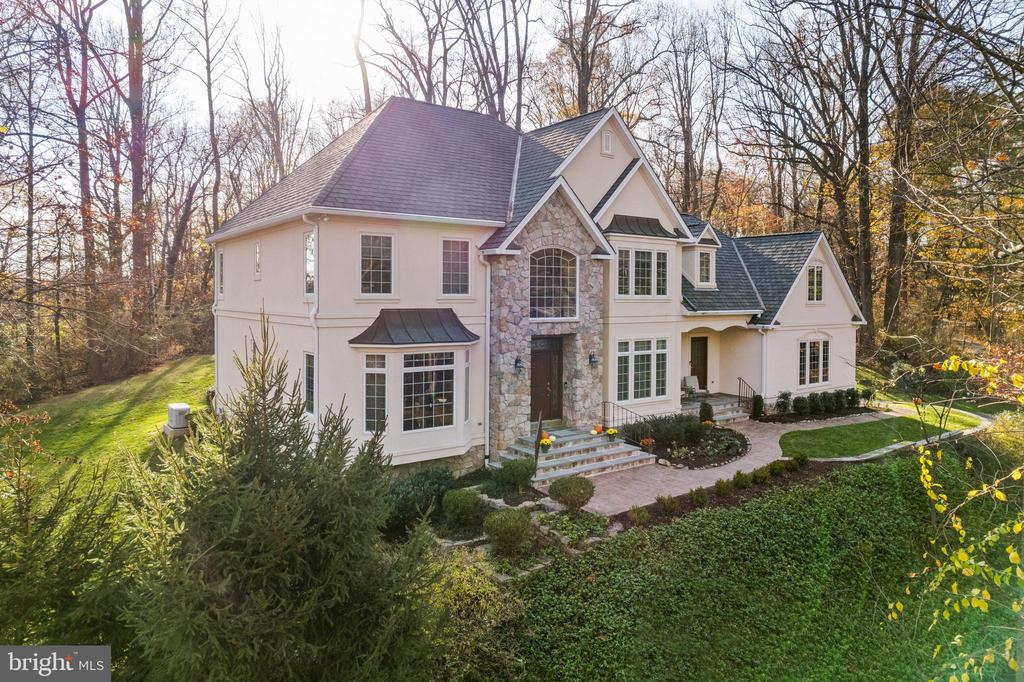
2101 OUR LANE, STEVENSON, MD 21153
Sold
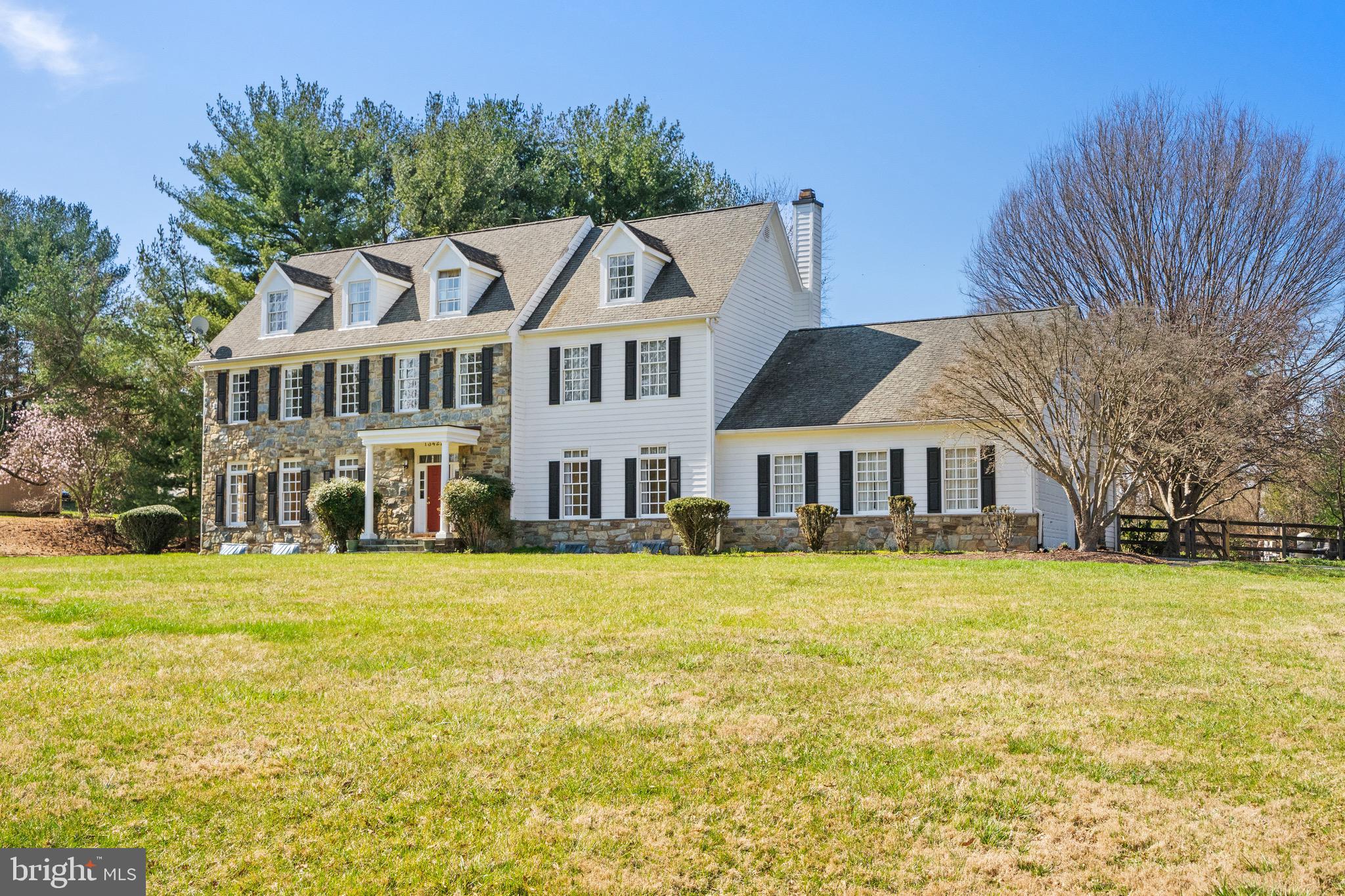
13422 QUERY MILL ROAD, NORTH POTOMAC, MD 20878
Sold

4201 Greenway, Baltimore, MD 21218
Sold

1724 Hillside Rd, Stevenson, MD 21153
Sold

105 Millbrook Rd, Baltimore, MD 21218
Sold
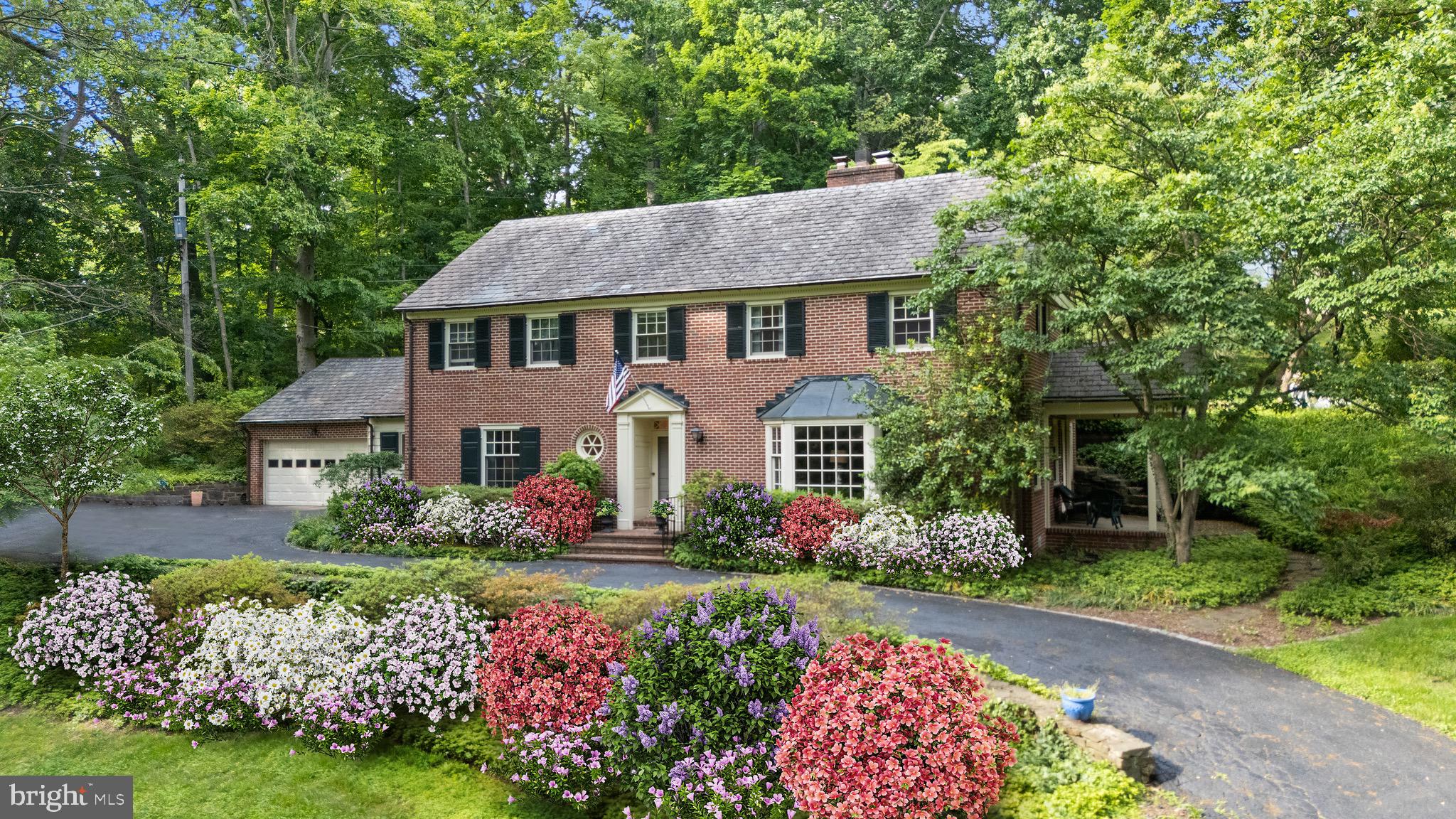
1104 MALVERN AVENUE, RUXTON, MD 21204
Sold
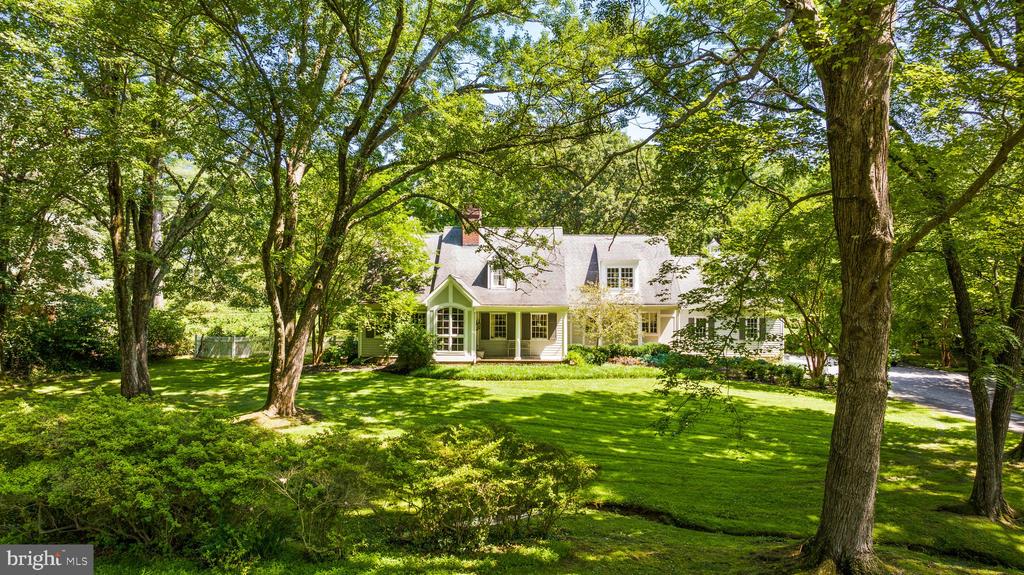
4 CHITTENDEN LANE, OWINGS MILLS, MD 21117
Sold

5 Forwood Ct, Cockeysville, MD 21030
Sold
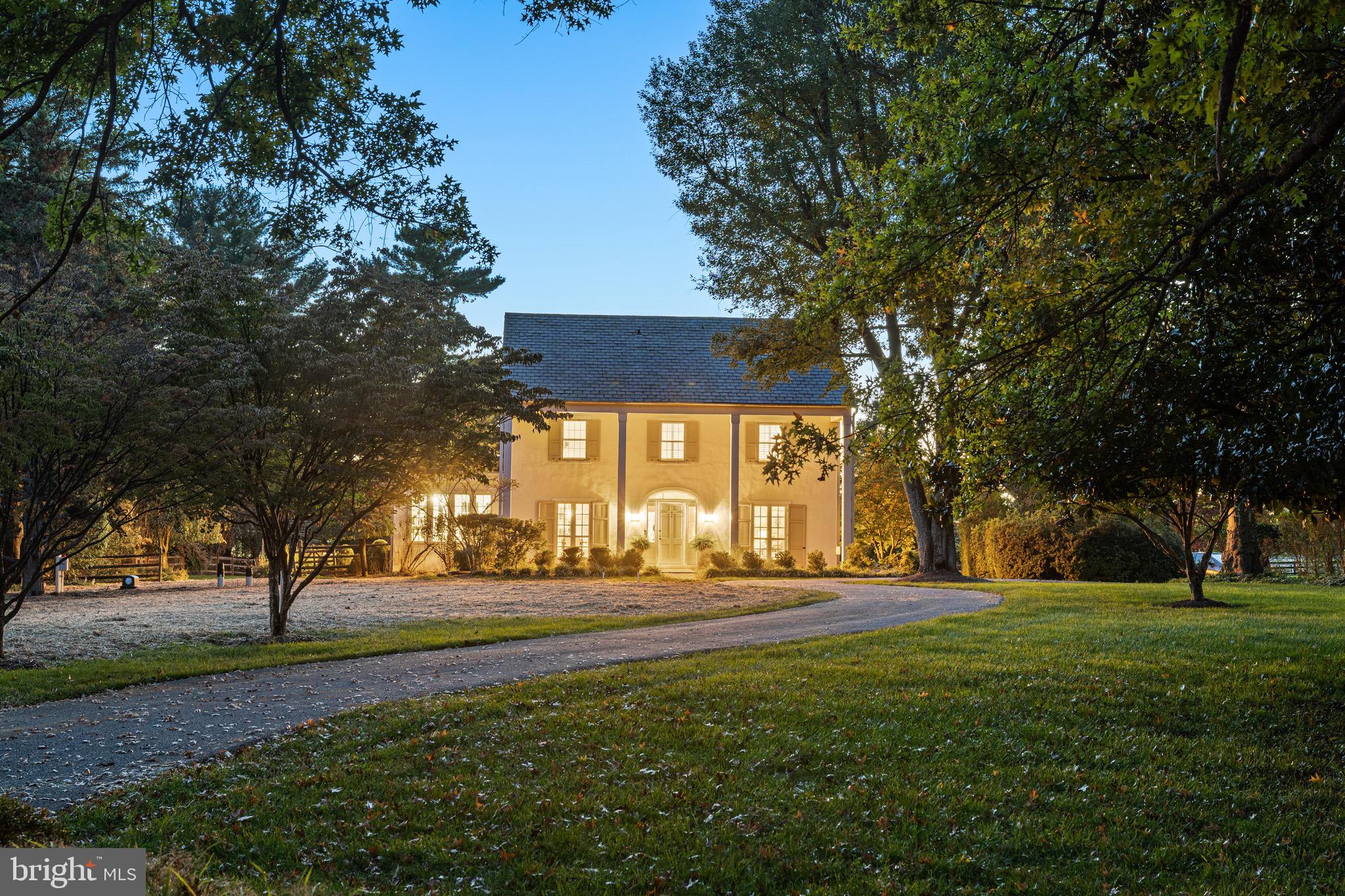
206 GARRISON FOREST ROAD, OWINGS MILLS, MD 21117
Sold

7919 Sherwood Ave, Towson, MD 21204
Sold
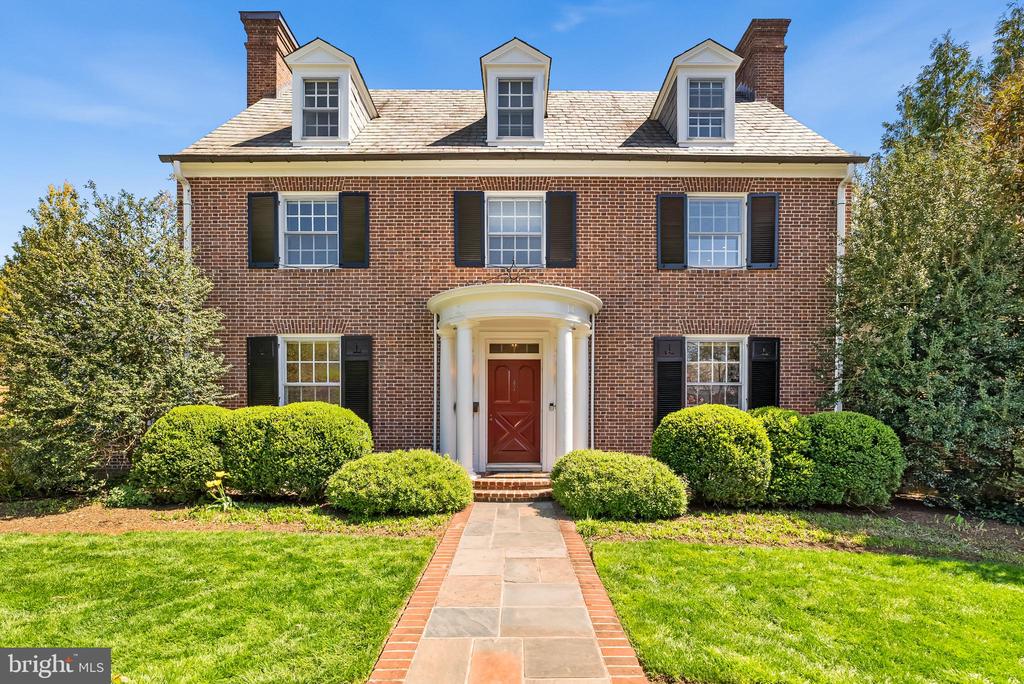
4409 BEDFORD PLACE, BALTIMORE, MD 21218
Sold
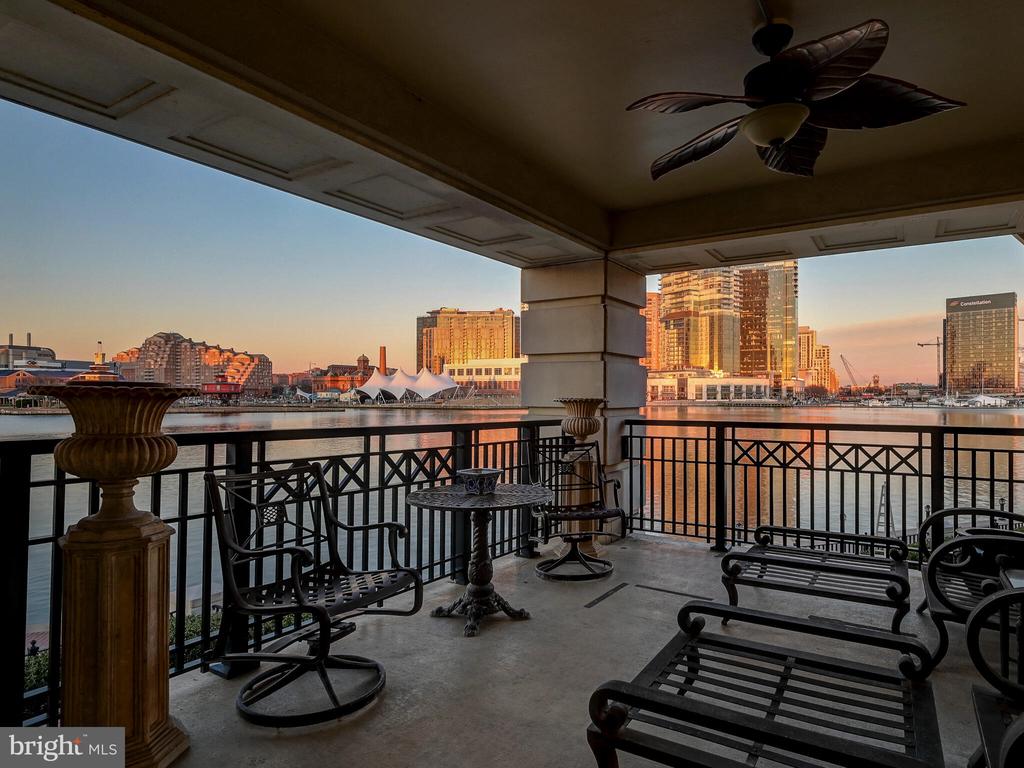
801 KEY HIGHWAY Unit: 210, BALTIMORE, MD 21230
Sold
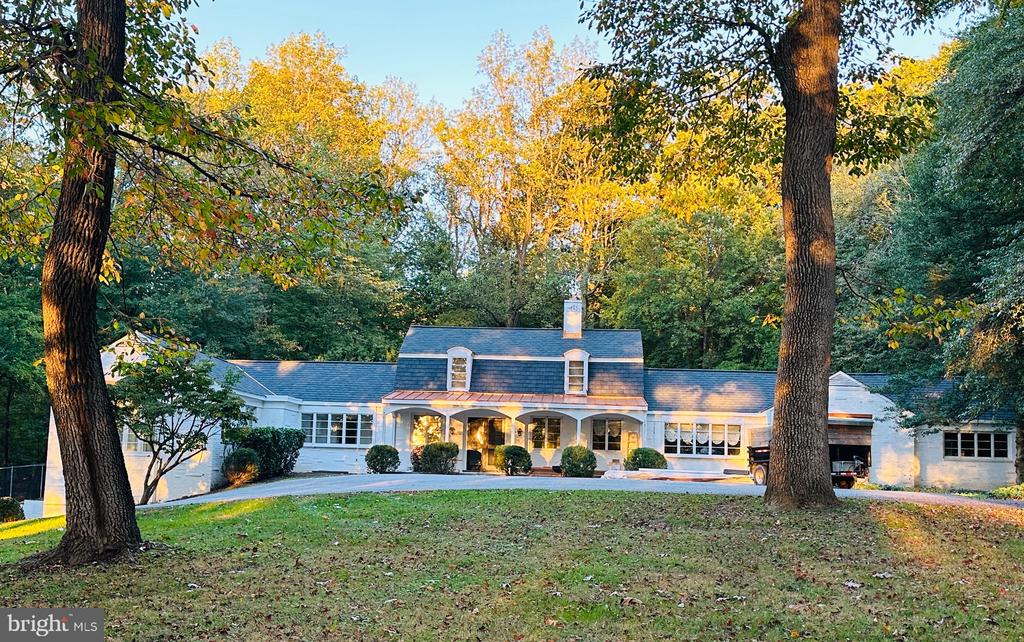
7 CAVESWOOD LANE, OWINGS MILLS, MD 21117
Sold
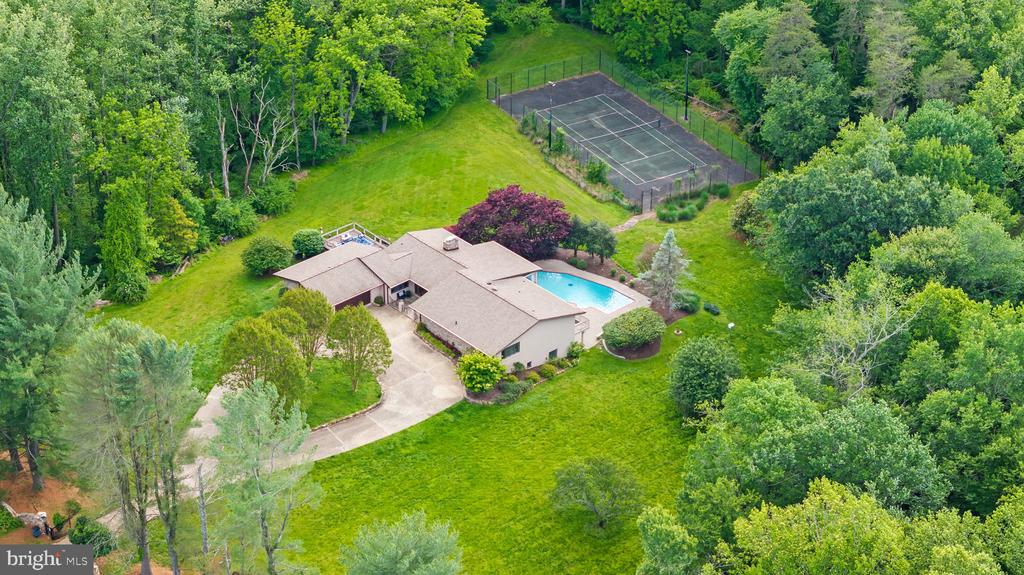
18 MANOR BROOK ROAD, MONKTON, MD 21111
Sold
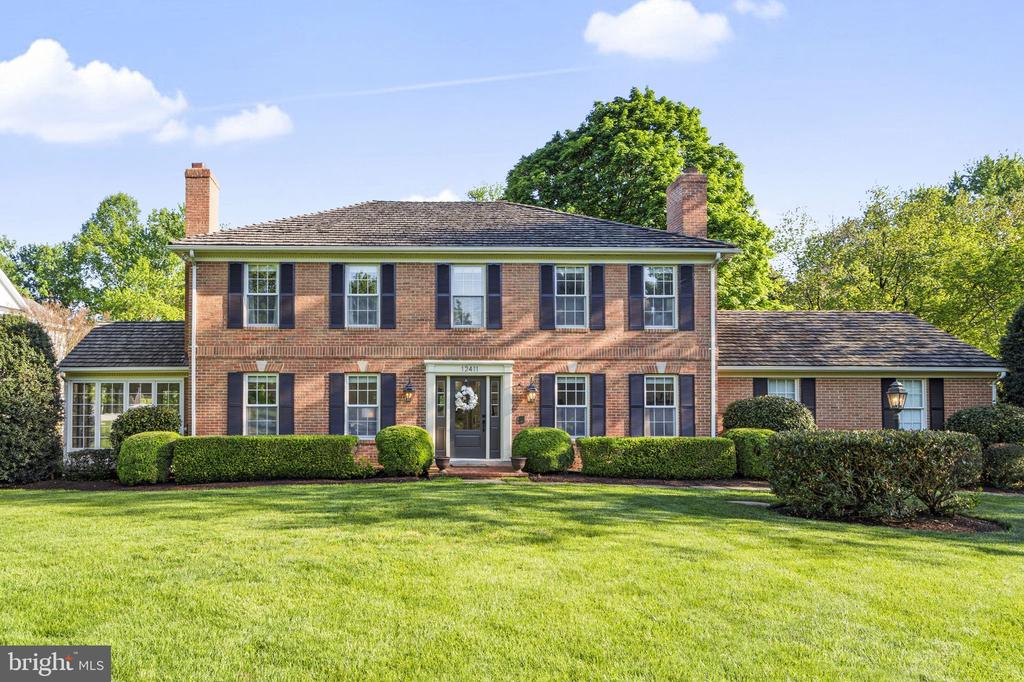
12411 PENELOPE COURT, FULTON, MD 20759
Sold
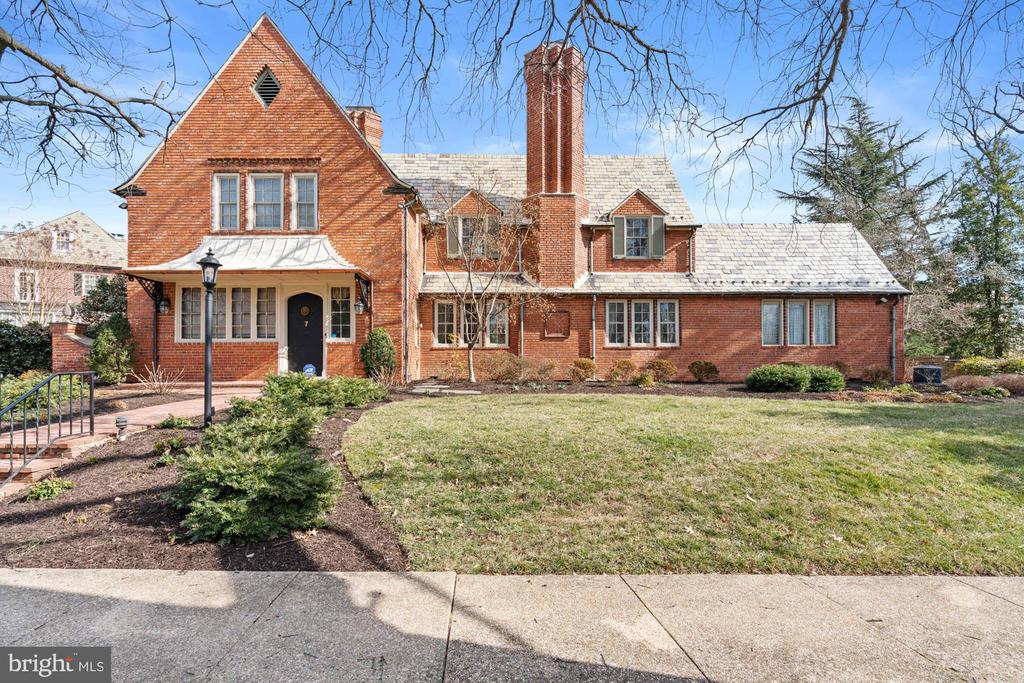
7 CHARLCOTE PLACE, BALTIMORE, MD 21218
Sold
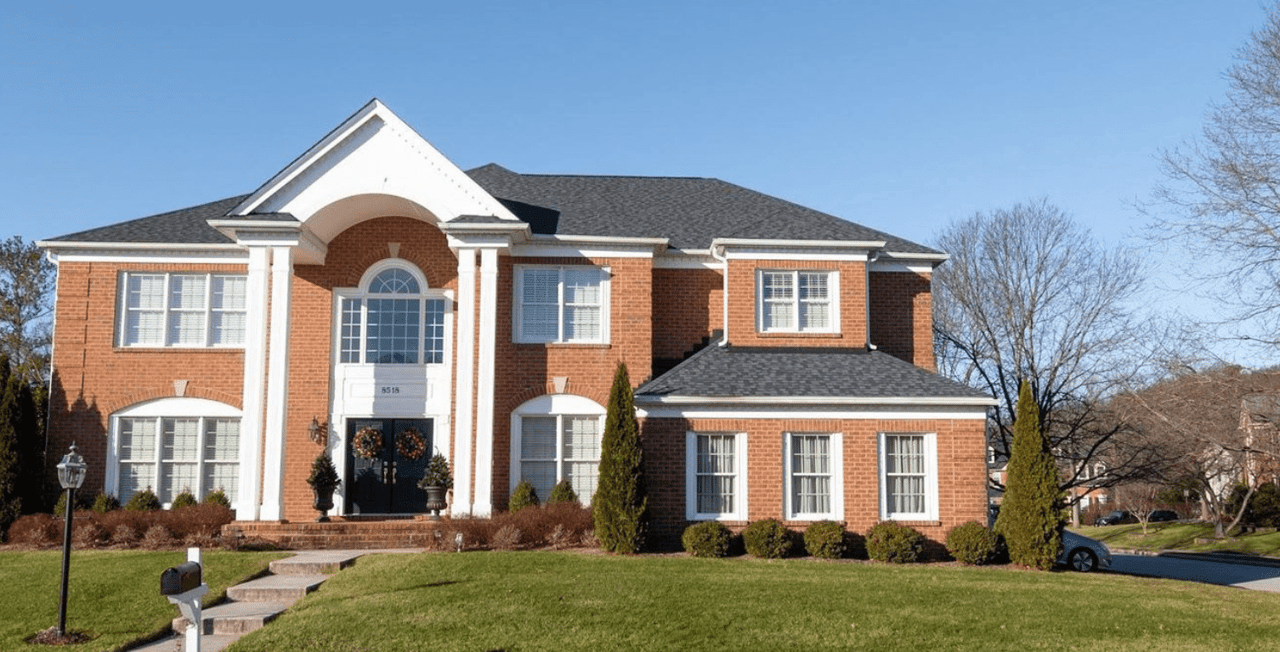
8518 Southfields Cir, Lutherville-Timonium, MD 21093
Sold

101 Market St, Annapolis, MD 21401
Sold

1000 Cold Bottom Rd, Sparks, MD 21152
Sold
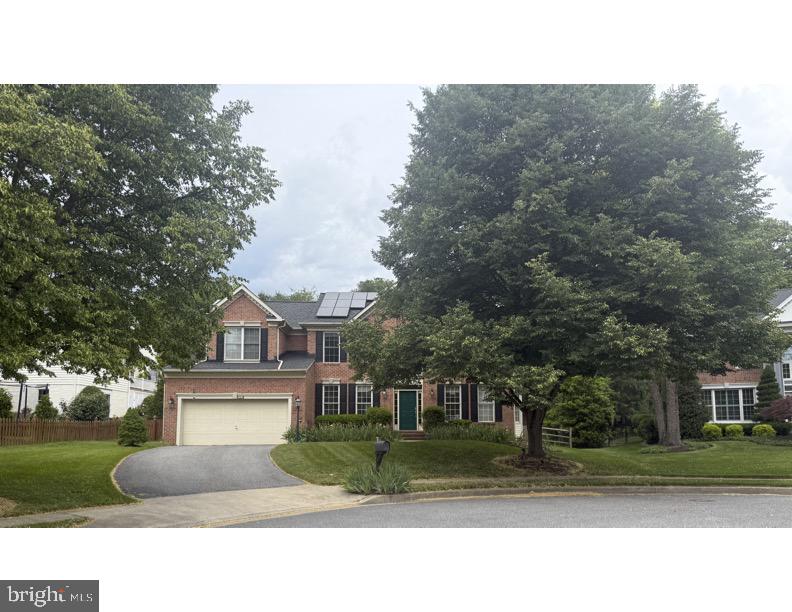
4 CRESTLEIGH PLACE, LUTHERVILLE TIMONIUM, MD 21093
Sold
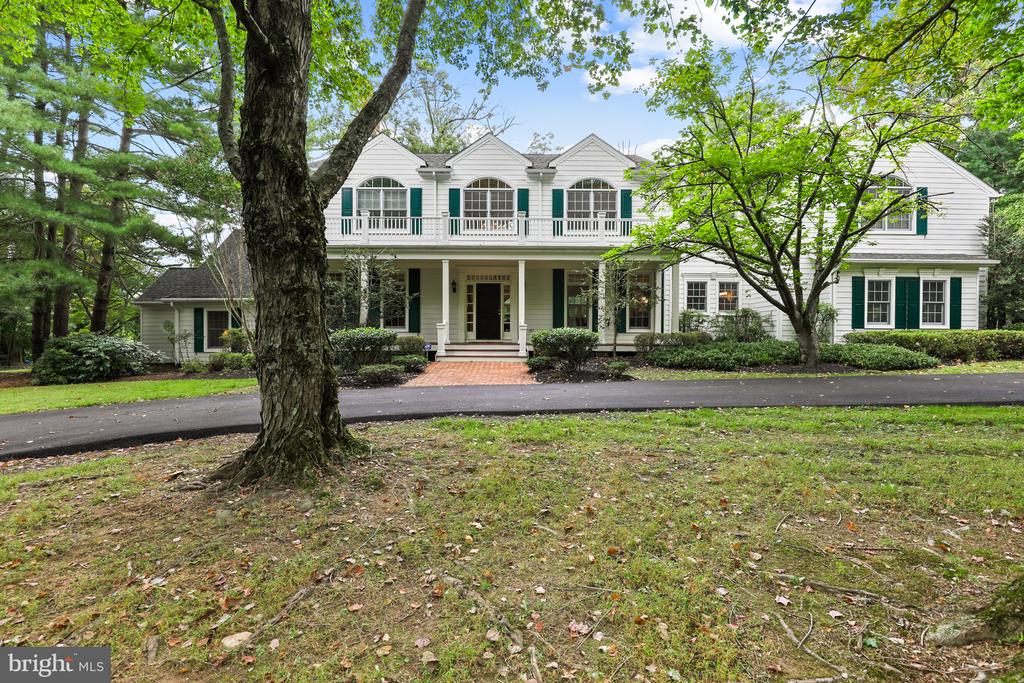
2218 CAVES ROAD, OWINGS MILLS, MD 21117
Sold
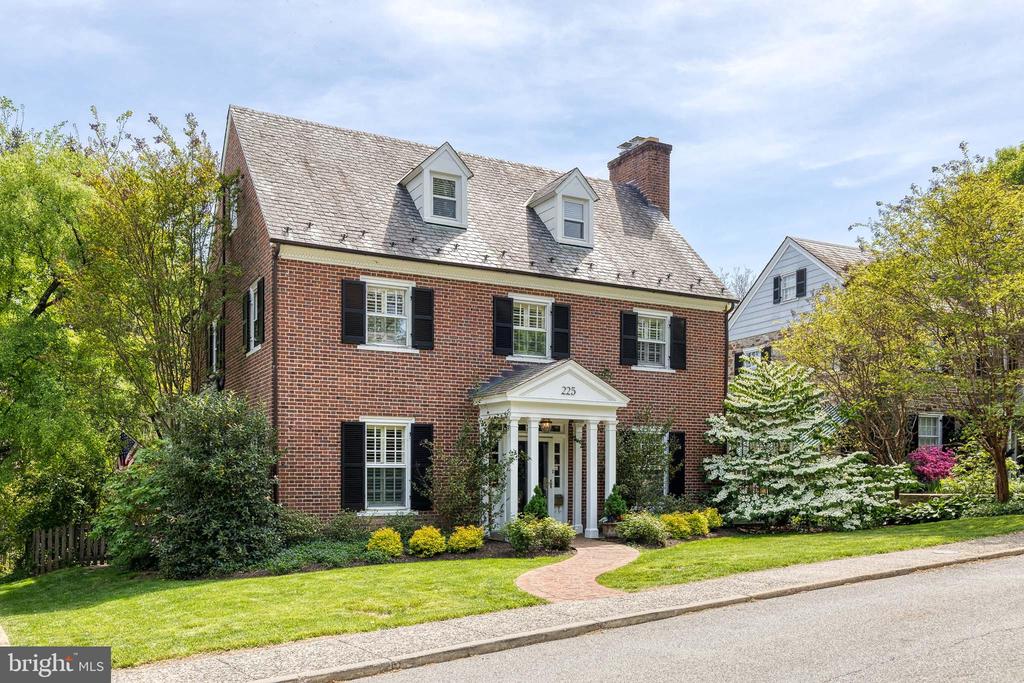
225 TUNBRIDGE ROAD, BALTIMORE, MD 21212
Sold
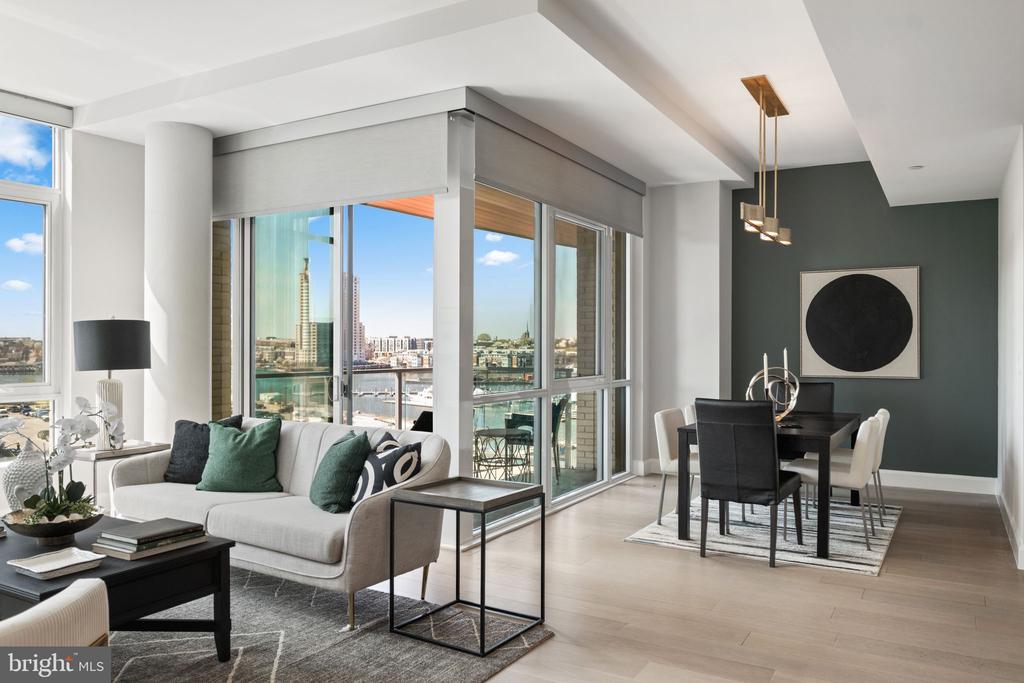
1330 LANCASTER STREET Unit: C603, BALTIMORE, MD 21231
Stay up to date on the latest real estate trends.