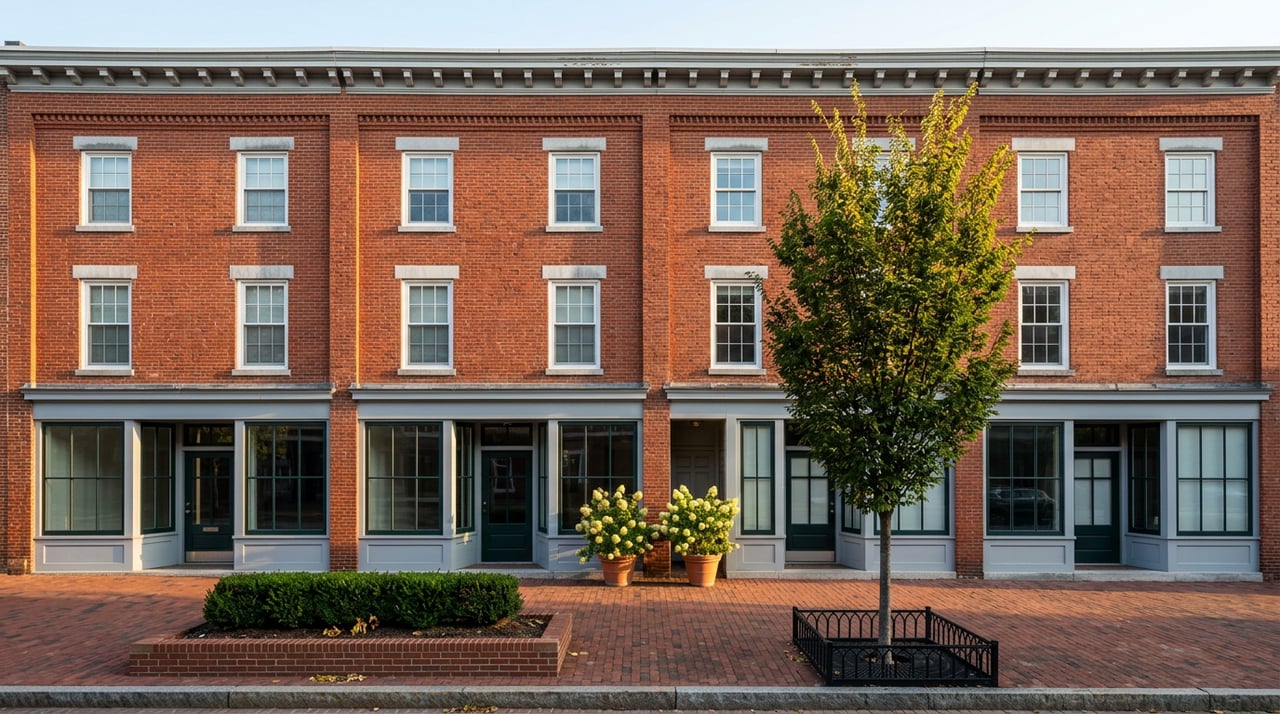
Reisterstown's Main Street Never Had Written Design Rules Until Last Year. Here's What Changed.
September 17, 2026
September 17, 2026
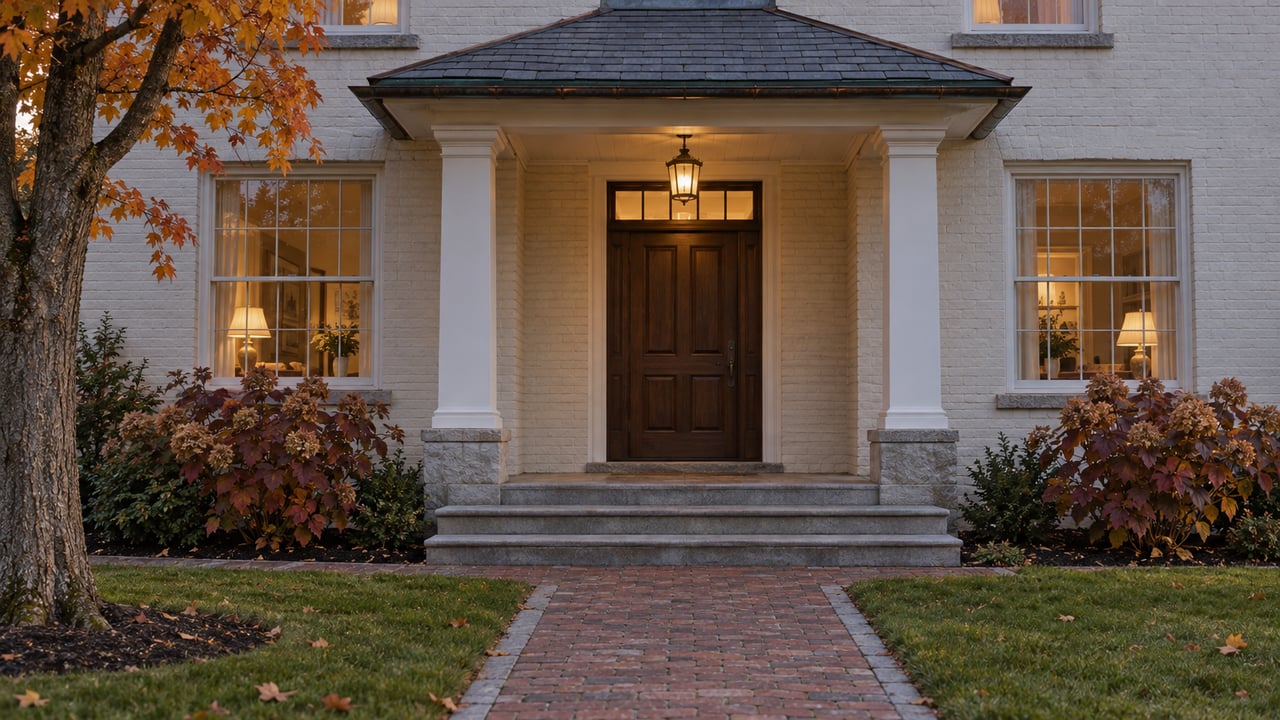
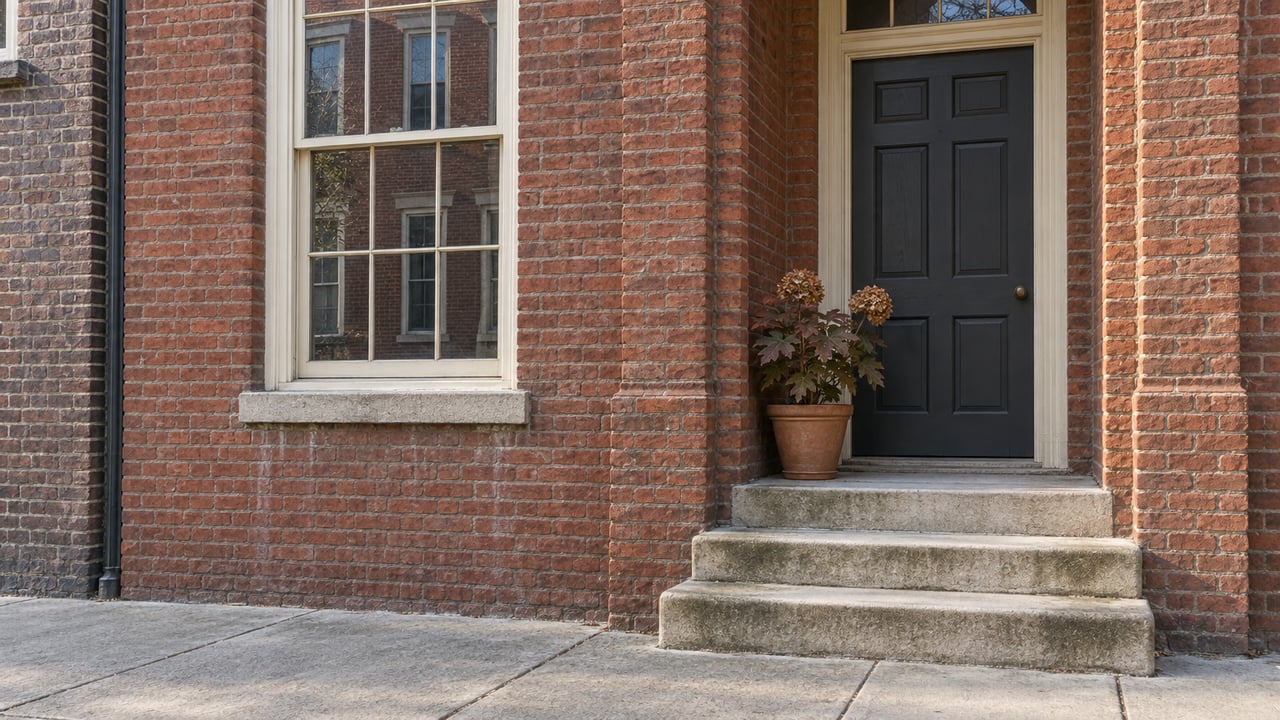
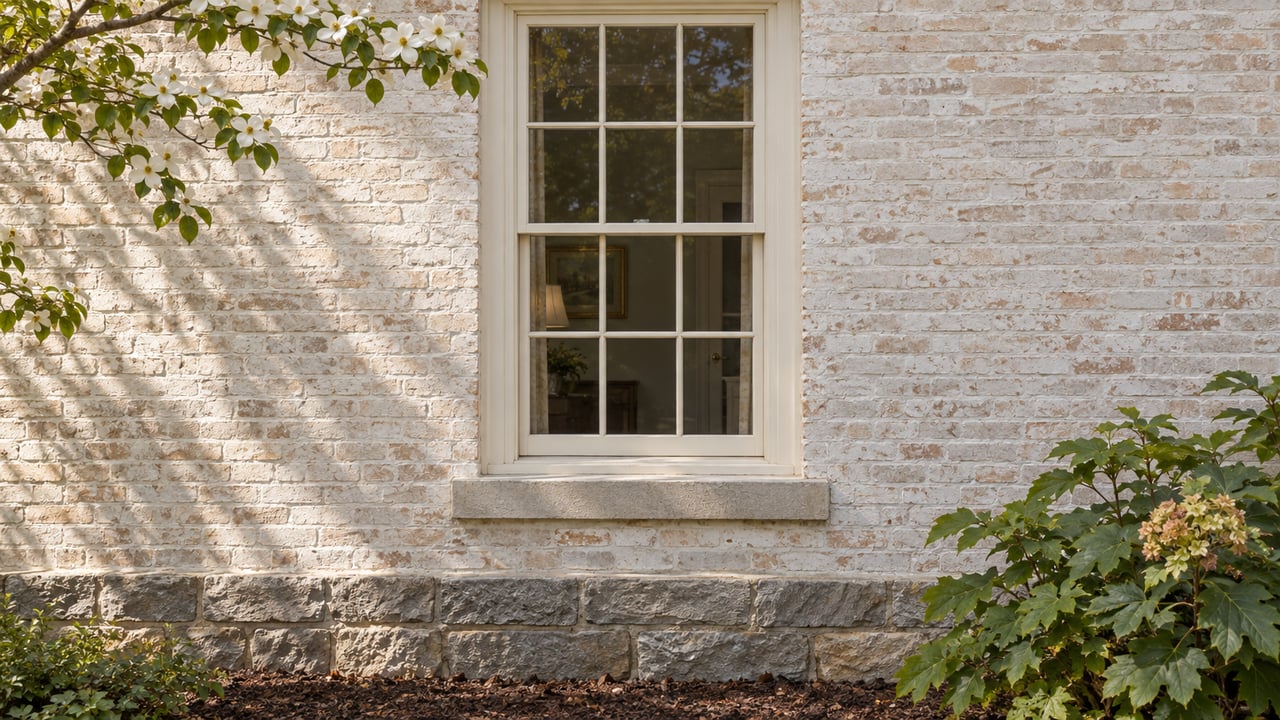
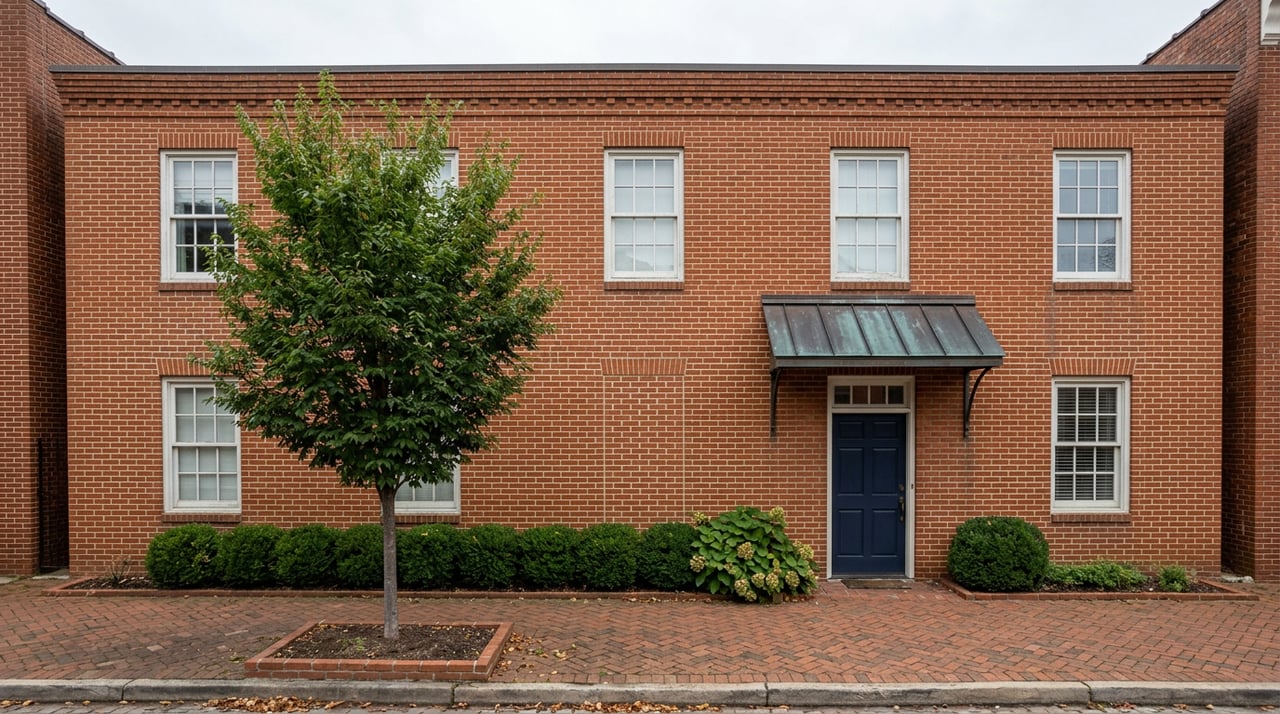
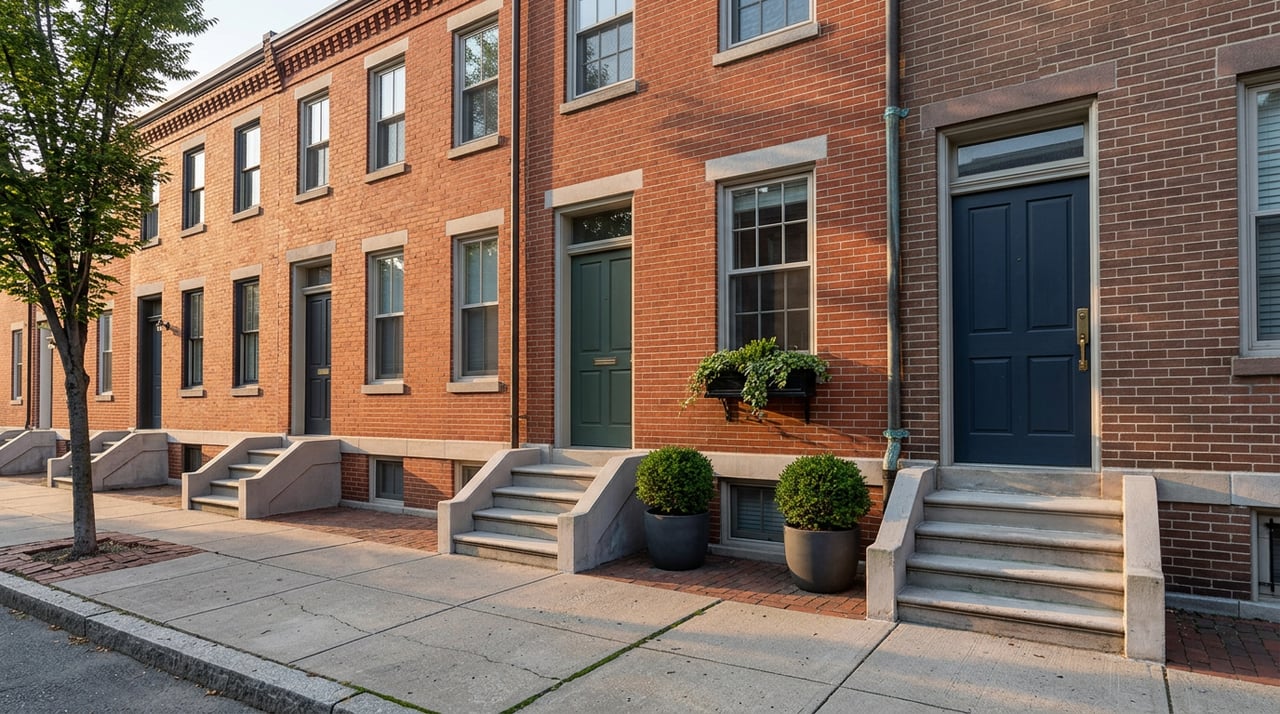
Walk down Main Street in Reisterstown and you'll pass buildings that have stood since before the town had paved roads: log structures from the late 1700s, brick storefronts in Flemish bond, houses that became antique shops without ever changing their footprint. The National Register of Historic Places listed the whole stretch in 1979, and most owners assume that listing came with a rulebook. It didn't. For 46 years, what got built, repainted, or paved along Main Street ran on informal consensus between property owners and the Reisterstown Improvement Association, not a written standard any county reviewer could point to.
That gap closed in 2025. If you own a property inside the Reisterstown Commercial Revitalization District and you're weighing a renovation, an addition, or a listing, you'll need to check whether your project falls within a designated Design Review Area and requires development plan review before assuming it will be measured against an adopted planning document.
The Reisterstown Improvement Association had been managing streetscape and facade issues informally since 2010, working with Baltimore County, the state, and the State Highway Administration on a project-by-project basis. That changed when the RIA pushed for something more permanent. Baltimore County Council Resolution No. 44-24, passed in October 2024, formally asked the county Planning Board to review a Reisterstown Streetscape Action Plan and matching Design Guidelines. The Planning Board held a public hearing on November 21, 2024. Afterward, the RIA and St. John Properties, which owns a business park along the corridor, went back and forth on specific map and language edits, and on January 16, 2025, the Planning Board voted to approve the amended plan and send it to County Council for adoption as an amendment to Master Plan 2030.
County Council followed through with Resolution 12-25, which adopted and incorporated the Streetscape Action Plan and Design Guidelines into county policy. The guidelines now sit inside the Comprehensive Manual of Development Policies, the document Baltimore County planners use to review development plans. That's the part worth sitting with: this isn't a historic preservation society's suggestion anymore. It's the framework county staff will use when a project in a designated Design Review Area comes up for development plan review.
The plan covers more ground than most owners expect from a document with "streetscape" in the title. A few specifics that show up directly in the guidelines:
None of this reads like a demolition ban or a strict architectural review board with veto power over paint colors. It reads like a checklist a planner uses when a development plan lands in front of them, which is exactly what it is. Design review under this framework applies when a project inside a designated Design Review Area comes up for review, which means it matters most for new construction, additions, parking changes, and anything that requires a development plan filing, not for routine maintenance like re-shingling a roof or replacing a window in kind.
Here's the part that makes this genuinely useful rather than just another regulatory headache. The RIA runs a Facade Improvement Grant Program that predates the new guidelines and now dovetails with them. The program matches up to $10,000 of a project's cost, in cash and in-kind donations of labor or materials, and it's built to fund exactly the kind of exterior work the new guidelines encourage. It's capped at three buildings per year, applications are accepted on a rolling basis until that year's grants are awarded, and a pre-application consultation with the Reisterstown Main Street Manager is required before you apply.
The program exists because the RIA spent years hearing the same complaint from business owners: properties sat unmaintained because owners couldn't justify the cost, couldn't get agreement from a landlord, or simply didn't have the capacity to run a business and plan a renovation at the same time. If your property sits inside the CRD boundary, that grant is worth a conversation before you assume a facade project is fully out of pocket. Tenants can apply too, with written approval from the property owner.
If you're planning to sell a Main Street-adjacent property in the next year or two, the practical takeaway isn't that you now need a permit to paint your trim. It's that projects inside a designated Design Review Area that come up for development plan review are assessed under a written standard; not every substantial exterior project triggers that review. That standard didn't exist when the last generation of owners on this stretch did their renovations. Building a renovation timeline that assumes the old informal process, a conversation with the RIA and a nod from the county, is planning against a rulebook that no longer applies.
The Streetscape Action Plan and the design guidelines it introduced apply specifically inside the boundaries of the Reisterstown Commercial Revitalization District, which the Baltimore County Department of Planning delineates on a map. Not every property inside the historic district automatically falls inside the CRD, and the two boundaries aren't identical, so the first move for anyone planning work is confirming which side of that line their parcel sits on.
Does this apply to my property if it's not directly on Main Street? It depends on whether your parcel falls inside the Commercial Revitalization District boundary, which the county's planning department maps separately from the broader historic district. Some properties near Main Street sit inside the CRD even if they're not fronting the street itself, and some historic district properties sit outside it.
Do I need approval for interior work or basic maintenance? The guidelines are structured around development plan review, meaning they come into play for new construction, additions, parking or site changes, and similar projects that require a development plan filing. Routine maintenance and interior work generally don't trigger this level of review.
How do I find out if my property qualifies for the Facade Improvement Grant? Reach out to the Reisterstown Main Street Manager for a pre-application consultation, which the program requires before any formal application. That conversation will also confirm whether your parcel sits inside the current CRD boundary, since eligibility depends on it.
Whether you're preparing to list a property near Main Street or you're weighing a renovation before you do, the smart sequence starts with confirming where your parcel sits relative to the CRD boundary, then checking whether the project falls within a designated Design Review Area and requires development plan review so you can account for any review time in your timeline. The review process is still less than two years old. A conversation with someone who's tracked this shift from the beginning can save real time.
The Batoff Group works across Reisterstown and the surrounding Baltimore County suburbs, and we keep a close eye on the planning decisions that affect timing and value for owners near the historic district. If you're thinking about listing a property near Main Street or want a read on how these guidelines might affect your renovation plans, request a complimentary market consultation and we'll walk through what it means for your specific address. You can also browse our full Reisterstown neighborhood guide for more on what makes this stretch of Baltimore County worth watching.
This article is general information, not legal, tax or financial advice. Consult a qualified professional about your situation.
Explore our past transactions.
Sold
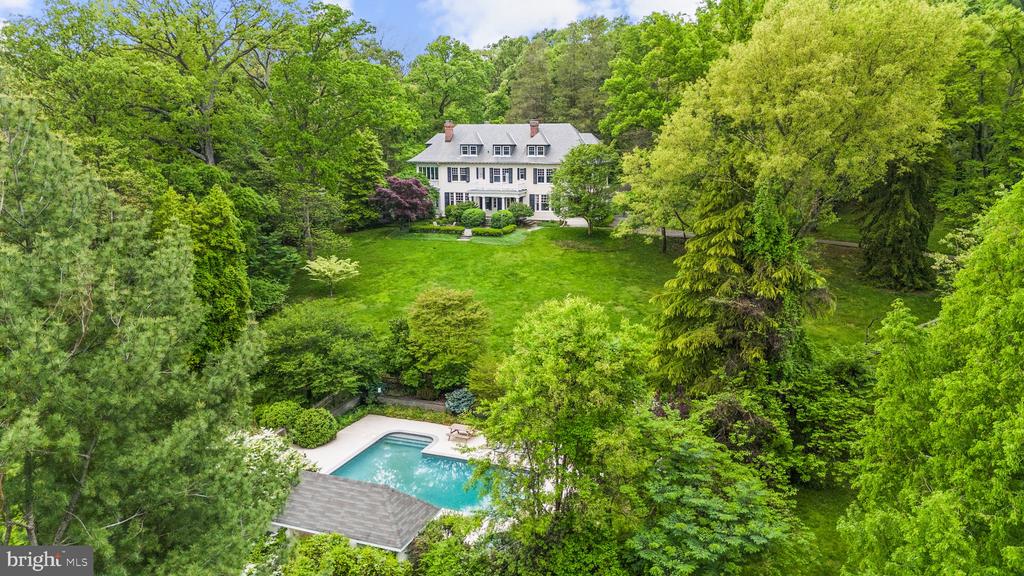
10600 PARK HEIGHTS AVENUE, OWINGS MILLS, MD 21117
Sold
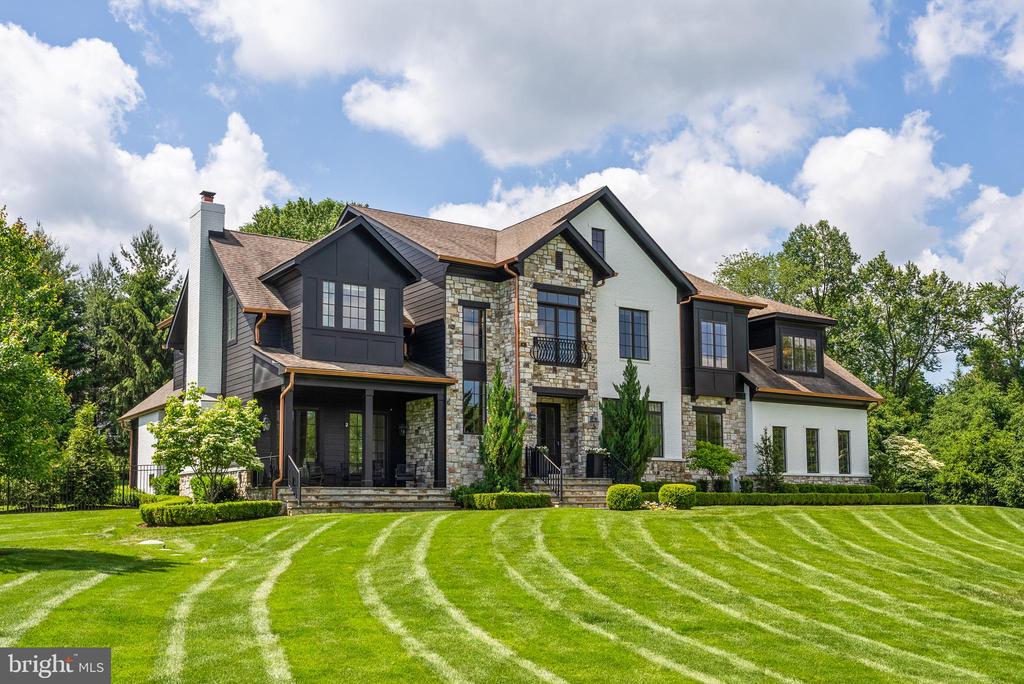
12220 WORTHINGTON ROAD, OWINGS MILLS, MD 21117
Sold
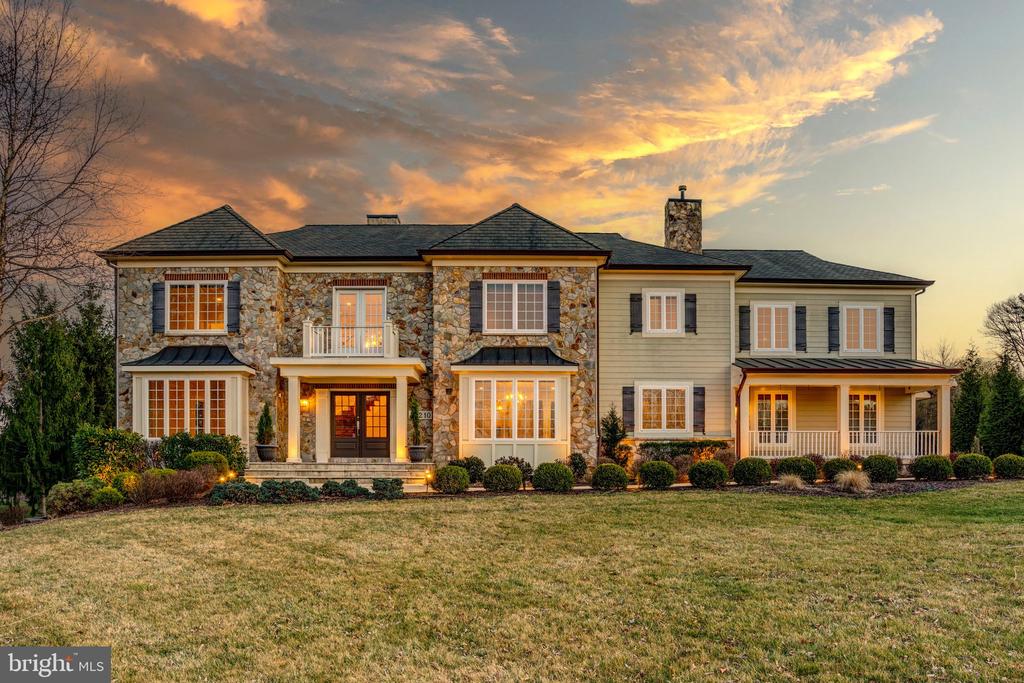
12210 WORTHINGTON, OWINGS MILLS, MD 21117
Sold
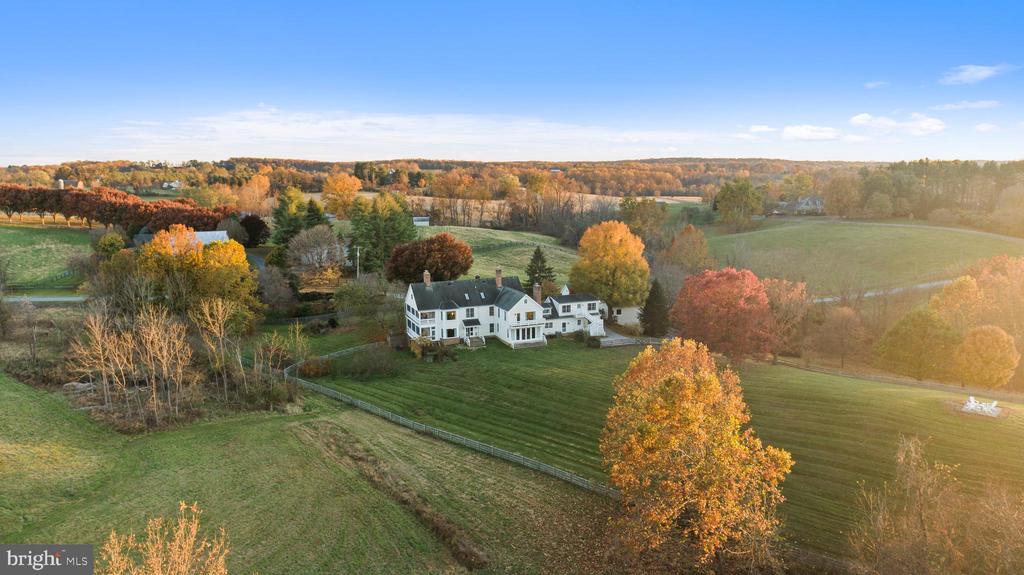
2310 GADD ROAD, COCKEYSVILLE, MD 21030
Sold
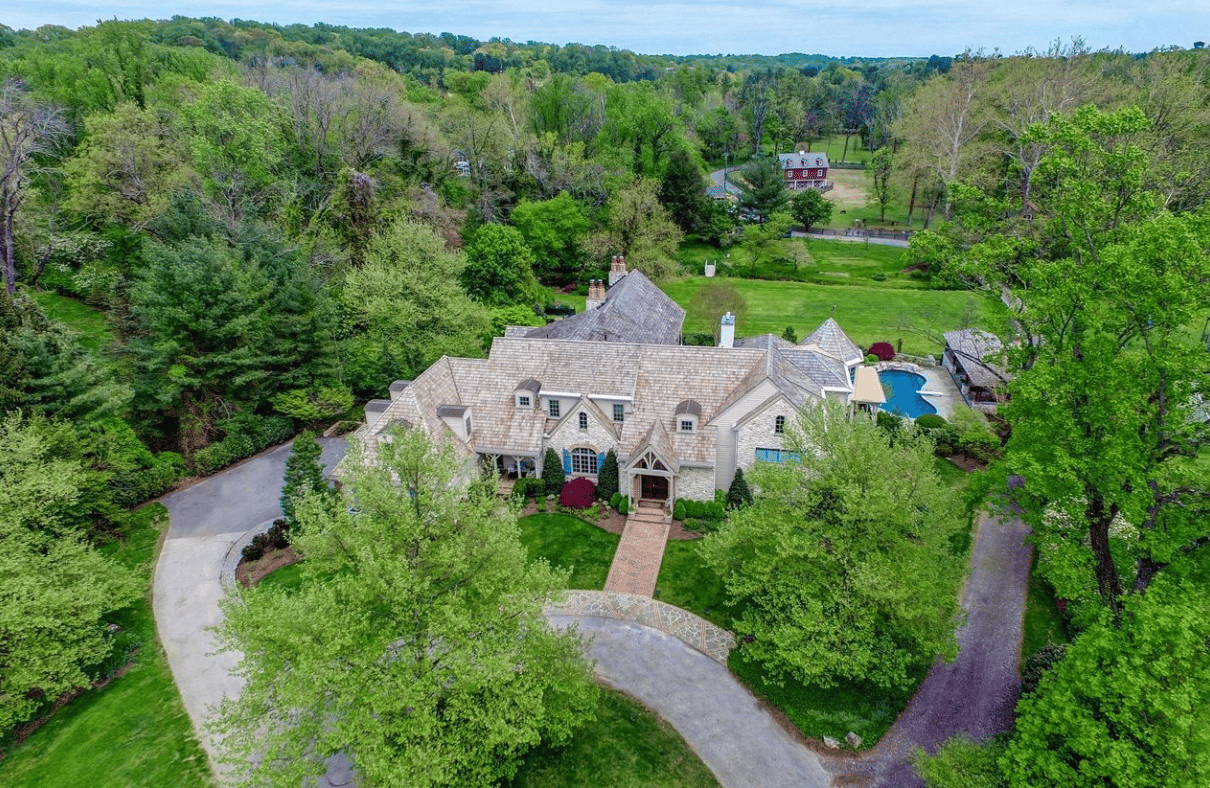
10807 Greenspring Ave, Lutherville-Timonium, MD 21093
Sold
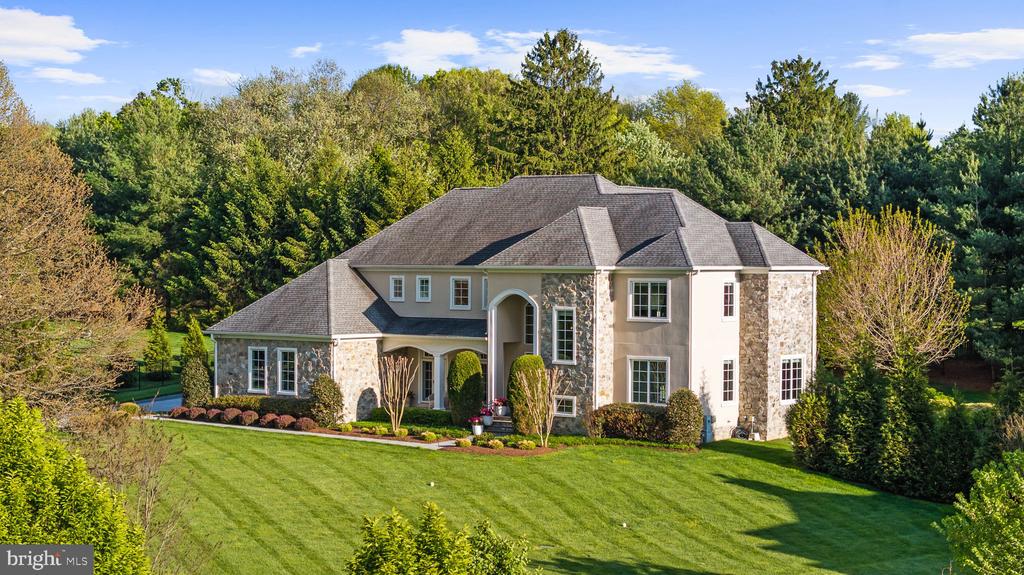
12222 WORTHINGTON ROAD, OWINGS MILLS, MD 21117
Sold
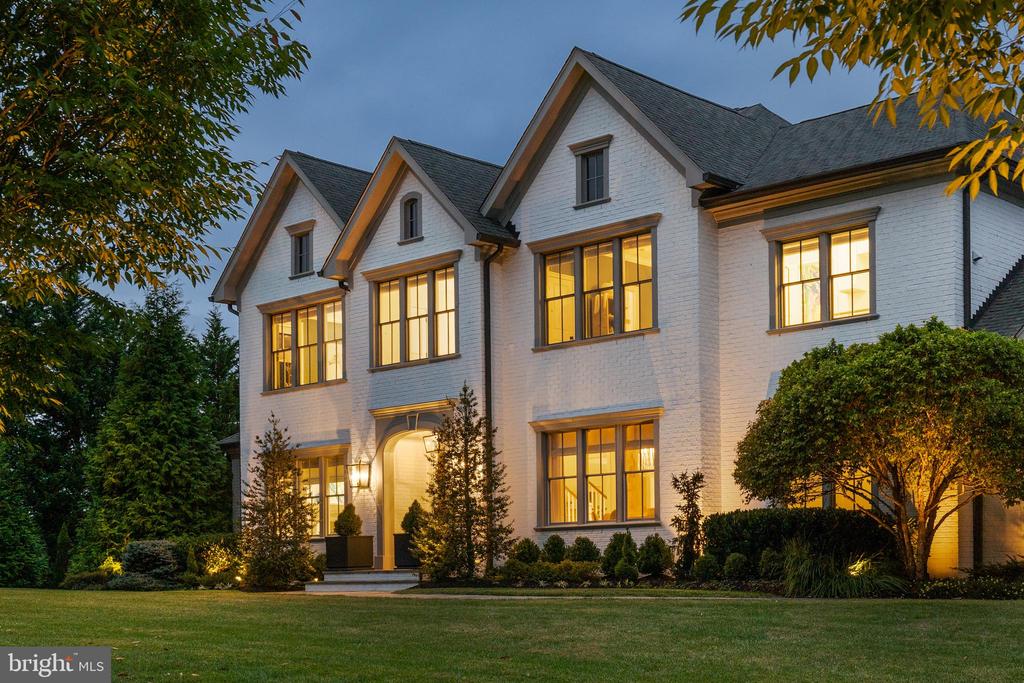
12211 WORTHINGTON ROAD, OWINGS MILLS, MD 21117
Sold

3112 W Golf Course Rd, Owings Mills, MD 21117
Sold

11129 Falls Rd, Lutherville Timonium, MD 21093
Sold

800 HILLSTEAD DRIVE, LUTHERVILLE TIMONIUM, MD 21093
Sold
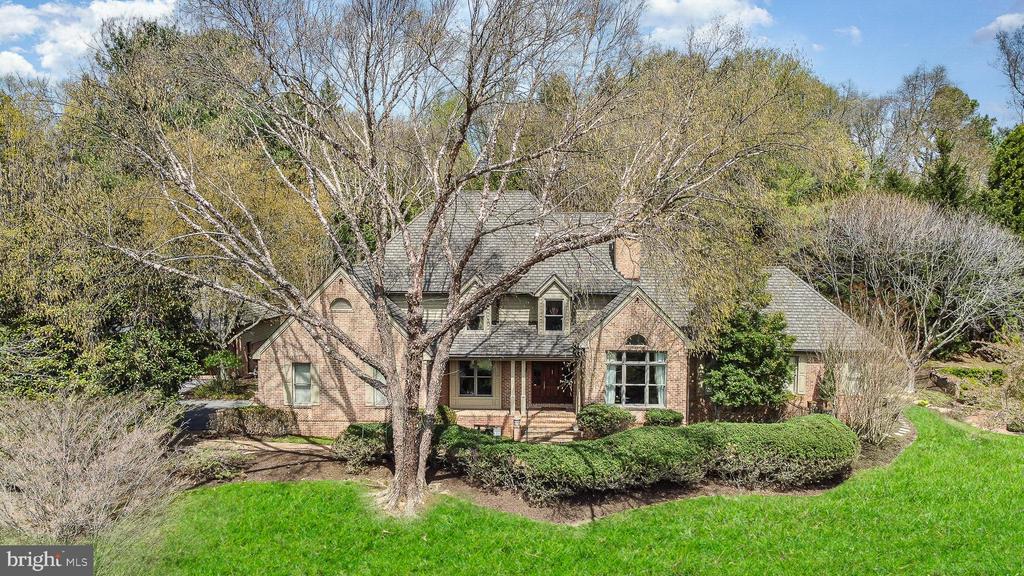
1308 MUSGROVE ROAD, LUTHERVILLE TIMONIUM, MD 21093
Sold
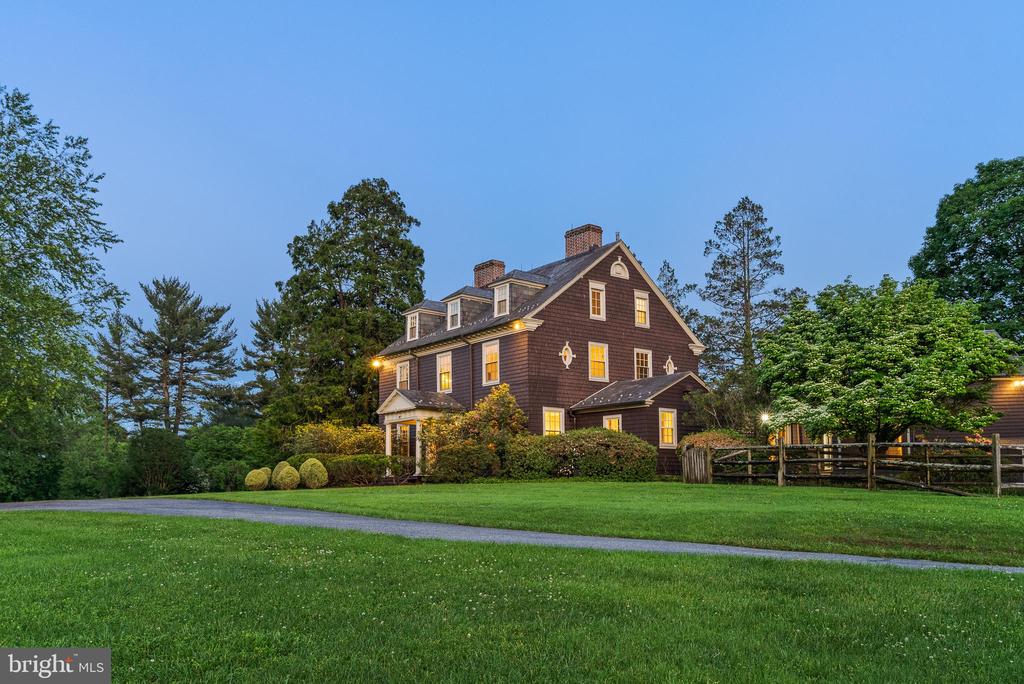
4006 STEWART ROAD, STEVENSON, MD 21153
Sold

15315 Carroll Rd, Monkton, MD 21111
Sold
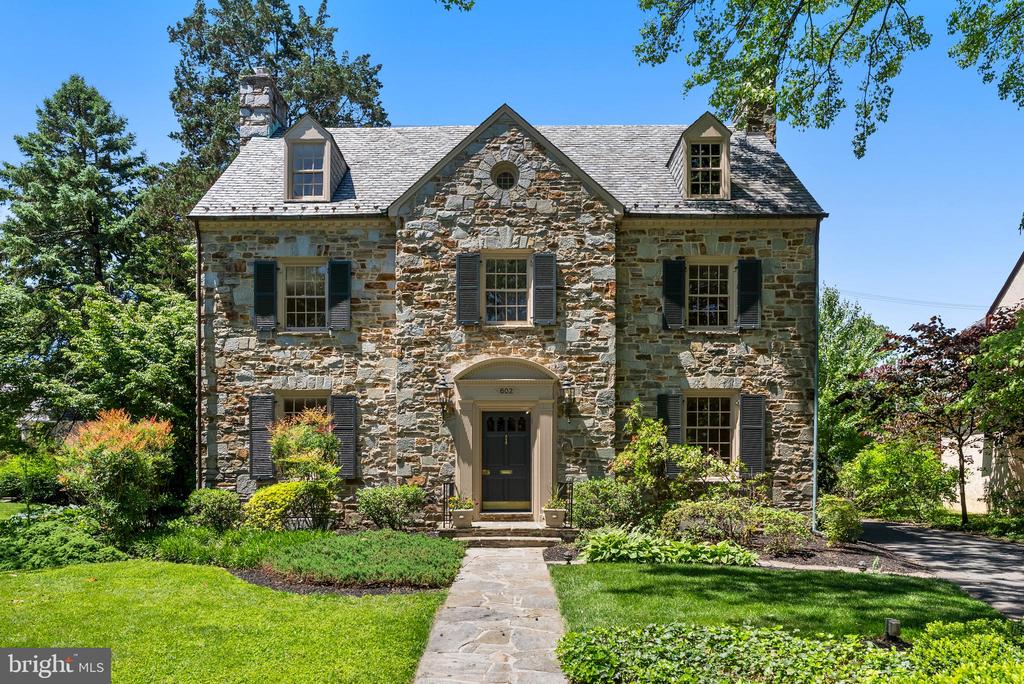
602 STONELEIGH ROAD, BALTIMORE, MD 21212
Sold

6401-A Murray Hill Rd, Baltimore, MD 21212
Sold

303 Goodwood Gdns, Baltimore, MD 21210
Sold
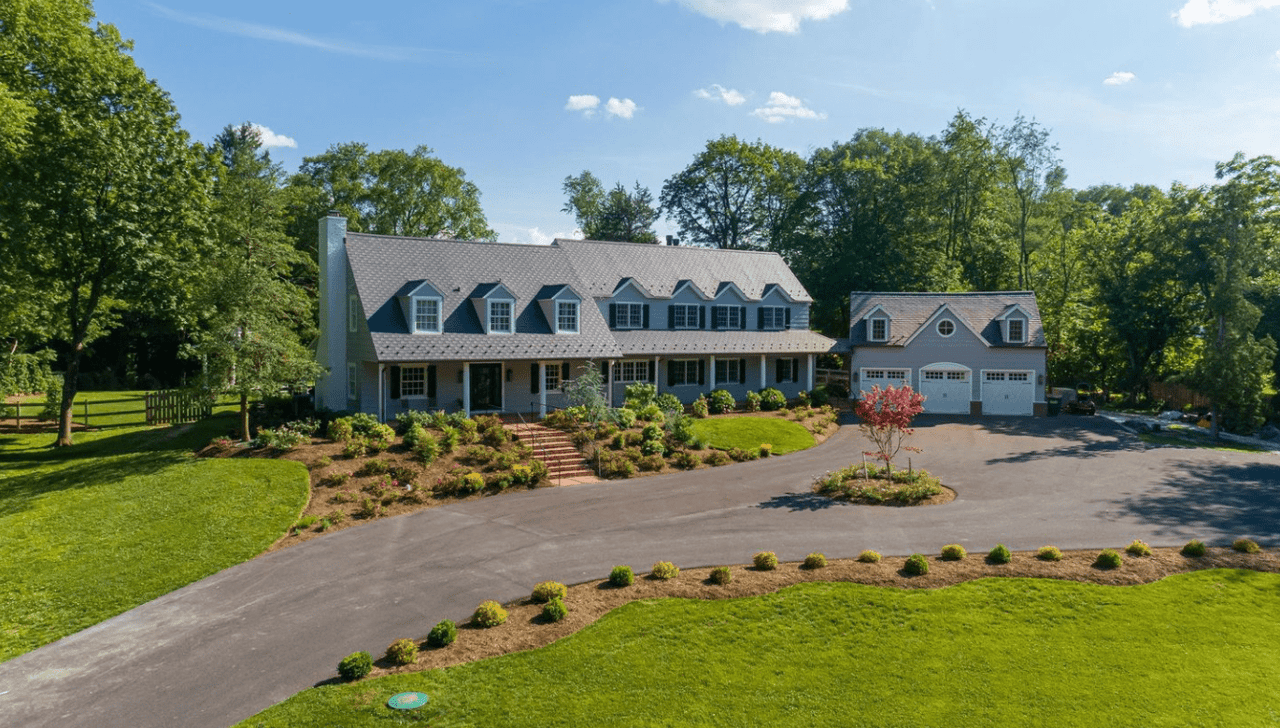
1840 Greenspring Valley Rd , Owings Mills, MD 21117
Sold
7505 LHIRONDELLE CLUB ROAD, TOWSON, MD 21204
Sold

6510 Chantilly Dr, Sykesville, MD 21784
Sold

1510 SEMINARY AVENUE W, LUTHERVILLE TIMONIUM, MD 21093
Sold

7 BROOKSTONE COURT, LUTHERVILLE TIMONIUM, MD 21093
Sold
831 HILLSIDE ROAD, LUTHERVILLE TIMONIUM, MD 21093
Sold

714 #2 Western Run Rd, Cockeysville, MD 21030
Sold
5507 SAINT ALBANS WAY, BALTIMORE, MD 21212
Sold

2919 CAVES ROAD, OWINGS MILLS, MD 21117
Sold
1107 COWPENS AVENUE, TOWSON, MD 21286
Sold
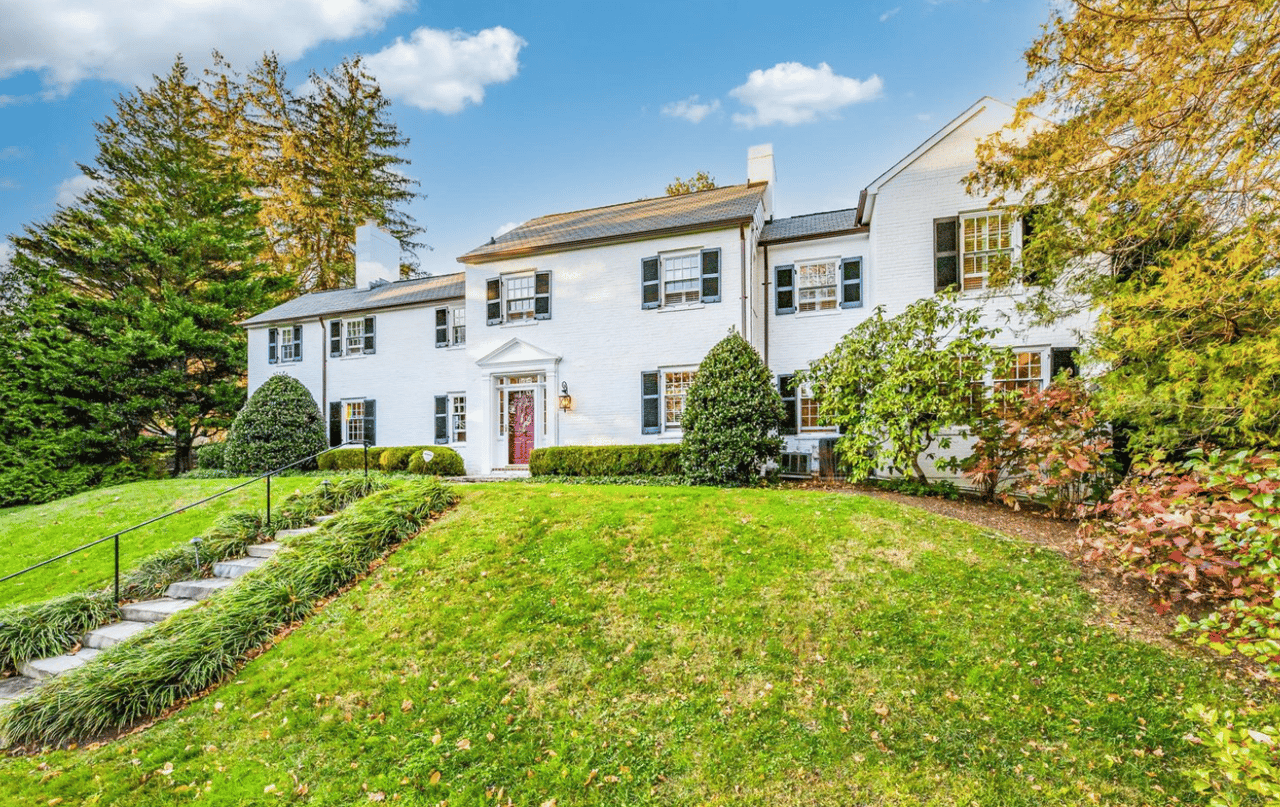
1406 Malvern Ave , Baltimore, MD 21204
Sold
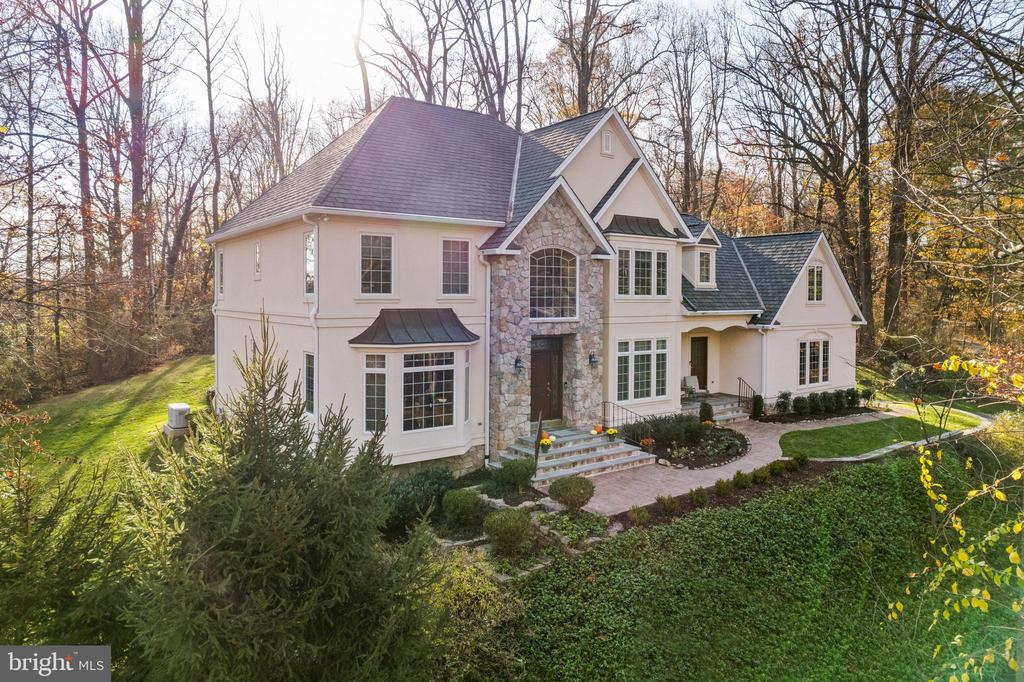
2101 OUR LANE, STEVENSON, MD 21153
Sold
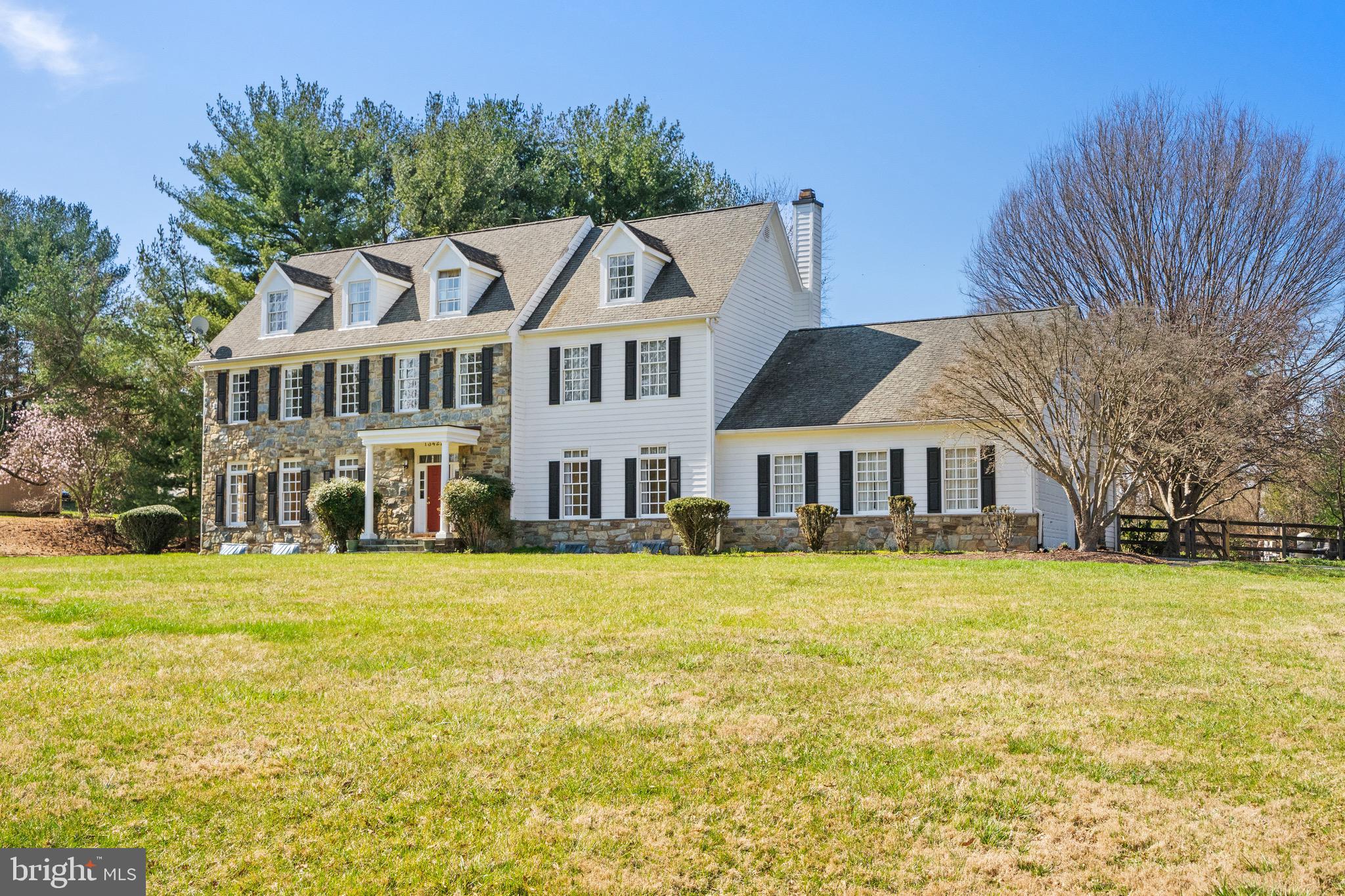
13422 QUERY MILL ROAD, NORTH POTOMAC, MD 20878
Sold

4201 Greenway, Baltimore, MD 21218
Sold

1724 Hillside Rd, Stevenson, MD 21153
Sold

105 Millbrook Rd, Baltimore, MD 21218
Sold
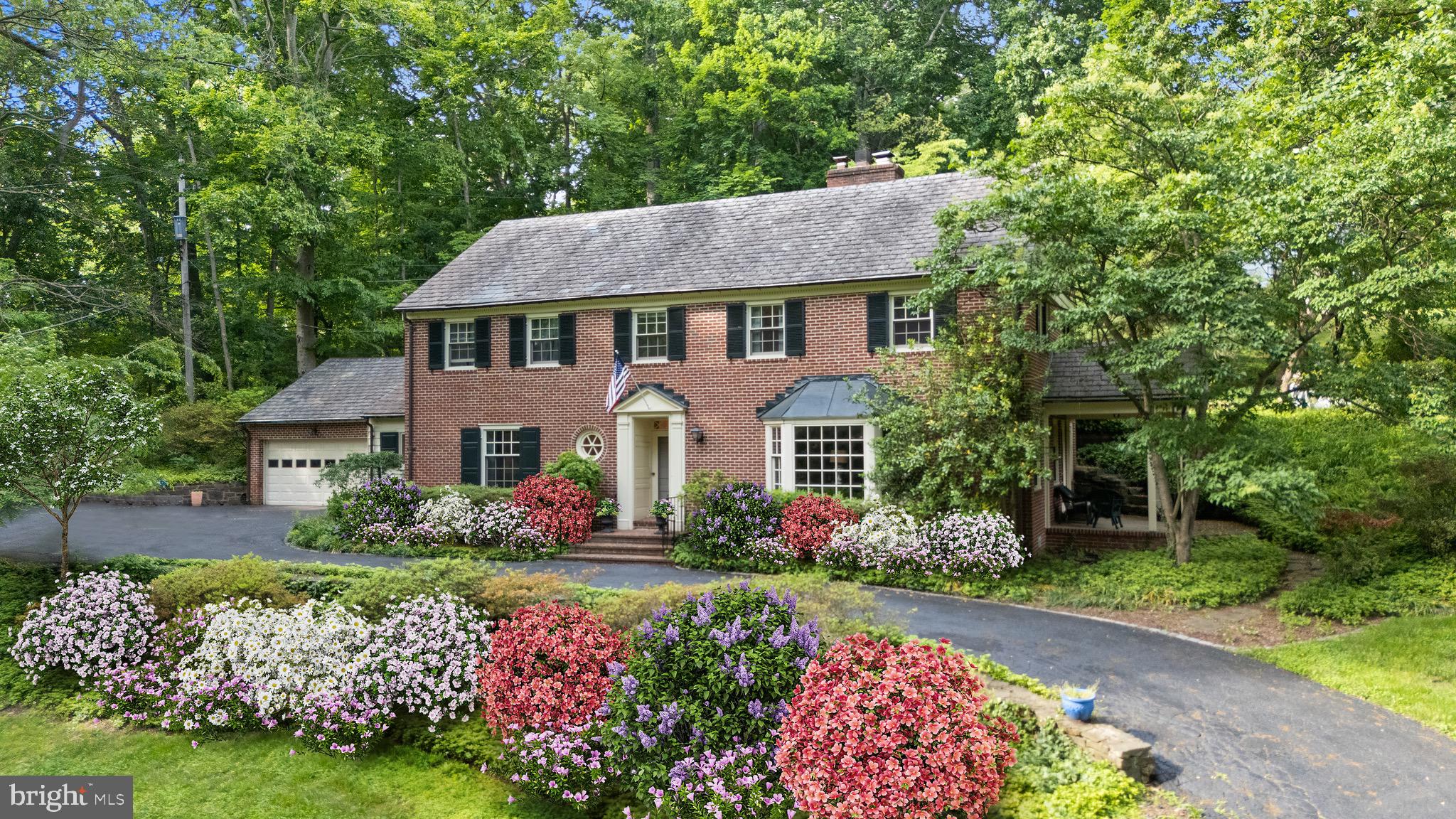
1104 MALVERN AVENUE, RUXTON, MD 21204
Sold
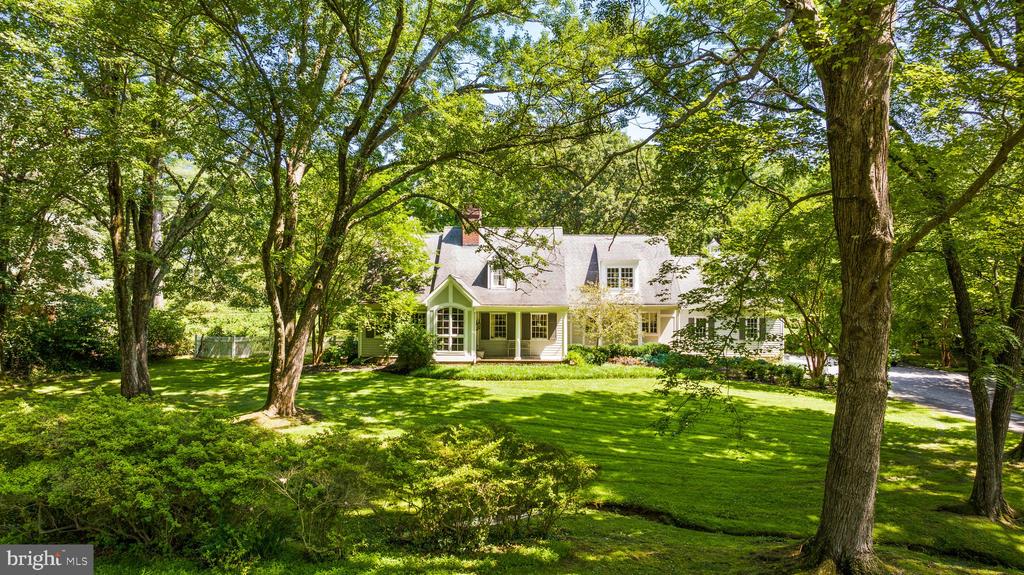
4 CHITTENDEN LANE, OWINGS MILLS, MD 21117
Sold

5 Forwood Ct, Cockeysville, MD 21030
Sold
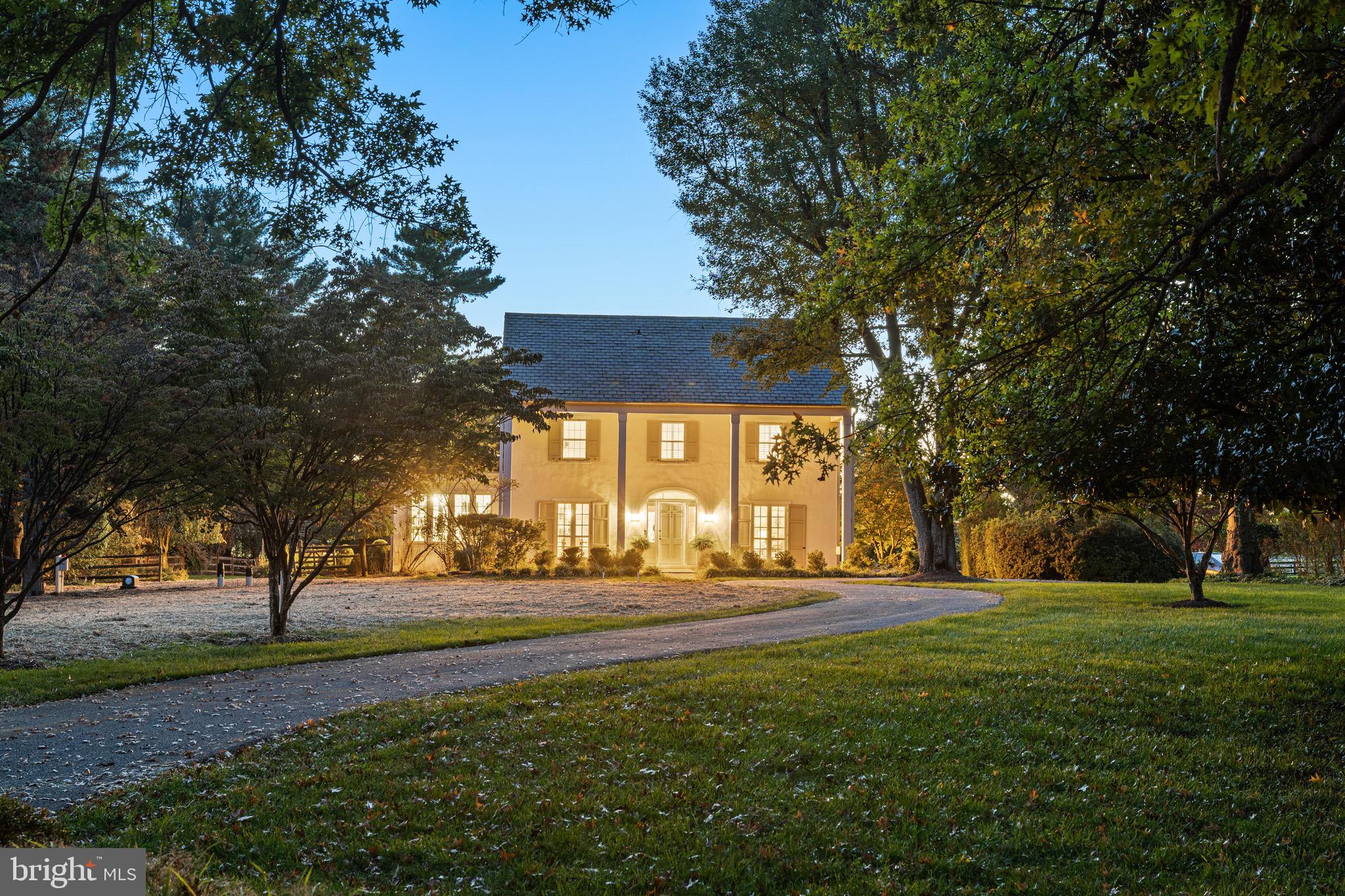
206 GARRISON FOREST ROAD, OWINGS MILLS, MD 21117
Sold

7919 Sherwood Ave, Towson, MD 21204
Sold
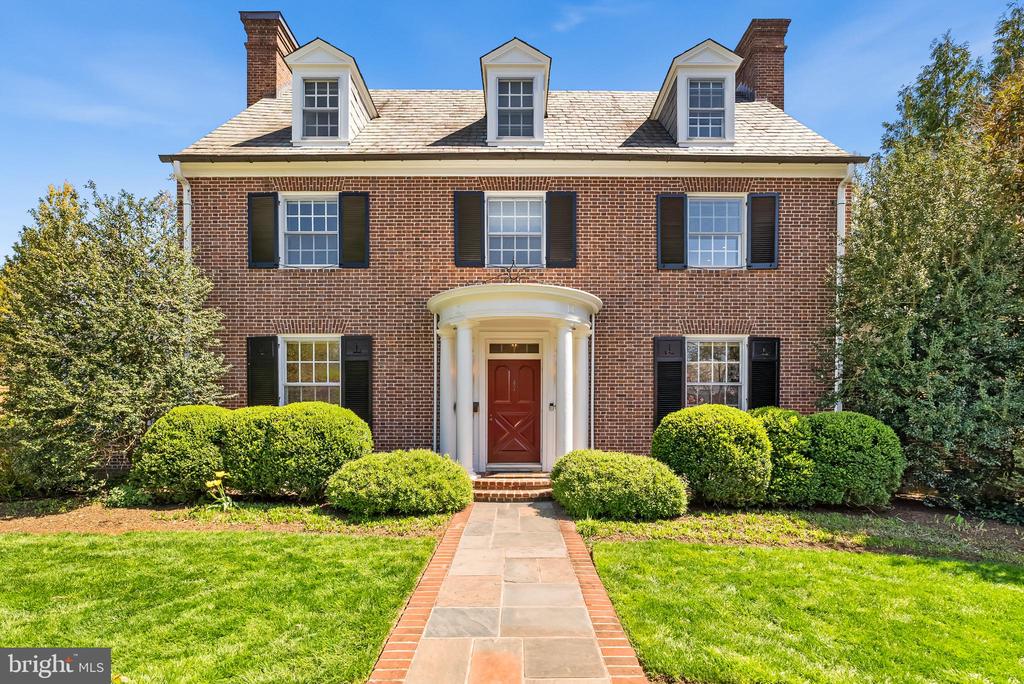
4409 BEDFORD PLACE, BALTIMORE, MD 21218
Sold
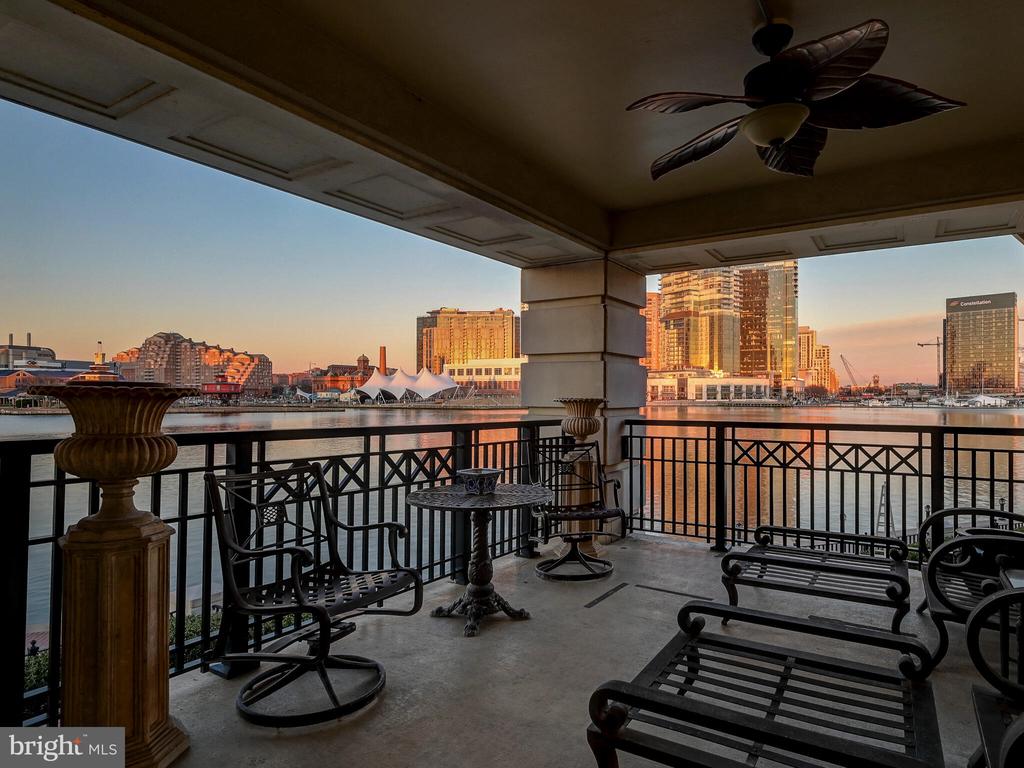
801 KEY HIGHWAY Unit: 210, BALTIMORE, MD 21230
Sold
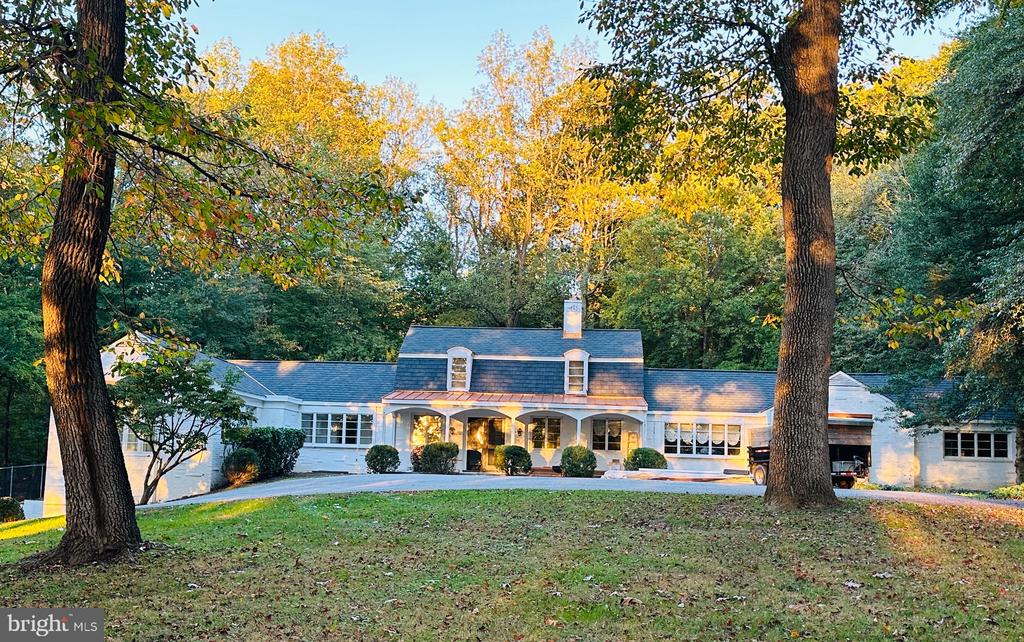
7 CAVESWOOD LANE, OWINGS MILLS, MD 21117
Sold
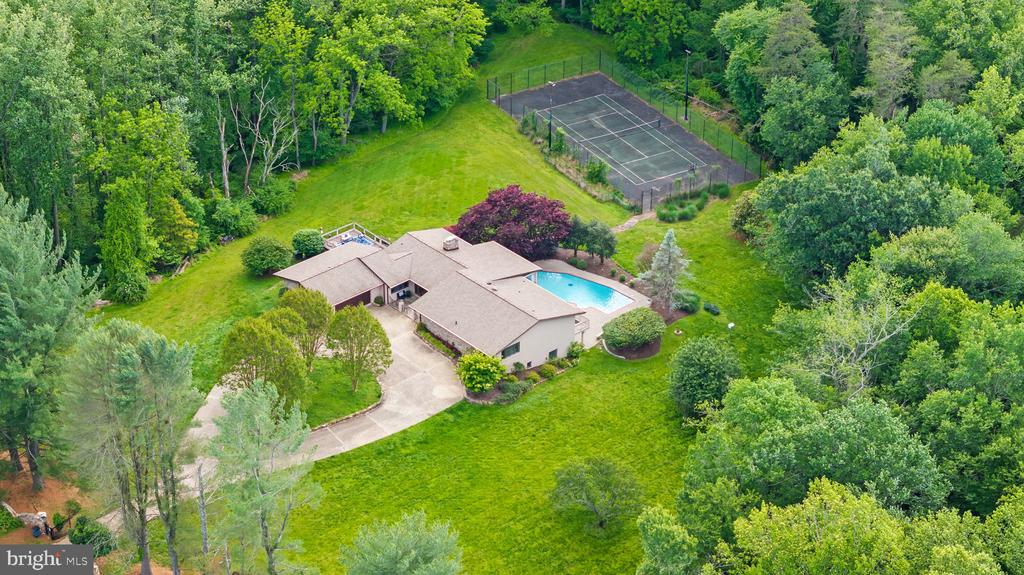
18 MANOR BROOK ROAD, MONKTON, MD 21111
Sold
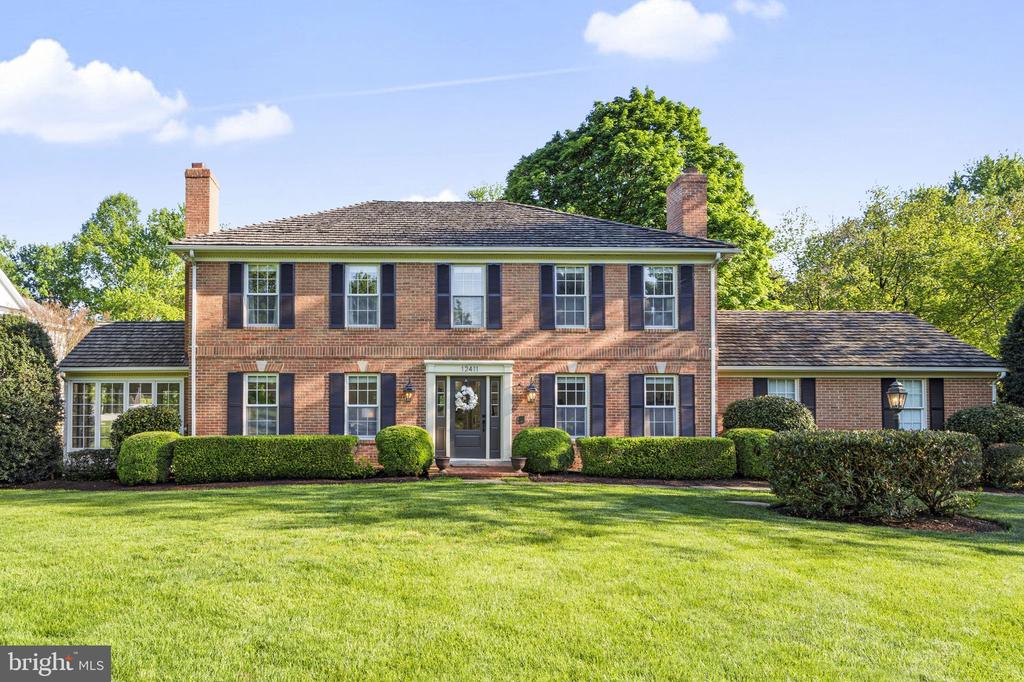
12411 PENELOPE COURT, FULTON, MD 20759
Sold
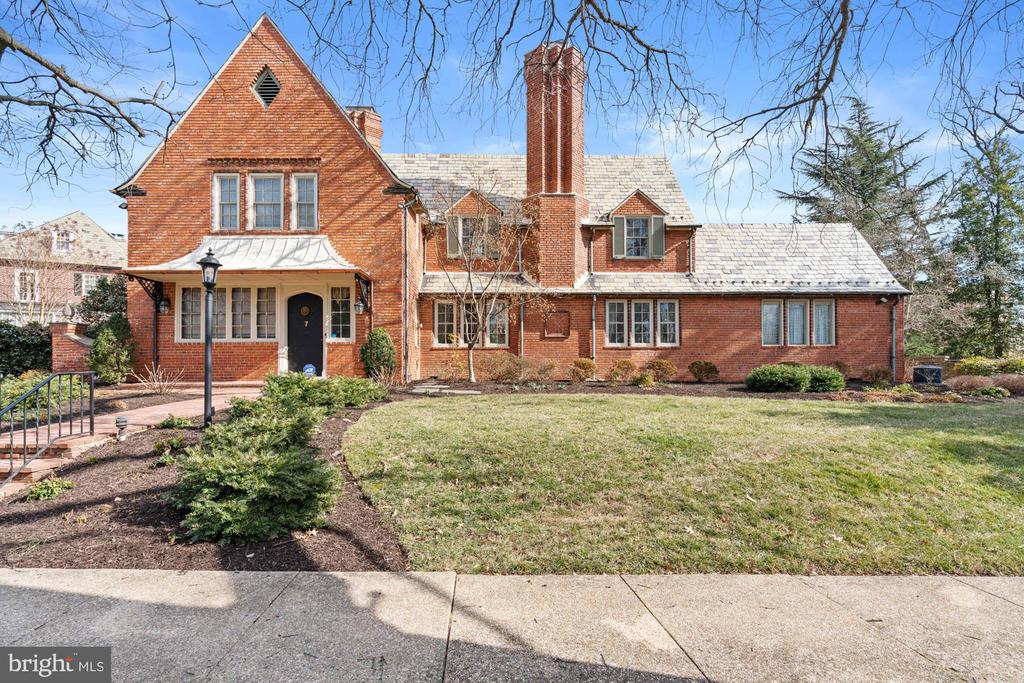
7 CHARLCOTE PLACE, BALTIMORE, MD 21218
Sold
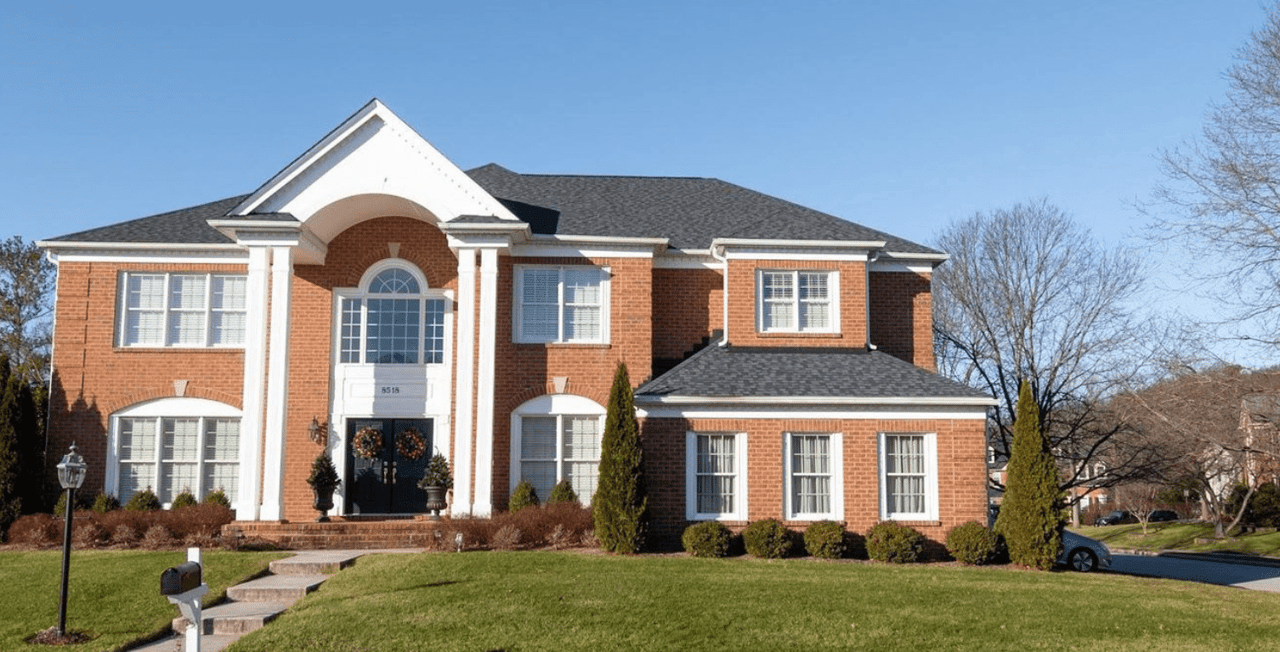
8518 Southfields Cir, Lutherville-Timonium, MD 21093
Sold

101 Market St, Annapolis, MD 21401
Sold

1000 Cold Bottom Rd, Sparks, MD 21152
Sold
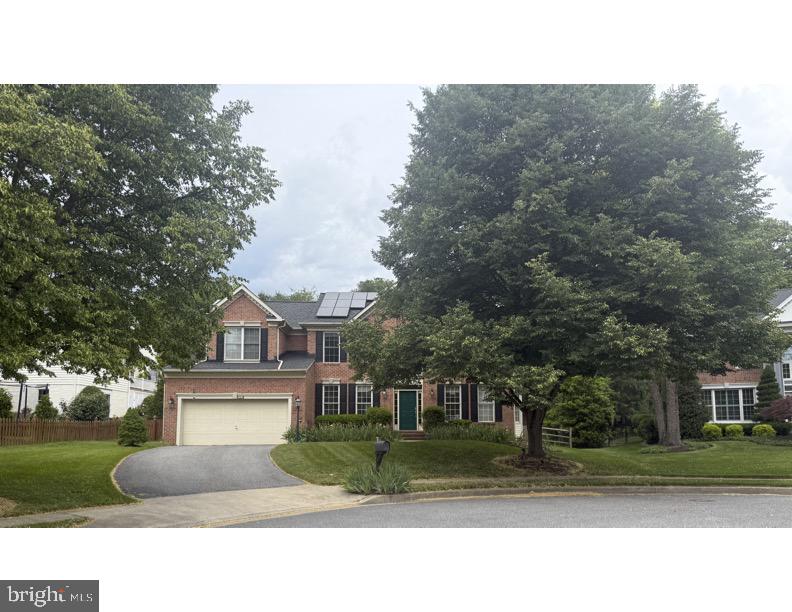
4 CRESTLEIGH PLACE, LUTHERVILLE TIMONIUM, MD 21093
Sold
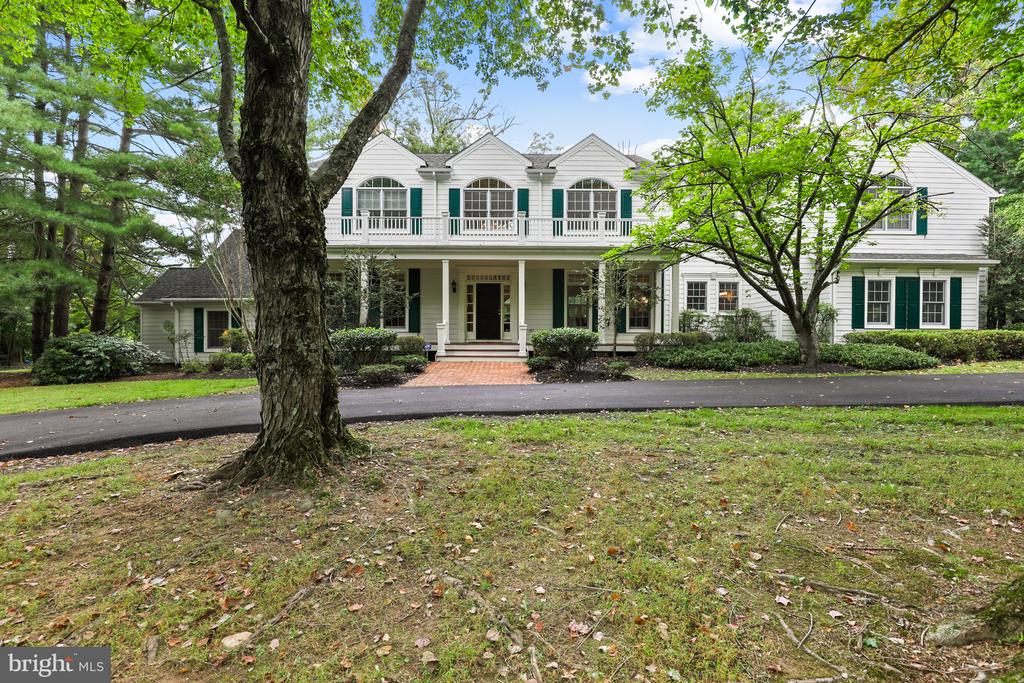
2218 CAVES ROAD, OWINGS MILLS, MD 21117
Sold
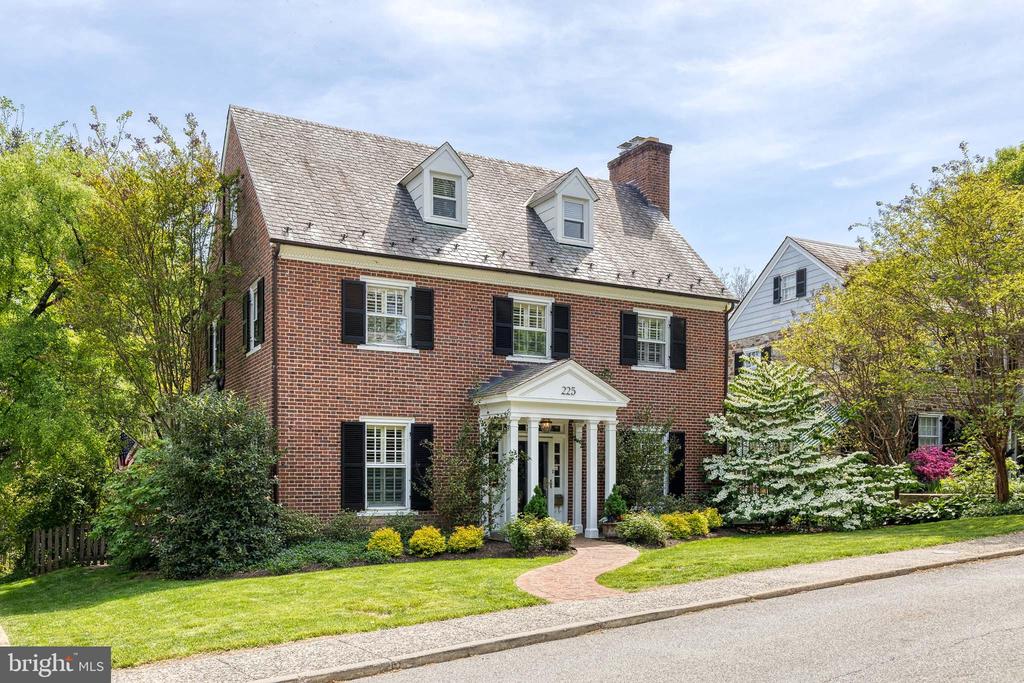
225 TUNBRIDGE ROAD, BALTIMORE, MD 21212
Sold
1330 LANCASTER STREET Unit: C603, BALTIMORE, MD 21231
Stay up to date on the latest real estate trends.