Understanding Baltimore County Transfer Tax in Worthington Valley
January 1, 2026
January 1, 2026
Selling or buying in Worthington Valley and wondering why your settlement statement includes both transfer and recordation taxes? You are not alone. These line items can meaningfully change your net proceeds or cash to close, especially at estate price points common in 21117. In this guide, you will learn what these taxes are, how they are typically allocated in Baltimore County, how to estimate them, and how to plan ahead with confidence. Let’s dive in.
Transfer and recordation taxes serve different purposes. Transfer tax is tied to the change in property ownership and is usually based on the sale price or consideration. Recordation tax is assessed when instruments are recorded in the county land records, most commonly your new mortgage.
In practice, both are collected at settlement. The title company or settlement attorney calculates them, remits them to the State and County, and lists them as separate line items on your Closing Disclosure.
You will see these on your Closing Disclosure as clearly labeled line items, commonly as State Transfer Tax, County Transfer Tax, State Recordation Tax, County Recordation Tax, and recording fees. The title company will total the State and County portions and show who is paying which amount based on the contract.
Recording and deed fees are also listed, typically as flat amounts per instrument or per page. These are separate from the taxes themselves.
In many Maryland residential transactions, sellers customarily pay the transfer taxes tied to the conveyance. Buyers typically pay recordation tax associated with recording the buyer’s mortgage, along with loan-related recording fees.
That said, these are customs, not rules. Everything is negotiable and should be spelled out in your Purchase and Sale Agreement. On higher-value or estate-scale deals, it is common to split certain taxes or trade concessions to reach better overall terms.
The math is straightforward once you have the rates and tax bases.
Formulas you will use:
Local totals are the sum of the state component plus the county component. Your title company will compute the combined amount due for each.
The following examples are for education only. Rates and allocations can change. Always verify current rates and who pays in your contract with the Maryland Comptroller, Baltimore County, and your title company before relying on any estimate.
Assumptions for both scenarios:
Transfer taxes on the sale price of 1,500,000 dollars:
Buyer recordation on a 1,125,000 dollar mortgage:
Closing impact:
Transfer taxes on the sale price of 1,500,000 dollars:
Buyer mortgage recordation remains approximately 16,975 to 17,175 dollars including fees.
Closing impact:
Notes on these examples:
Estate-scale transactions in Worthington Valley benefit from precise planning. Here is a simple process to avoid surprises:
Some transactions may qualify for exemptions or reduced treatment. Confirm with your title company whether any of the following apply:
Exemptions are specific and documentation driven. Your title company will advise what qualifies and what evidence is required.
A clear strategy can improve outcomes for both sides:
Transfer and recordation taxes sit alongside other closing items. Expect the title company to present a complete statement such as:
Separating these categories helps you see exactly how taxes affect your bottom line.
If you are planning to sell an estate property or make a significant purchase in 21117, thoughtful tax planning belongs at the start of your process. A clear view of transfer and recordation taxes will help you negotiate, budget, and move with confidence.
If you would like a customized net sheet or cash-to-close plan based on your target price and financing, connect with The Batoff Group. Our advisory-first approach, legal and negotiation background, and local settlement relationships help you model the numbers before you commit. Request a Complimentary Market Consultation with The Batoff Group.
Explore our past transactions.
Sold
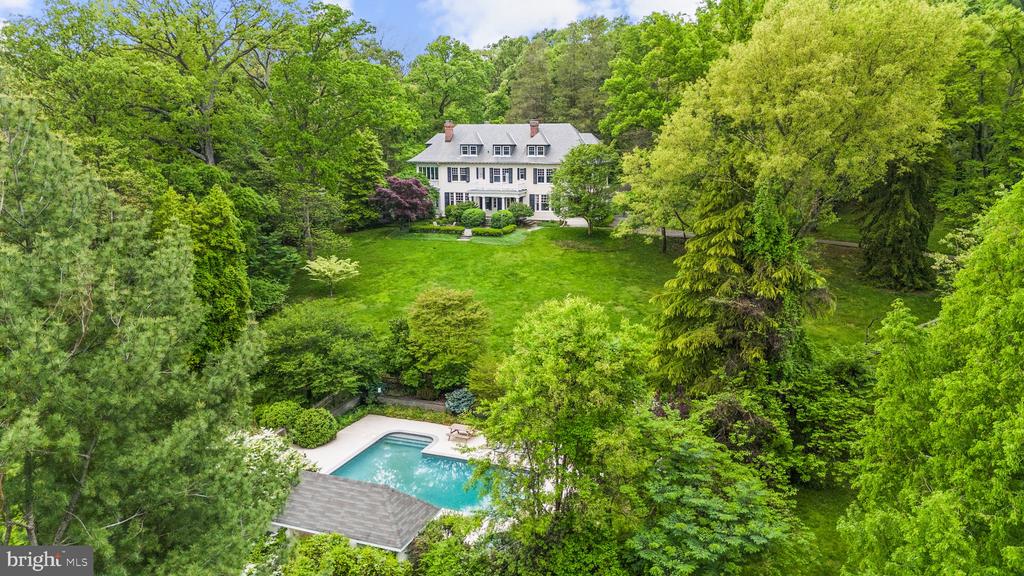
10600 PARK HEIGHTS AVENUE, OWINGS MILLS, MD 21117
Sold
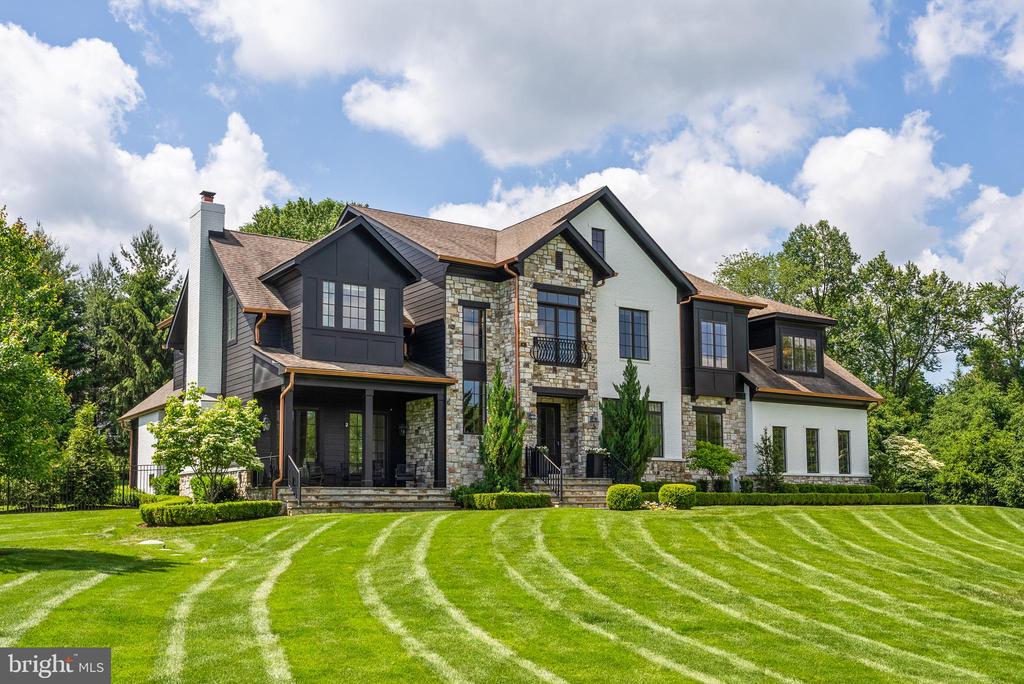
12220 WORTHINGTON ROAD, OWINGS MILLS, MD 21117
Sold
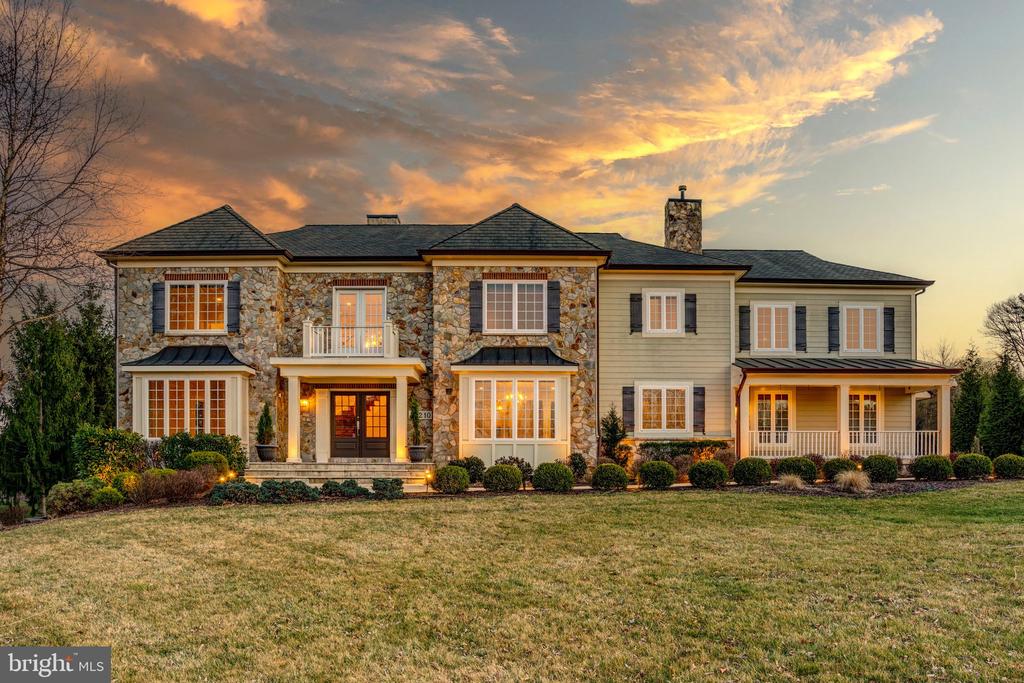
12210 WORTHINGTON, OWINGS MILLS, MD 21117
Sold
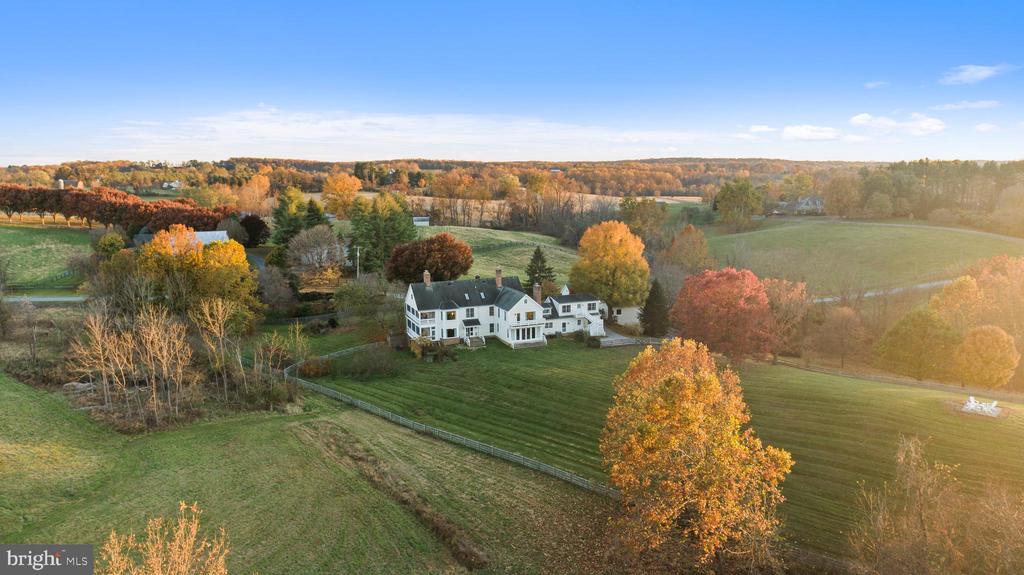
2310 GADD ROAD, COCKEYSVILLE, MD 21030
Sold
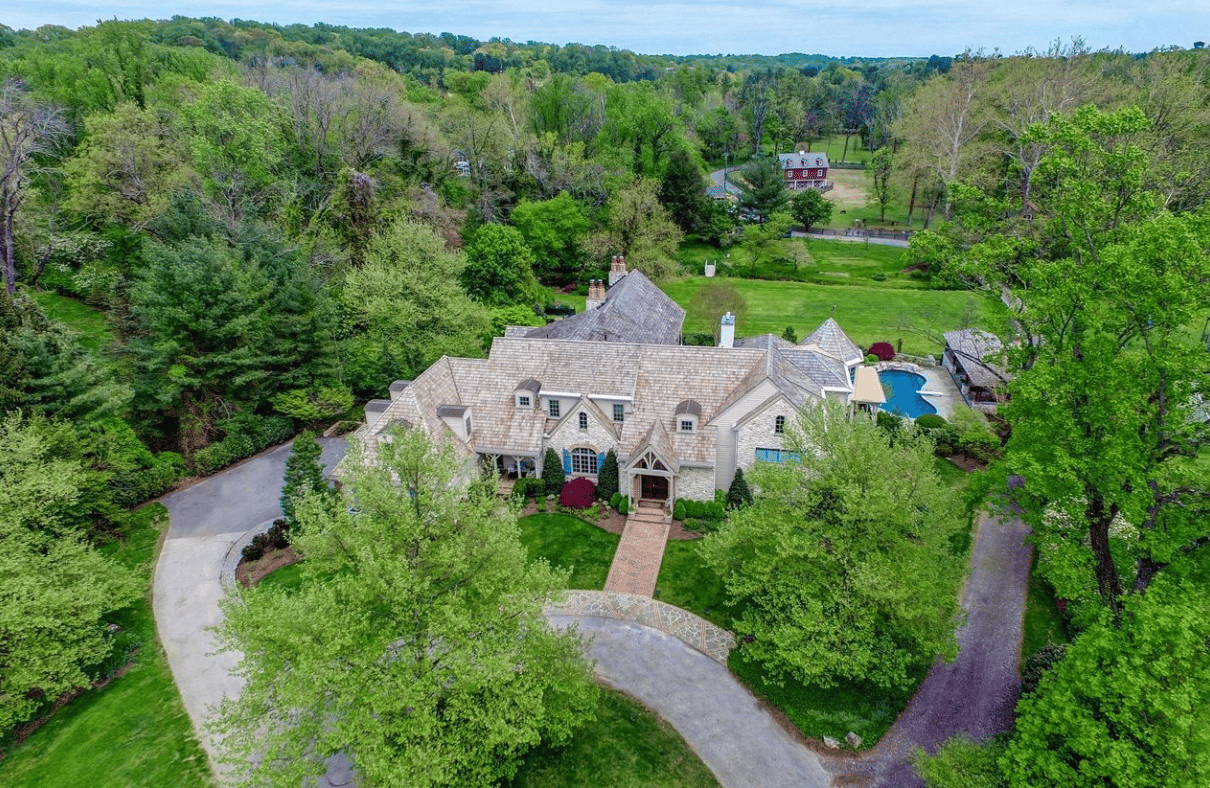
10807 Greenspring Ave, Lutherville-Timonium, MD 21093
Sold
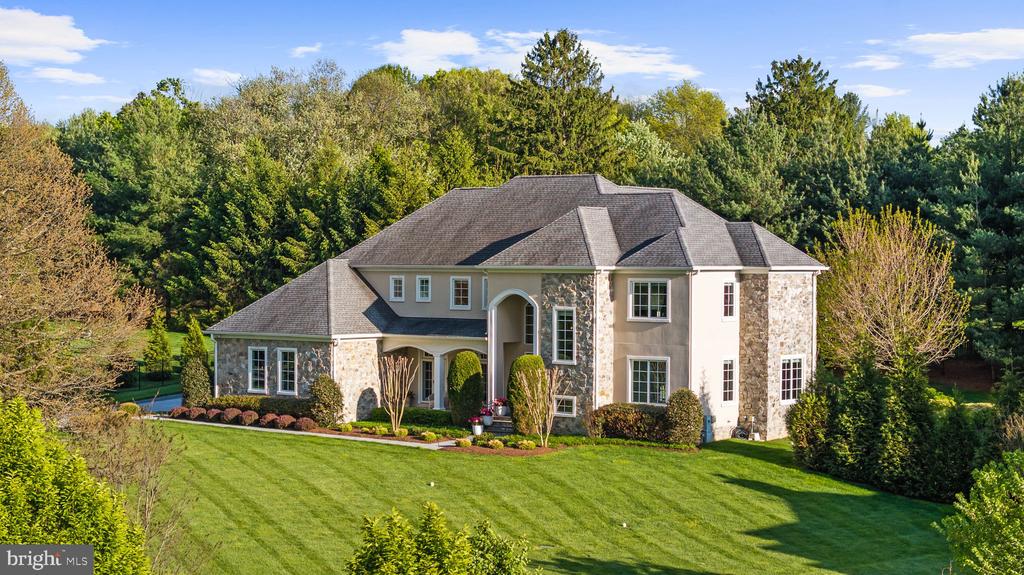
12222 WORTHINGTON ROAD, OWINGS MILLS, MD 21117
Sold
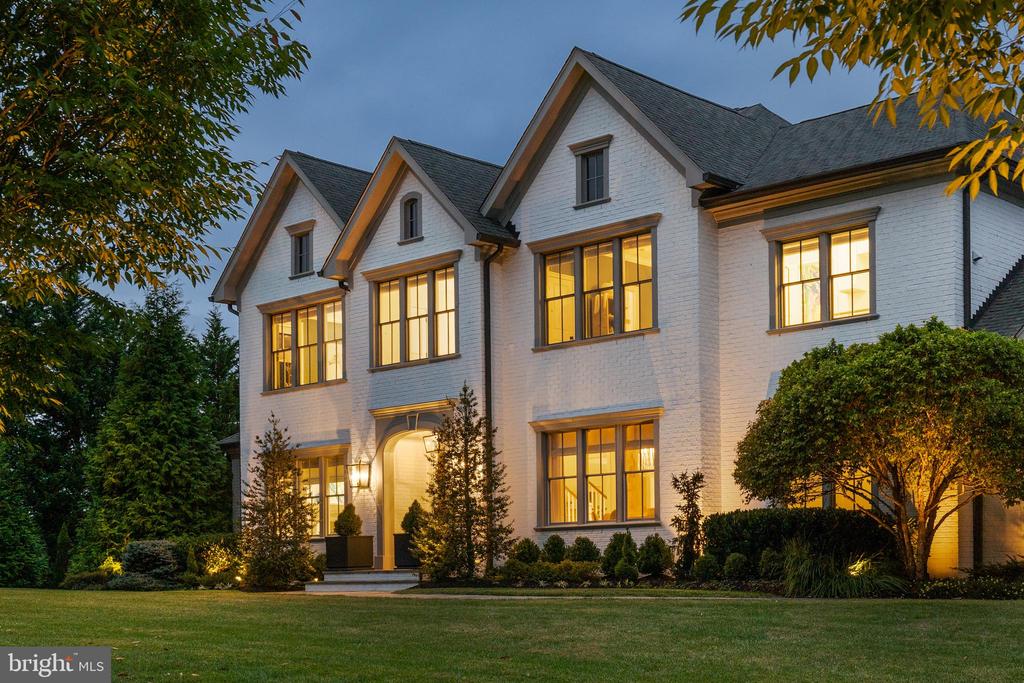
12211 WORTHINGTON ROAD, OWINGS MILLS, MD 21117
Sold

3112 W Golf Course Rd, Owings Mills, MD 21117
Sold

11129 Falls Rd, Lutherville Timonium, MD 21093
Sold

800 HILLSTEAD DRIVE, LUTHERVILLE TIMONIUM, MD 21093
Sold
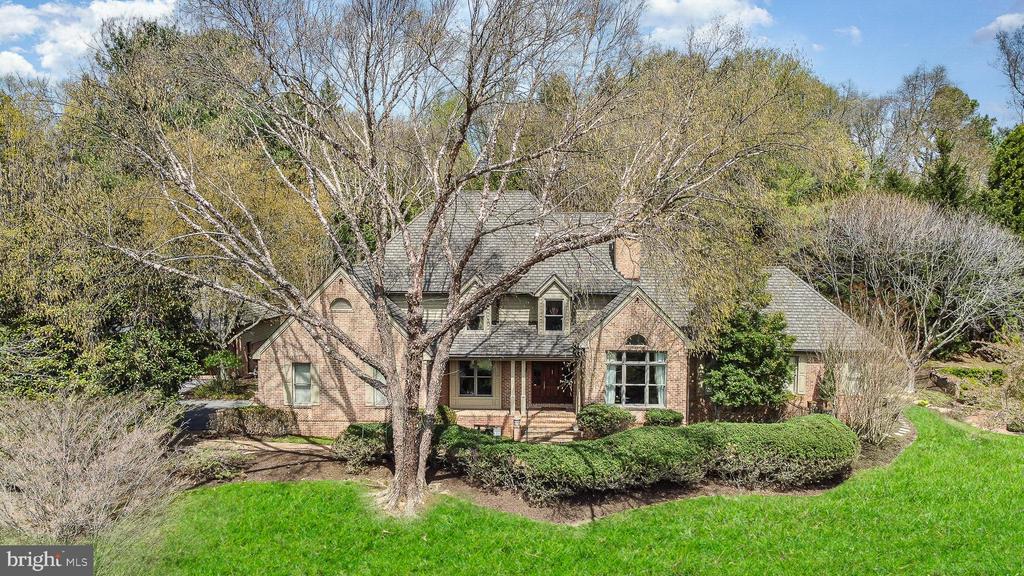
1308 MUSGROVE ROAD, LUTHERVILLE TIMONIUM, MD 21093
Sold
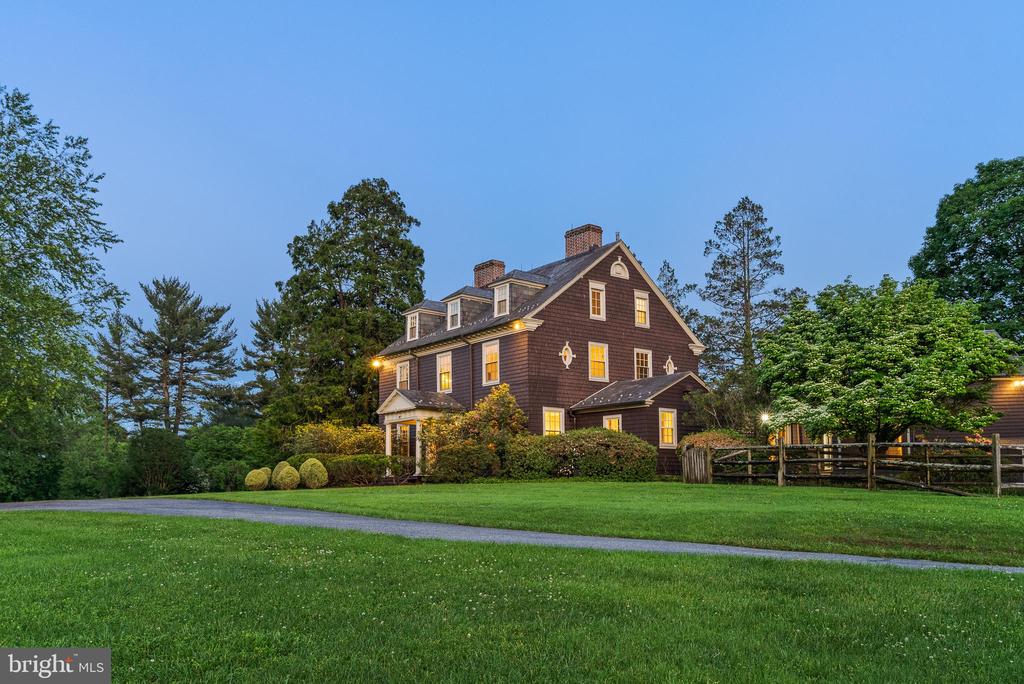
4006 STEWART ROAD, STEVENSON, MD 21153
Sold

15315 Carroll Rd, Monkton, MD 21111
Sold
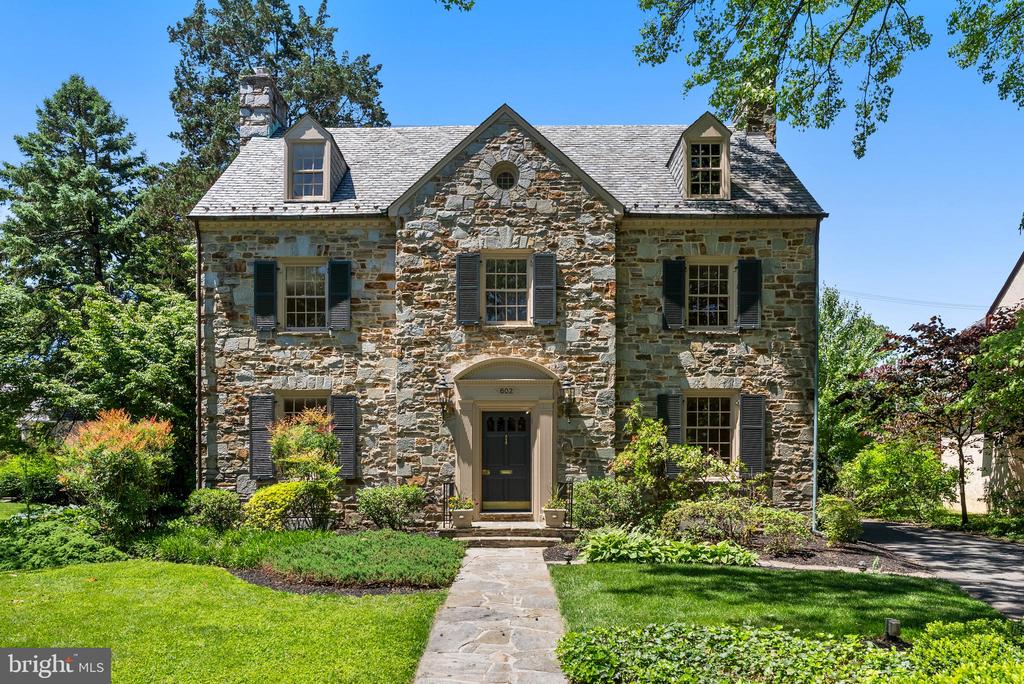
602 STONELEIGH ROAD, BALTIMORE, MD 21212
Sold

6401-A Murray Hill Rd, Baltimore, MD 21212
Sold

303 Goodwood Gdns, Baltimore, MD 21210
Sold
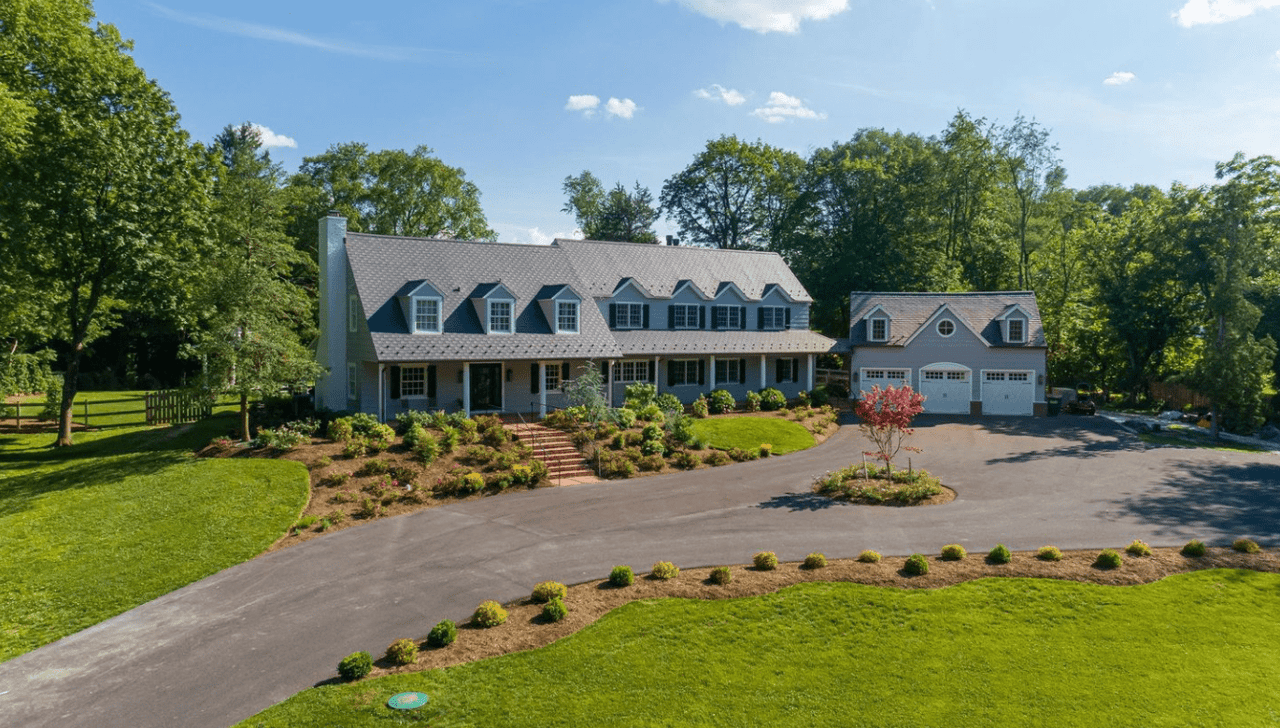
1840 Greenspring Valley Rd , Owings Mills, MD 21117
Sold
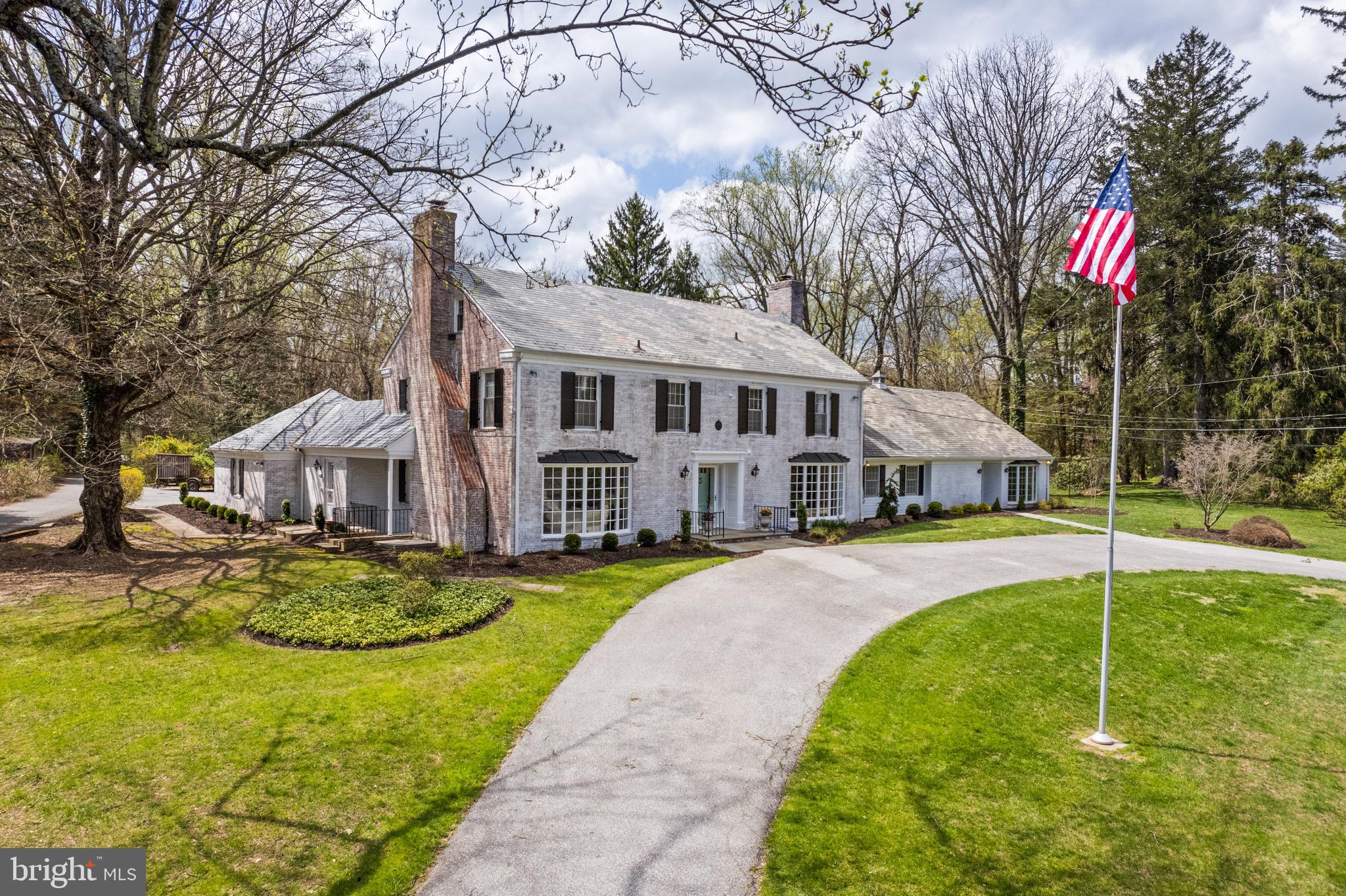
7505 LHIRONDELLE CLUB ROAD, TOWSON, MD 21204
Sold

6510 Chantilly Dr, Sykesville, MD 21784
Sold

1510 SEMINARY AVENUE W, LUTHERVILLE TIMONIUM, MD 21093
Sold

7 BROOKSTONE COURT, LUTHERVILLE TIMONIUM, MD 21093
Sold
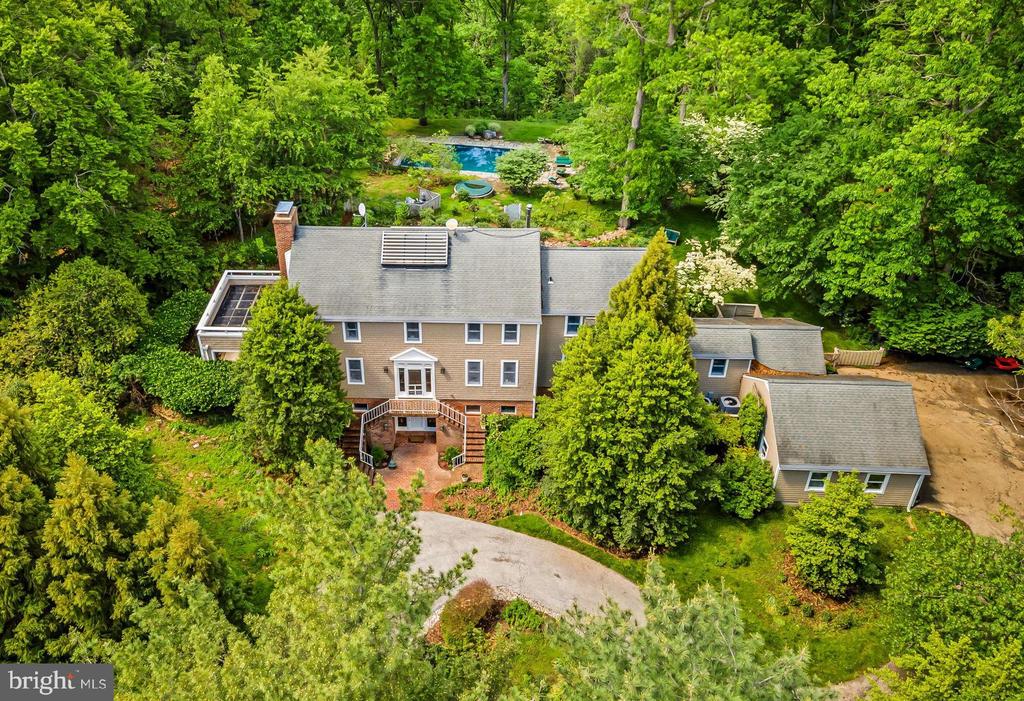
831 HILLSIDE ROAD, LUTHERVILLE TIMONIUM, MD 21093
Sold

714 #2 Western Run Rd, Cockeysville, MD 21030
Sold
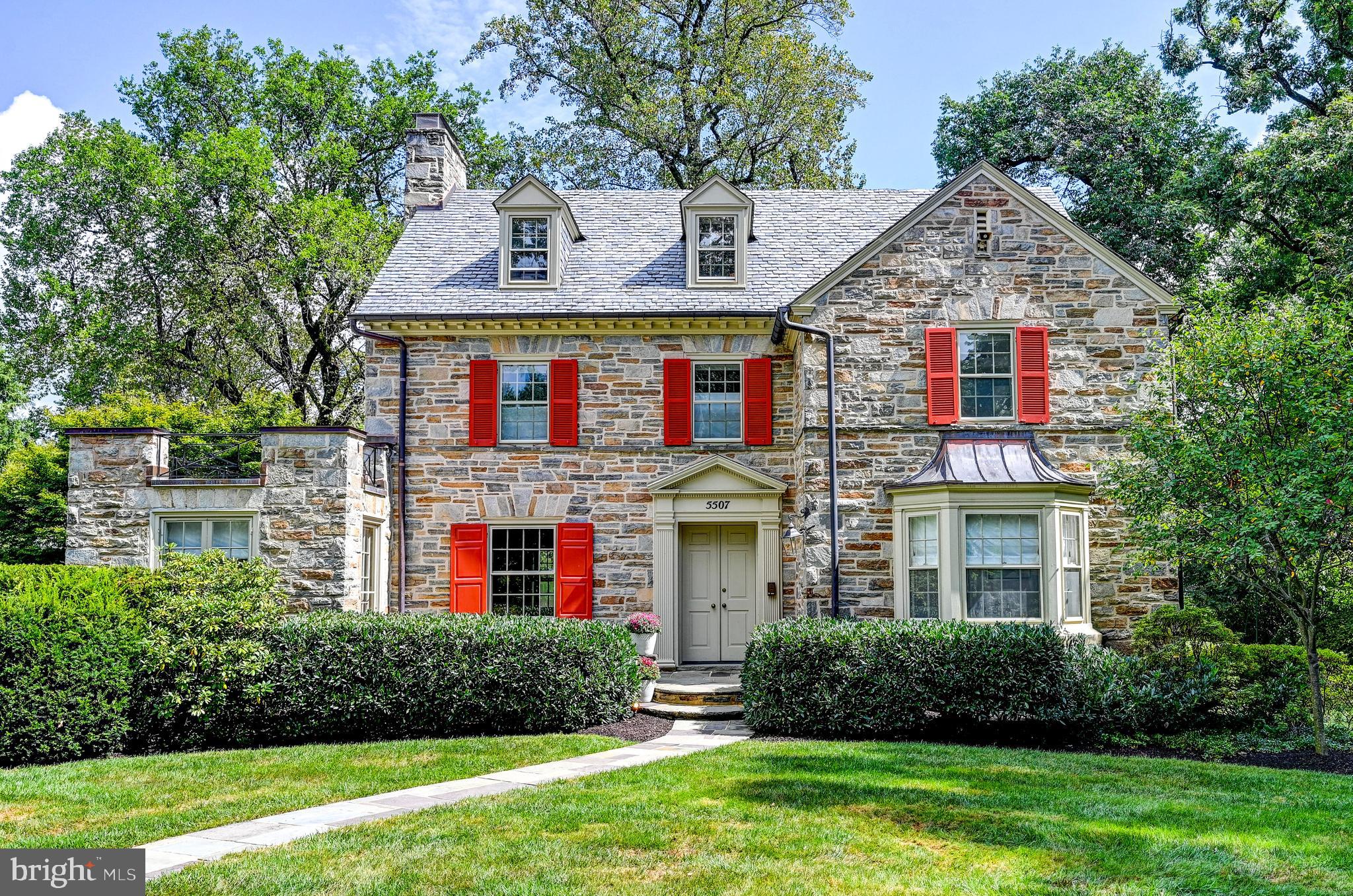
5507 SAINT ALBANS WAY, BALTIMORE, MD 21212
Sold

2919 CAVES ROAD, OWINGS MILLS, MD 21117
Sold
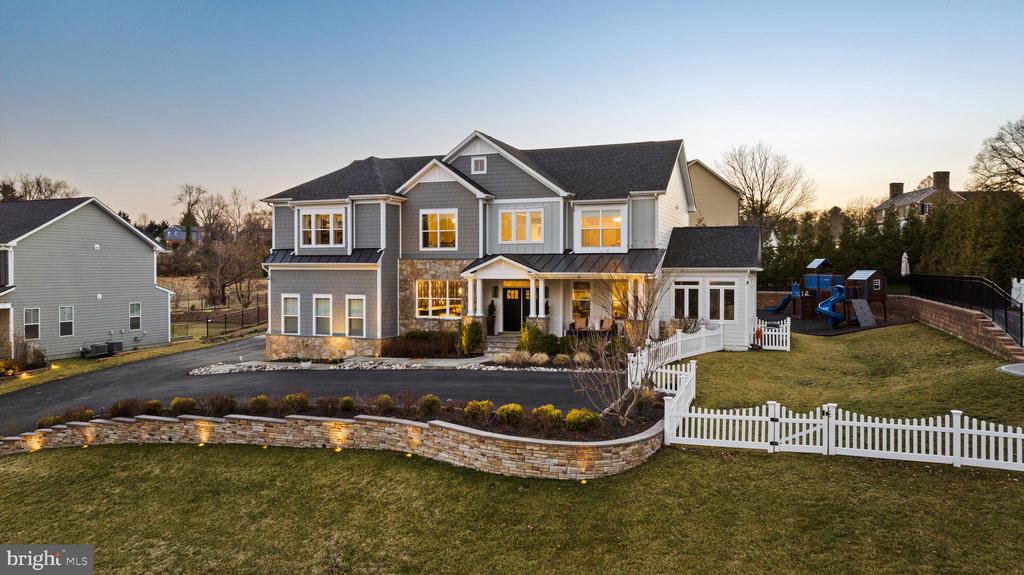
1107 COWPENS AVENUE, TOWSON, MD 21286
Sold
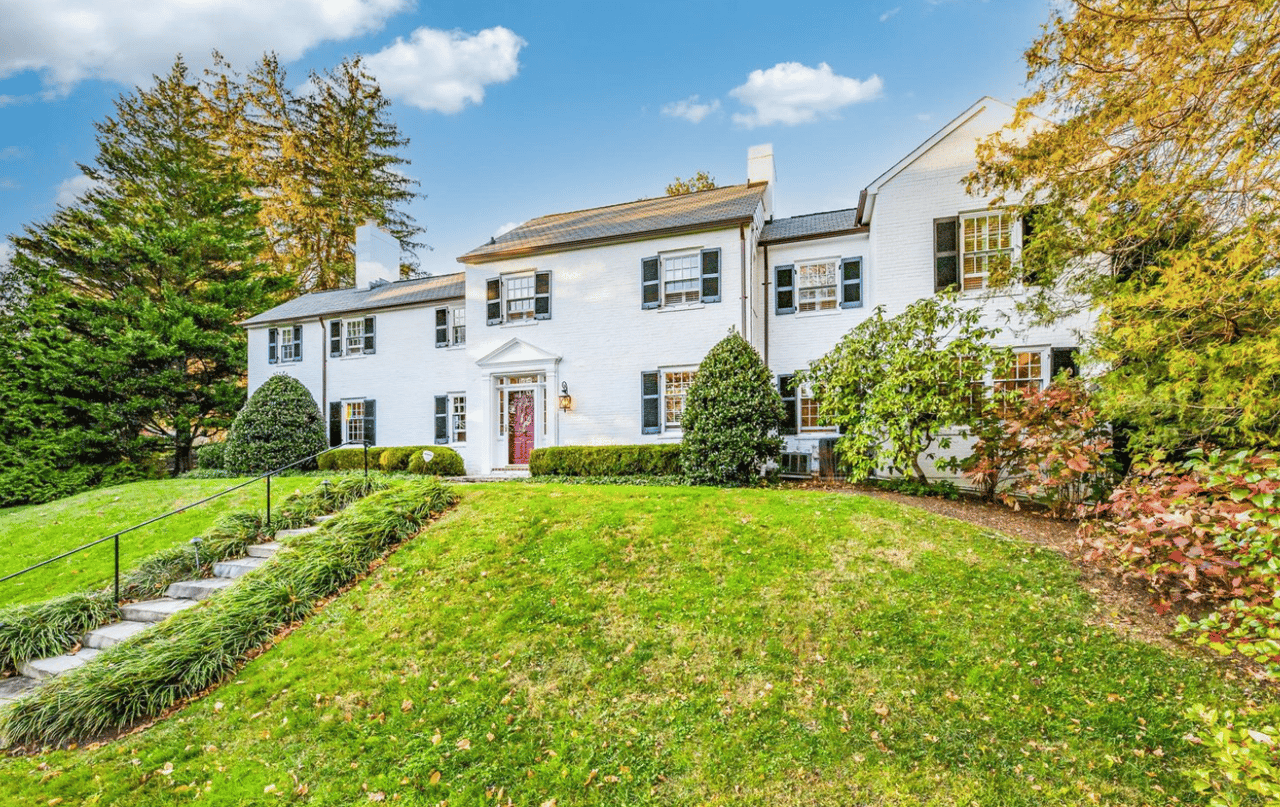
1406 Malvern Ave , Baltimore, MD 21204
Sold
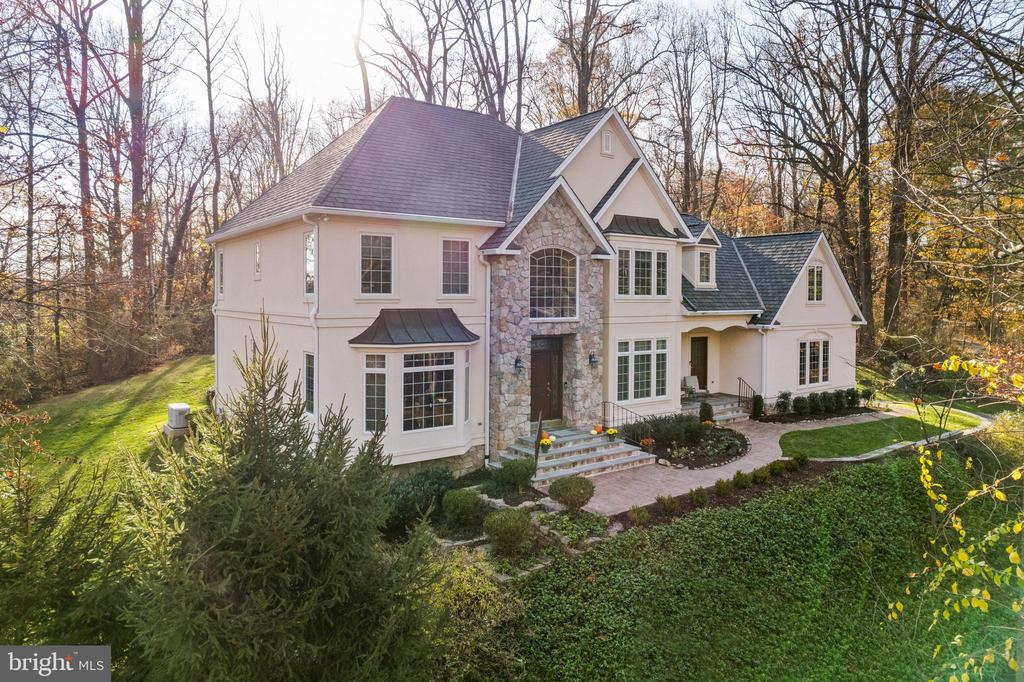
2101 OUR LANE, STEVENSON, MD 21153
Sold
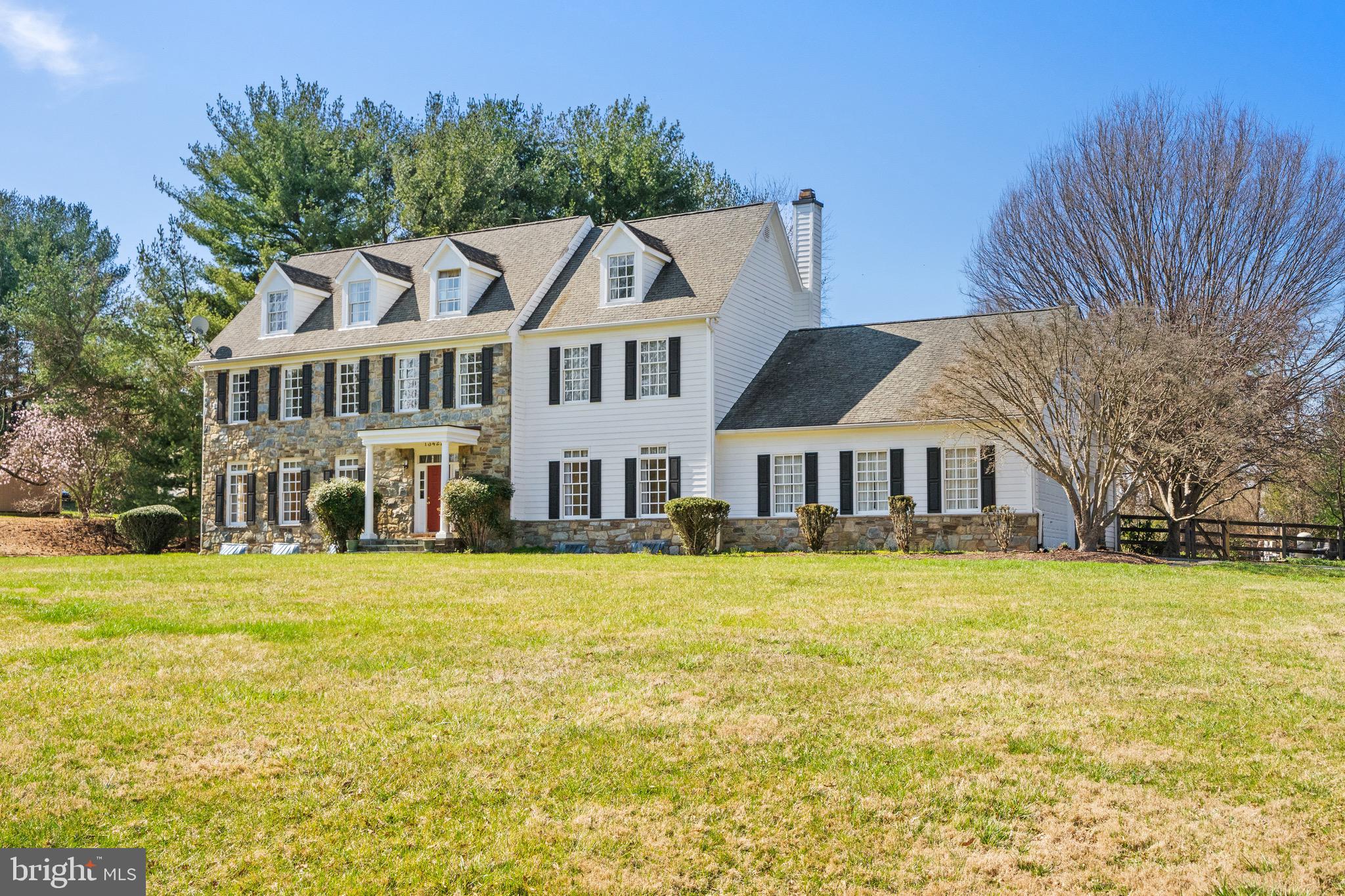
13422 QUERY MILL ROAD, NORTH POTOMAC, MD 20878
Sold

4201 Greenway, Baltimore, MD 21218
Sold

1724 Hillside Rd, Stevenson, MD 21153
Sold

105 Millbrook Rd, Baltimore, MD 21218
Sold
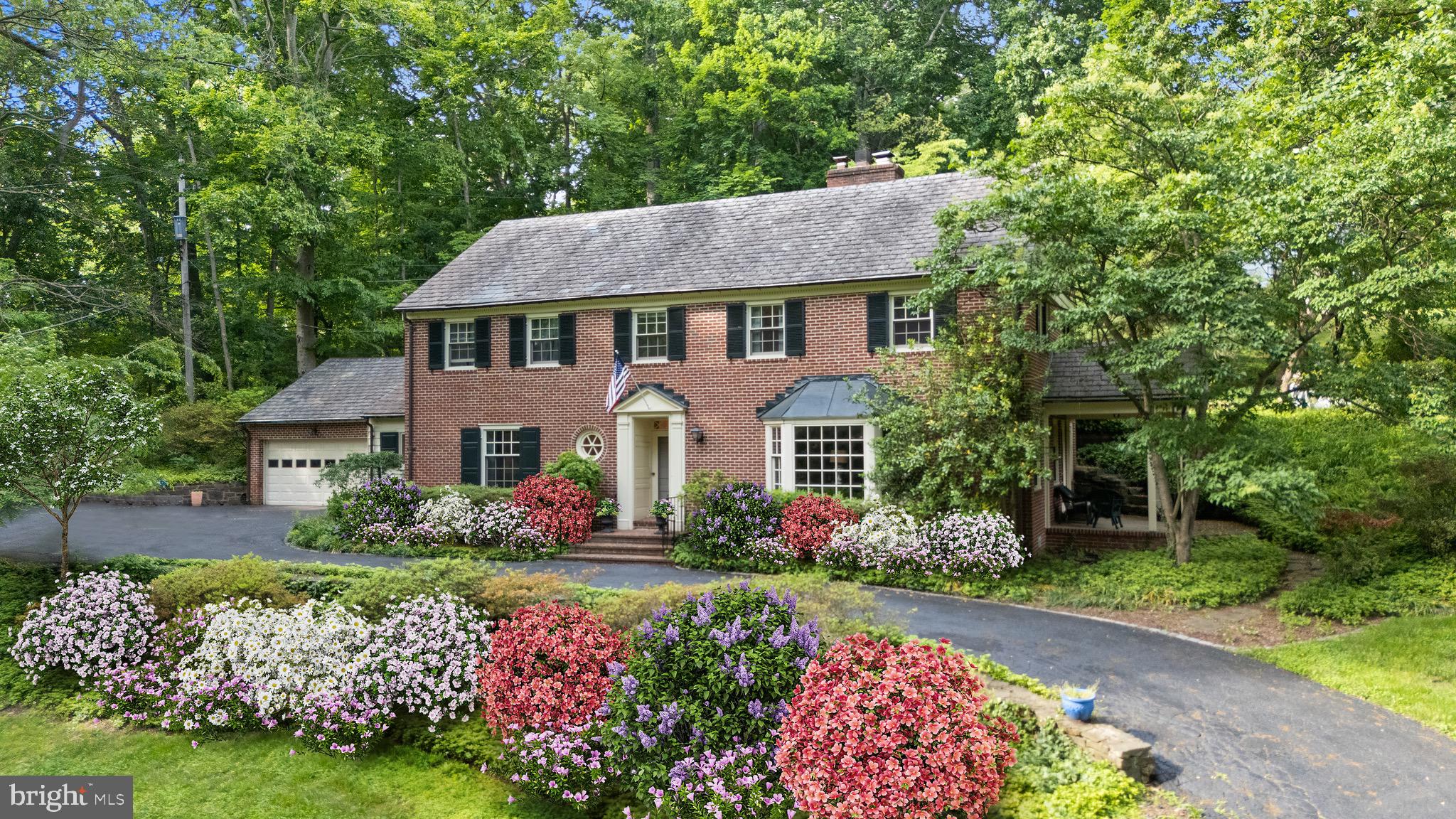
1104 MALVERN AVENUE, RUXTON, MD 21204
Sold
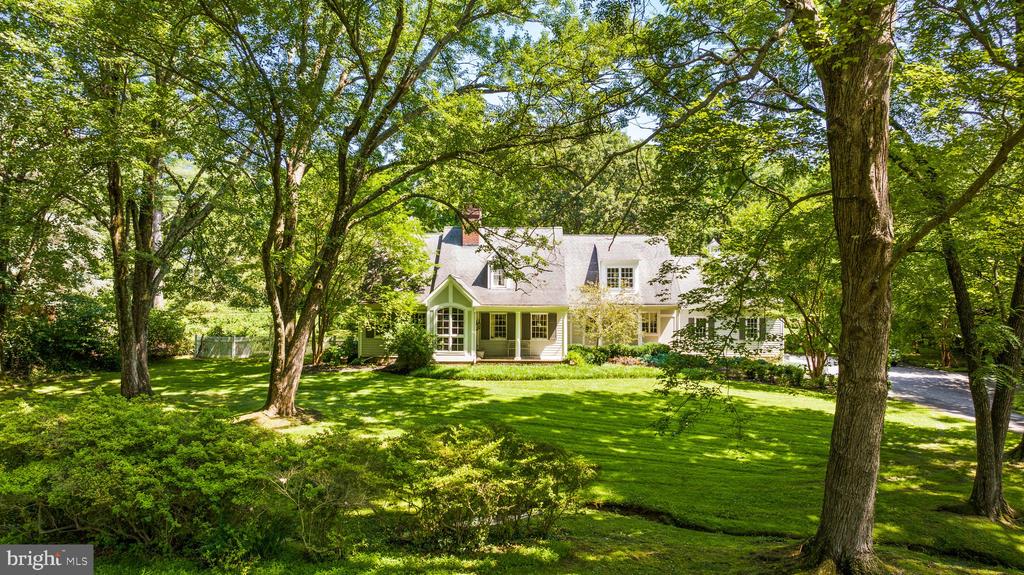
4 CHITTENDEN LANE, OWINGS MILLS, MD 21117
Sold

5 Forwood Ct, Cockeysville, MD 21030
Sold
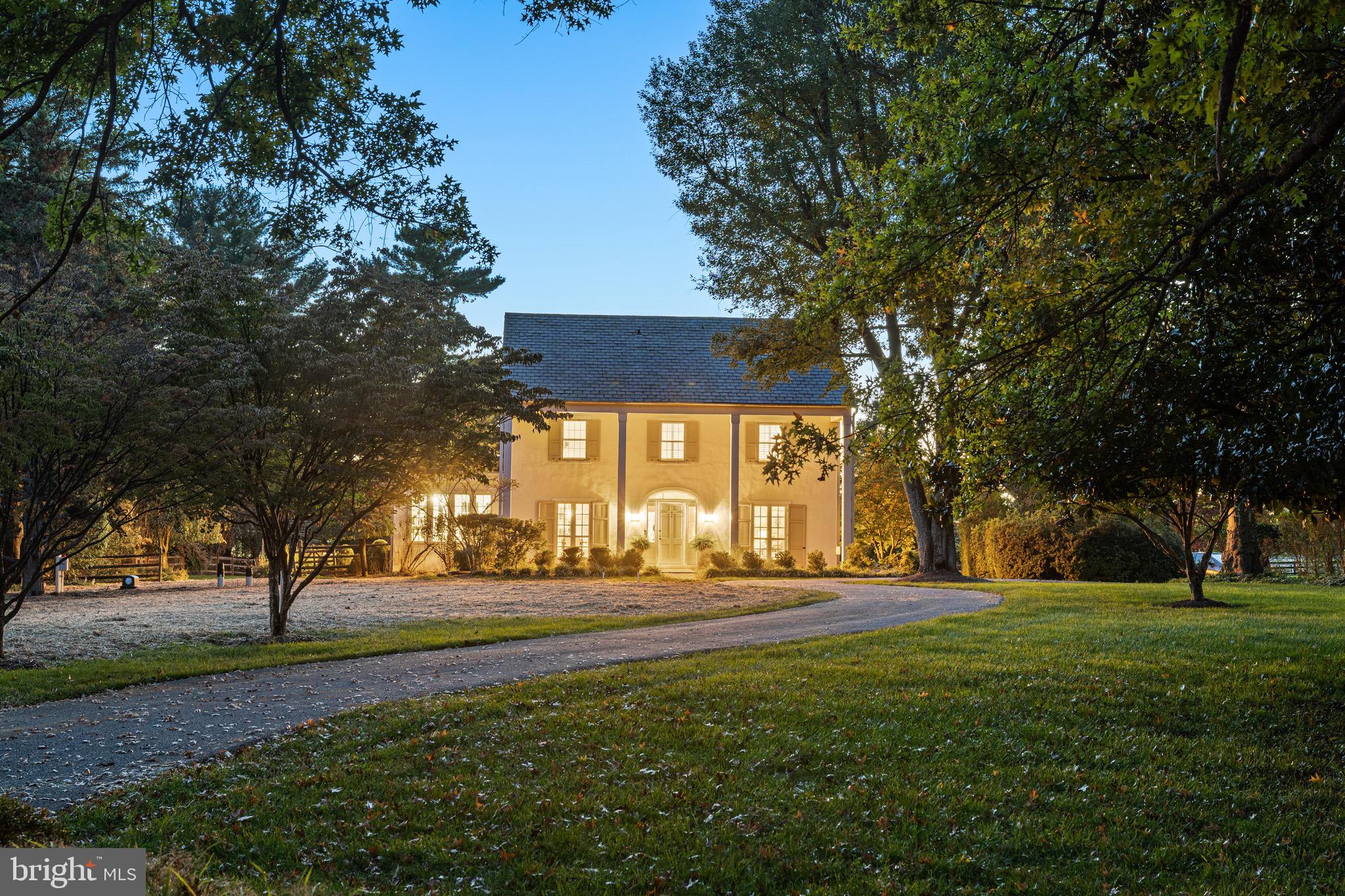
206 GARRISON FOREST ROAD, OWINGS MILLS, MD 21117
Sold

7919 Sherwood Ave, Towson, MD 21204
Sold
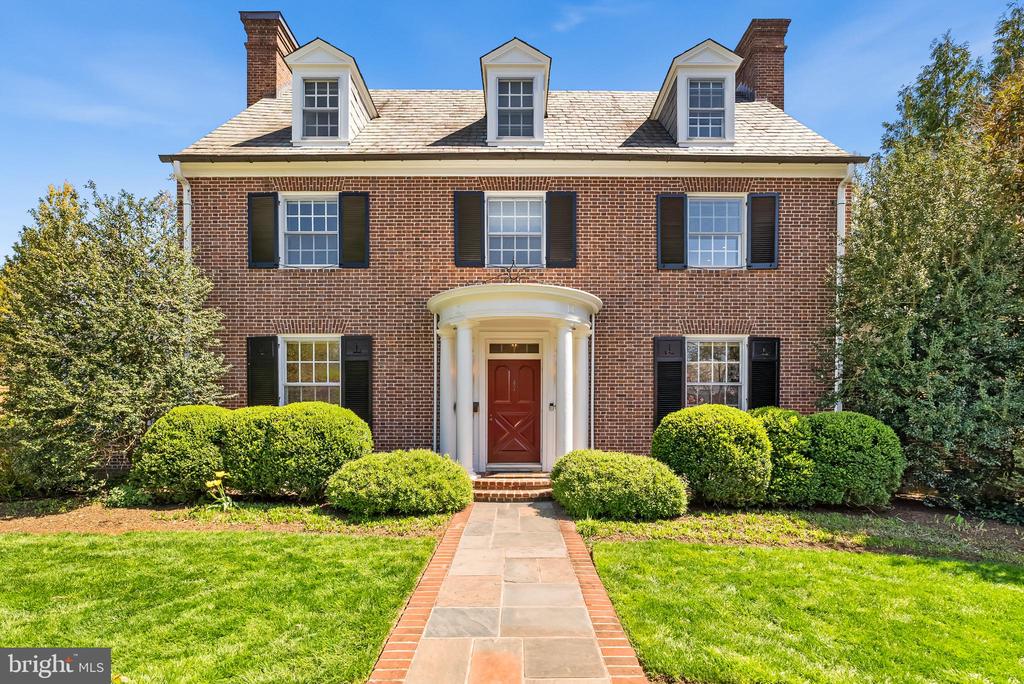
4409 BEDFORD PLACE, BALTIMORE, MD 21218
Sold
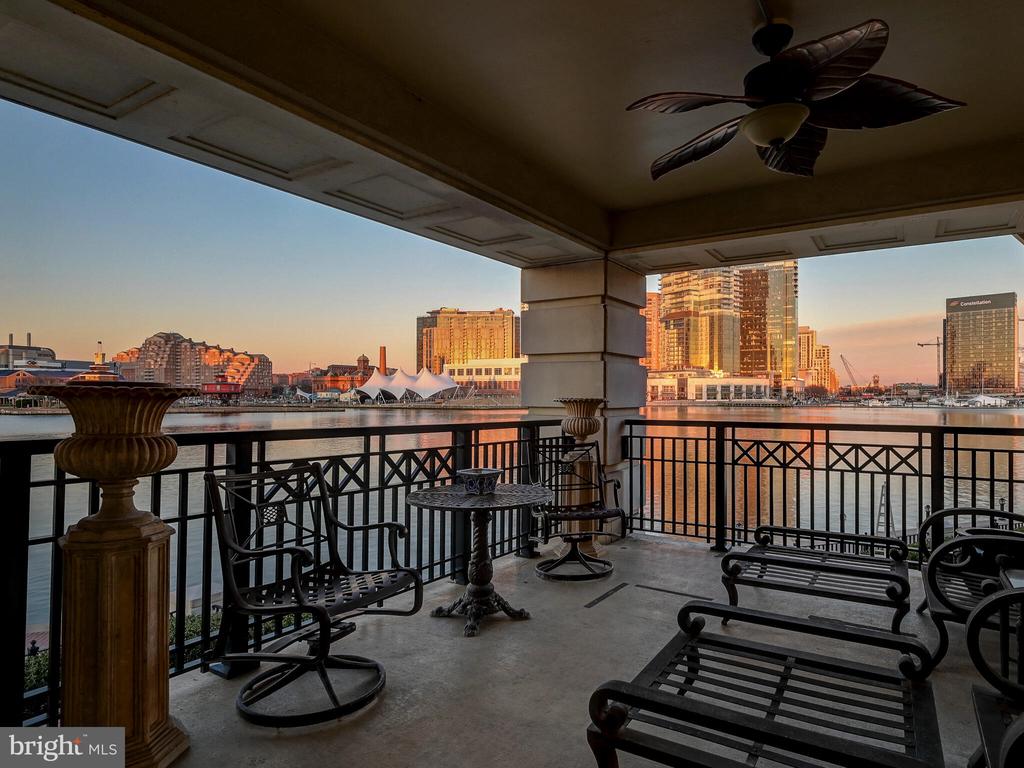
801 KEY HIGHWAY Unit: 210, BALTIMORE, MD 21230
Sold
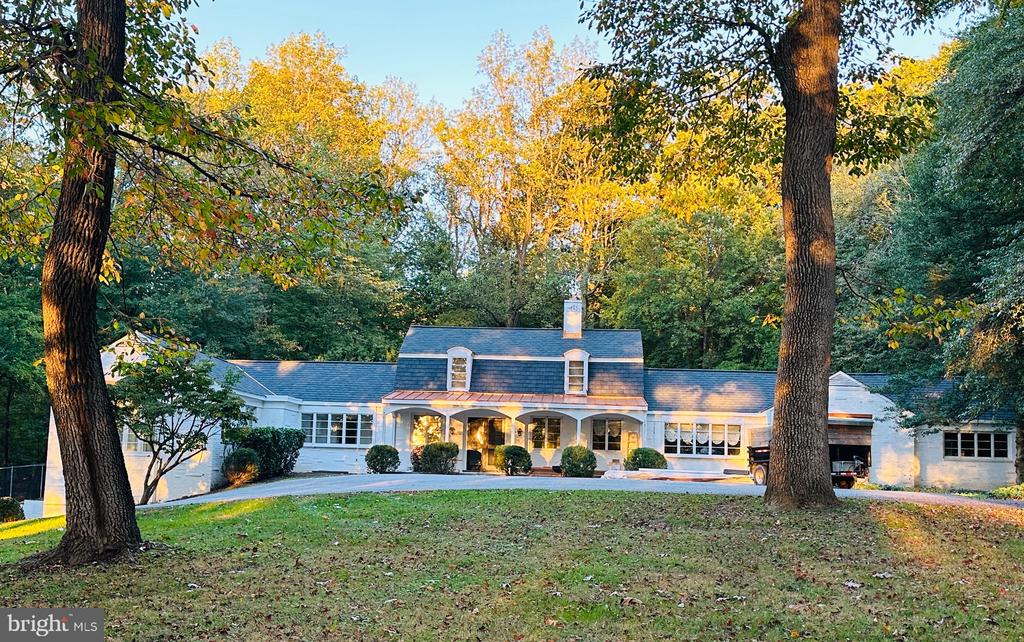
7 CAVESWOOD LANE, OWINGS MILLS, MD 21117
Sold
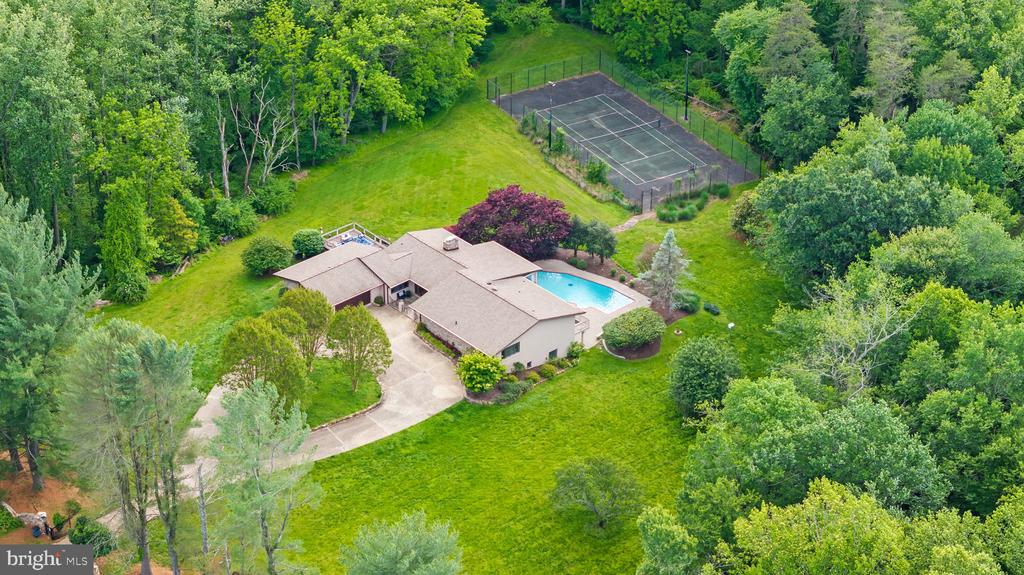
18 MANOR BROOK ROAD, MONKTON, MD 21111
Sold
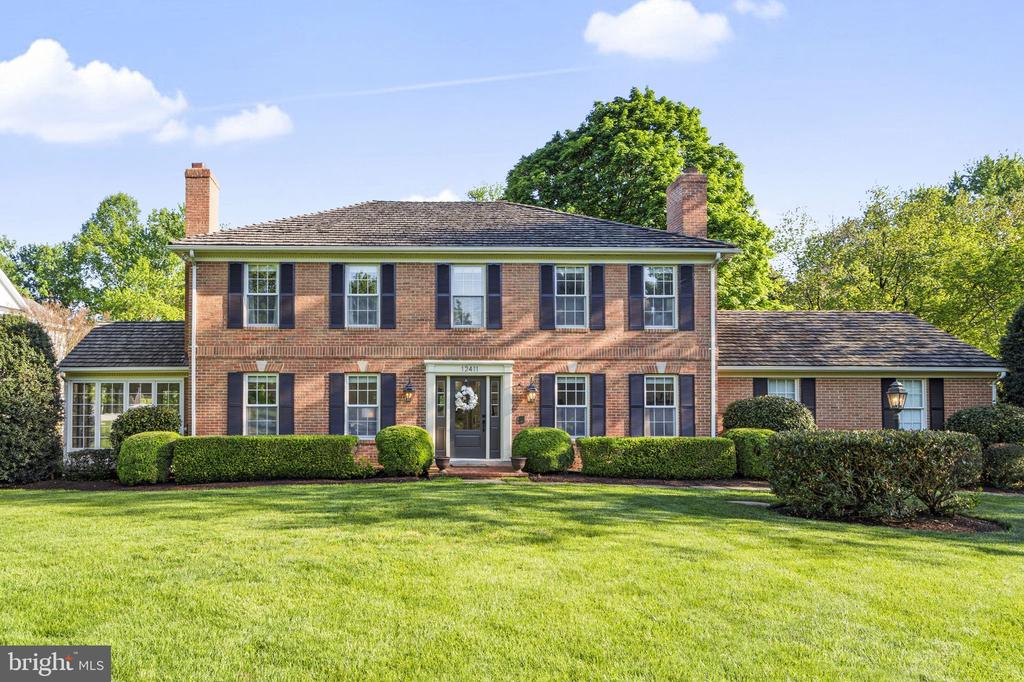
12411 PENELOPE COURT, FULTON, MD 20759
Sold
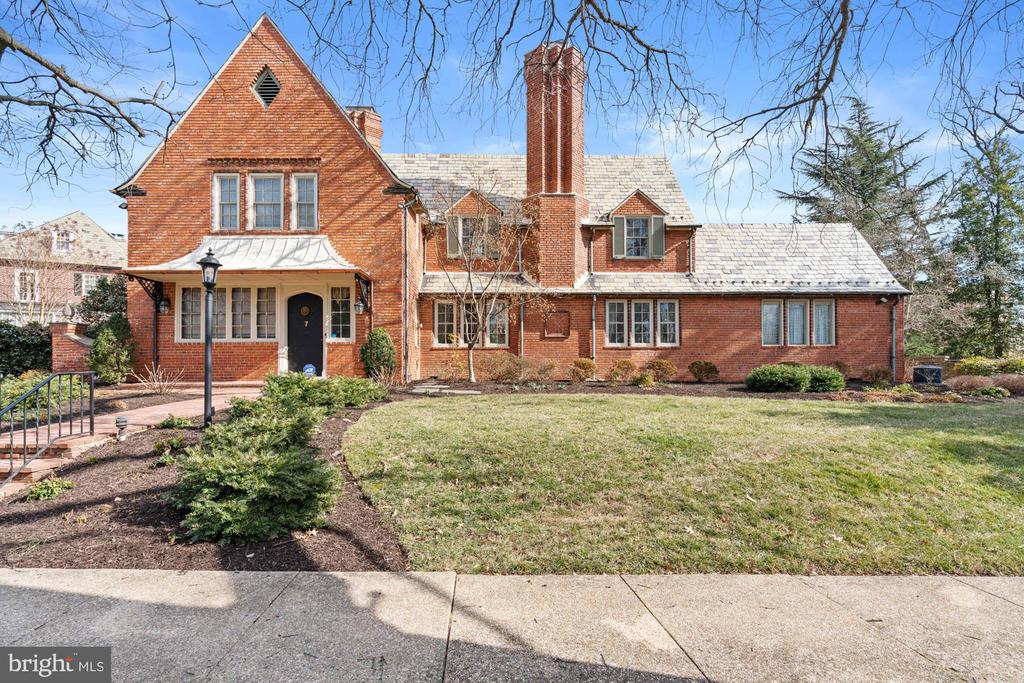
7 CHARLCOTE PLACE, BALTIMORE, MD 21218
Sold
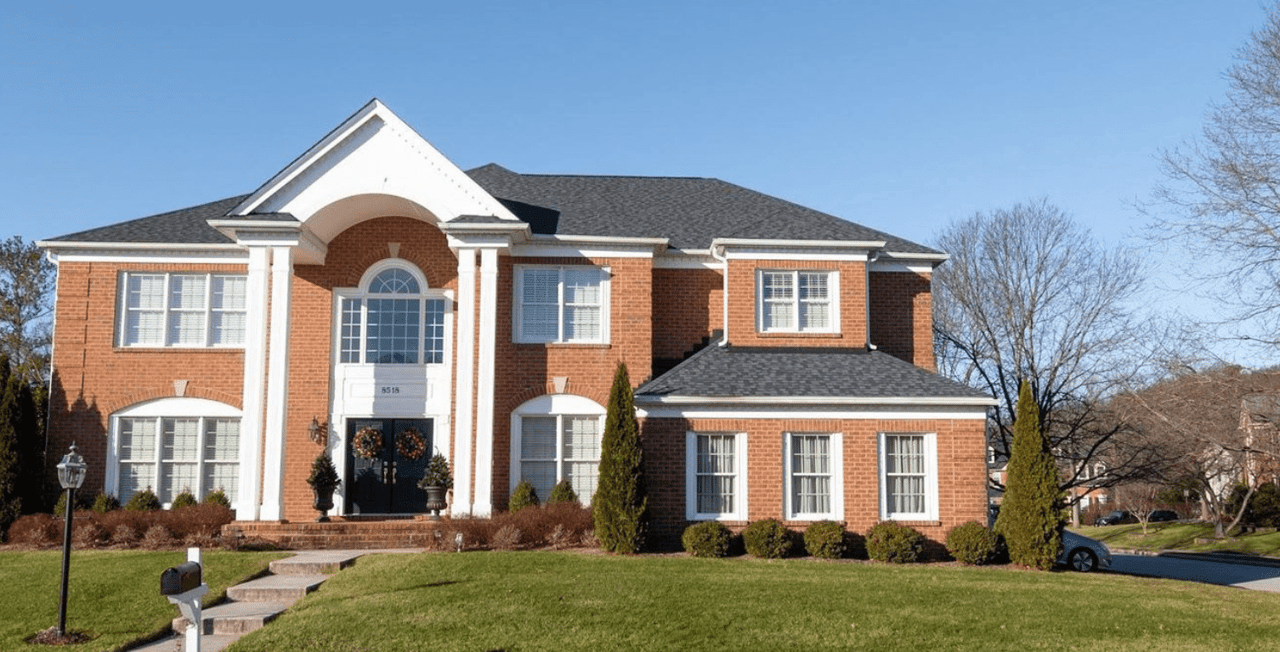
8518 Southfields Cir, Lutherville-Timonium, MD 21093
Sold

101 Market St, Annapolis, MD 21401
Sold

1000 Cold Bottom Rd, Sparks, MD 21152
Sold
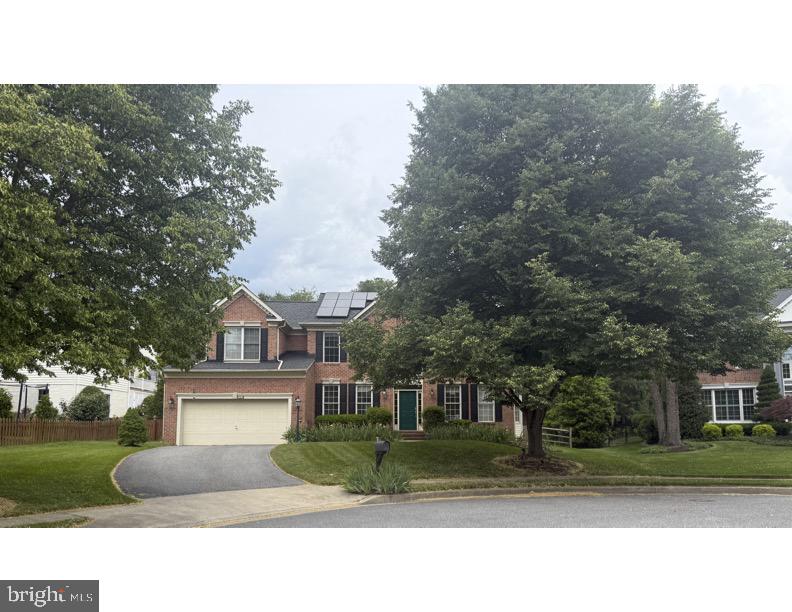
4 CRESTLEIGH PLACE, LUTHERVILLE TIMONIUM, MD 21093
Sold
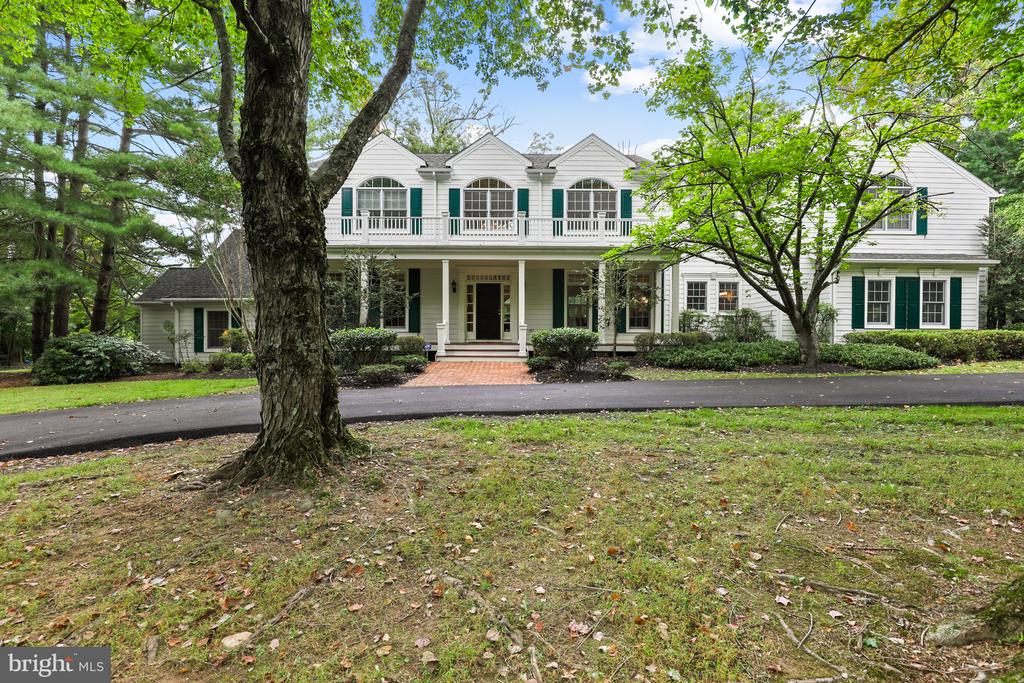
2218 CAVES ROAD, OWINGS MILLS, MD 21117
Sold
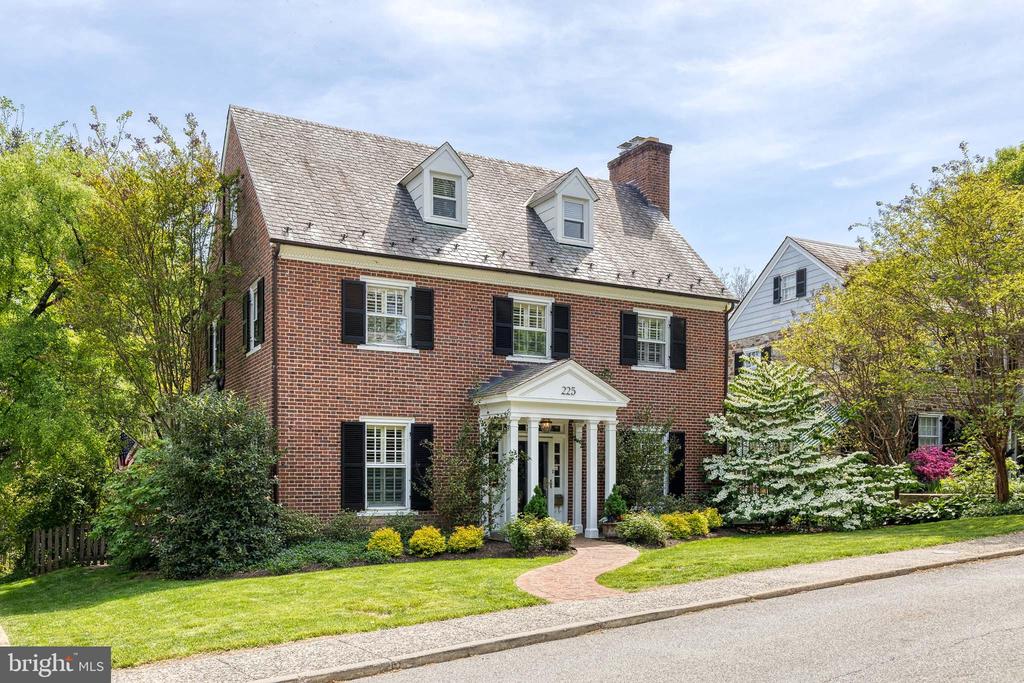
225 TUNBRIDGE ROAD, BALTIMORE, MD 21212
Sold
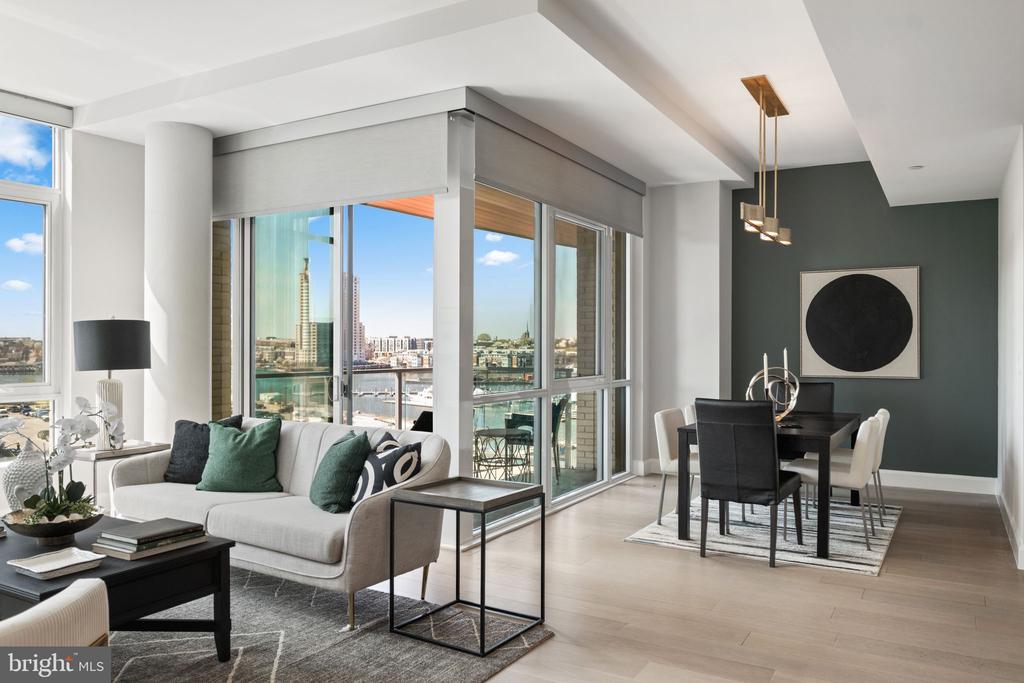
1330 LANCASTER STREET Unit: C603, BALTIMORE, MD 21231
Stay up to date on the latest real estate trends.