Architectural Styles And Estate Living Around Ruxton
July 9, 2026
July 9, 2026
If you are drawn to Ruxton, you are probably not looking for a one-size-fits-all neighborhood. You are looking for land, privacy, character, and a home that feels tied to its setting. Around 21204, that often means choosing not just a house, but an architectural style that shapes how you live every day. This guide will help you understand the main estate styles around Ruxton, what makes each one distinct, and how to think about renovation potential before you make a move. Let’s dive in.
Ruxton-Riderwood developed over centuries rather than through a single wave of planning. Local history points to early colonial land grants, plantation and farm tracts, and later suburban growth after Lake Roland and the Baltimore and Susquehanna Railroad changed the area’s trajectory.
That long evolution helps explain why the area feels layered and varied. Instead of repeating one architectural look, you will find homes shaped by different eras, lot sizes, and ideas about estate living.
The setting also matters. Rolling hills, winding roads, mature trees, streams, and the larger natural backdrop near Lake Roland create the wooded, estate-like environment many buyers associate with Ruxton.
In Ruxton, architecture and landscape are closely connected. The house, the approach, the gardens, and the surrounding tree cover often work together as a single experience.
That means your best fit depends on more than square footage. You will also want to think about how formal or relaxed you want daily life to feel, how much land you want to manage, and whether you see yourself preserving history, updating systems, or leaning into indoor-outdoor living.
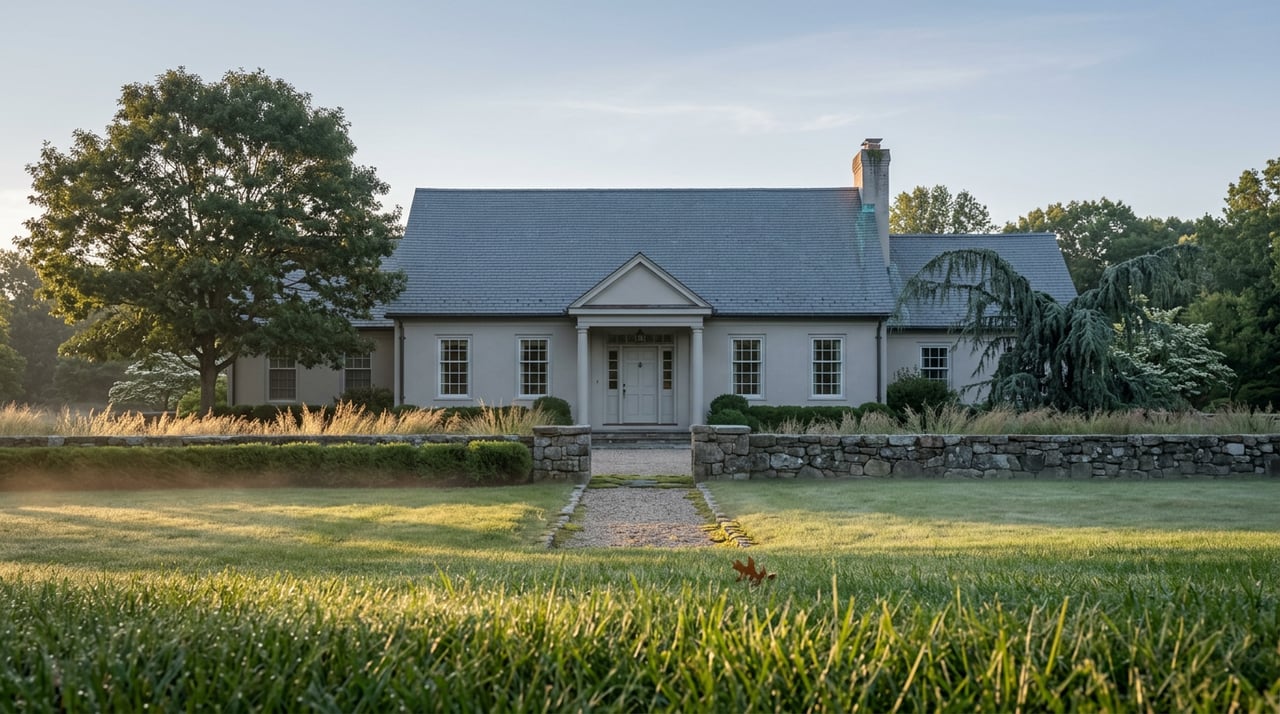
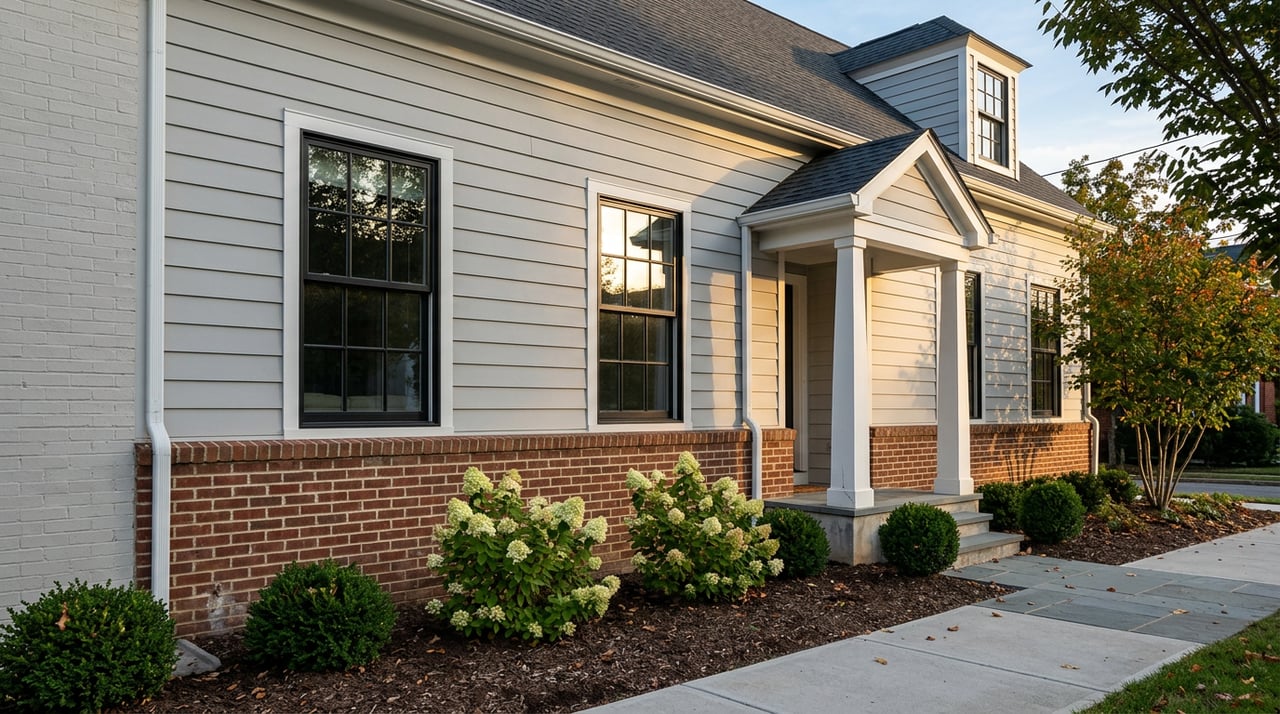
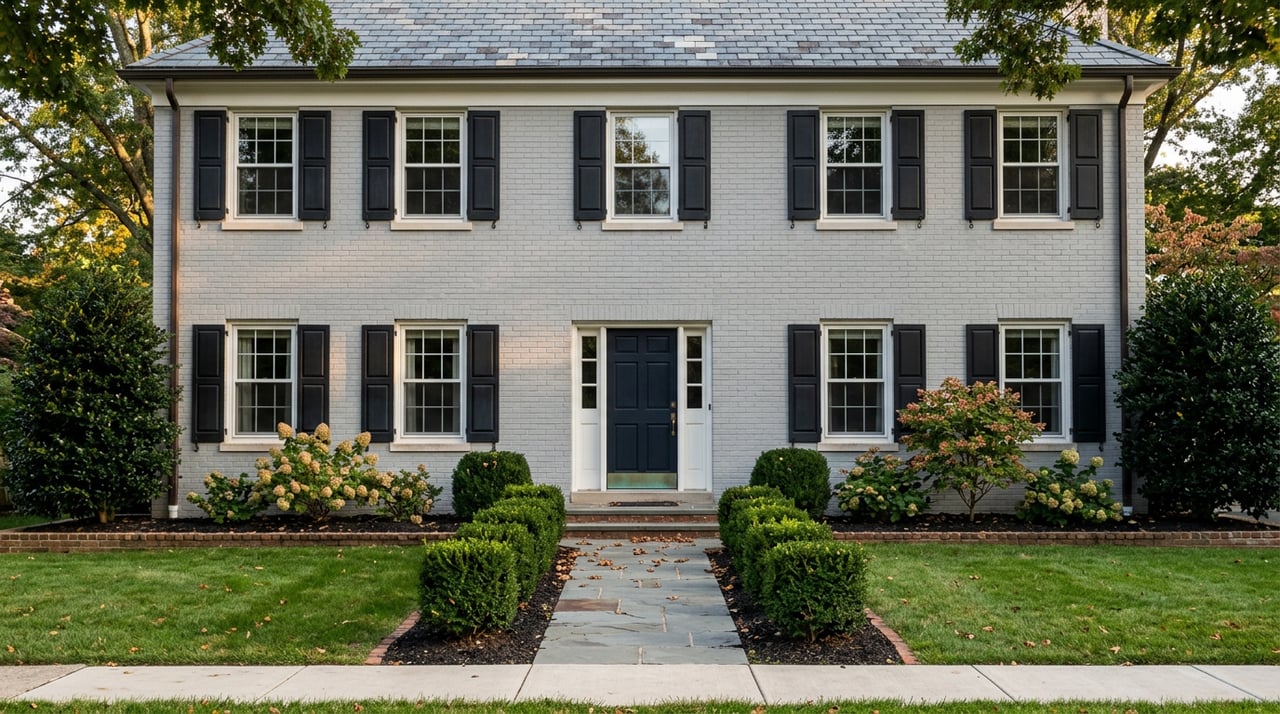
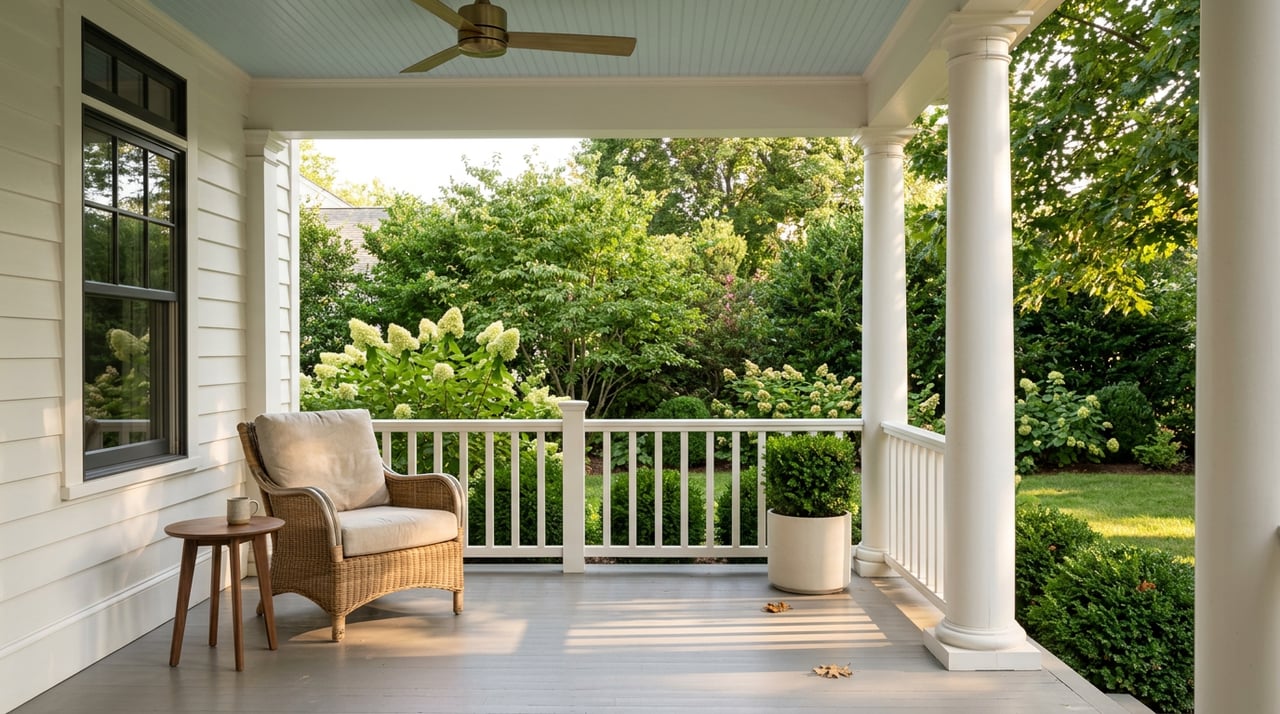
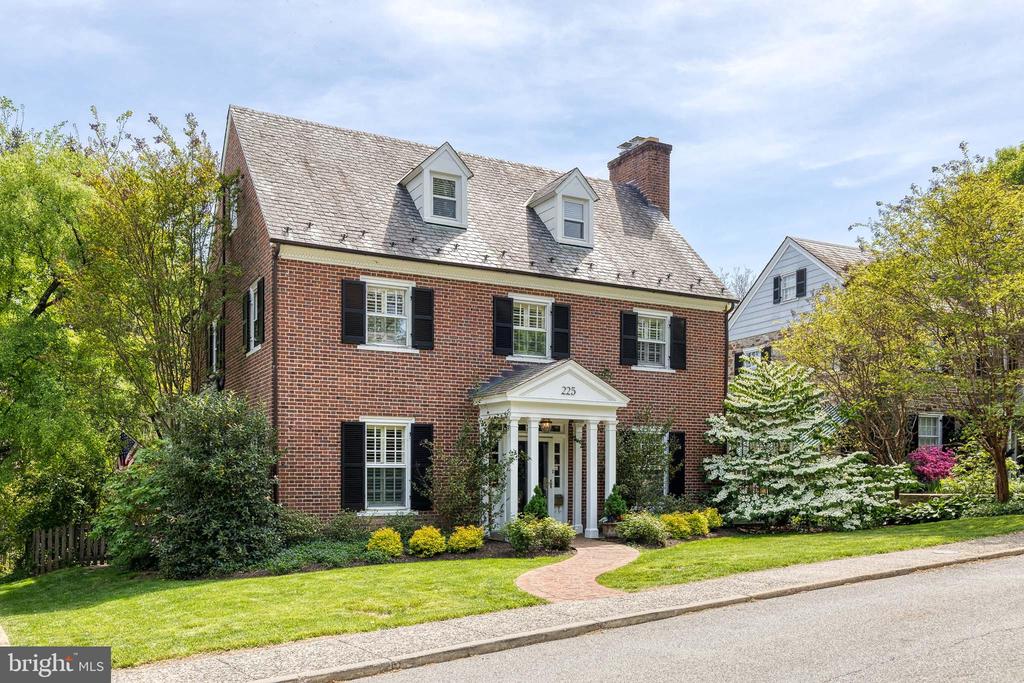
Colonial Revival is one of the clearest expressions of classic estate living around Ruxton. According to the National Park Service, the style draws from Federal and Georgian precedents and often includes symmetry, gabled or pedimented windows, fanlights or sidelights, columns or pilasters, and strong front porch elements.
In practical terms, these homes often present a more formal face to the street. At the same time, many Ruxton examples become more relaxed at the rear, where terraces, porches, and gardens extend living space outdoors.
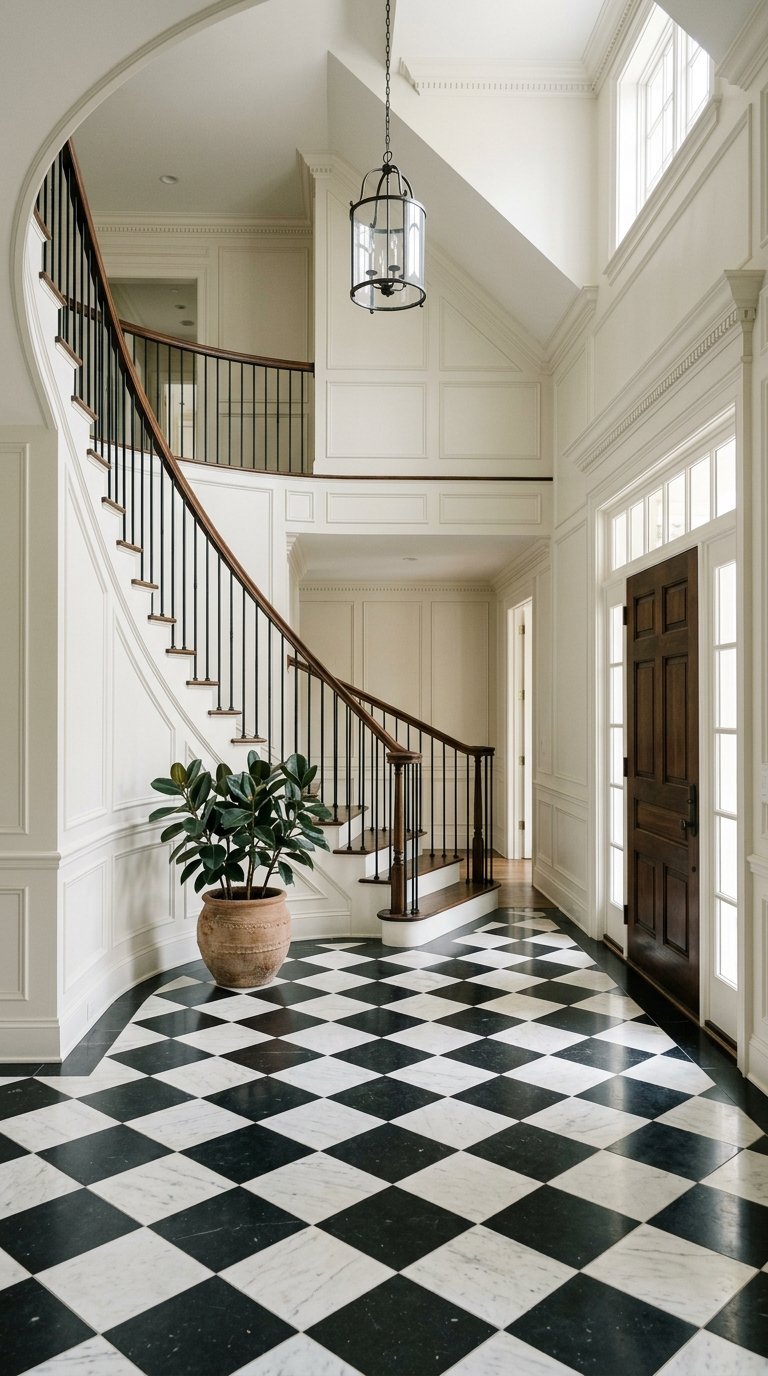
For many buyers, Colonial Revival offers the most familiar floor-plan logic. You are likely to see a clear entry sequence, defined formal rooms, and a layout that separates entertaining areas from service spaces.
That structure can be appealing if you want a traditional rhythm to the home. It often works well for formal entertaining, quieter room-to-room living, and long-term updates that respect the original facade.
Colonial Revival homes tend to suit buyers who want timeless presentation and a strong sense of arrival. They also appeal to those who value architectural detail but still want room to modernize daily living areas.
In Ruxton, the style often works especially well on larger sites where broad lawns, terraces, and mature landscaping soften the formality of the front elevation. The result can feel stately without feeling stiff.
The updates that tend to age well in this style usually preserve the facade and the main room proportions. Kitchens, family rooms, and support spaces often modernize best when they are expanded toward the rear or landscape side of the house.
That approach fits the layered way many long-held Ruxton estates have evolved. You can keep the architectural language intact while making the home more comfortable for current living.
Farmhouse-derived properties tell a different story. They reflect the area’s earlier agricultural roots and often place land, utility, and adaptability ahead of formal design.
The farmhouse archetype described by the National Park Service is simpler in form, with room-behind-room planning and a practical layout. In nearby Baltimore County examples documented by the Maryland Historical Trust, former farm properties often evolved over time, with original rural features surviving even as the main house changed.
If your first priority is acreage, these properties can be especially compelling. They often provide wider lots, space for phased restoration, and the possibility of surviving site features such as spring houses or ice ponds.
That gives you a different kind of value proposition. Instead of buying a fully composed estate expression from day one, you may be buying the chance to shape a property over time.
Farmhouse-derived properties often appeal to buyers who want land first and architecture second. You may be less focused on symmetry or formality and more interested in flexibility, privacy, and the long view.
These homes can also attract buyers who appreciate the idea that a property has already adapted across generations. In this part of Baltimore County, that kind of layered history is part of the appeal.
Renovation strategy here is often less about preserving a strict architectural script and more about respecting the site. Land preservation, outbuilding reuse, and phased restoration can matter as much as interior design choices.
Because many farm properties have already been altered over time, the right plan usually starts with understanding what remains original, what has been added, and how future changes can support the property’s broader character.
Contemporary estates offer a third path. Here, the focus shifts away from symmetry and traditional form toward openness, light, and a stronger visual relationship with the landscape.
The National Park Service describes modern architecture as long and low, with generous use of glass and materials intended to connect the building to its natural setting. In Ruxton, that site-driven approach makes sense on wooded acreage where privacy, views, and topography can shape the entire living experience.
A contemporary estate often feels less formal in its day-to-day flow. Circulation may be more open, sightlines longer, and outdoor areas more directly tied to main living spaces.
For some buyers, that makes everyday living easier and more relaxed. Patios, pool terraces, and wooded paths can feel as important as the rooms inside the home.
This style often appeals to buyers who want privacy and flexibility. If you care more about light, views, and seamless indoor-outdoor living than traditional room hierarchy, contemporary design may be the strongest fit.
In Ruxton’s wooded estate setting, that can create a powerful sense of retreat. The landscape is not just a backdrop. It becomes part of the architecture itself.
The main improvement opportunities here are often tied to the site and building envelope. Glass performance, outdoor living upgrades, and stronger connections between interior spaces and the land can have an outsized impact.
Because these homes depend so much on orientation and setting, improvements should support the original relationship between the house and its environment rather than fight it.
The right architectural style depends on how you want to live. In Ruxton, all three broad approaches can work well, but they tend to support different priorities.
| Style | Best Fit For | Typical Strengths |
|---|---|---|
| Colonial Revival | Buyers who want traditional presentation and formal entertaining | Symmetry, defined rooms, strong curb appeal, rear addition potential |
| Farmhouse-derived | Buyers who want acreage and project potential | Wider lots, rural character, outbuilding possibilities, phased restoration |
| Contemporary | Buyers who want privacy, light, and flexible living | Views, openness, glass, indoor-outdoor connection |
If you already know how you want a home to function, your style choice gets easier. If you are unsure, start by asking whether you value formality, land, or openness most.
In Ruxton, renovation potential is not determined by style alone. Maryland Historical Trust notes that inclusion in the Maryland Inventory of Historic Properties is informational and does not create legal restrictions by itself, and National Register listing does not itself impose restrictions on private owners.
Local historic designation is different. That is the type of status that can trigger design review through local ordinances, so it is important to confirm exactly how a property is classified before making assumptions about future work.
Before you buy, it helps to verify a few core points:
For many buyers, these questions matter just as much as style. A beautiful house is only part of the decision. The real goal is finding a property whose character, setting, and future possibilities align.
Ruxton is not a uniform market, and that is part of its strength. Its long development history means you can find formal Colonial Revival estates, rural-origin properties, and modern houses that respond to wooded topography in very different ways.
That variety also means broad assumptions are rarely enough. The most successful buyers usually evaluate each property as a combination of architecture, site, renovation path, and long-term lifestyle fit.
If you are exploring estate living around Ruxton, a thoughtful local strategy can make all the difference. The Batoff Group can help you evaluate architectural style, land value, and renovation potential so you can move forward with clarity and confidence.
Explore our past transactions.
Sold
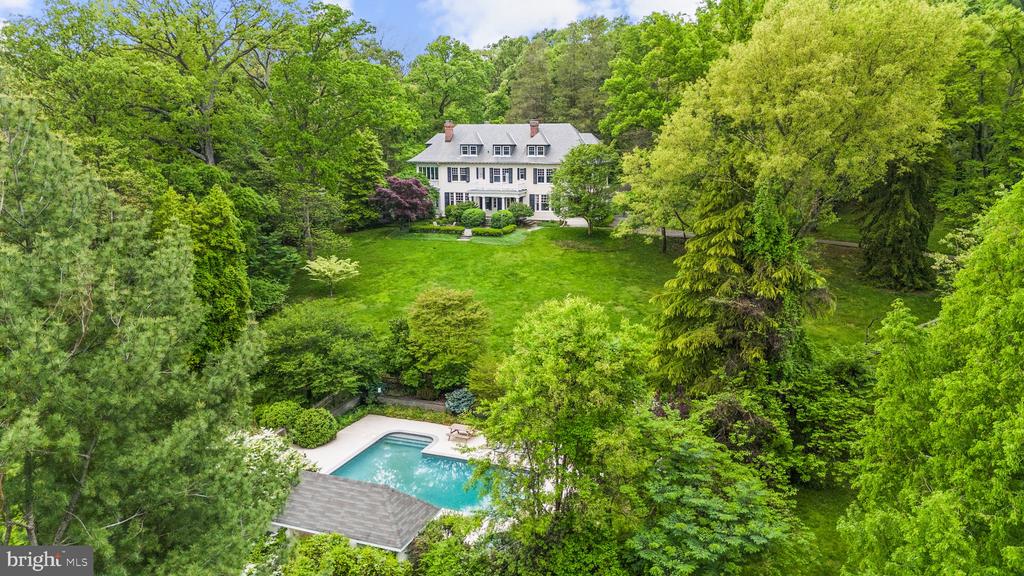
10600 PARK HEIGHTS AVENUE, OWINGS MILLS, MD 21117
Sold
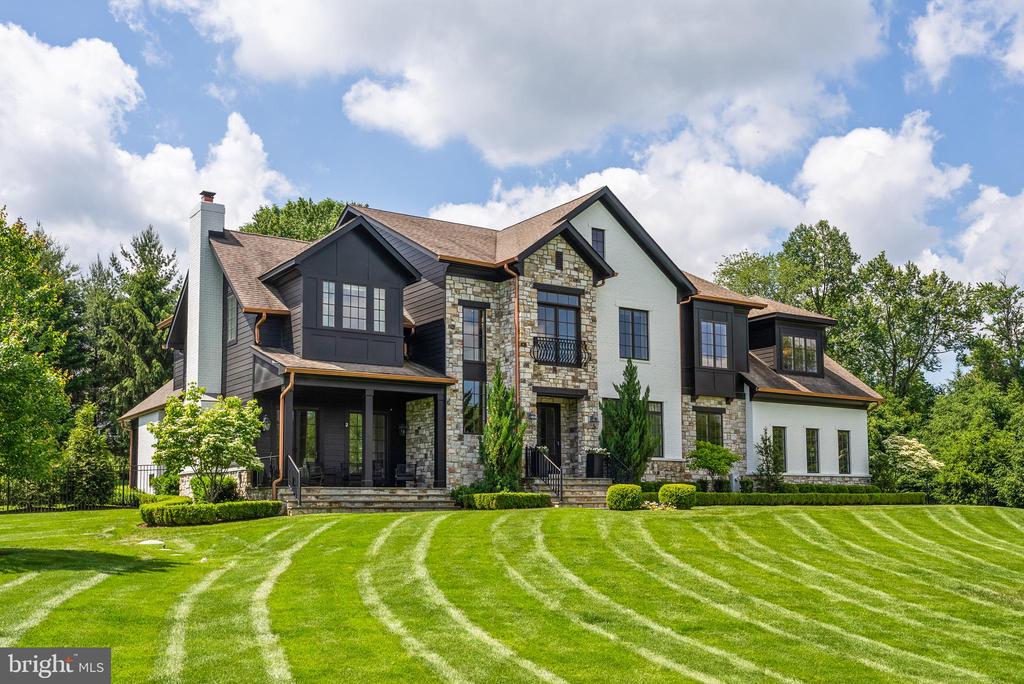
12220 WORTHINGTON ROAD, OWINGS MILLS, MD 21117
Sold
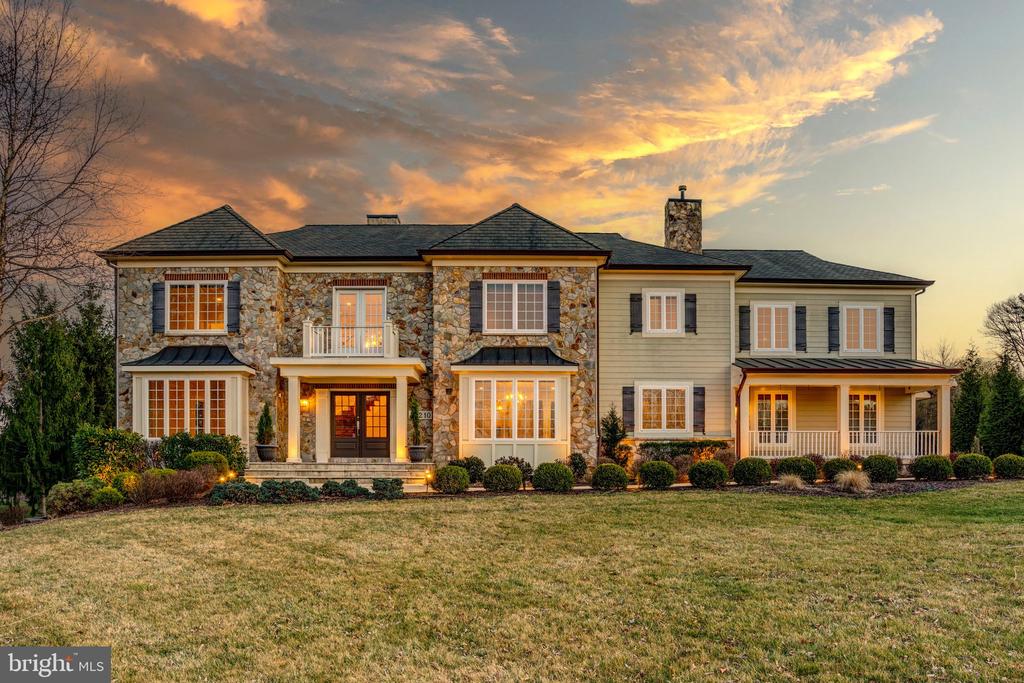
12210 WORTHINGTON, OWINGS MILLS, MD 21117
Sold
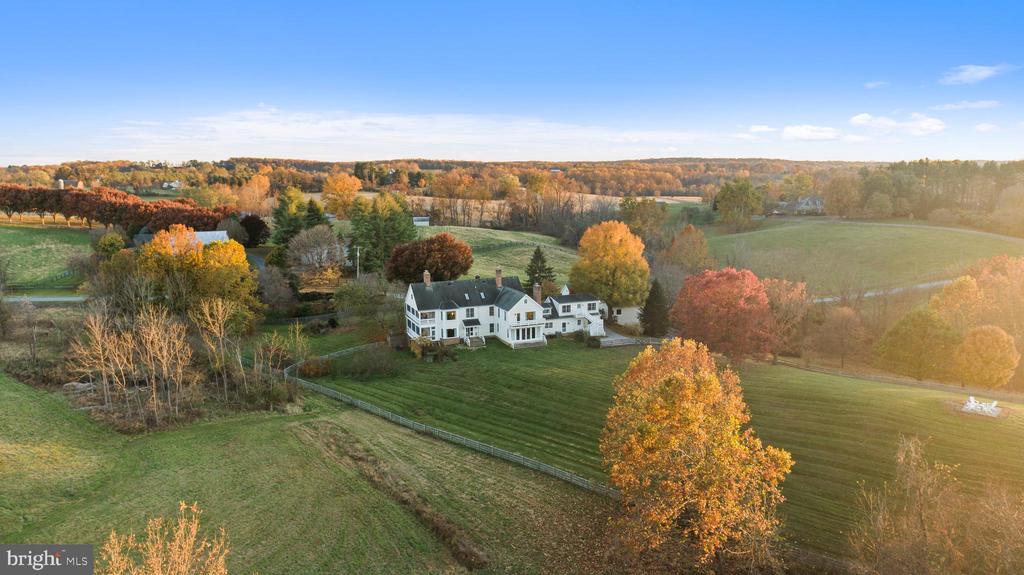
2310 GADD ROAD, COCKEYSVILLE, MD 21030
Sold
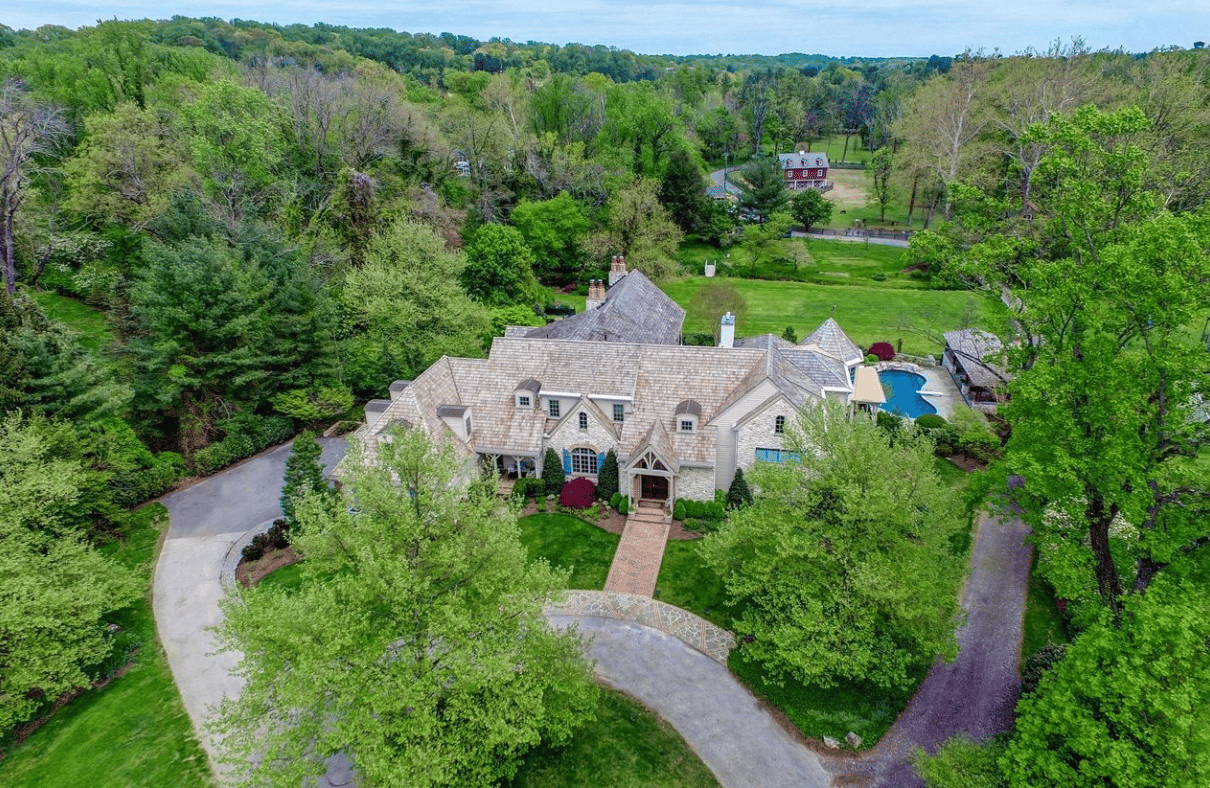
10807 Greenspring Ave, Lutherville-Timonium, MD 21093
Sold
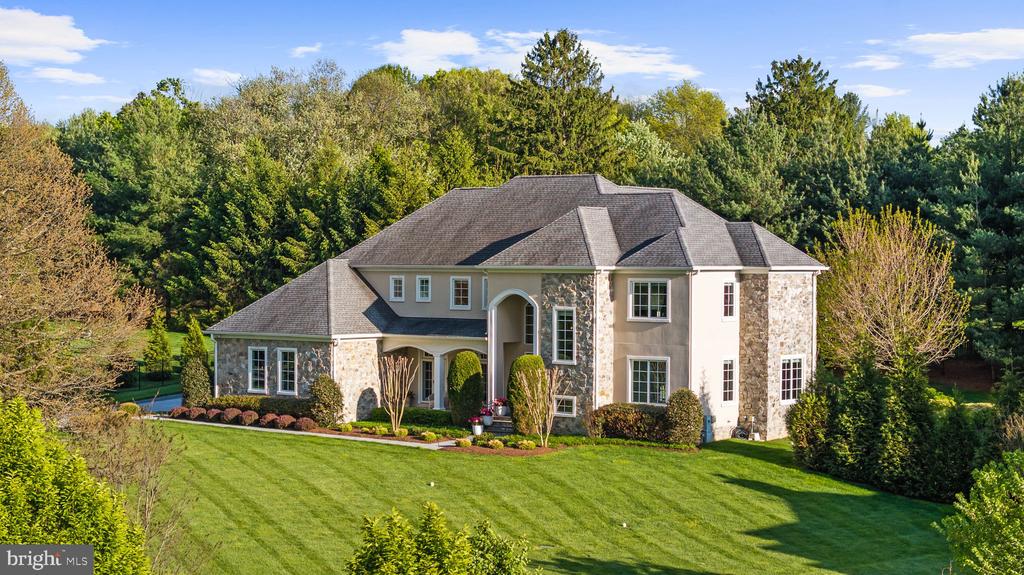
12222 WORTHINGTON ROAD, OWINGS MILLS, MD 21117
Sold
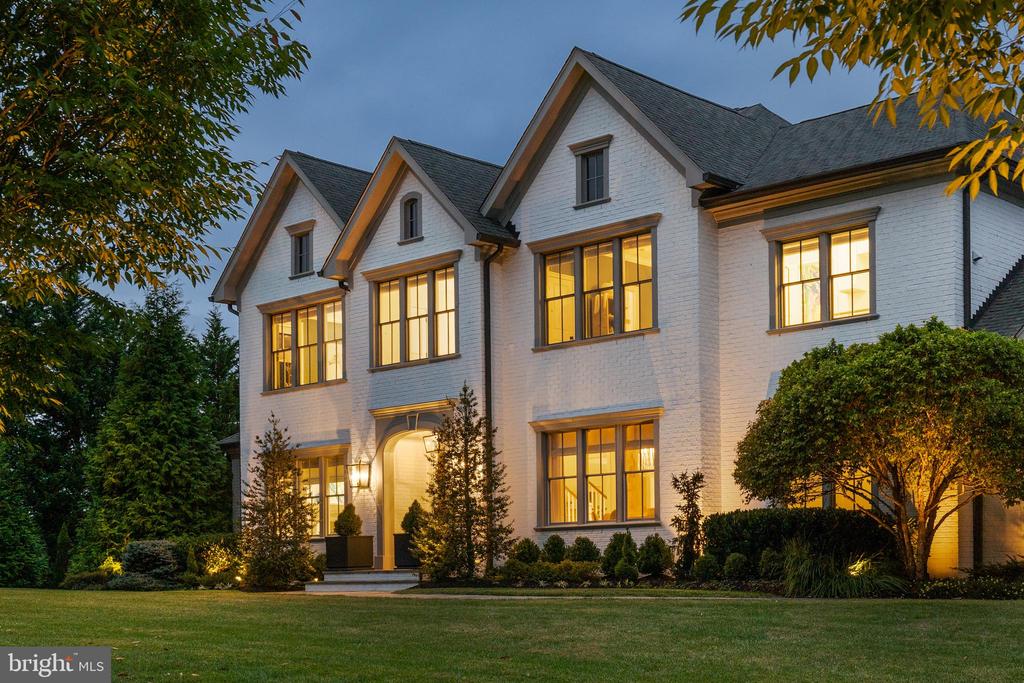
12211 WORTHINGTON ROAD, OWINGS MILLS, MD 21117
Sold

3112 W Golf Course Rd, Owings Mills, MD 21117
Sold

11129 Falls Rd, Lutherville Timonium, MD 21093
Sold

800 HILLSTEAD DRIVE, LUTHERVILLE TIMONIUM, MD 21093
Sold
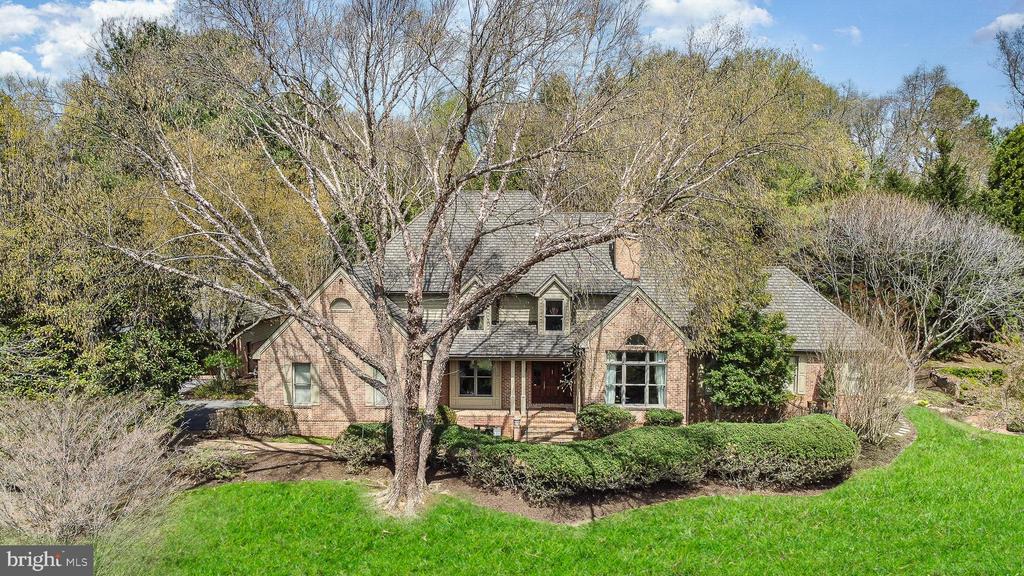
1308 MUSGROVE ROAD, LUTHERVILLE TIMONIUM, MD 21093
Sold
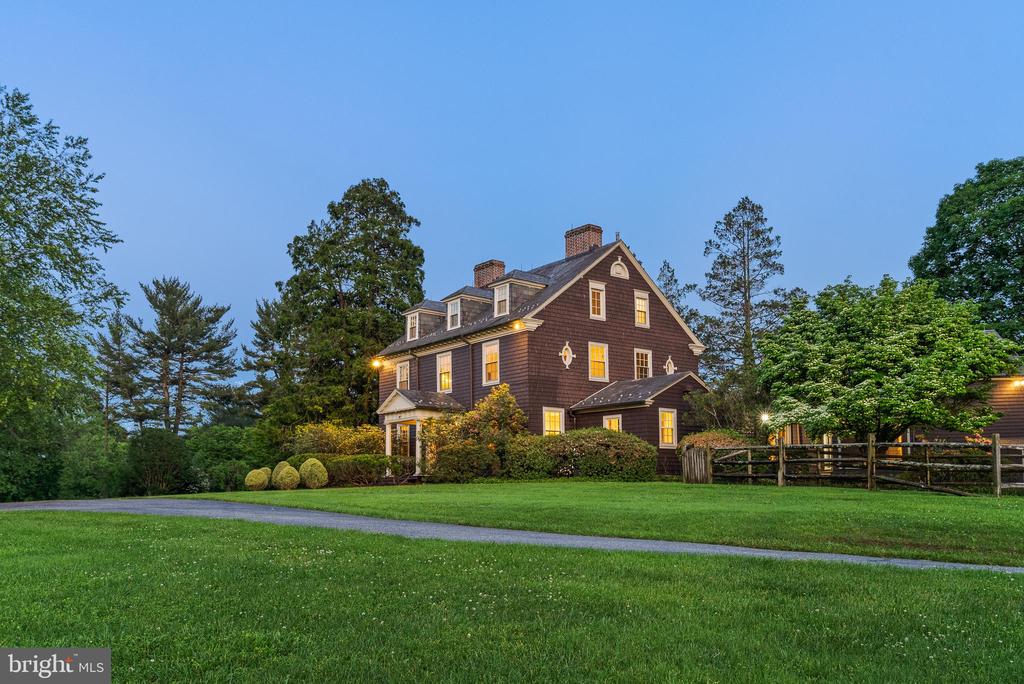
4006 STEWART ROAD, STEVENSON, MD 21153
Sold

15315 Carroll Rd, Monkton, MD 21111
Sold
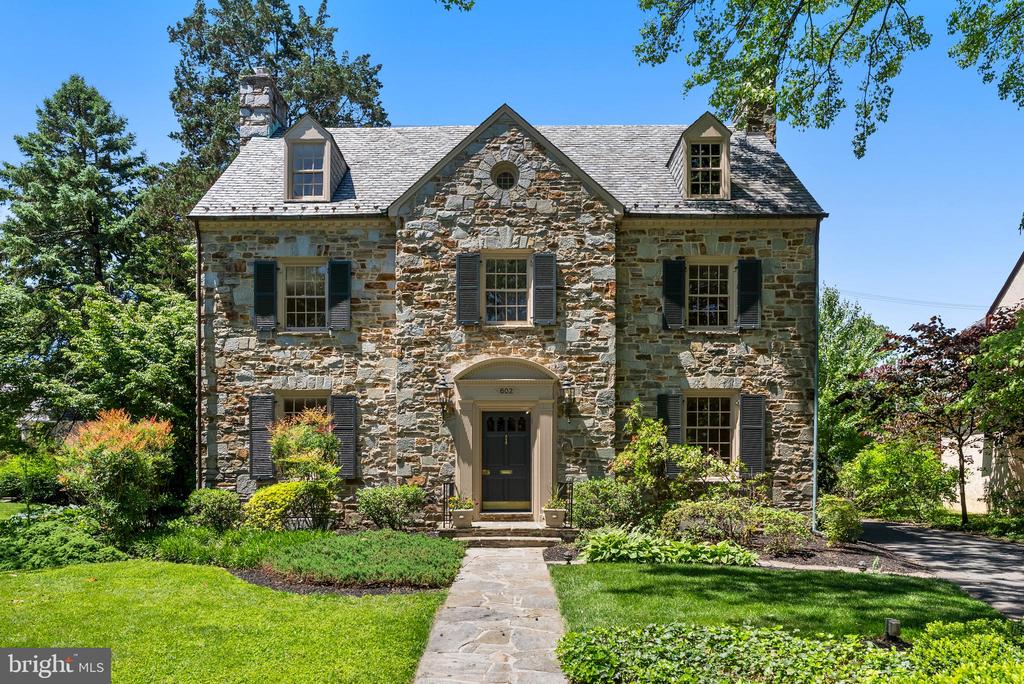
602 STONELEIGH ROAD, BALTIMORE, MD 21212
Sold

6401-A Murray Hill Rd, Baltimore, MD 21212
Sold

303 Goodwood Gdns, Baltimore, MD 21210
Sold
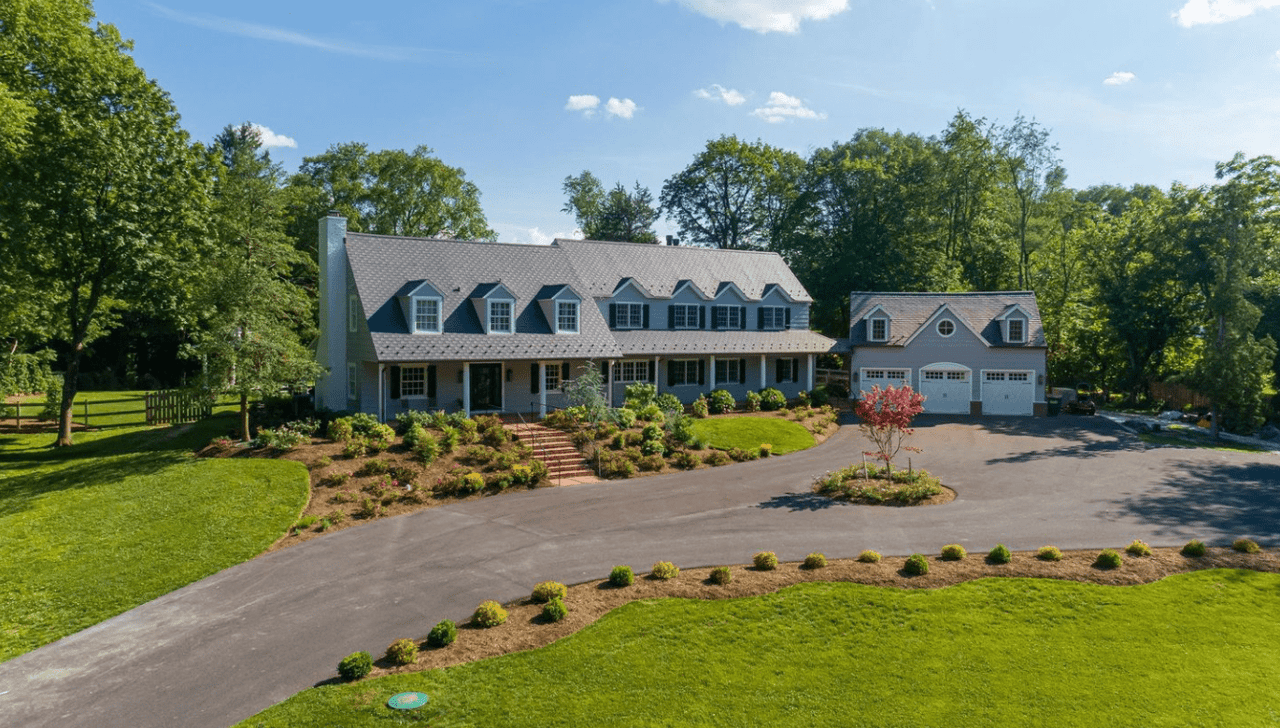
1840 Greenspring Valley Rd , Owings Mills, MD 21117
Sold
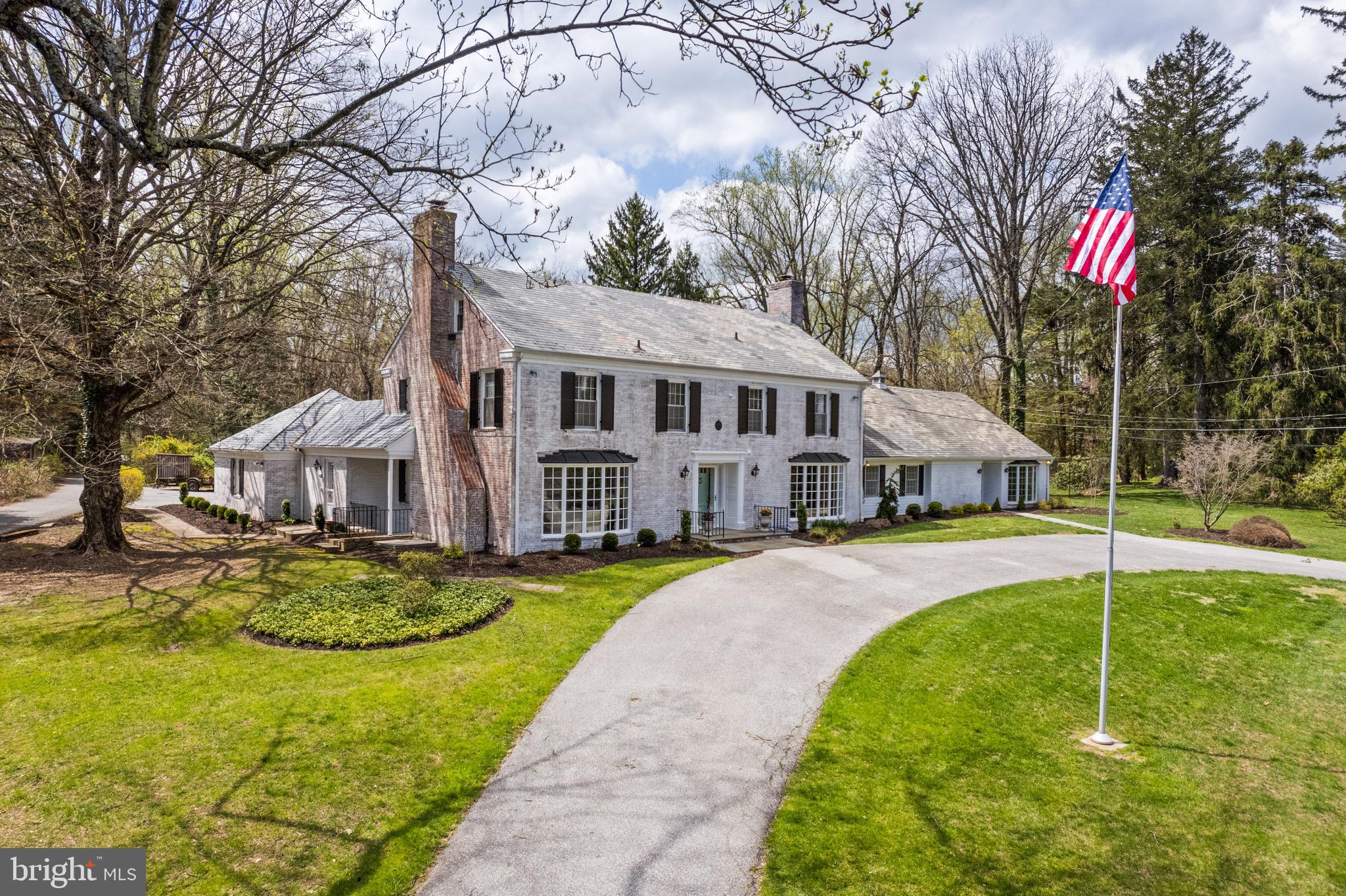
7505 LHIRONDELLE CLUB ROAD, TOWSON, MD 21204
Sold

6510 Chantilly Dr, Sykesville, MD 21784
Sold

1510 SEMINARY AVENUE W, LUTHERVILLE TIMONIUM, MD 21093
Sold

7 BROOKSTONE COURT, LUTHERVILLE TIMONIUM, MD 21093
Sold
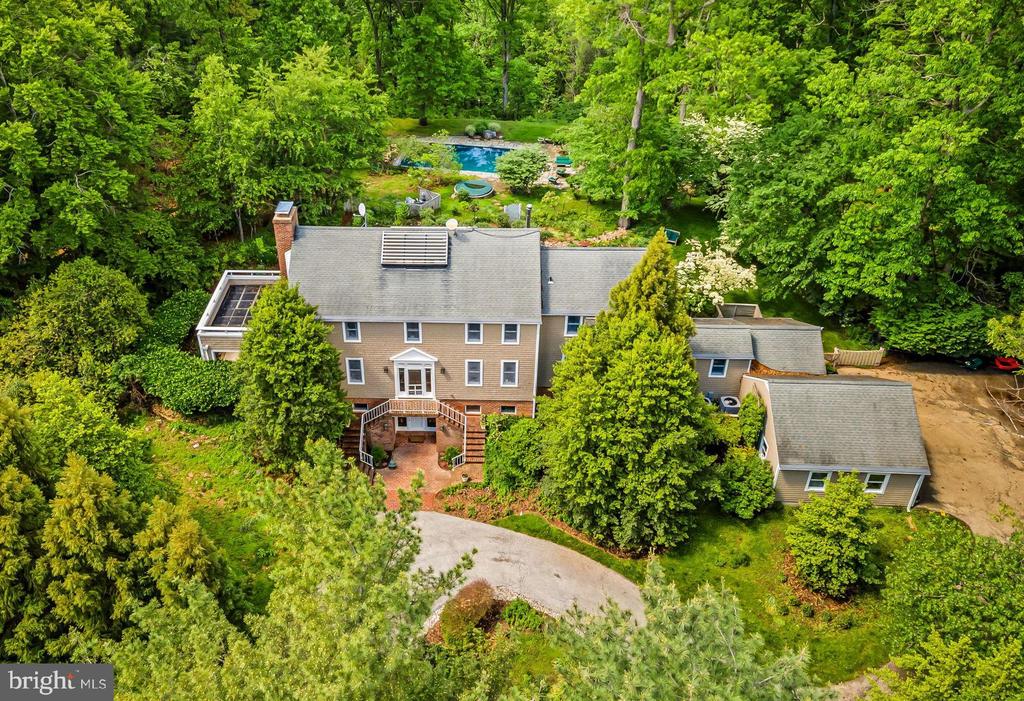
831 HILLSIDE ROAD, LUTHERVILLE TIMONIUM, MD 21093
Sold

714 #2 Western Run Rd, Cockeysville, MD 21030
Sold
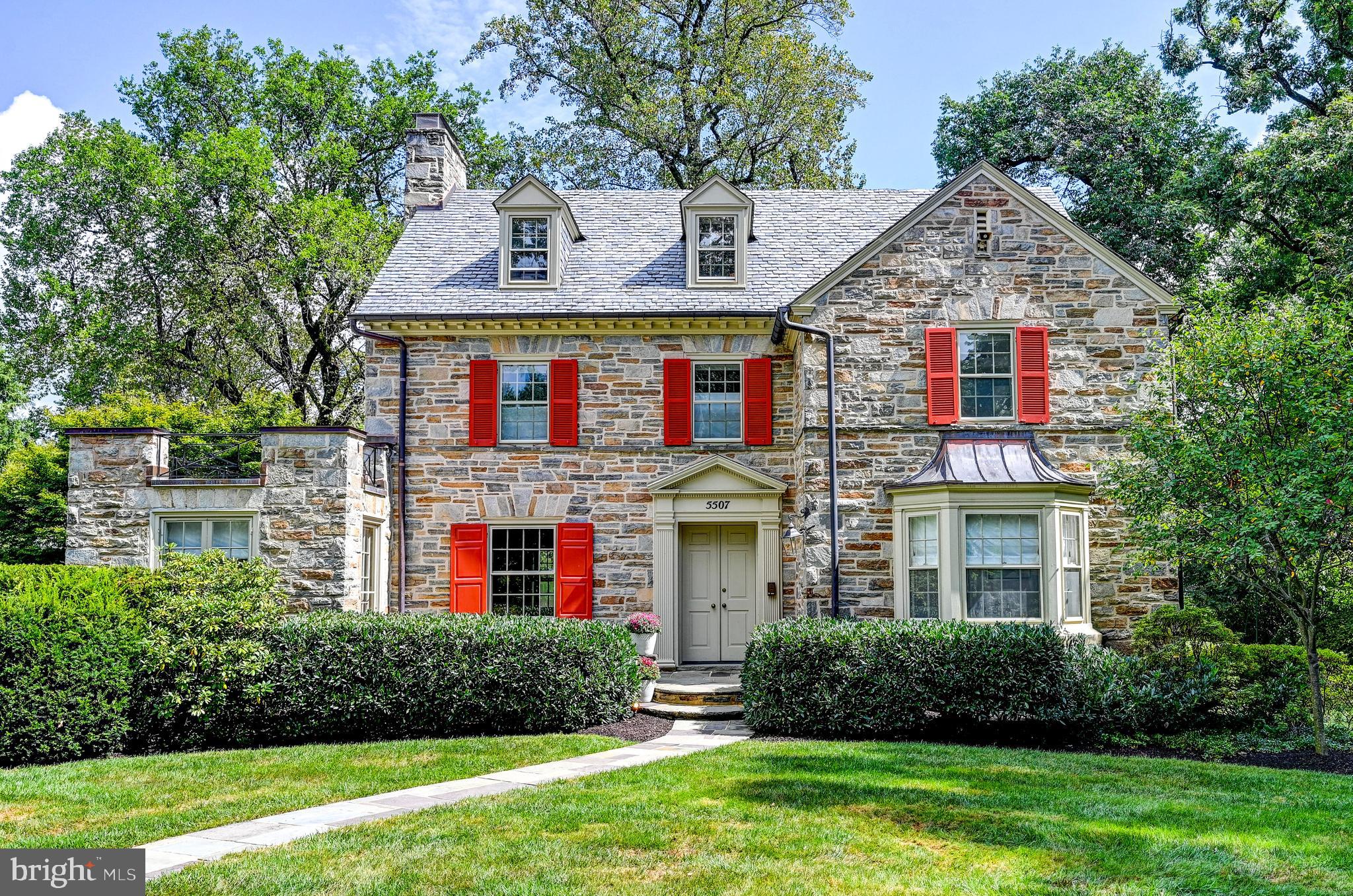
5507 SAINT ALBANS WAY, BALTIMORE, MD 21212
Sold

2919 CAVES ROAD, OWINGS MILLS, MD 21117
Sold
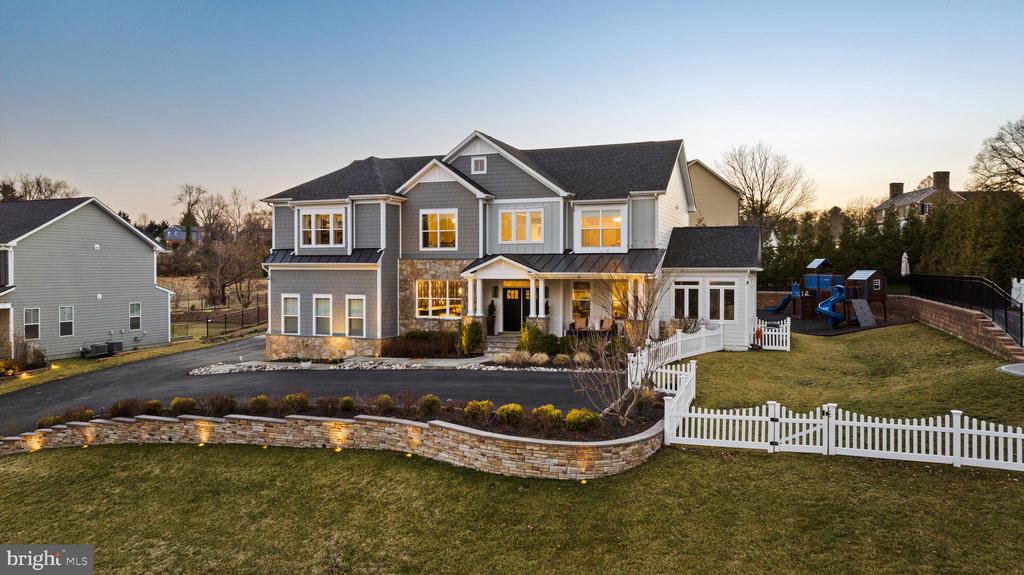
1107 COWPENS AVENUE, TOWSON, MD 21286
Sold
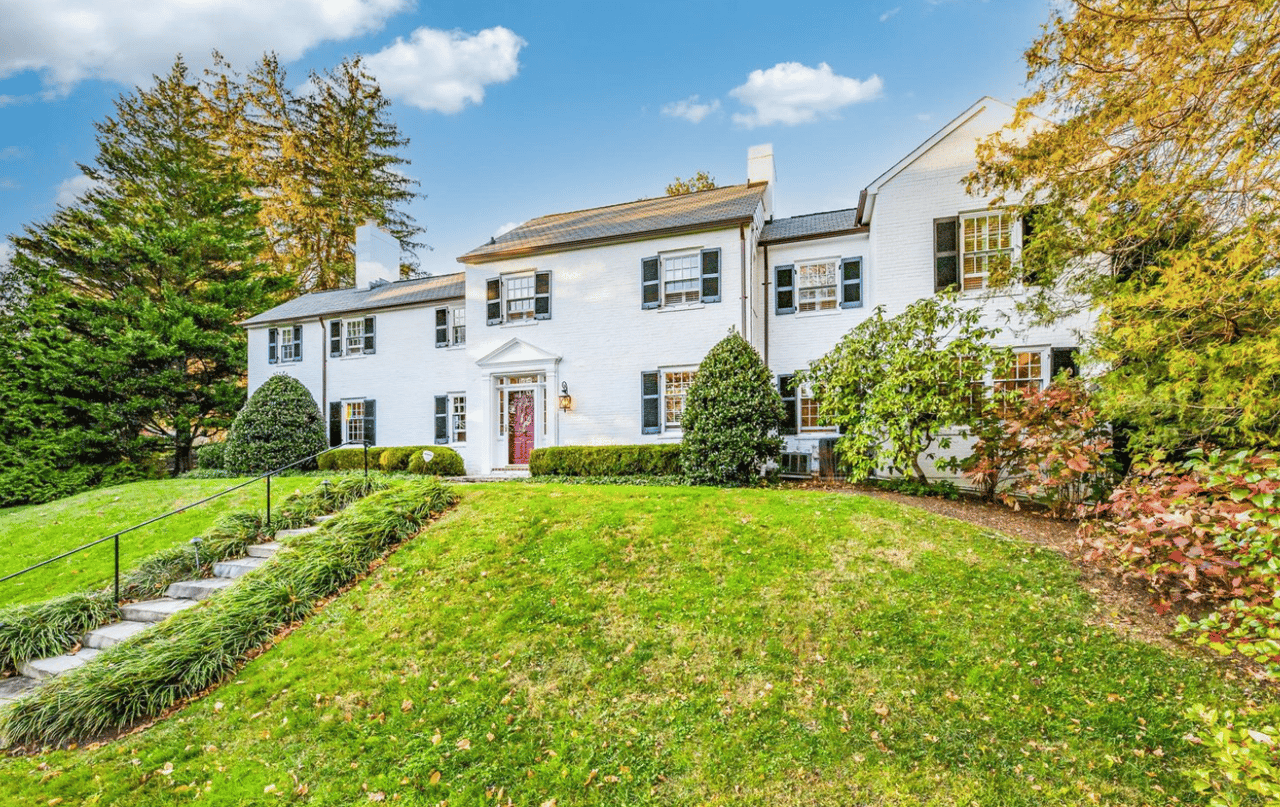
1406 Malvern Ave , Baltimore, MD 21204
Sold
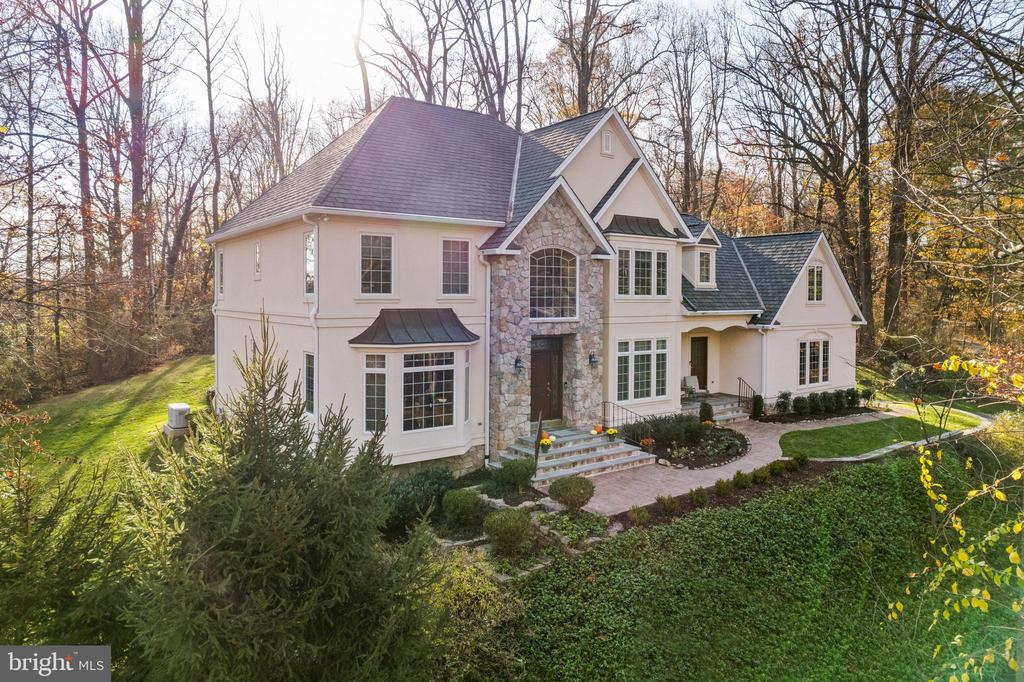
2101 OUR LANE, STEVENSON, MD 21153
Sold
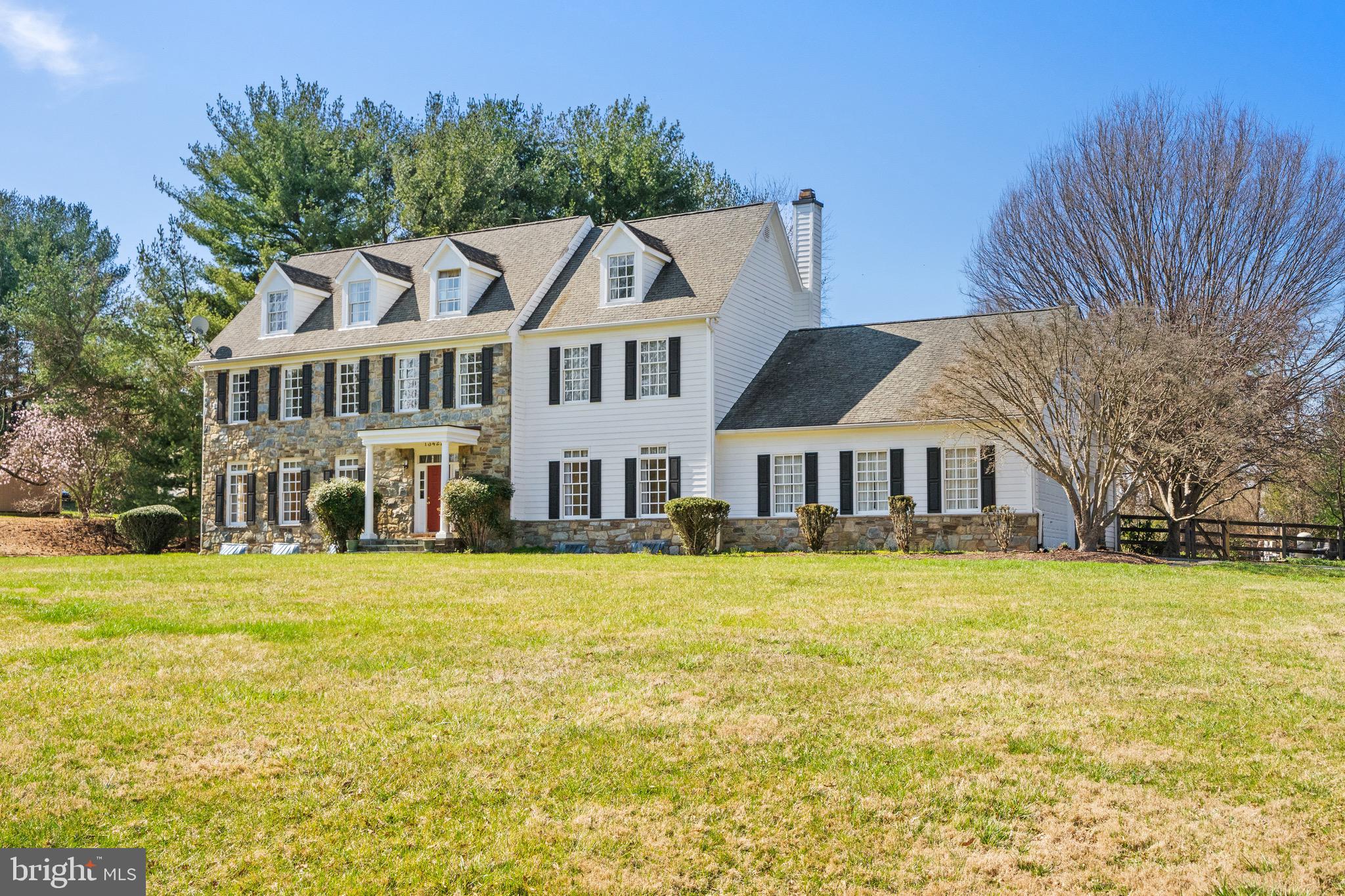
13422 QUERY MILL ROAD, NORTH POTOMAC, MD 20878
Sold

4201 Greenway, Baltimore, MD 21218
Sold

1724 Hillside Rd, Stevenson, MD 21153
Sold

105 Millbrook Rd, Baltimore, MD 21218
Sold
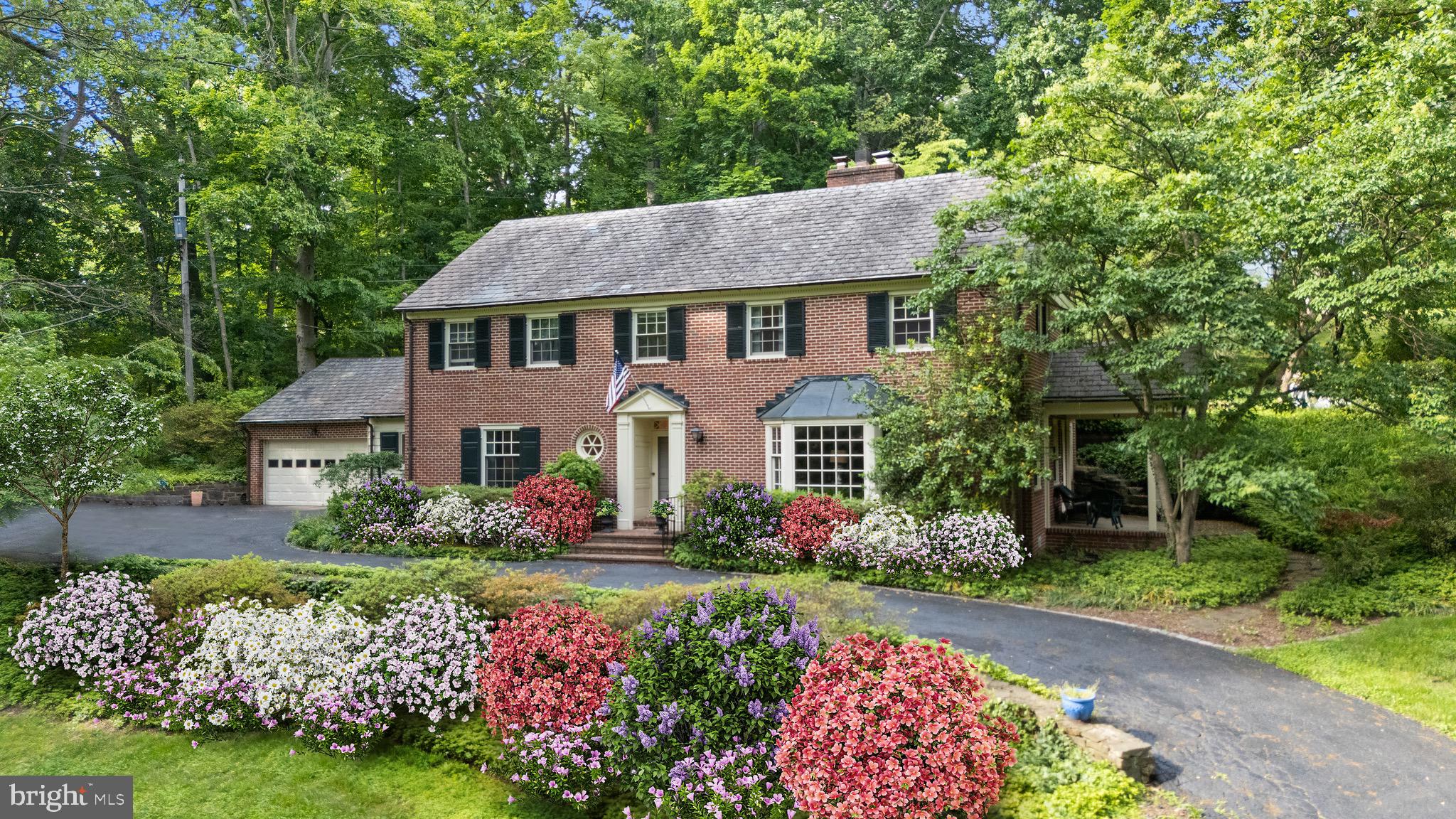
1104 MALVERN AVENUE, RUXTON, MD 21204
Sold
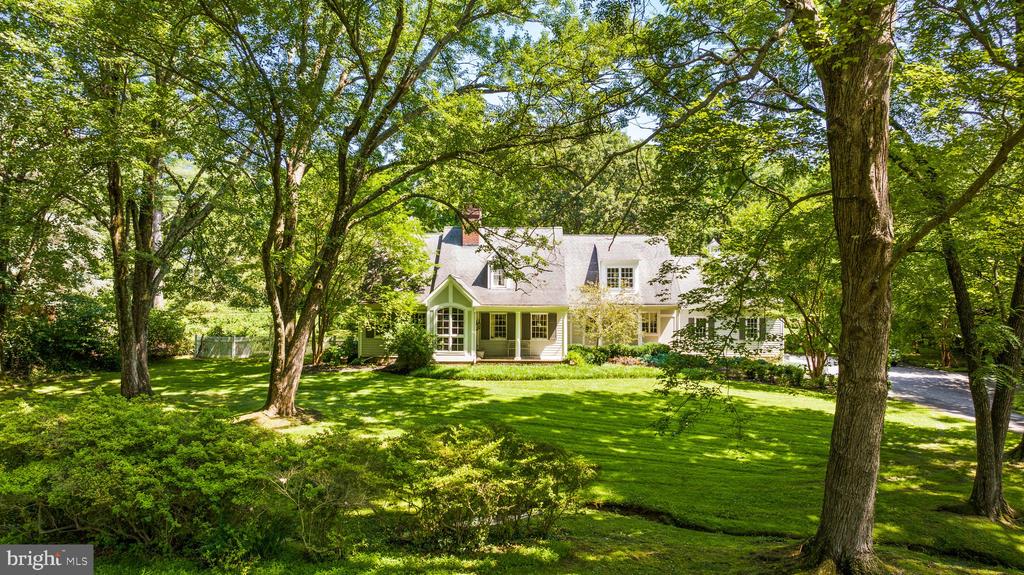
4 CHITTENDEN LANE, OWINGS MILLS, MD 21117
Sold

5 Forwood Ct, Cockeysville, MD 21030
Sold
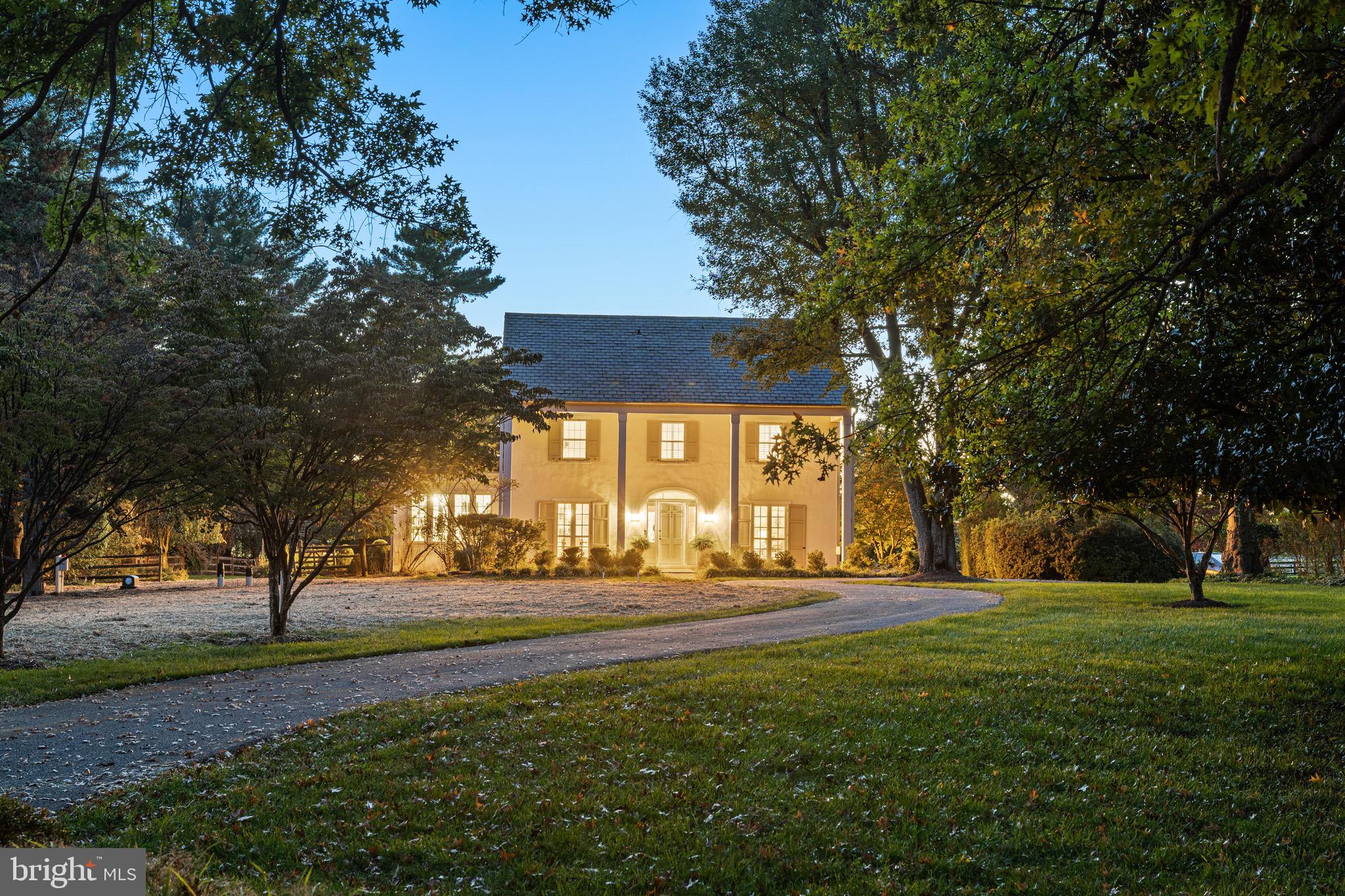
206 GARRISON FOREST ROAD, OWINGS MILLS, MD 21117
Sold

7919 Sherwood Ave, Towson, MD 21204
Sold
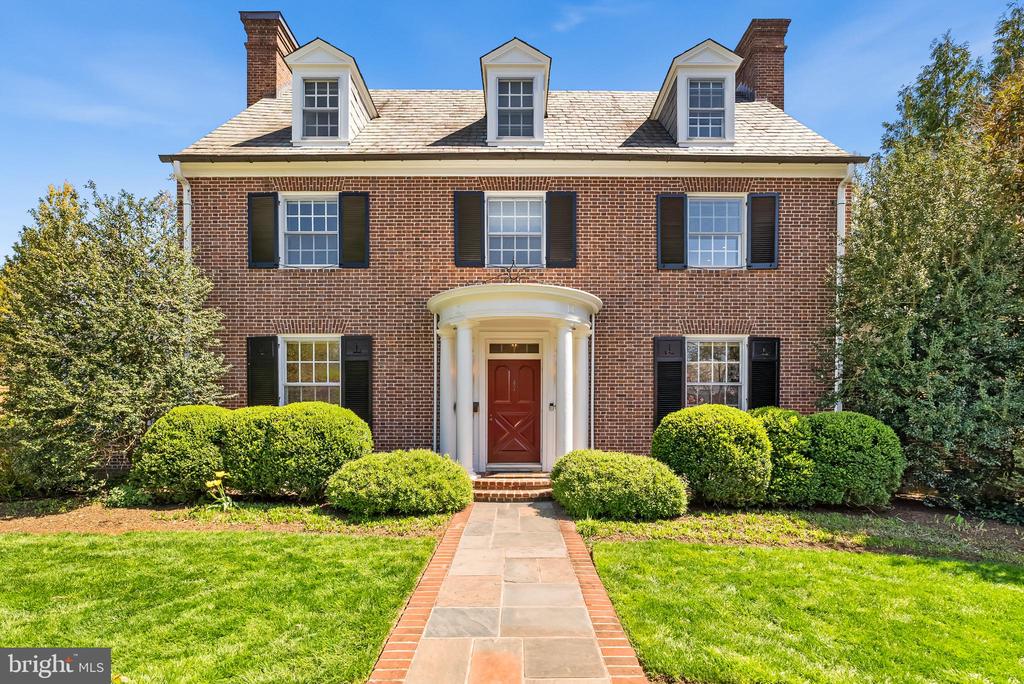
4409 BEDFORD PLACE, BALTIMORE, MD 21218
Sold
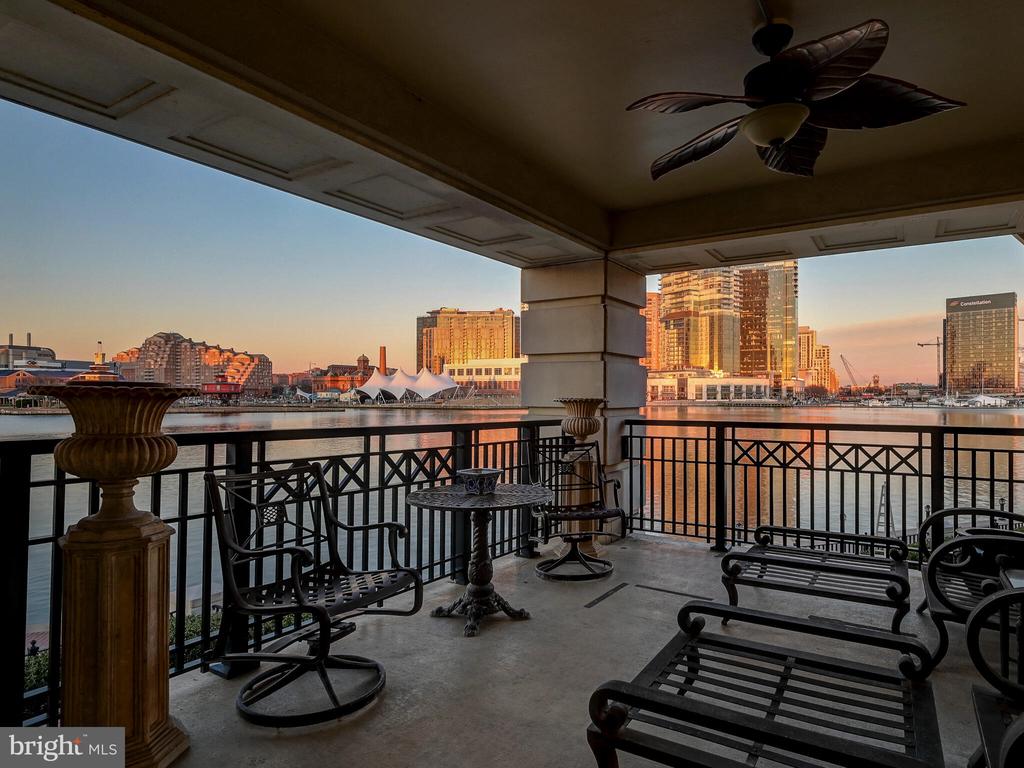
801 KEY HIGHWAY Unit: 210, BALTIMORE, MD 21230
Sold
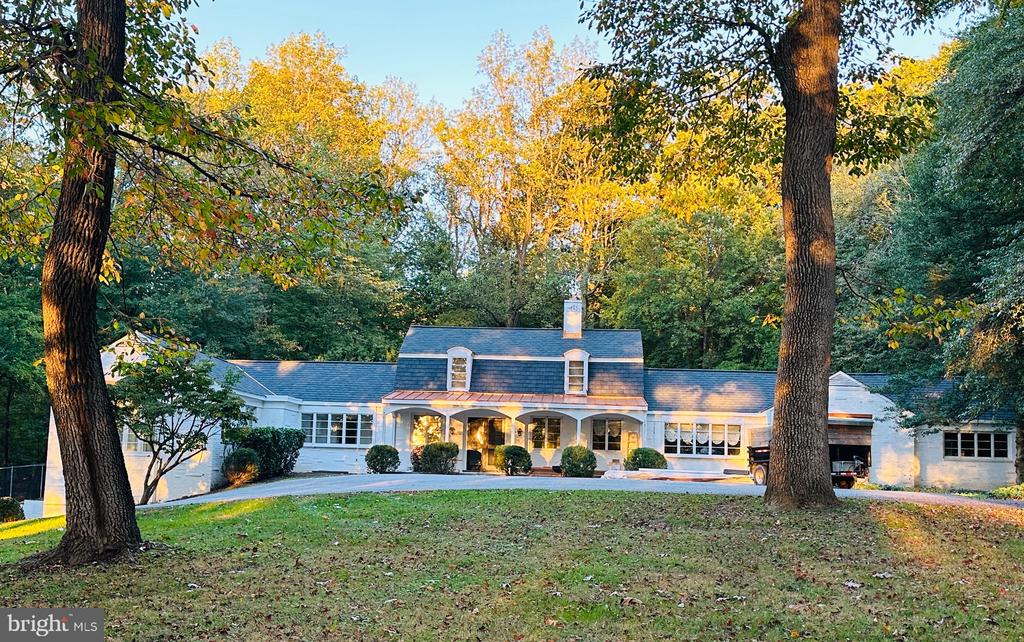
7 CAVESWOOD LANE, OWINGS MILLS, MD 21117
Sold
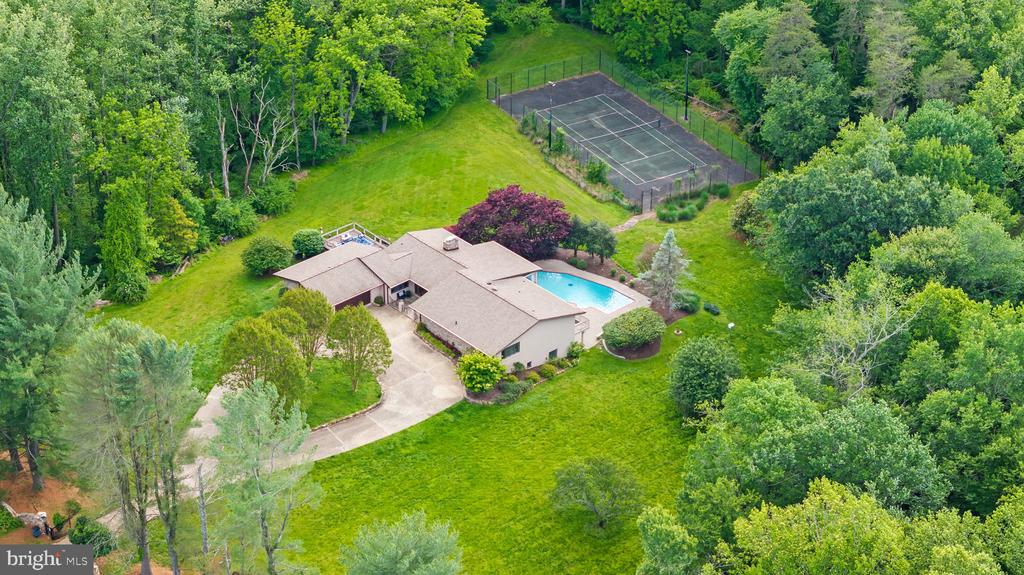
18 MANOR BROOK ROAD, MONKTON, MD 21111
Sold
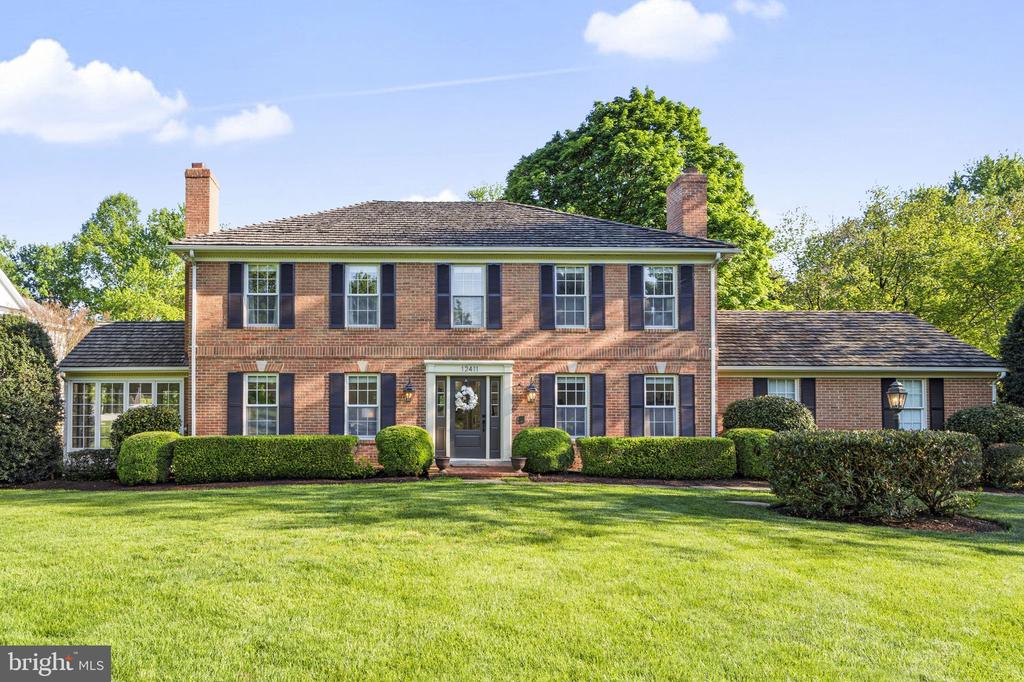
12411 PENELOPE COURT, FULTON, MD 20759
Sold
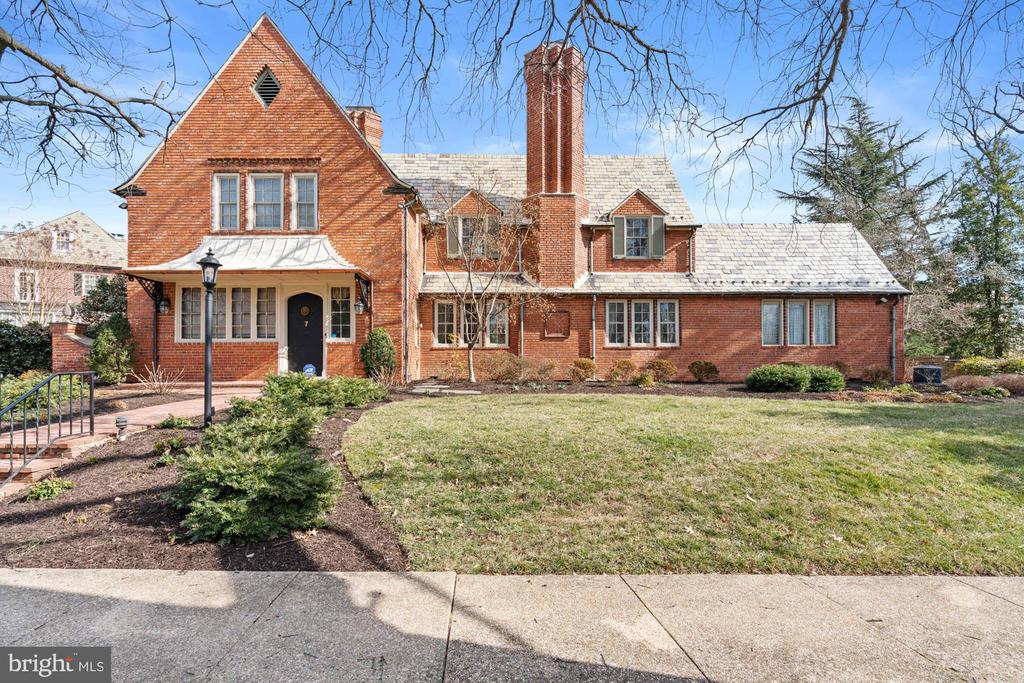
7 CHARLCOTE PLACE, BALTIMORE, MD 21218
Sold
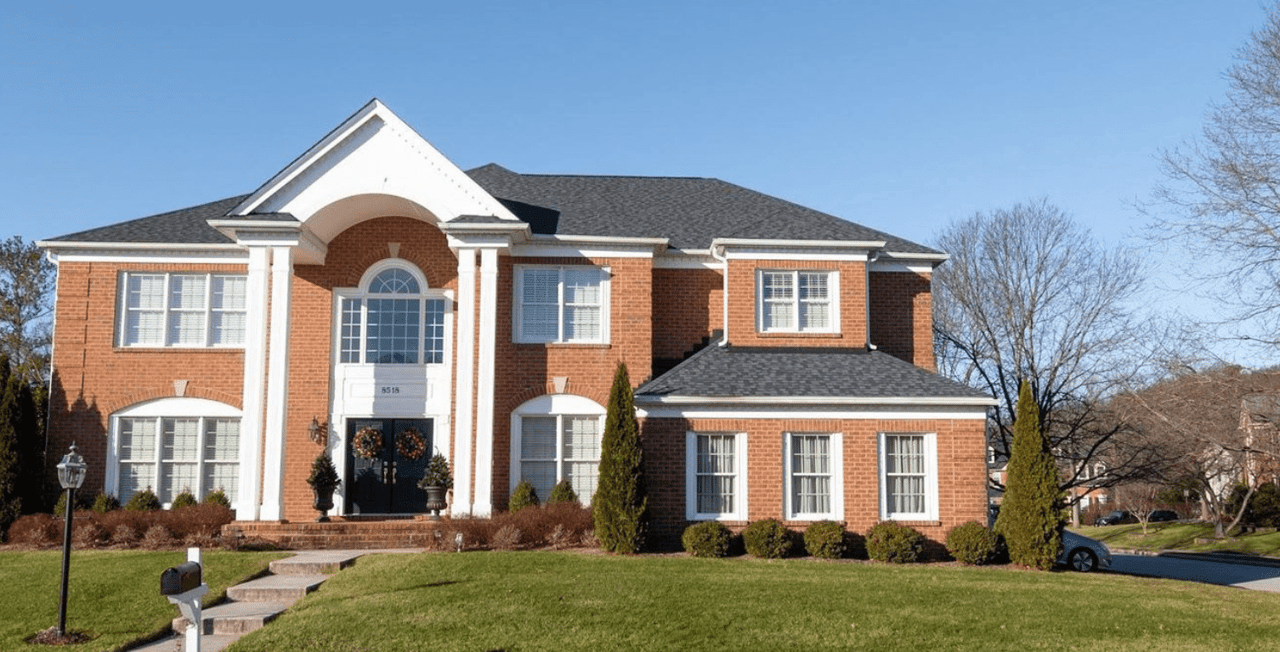
8518 Southfields Cir, Lutherville-Timonium, MD 21093
Sold

101 Market St, Annapolis, MD 21401
Sold

1000 Cold Bottom Rd, Sparks, MD 21152
Sold
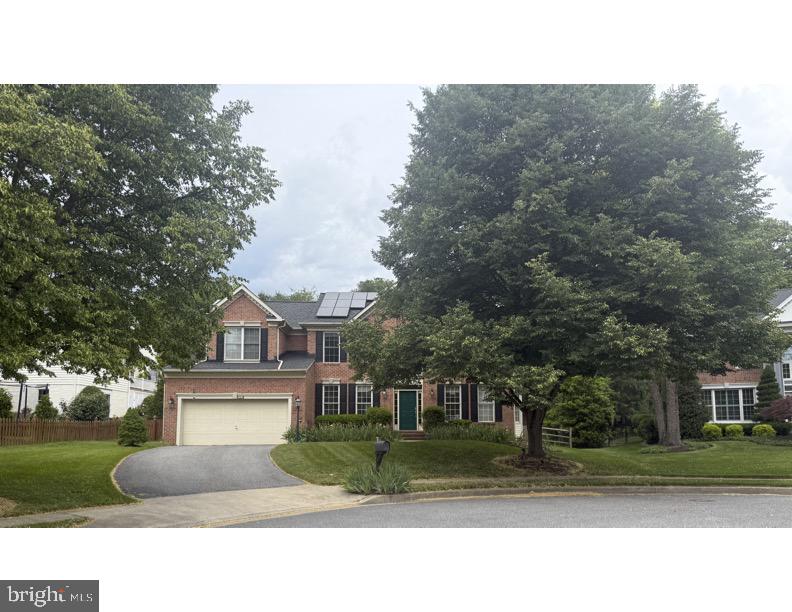
4 CRESTLEIGH PLACE, LUTHERVILLE TIMONIUM, MD 21093
Sold
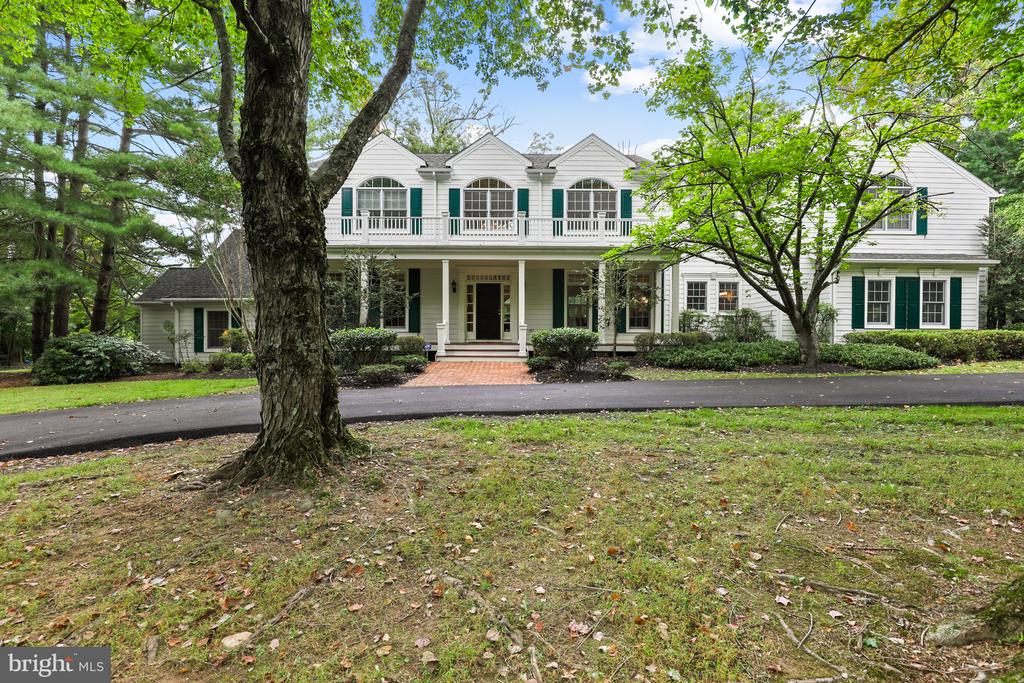
2218 CAVES ROAD, OWINGS MILLS, MD 21117
Sold
225 TUNBRIDGE ROAD, BALTIMORE, MD 21212
Sold
1330 LANCASTER STREET Unit: C603, BALTIMORE, MD 21231
Stay up to date on the latest real estate trends.