First-Time Buyer Guide to Federal Hill or Locust Point
June 25, 2026
June 25, 2026
Thinking about buying your first home in South Baltimore? Federal Hill and Locust Point can both look appealing at first glance, but they live very differently day to day. If you want to make a smart first purchase in 21230, it helps to understand price, housing style, parking, ownership rules, and renovation limits before you fall in love with a listing. Let’s dive in.
If you are choosing between these two neighborhoods, you are really choosing between two different daily routines. Both offer urban housing near the water, but the feel and practical tradeoffs are not the same.
Federal Hill is the more active and walkable option. Live Baltimore describes it as lively, walkable, historic, and by-the-water, with a median home purchase price of $340,000, a Walk Score of 99, and a Transit Score of 89.
Locust Point offers a quieter, more commuter-friendly setting. Live Baltimore describes it as quiet, commuter-friendly, historic, and by-the-water, with a median home purchase price of $521,500, a Walk Score of 71, and a Transit Score of 41.
For many first-time buyers, that means Federal Hill may fit a lifestyle centered on walking to restaurants and daily errands. Locust Point may feel better if you want a calmer peninsula setting and are more comfortable relying on a car.
A big part of buying in Federal Hill or Locust Point is learning how Baltimore city housing actually lives. These neighborhoods are not dominated by one home type, so you need to look beyond the listing photos.
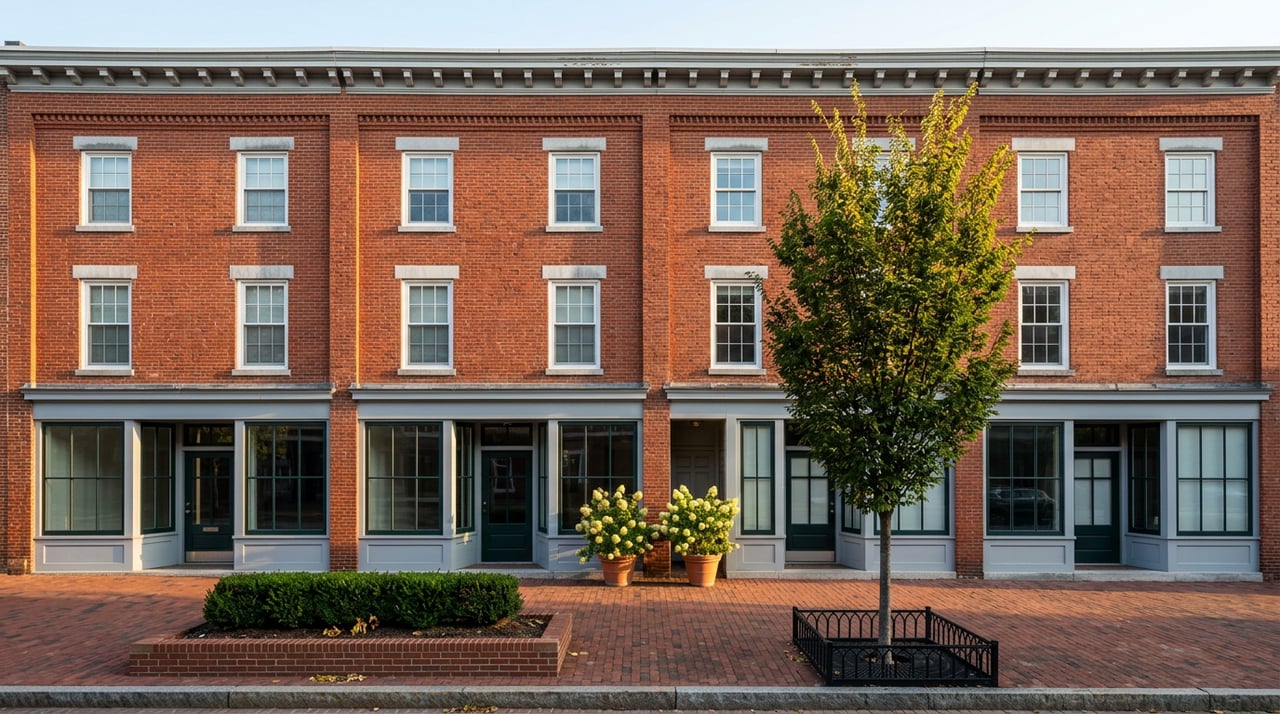
In Federal Hill, the historic district is known for mid-to late-19th-century rowhouses, many of them two or three stories. The Maryland Historical Trust notes a mix of Late Federal, Italianate, and Beaux Arts styles, while CHAP describes Federal Hill South as a dense district of modest rowhouses and commercial structures.
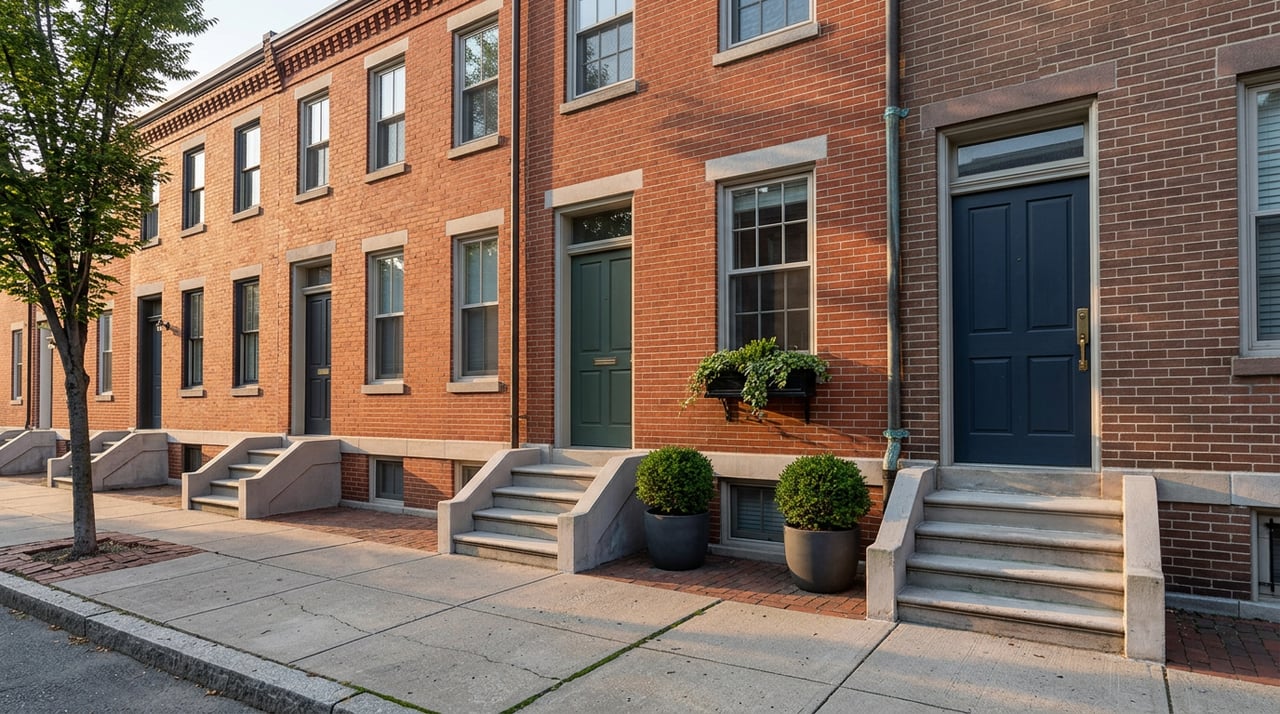
In Locust Point, the historic district is also rowhouse-heavy. The Maryland Historical Trust describes it as a dense residential area of narrow grid streets, made up primarily of two- and three-story brick rowhouses dating from the 1840s through the early 1900s.
For you as a first-time buyer, that often means a few practical things:
That will not describe every property, but it is a useful planning lens when you compare homes. It can be especially important if you work from home, want guest space, or need room for hobbies, bikes, or strollers.
In these neighborhoods, the floor plan is only part of the story. You also need to know exactly what kind of ownership you are buying.
You may be looking at a fee-simple rowhome, a condominium, or a townhome in an HOA. Those can look similar online, but the monthly costs, rules, disclosures, and long-term flexibility can be very different.
A fee-simple rowhome generally gives you direct ownership of the house and lot, subject to any city rules or historic-district requirements. A condo may include shared building costs and association rules. An HOA townhome may come with separate governing documents, fees, and community obligations.
Before you write an offer, make sure you understand:
For first-time buyers, association paperwork can feel like a stack of forms to sign and move past. In Federal Hill and Locust Point, that is a mistake.
Under Maryland law, condo sellers must provide required condominium information no later than 15 days before closing. That includes items such as the declaration, bylaws, rules and regulations, common-element expense information, and notice related to the association’s insurance deductible responsibility.
Maryland law also gives buyers an important protection. If you receive all required condominium information, you may rescind within 7 days after receiving it.
HOA townhomes follow a different framework under the Maryland Homeowners Association Act. Buyers must receive disclosures related to fees, delinquency, management, litigation, and governing documents, and if the required HOA information was not delivered at least 5 days before contract, the buyer has 5 calendar days to cancel after receiving it.
This is one reason experienced guidance matters. You want time to review what you are agreeing to, not discover the details after you are emotionally committed.
Parking is one of the biggest real-world filters in both neighborhoods. If you own a car, or expect guests to drive often, this should be part of your home search from day one.
Baltimore City’s parking code includes Residential Permit Parking areas for Federal Hill and Federal Hill South. Resident permits are limited to certain vehicle classes, with no more than 4 resident permits per dwelling unit.
If you are hoping to create off-street parking, you should not assume that is simple or even possible. Baltimore City requires a curb-cut permit through the Department of Transportation, subject to Planning review, and the city may deny the request.
Locust Point has its own parking constraints. A Baltimore City planning document states that the neighborhood’s 1,100 rowhouses do not have off-street parking, with an existing ratio of 1,100 houses to 1,211 legal parking spaces, and it recommends that residents consider Residential Permit Parking.
Before you offer on a property, ask practical questions like:
Many buyers love the character in these neighborhoods, and for good reason. But historic character can also come with rules about exterior changes.
Baltimore City code says regulated alterations can include exterior architectural features, color changes, excavation, fences or walls, and demolition. CHAP approval is required before the permit process for covered work.
That can affect projects like:
If you are buying with renovation plans in mind, check these limits early. A home may be a great fit for you as-is, but not for the exact project you imagined.
Because both neighborhoods are near the water, flood risk is a smart due-diligence item. The key point is that you should check the exact address, not rely on the neighborhood name.
FEMA identifies its Flood Map Service Center as the official public source for flood-hazard information. Baltimore City’s building code also adds special review for certain work in flood hazard areas, including reconstruction, rehabilitation, additions, and other improvements.
If you are comparing two similar homes, flood-zone status could affect future planning and project costs. It is one more reason to verify details before your inspection period ends.
If affordability is your main concern, there are local and state programs worth reviewing early in the process. Timing matters here, especially if counseling is required before you write an offer.
Baltimore City says qualified homebuyers may receive down-payment and closing-cost help, but the incentives require homeownership counseling from a city-approved counseling agency within one year before writing an offer and at least $1,000 of the buyer’s own funds.
The city’s First-Time Homebuyers Incentive Program offers eligible buyers at or below 80% of area median income 50% of the down payment, up to $10,000, plus an additional $5,000 bonus in certain situations.
The Maryland Mortgage Program also states that most of its loan products offer down-payment assistance. Its 1st Time Advantage line is limited to first-time homebuyers, which the program defines as someone who has not owned a home anywhere in the past three years.
When you are buying your first place in Federal Hill or Locust Point, order matters. A clear plan can save time, stress, and expensive surprises.
Here is a practical sequence based on how these neighborhoods work:
This approach helps you compare homes based on how they will actually function for you, not just how they look online.
If you want a more active, highly walkable setting and a lower neighborhood median purchase price, Federal Hill may be the better fit. Its transit and walkability scores stand out, and that can matter a lot if you want an easy city routine.
If you are drawn to a quieter waterfront setting and do not mind a more car-oriented routine, Locust Point may feel more comfortable. Just be prepared for a higher neighborhood median purchase price and tight parking realities.
In either case, your best first purchase is usually the one that balances monthly payment, ownership structure, parking, and future flexibility. In 21230, those details often matter just as much as square footage or finishes.
Buying your first home in South Baltimore can be exciting, but it also rewards careful planning. If you want clear advice on how to compare rowhomes, condos, and association properties in Federal Hill or Locust Point, The Batoff Group can help you move forward with confidence.
Explore our past transactions.
Sold
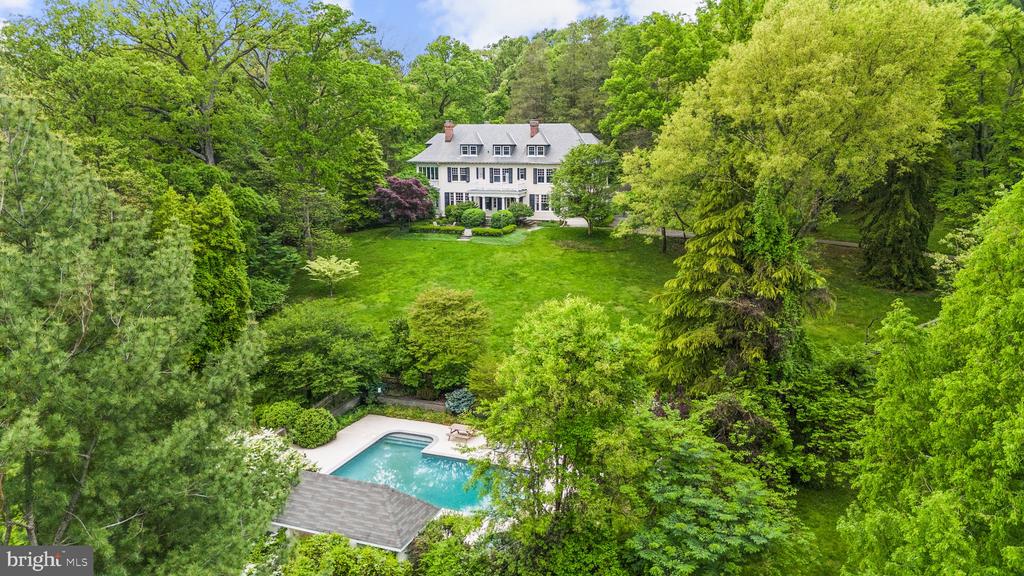
10600 PARK HEIGHTS AVENUE, OWINGS MILLS, MD 21117
Sold
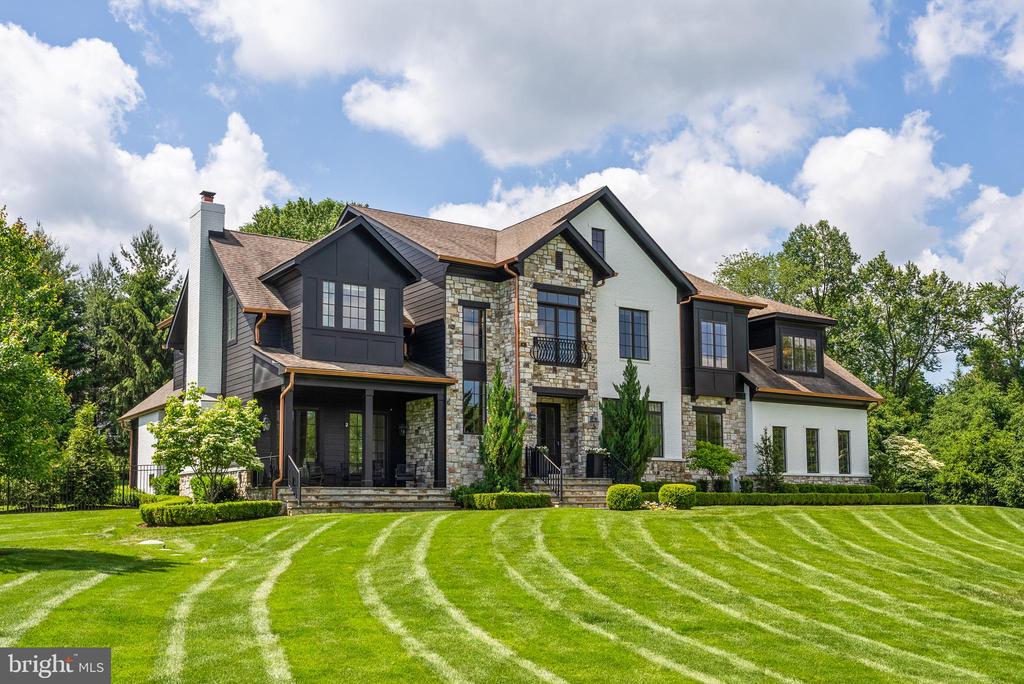
12220 WORTHINGTON ROAD, OWINGS MILLS, MD 21117
Sold
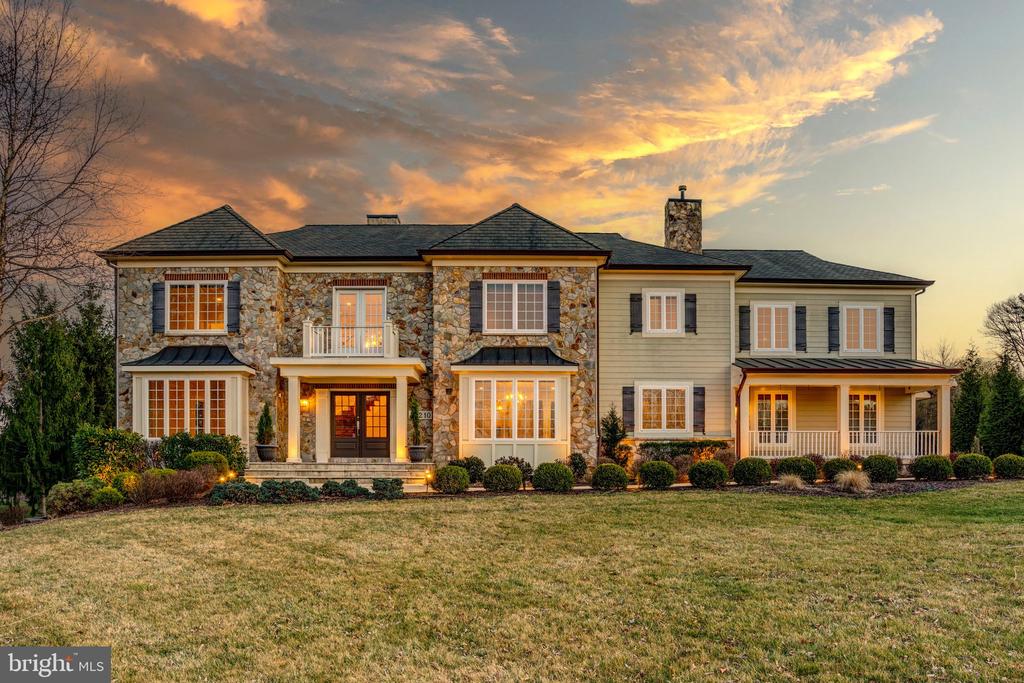
12210 WORTHINGTON, OWINGS MILLS, MD 21117
Sold
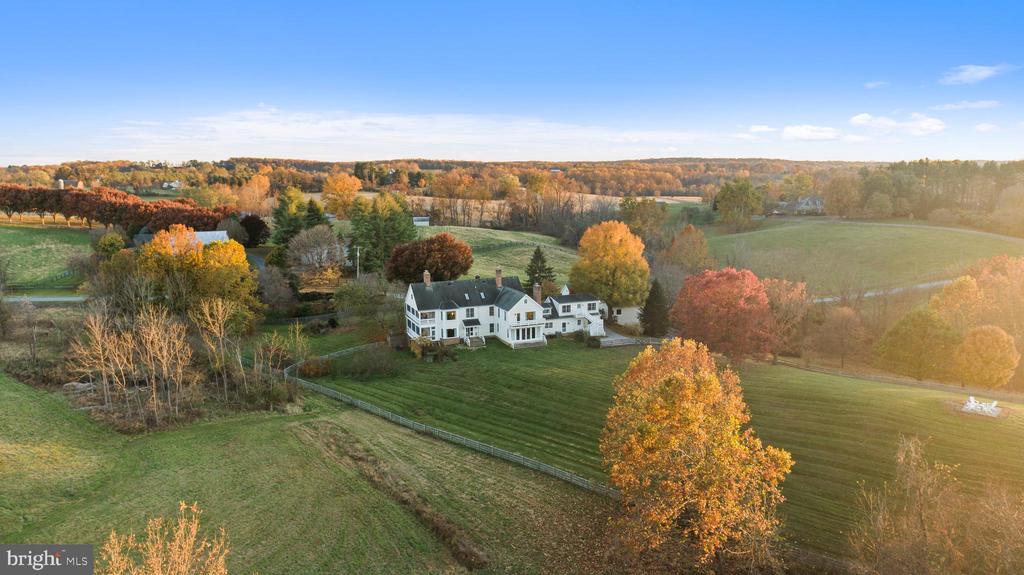
2310 GADD ROAD, COCKEYSVILLE, MD 21030
Sold
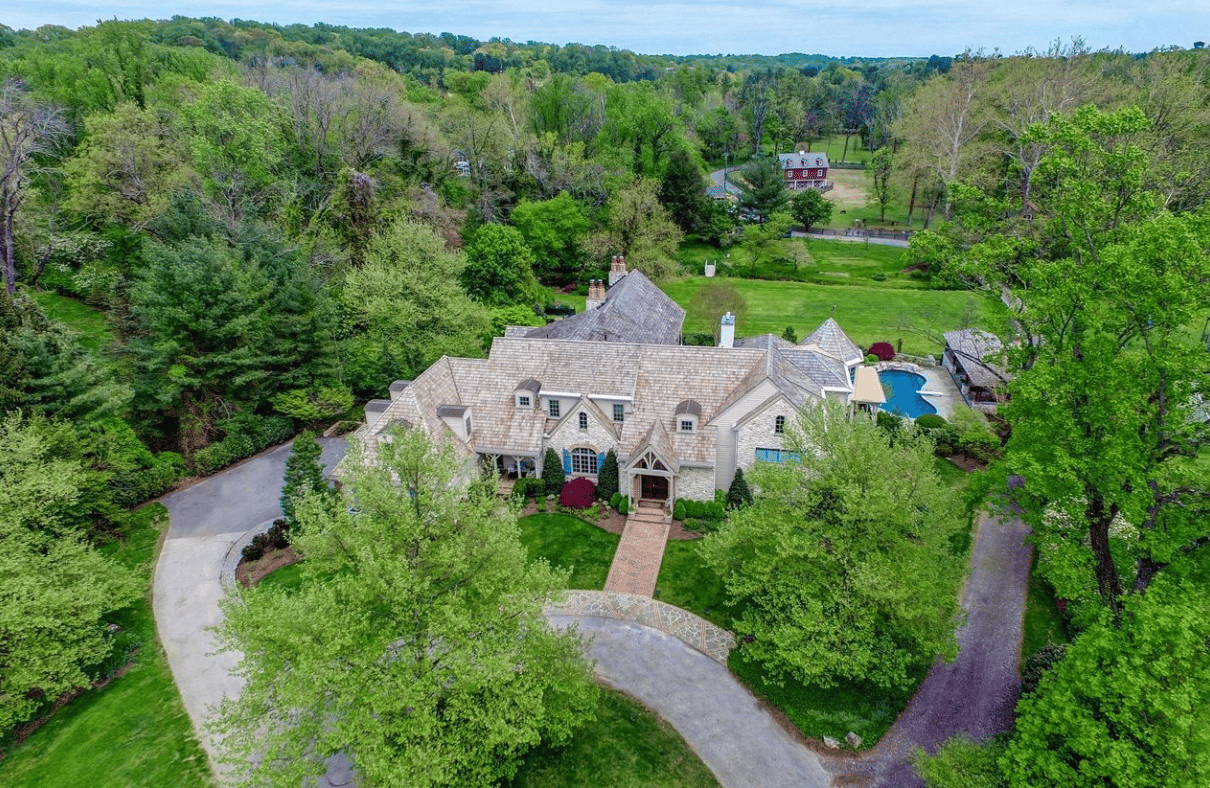
10807 Greenspring Ave, Lutherville-Timonium, MD 21093
Sold
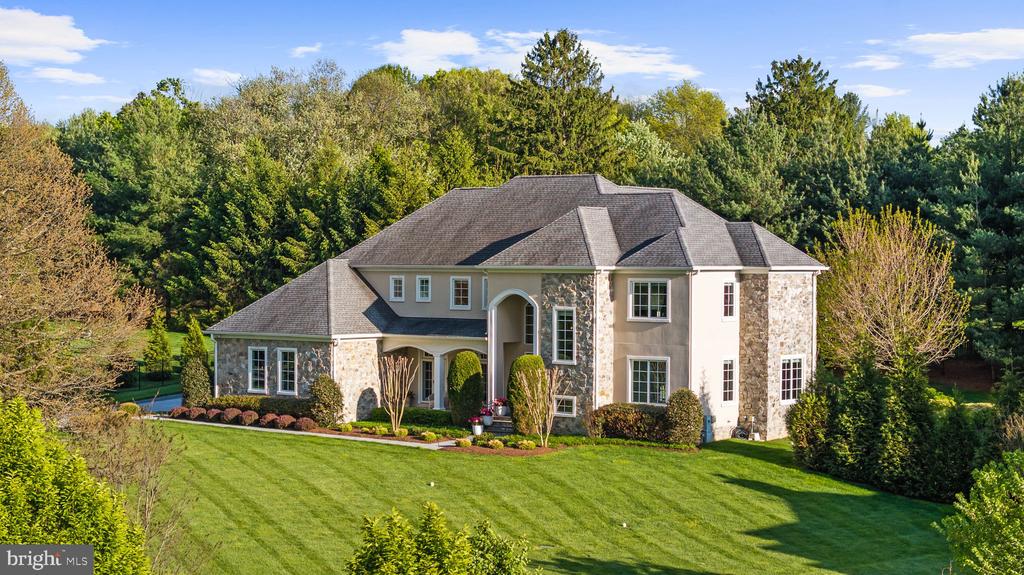
12222 WORTHINGTON ROAD, OWINGS MILLS, MD 21117
Sold
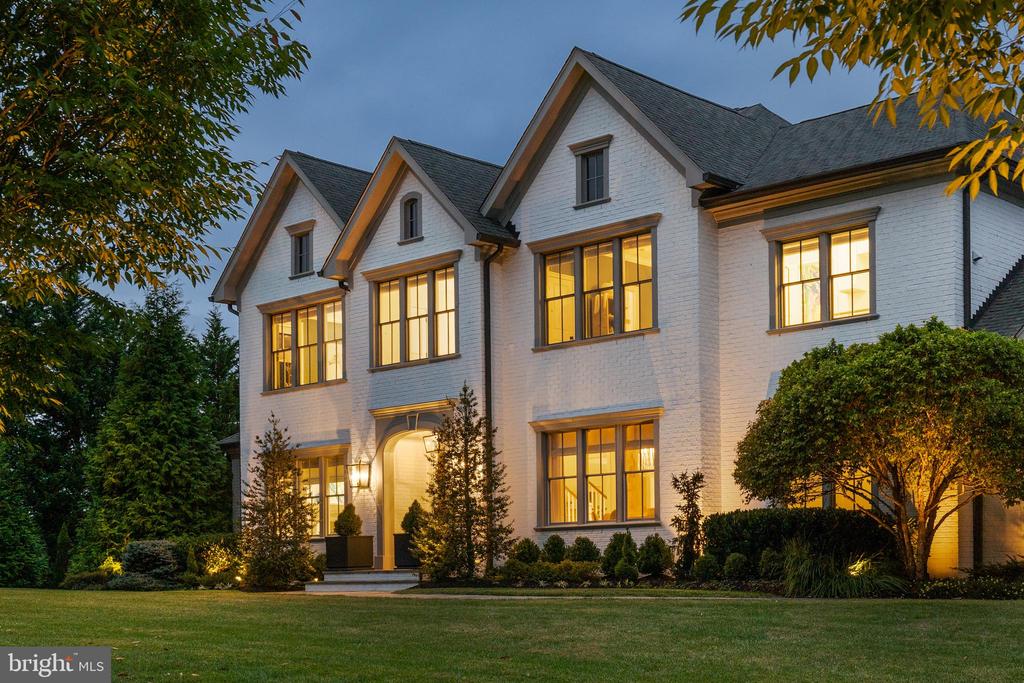
12211 WORTHINGTON ROAD, OWINGS MILLS, MD 21117
Sold

3112 W Golf Course Rd, Owings Mills, MD 21117
Sold

11129 Falls Rd, Lutherville Timonium, MD 21093
Sold

800 HILLSTEAD DRIVE, LUTHERVILLE TIMONIUM, MD 21093
Sold
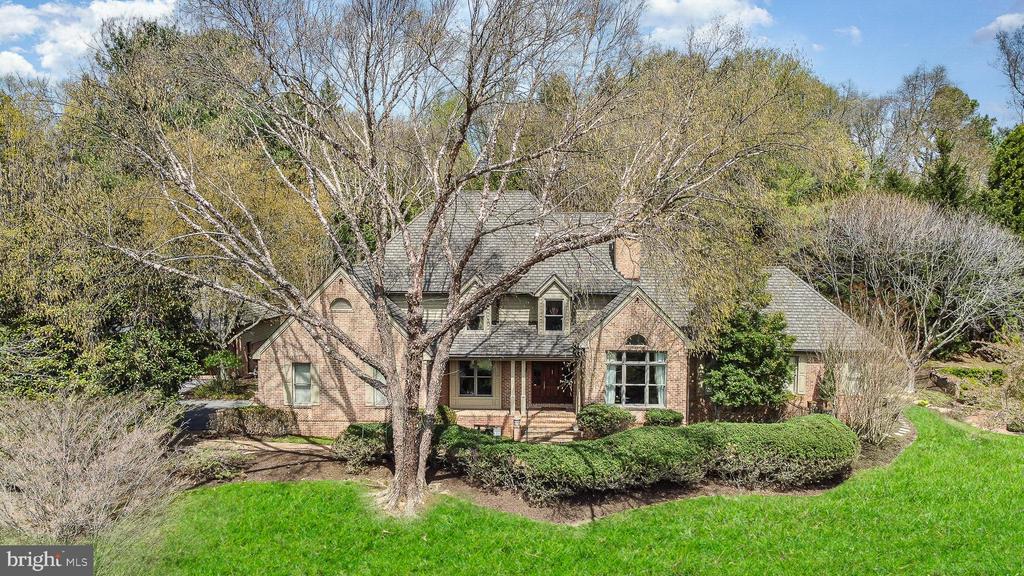
1308 MUSGROVE ROAD, LUTHERVILLE TIMONIUM, MD 21093
Sold
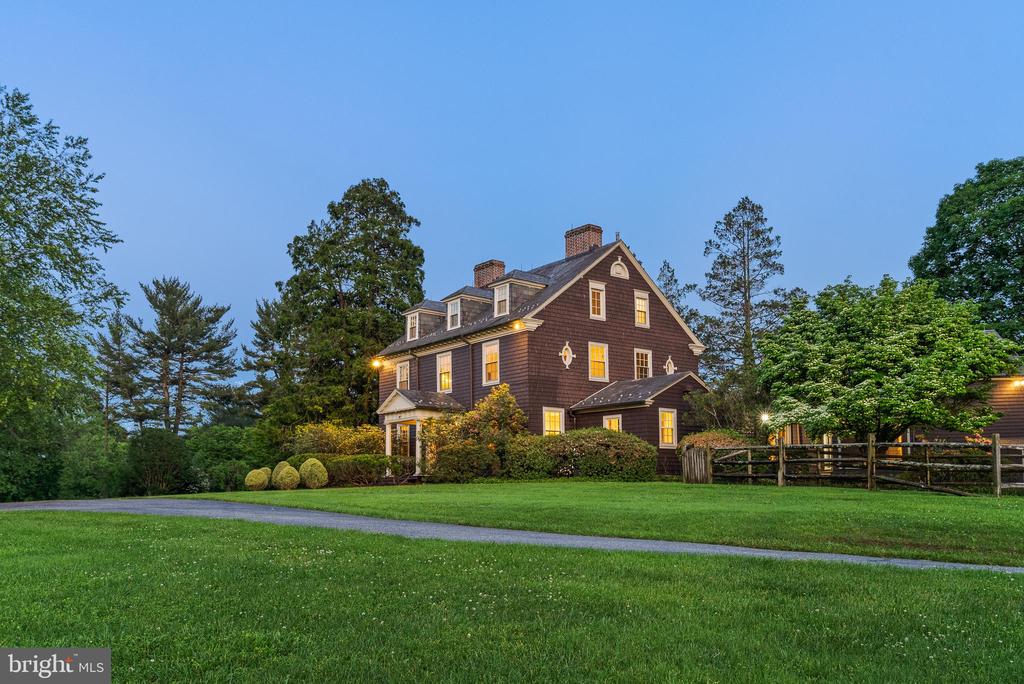
4006 STEWART ROAD, STEVENSON, MD 21153
Sold

15315 Carroll Rd, Monkton, MD 21111
Sold
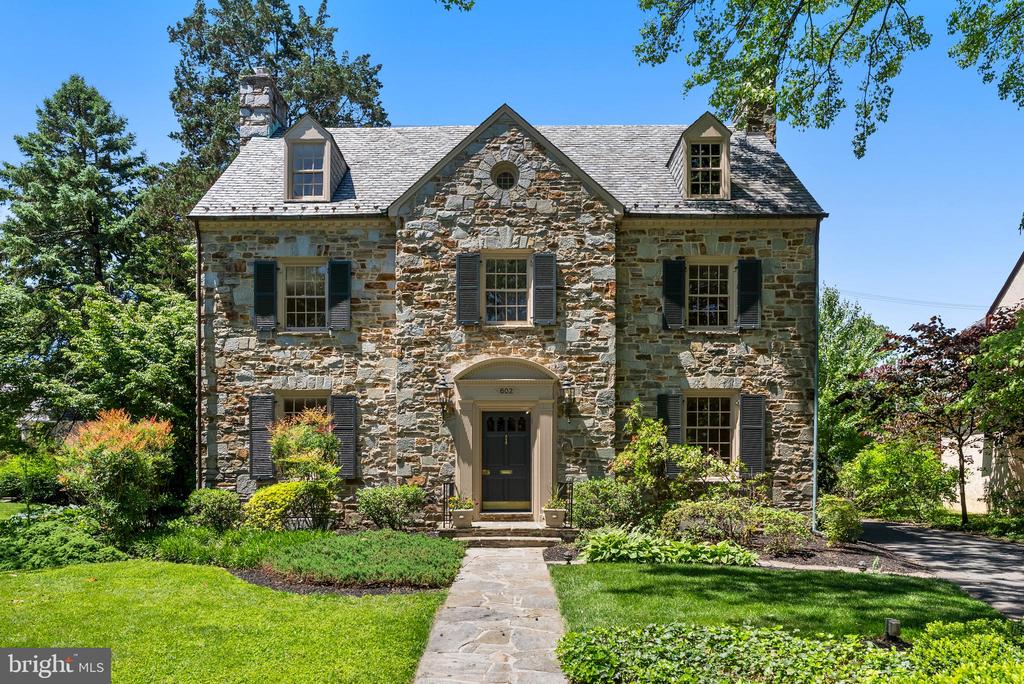
602 STONELEIGH ROAD, BALTIMORE, MD 21212
Sold

6401-A Murray Hill Rd, Baltimore, MD 21212
Sold

303 Goodwood Gdns, Baltimore, MD 21210
Sold
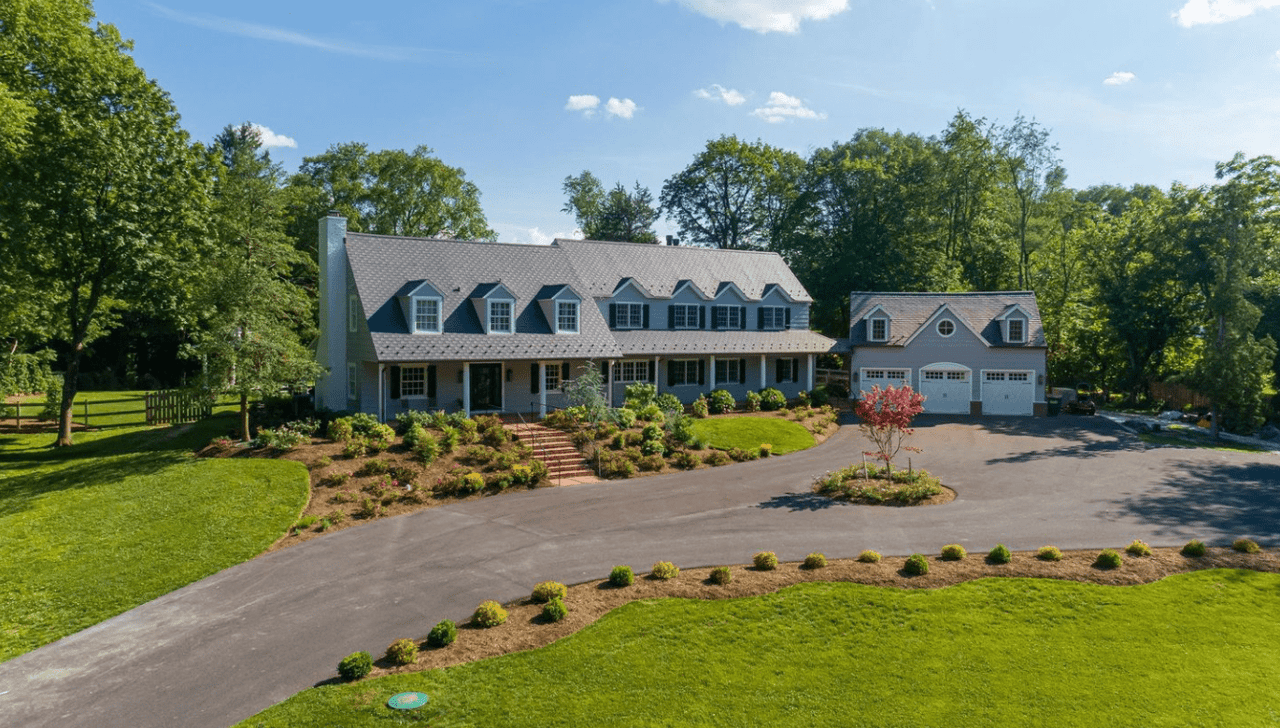
1840 Greenspring Valley Rd , Owings Mills, MD 21117
Sold
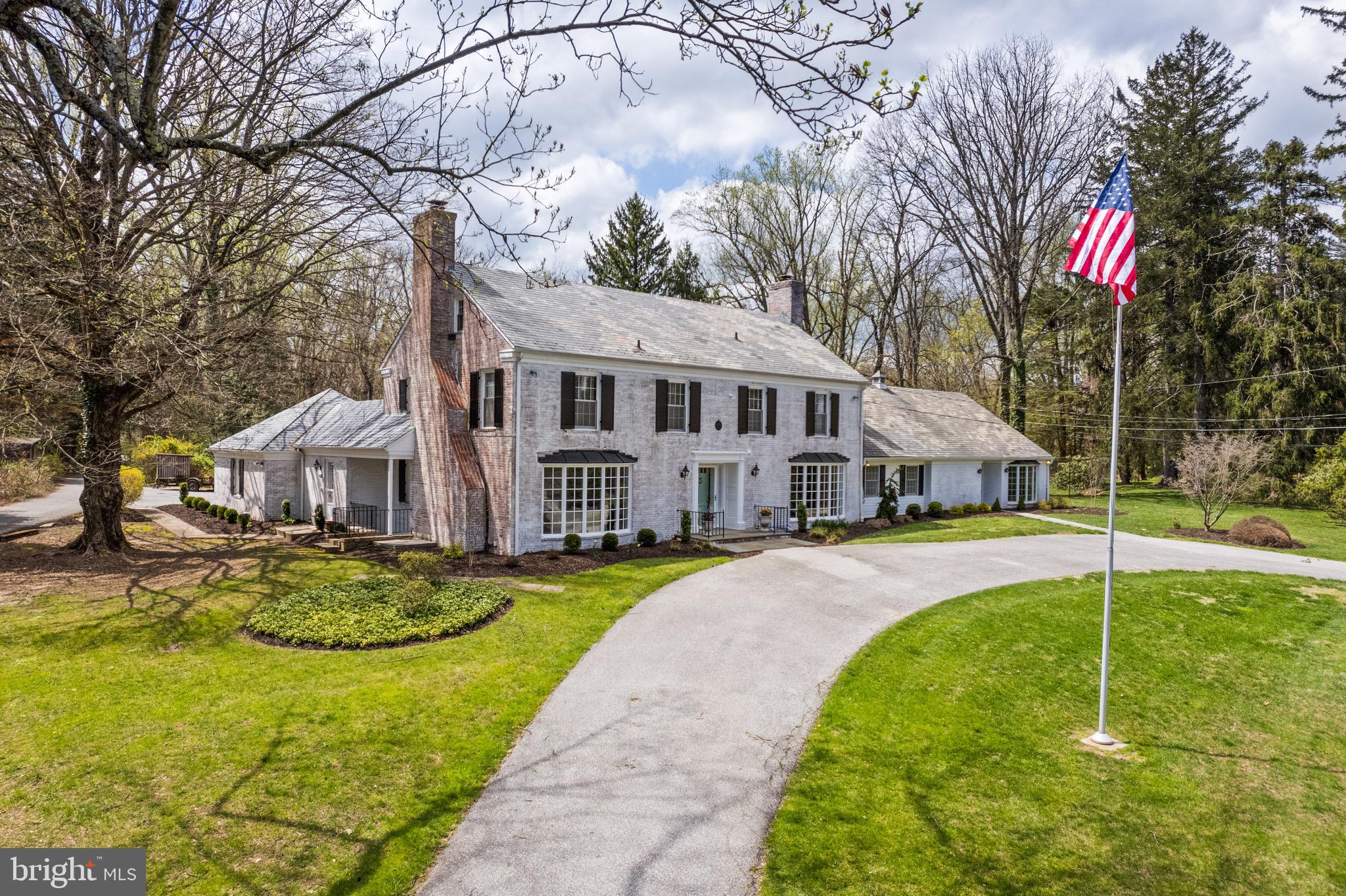
7505 LHIRONDELLE CLUB ROAD, TOWSON, MD 21204
Sold

6510 Chantilly Dr, Sykesville, MD 21784
Sold

1510 SEMINARY AVENUE W, LUTHERVILLE TIMONIUM, MD 21093
Sold

7 BROOKSTONE COURT, LUTHERVILLE TIMONIUM, MD 21093
Sold
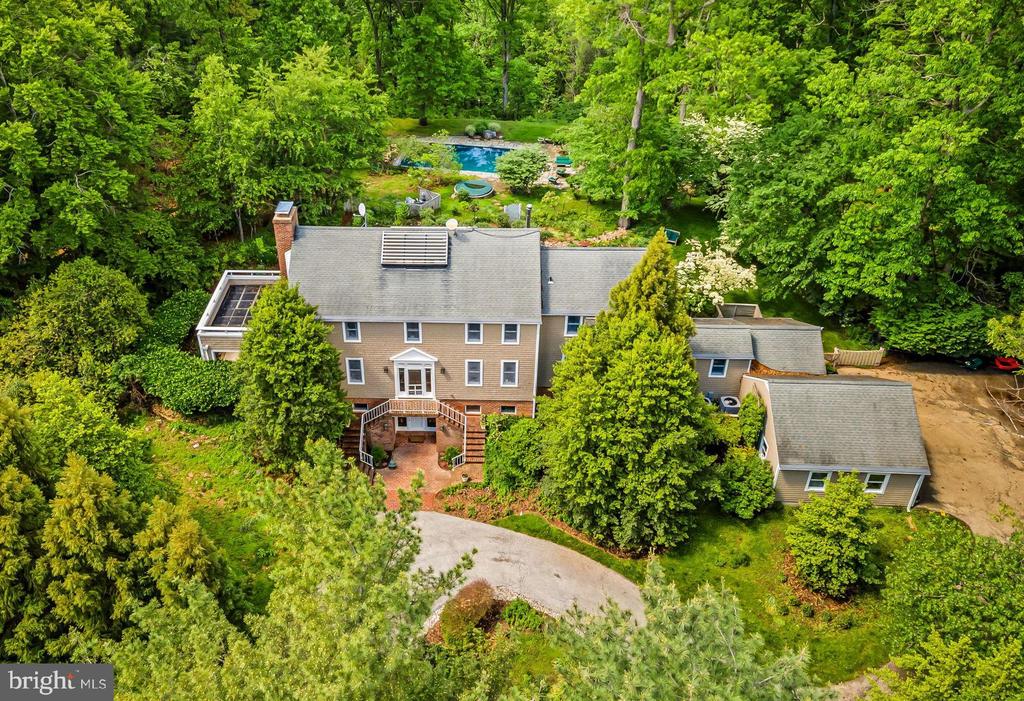
831 HILLSIDE ROAD, LUTHERVILLE TIMONIUM, MD 21093
Sold

714 #2 Western Run Rd, Cockeysville, MD 21030
Sold
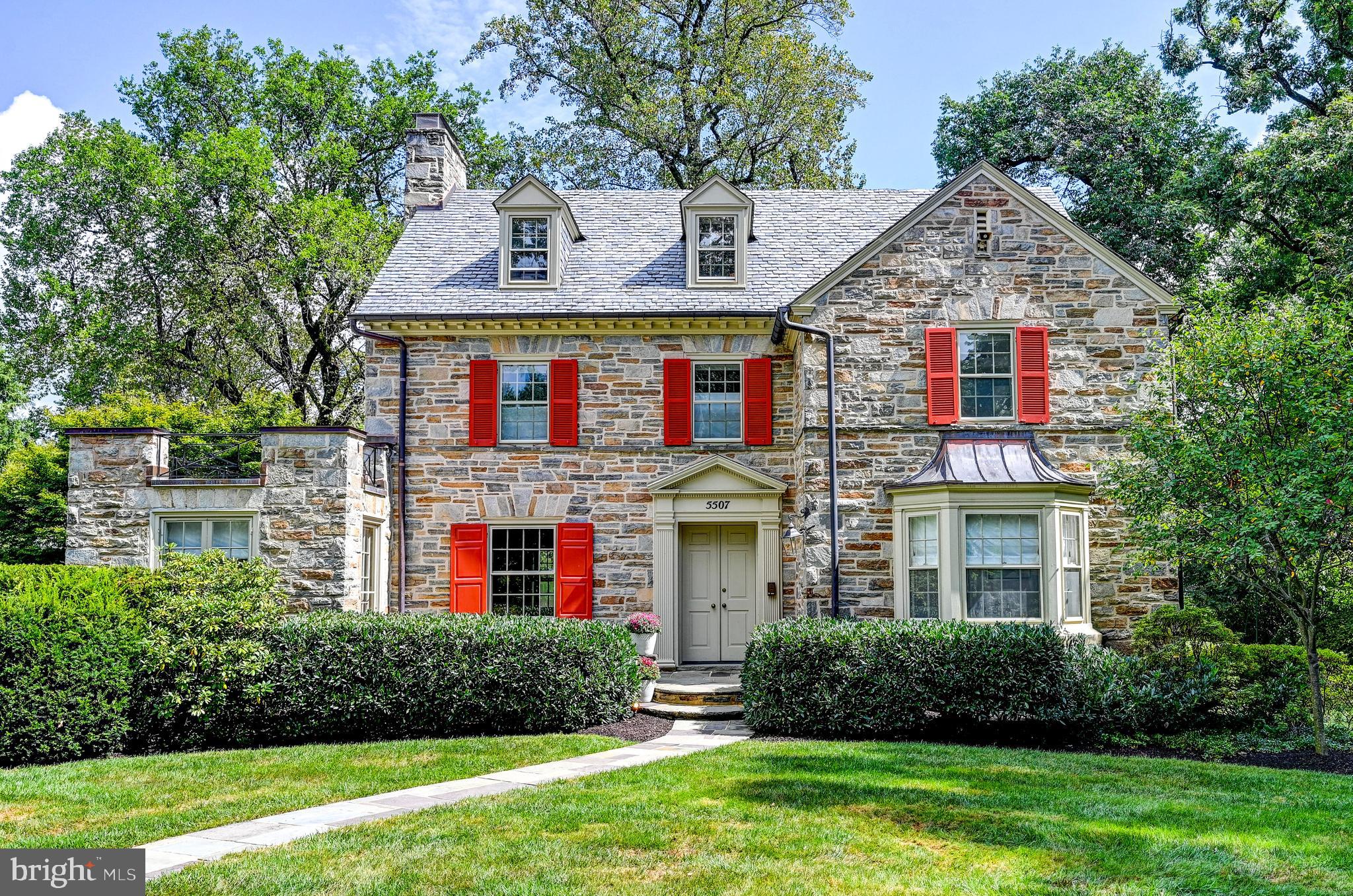
5507 SAINT ALBANS WAY, BALTIMORE, MD 21212
Sold

2919 CAVES ROAD, OWINGS MILLS, MD 21117
Sold
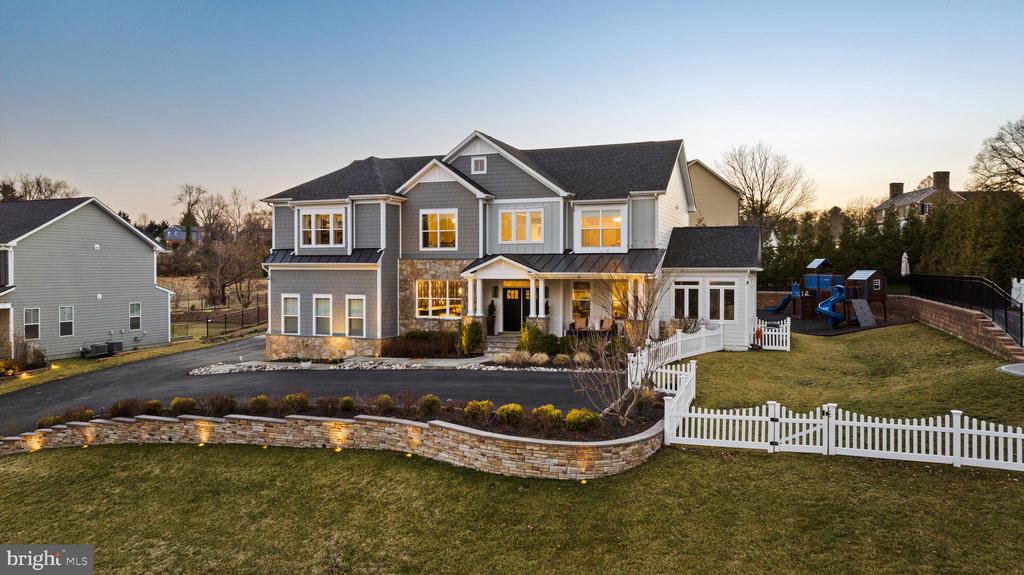
1107 COWPENS AVENUE, TOWSON, MD 21286
Sold
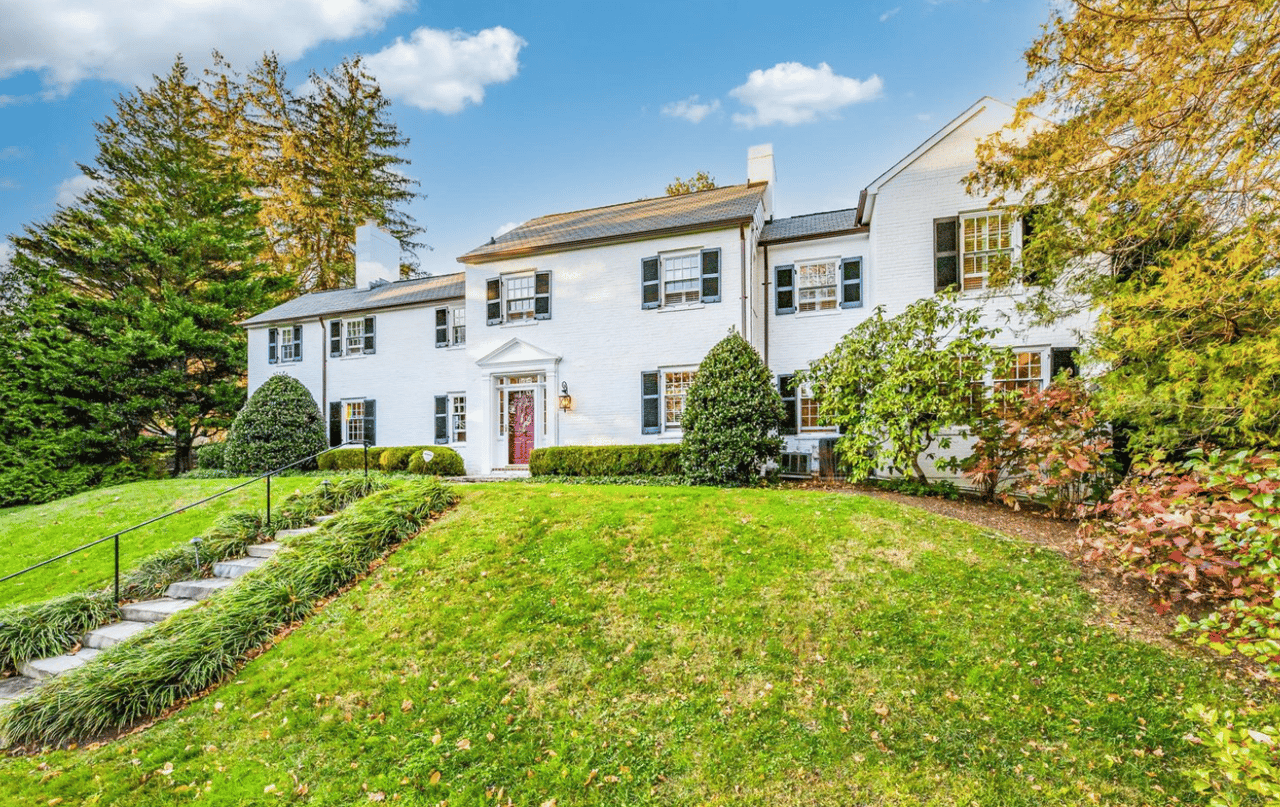
1406 Malvern Ave , Baltimore, MD 21204
Sold
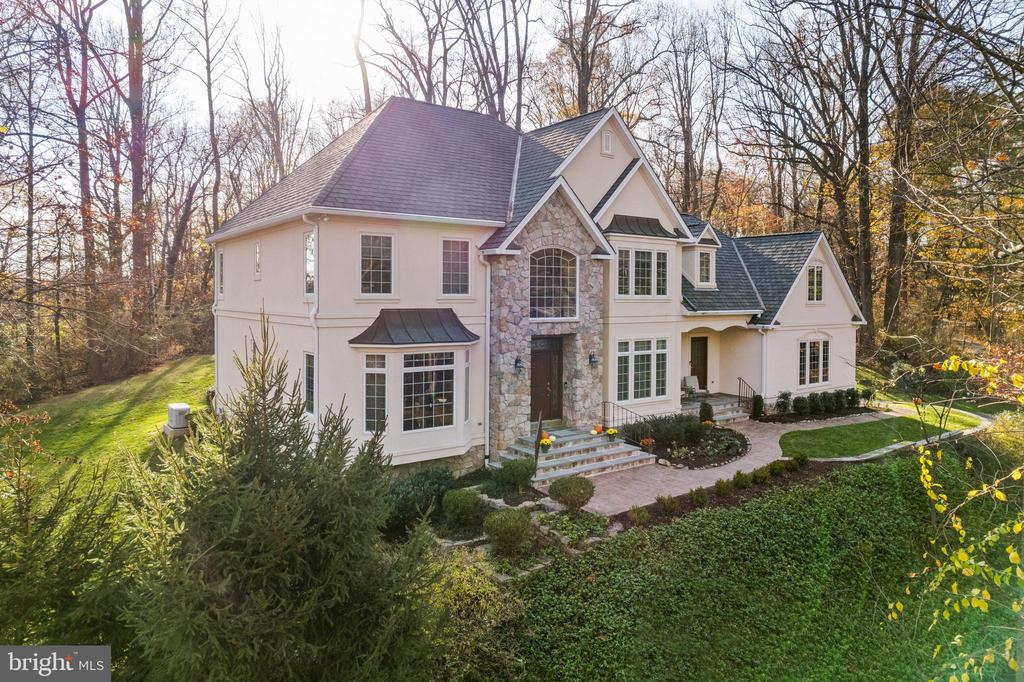
2101 OUR LANE, STEVENSON, MD 21153
Sold
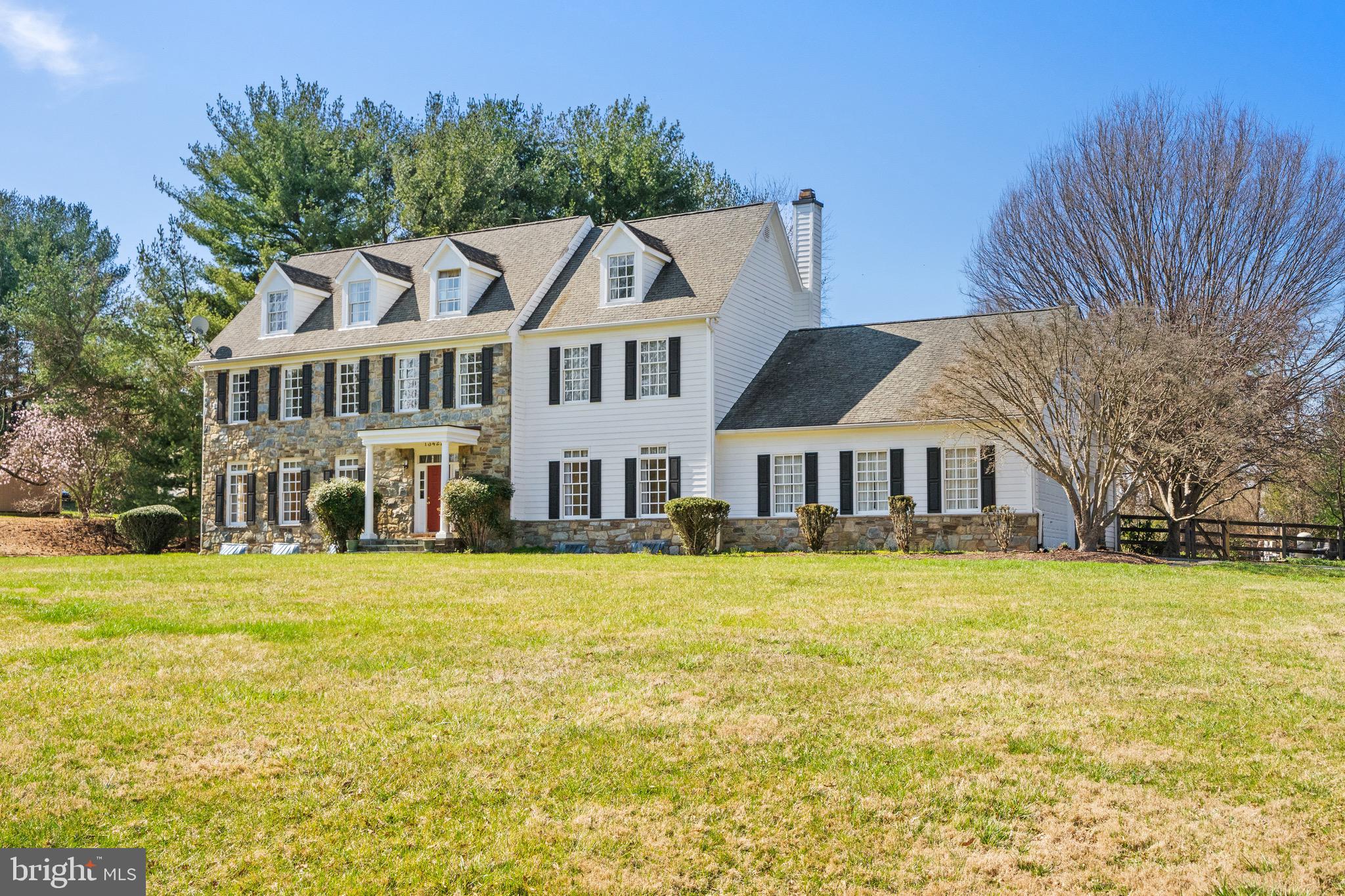
13422 QUERY MILL ROAD, NORTH POTOMAC, MD 20878
Sold

4201 Greenway, Baltimore, MD 21218
Sold

1724 Hillside Rd, Stevenson, MD 21153
Sold

105 Millbrook Rd, Baltimore, MD 21218
Sold
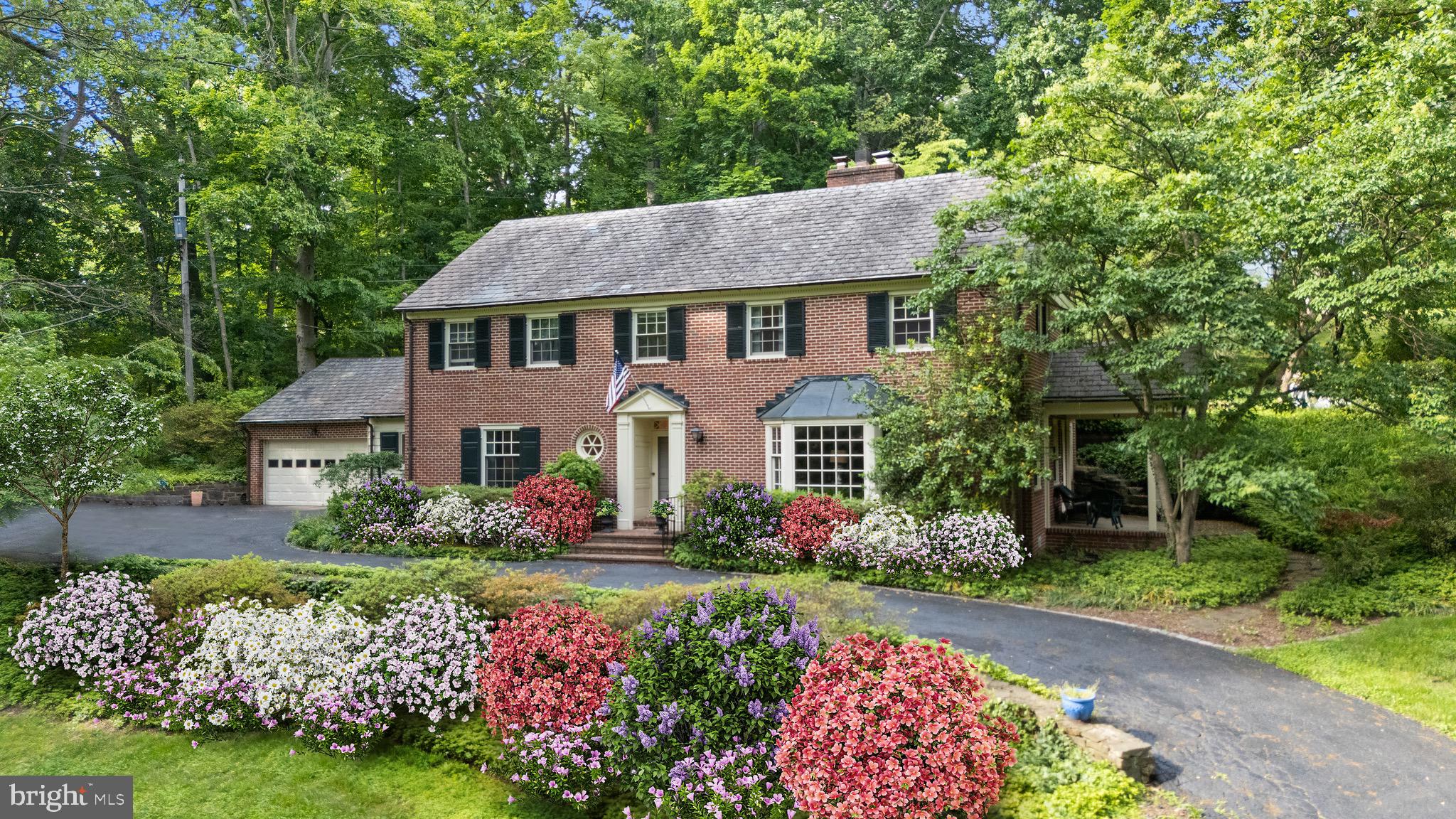
1104 MALVERN AVENUE, RUXTON, MD 21204
Sold
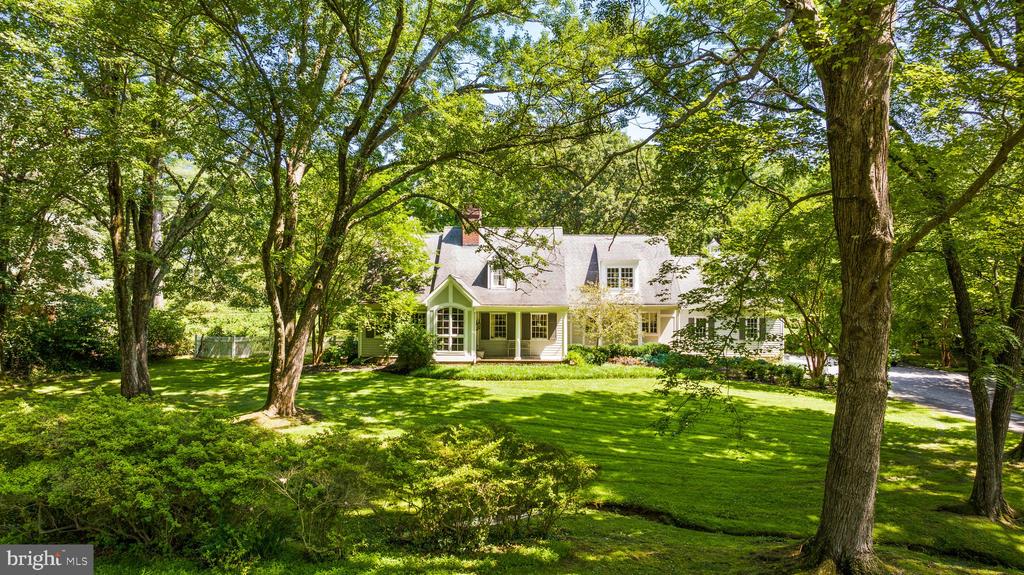
4 CHITTENDEN LANE, OWINGS MILLS, MD 21117
Sold

5 Forwood Ct, Cockeysville, MD 21030
Sold
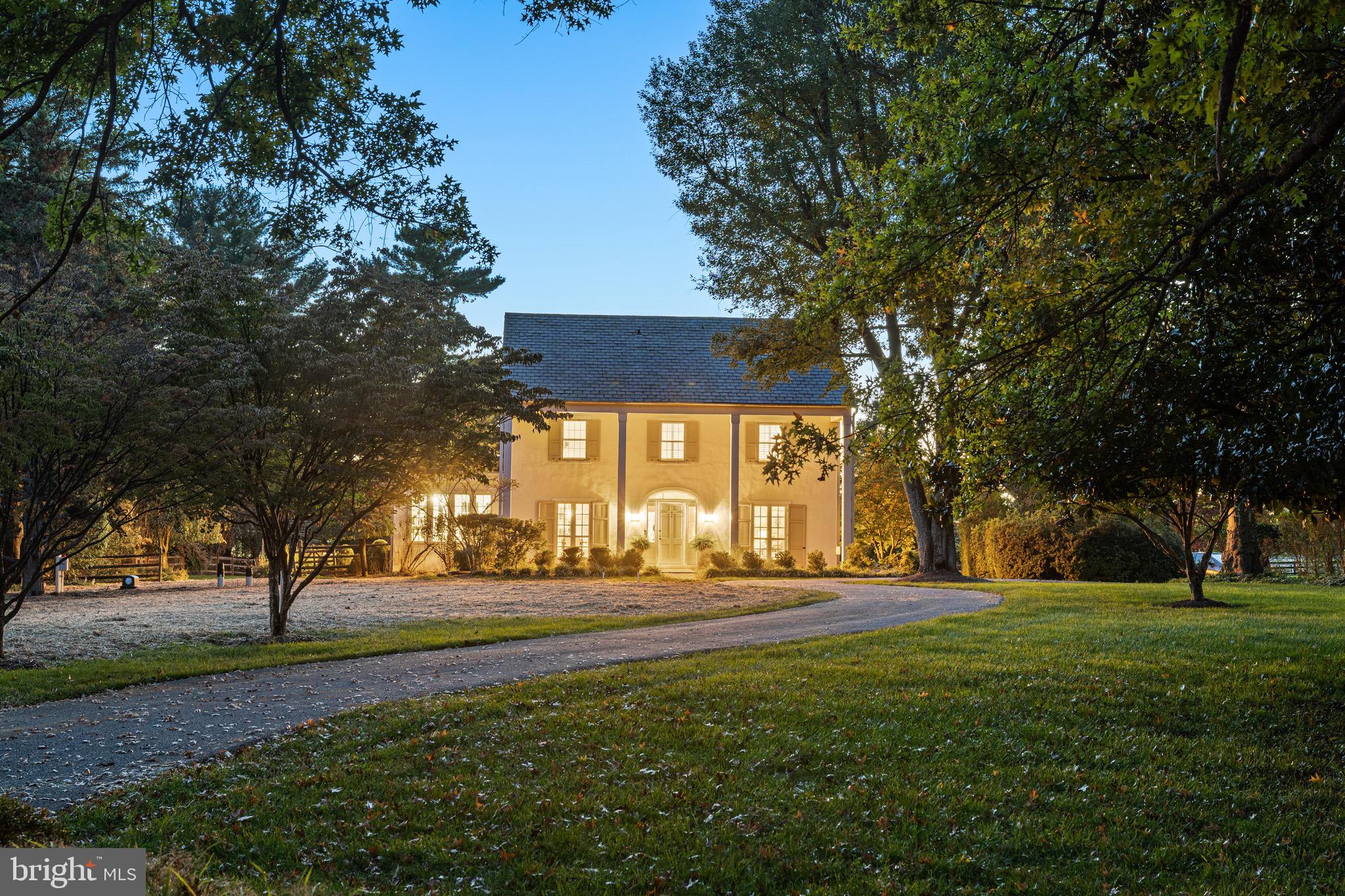
206 GARRISON FOREST ROAD, OWINGS MILLS, MD 21117
Sold

7919 Sherwood Ave, Towson, MD 21204
Sold
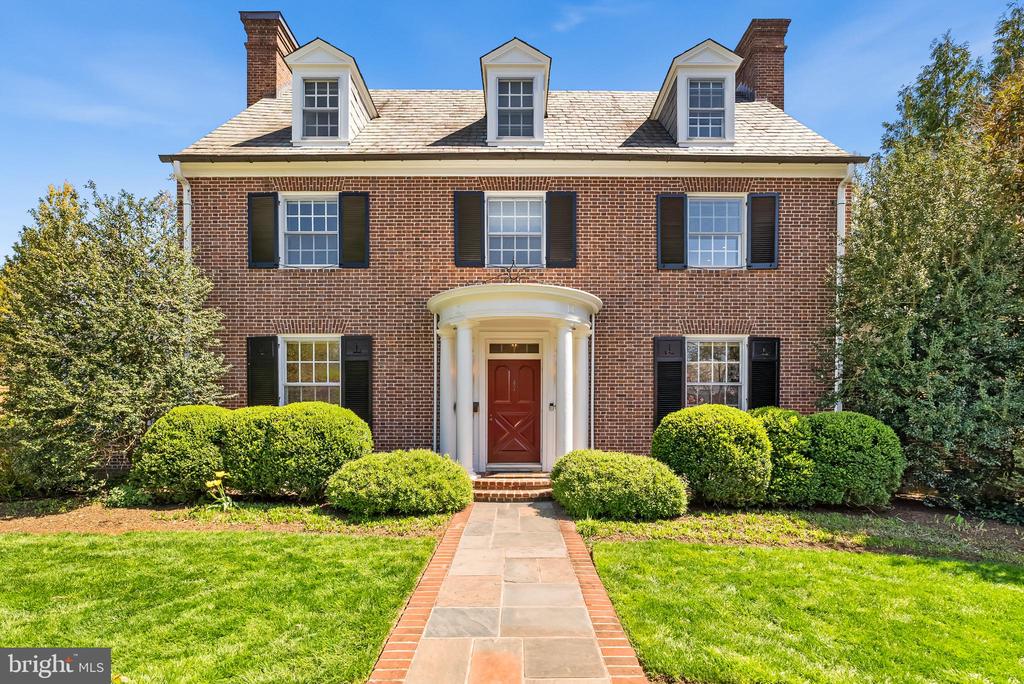
4409 BEDFORD PLACE, BALTIMORE, MD 21218
Sold
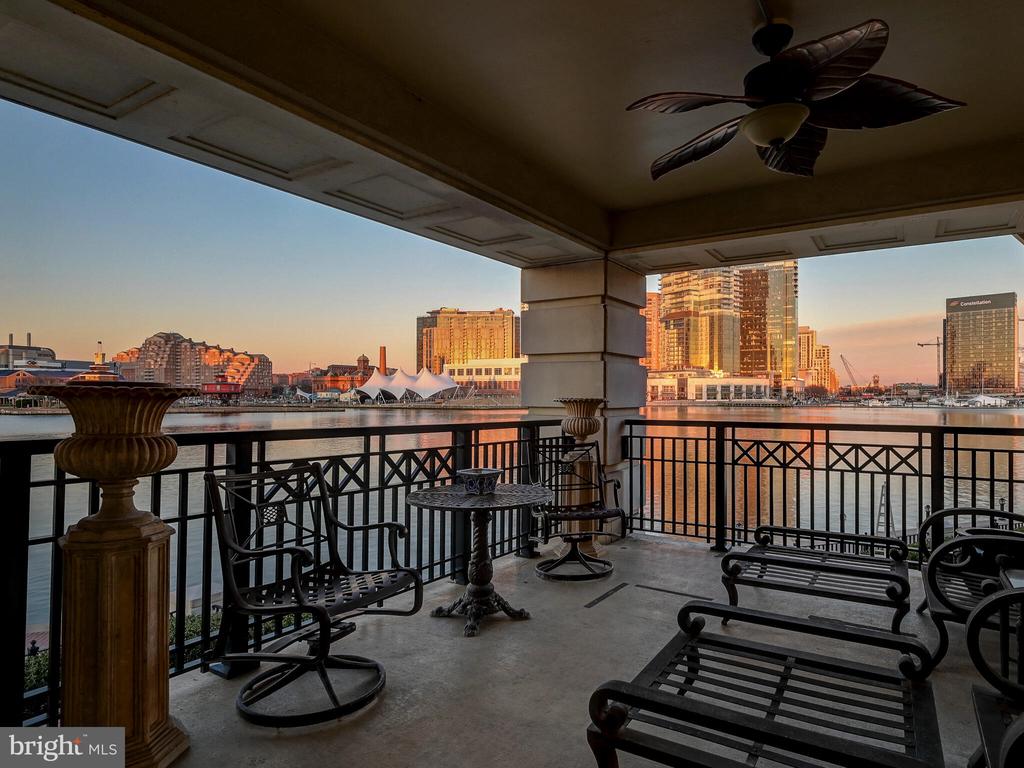
801 KEY HIGHWAY Unit: 210, BALTIMORE, MD 21230
Sold
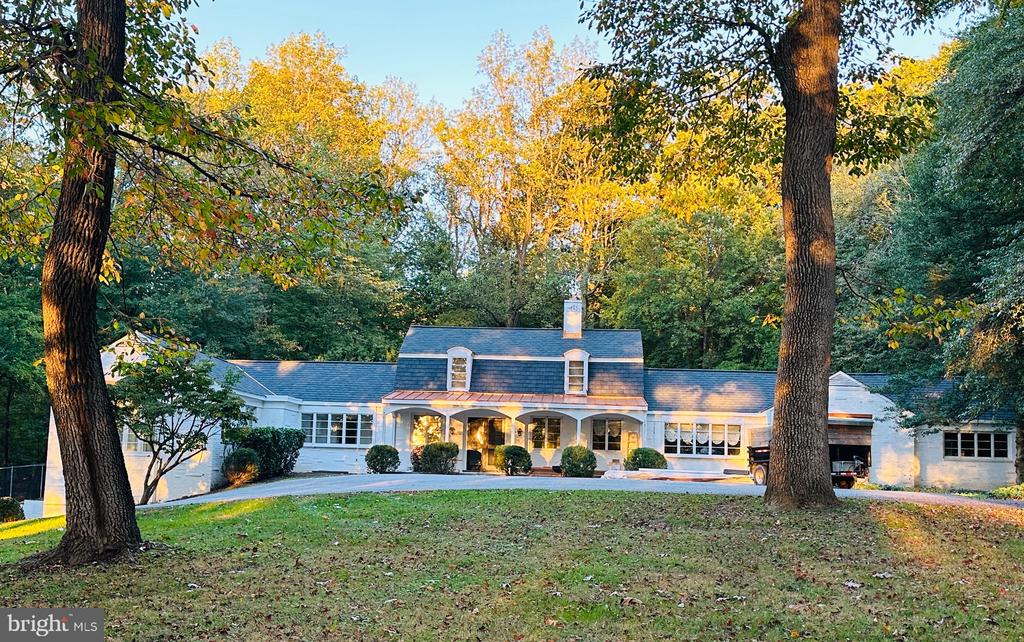
7 CAVESWOOD LANE, OWINGS MILLS, MD 21117
Sold
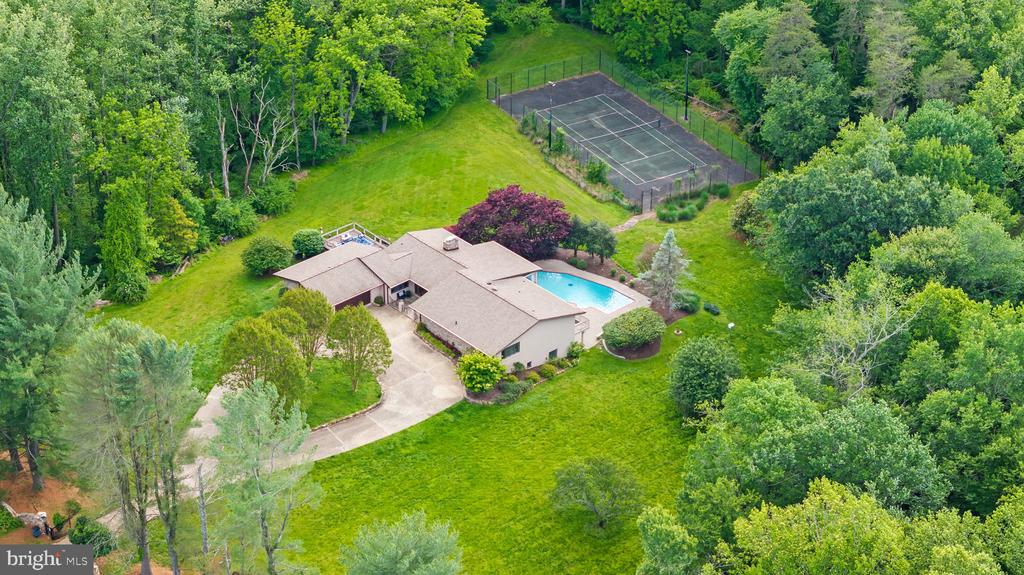
18 MANOR BROOK ROAD, MONKTON, MD 21111
Sold
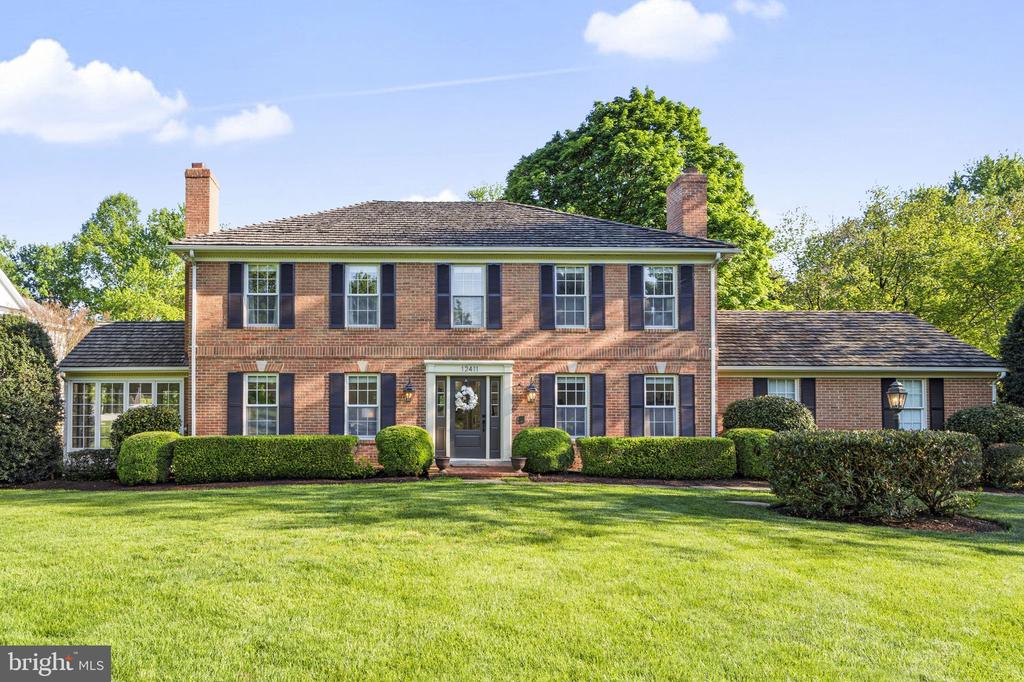
12411 PENELOPE COURT, FULTON, MD 20759
Sold
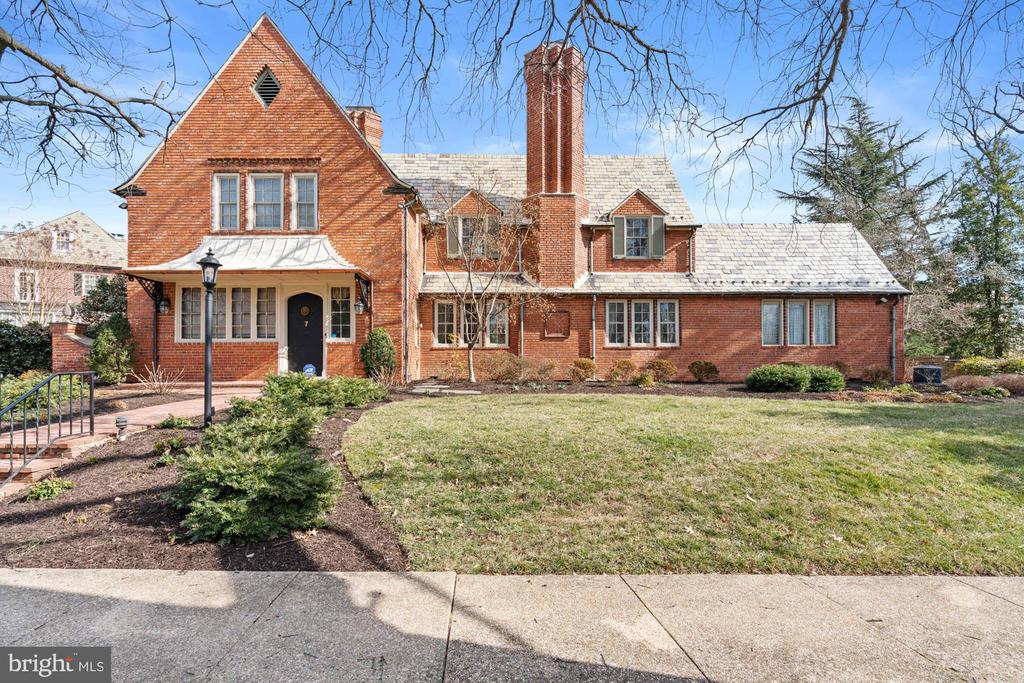
7 CHARLCOTE PLACE, BALTIMORE, MD 21218
Sold
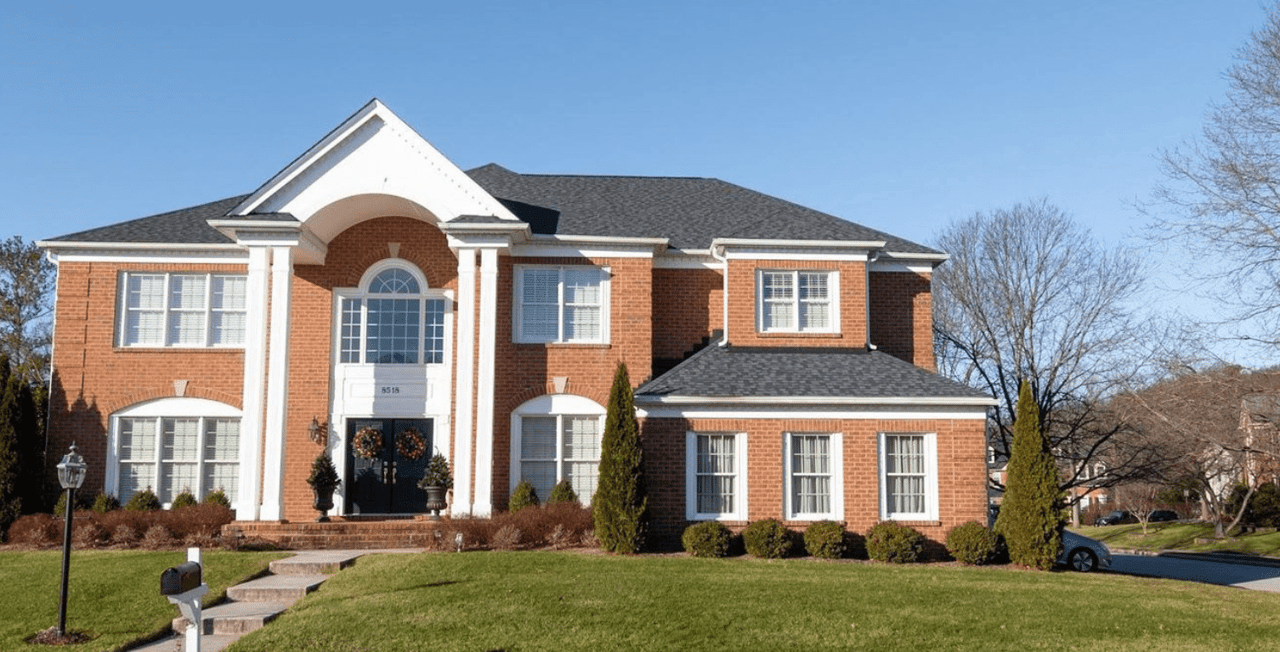
8518 Southfields Cir, Lutherville-Timonium, MD 21093
Sold

101 Market St, Annapolis, MD 21401
Sold

1000 Cold Bottom Rd, Sparks, MD 21152
Sold
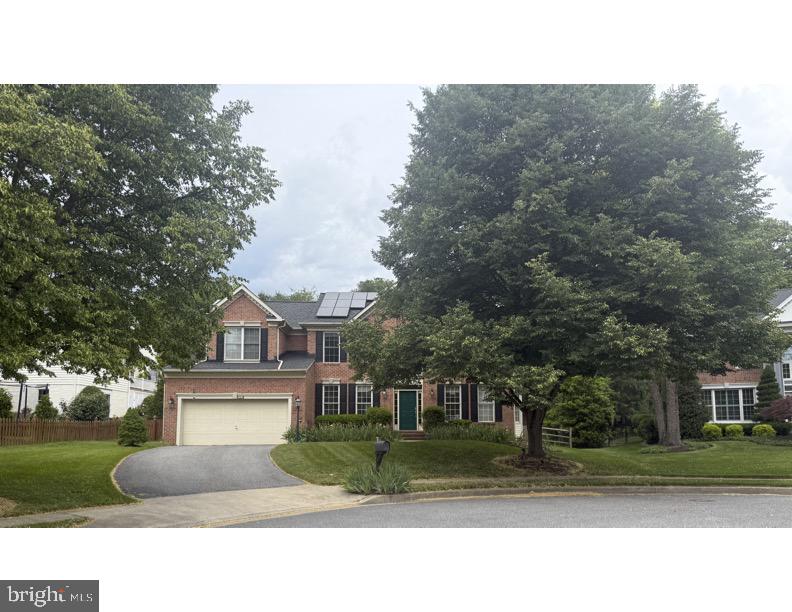
4 CRESTLEIGH PLACE, LUTHERVILLE TIMONIUM, MD 21093
Sold
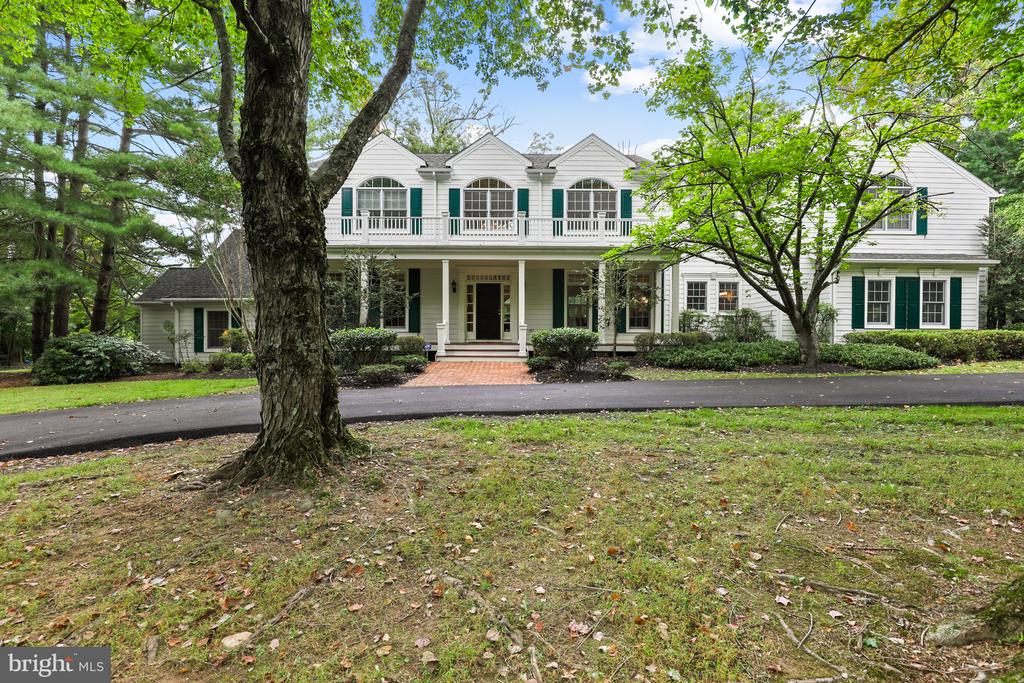
2218 CAVES ROAD, OWINGS MILLS, MD 21117
Sold
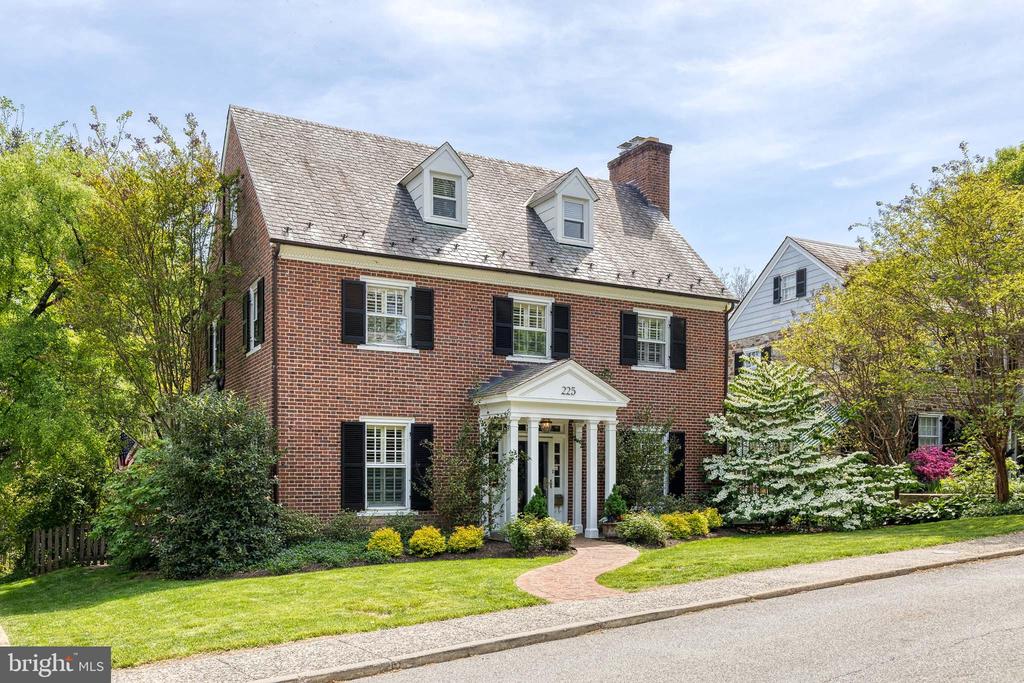
225 TUNBRIDGE ROAD, BALTIMORE, MD 21212
Sold
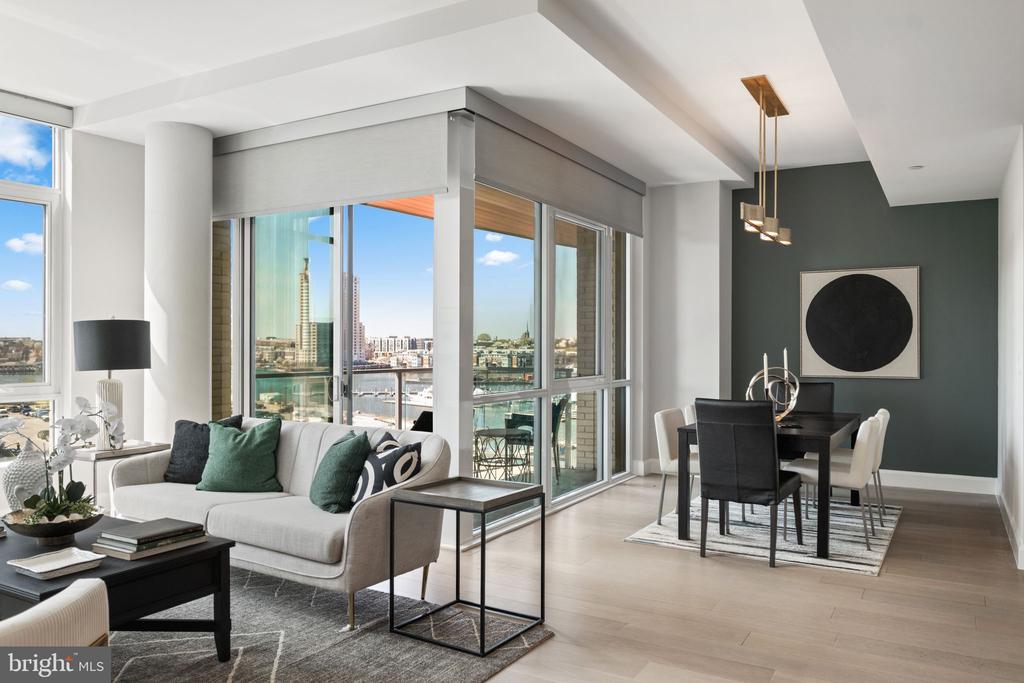
1330 LANCASTER STREET Unit: C603, BALTIMORE, MD 21231
Stay up to date on the latest real estate trends.